Sleep is one of the most important parts of maintaining good health as we age. During sleep, the body repairs tissues, regulates hormones, supports immune function, and allows the brain to perform important maintenance processes.
For older adults, however, sleep can become more complicated. Conditions such as sleep apnea, high blood pressure, heart disease, diabetes, and reduced mobility become more common with age, and these conditions can influence stroke risk.
This raises an interesting question:
Can the position you sleep in affect your risk of stroke?
The short answer is that there is no strong evidence that one ordinary sleeping position directly causes a stroke in otherwise healthy people. However, sleeping position can affect breathing, oxygen levels, blood pressure, circulation, and symptoms of certain medical conditions. These factors may matter for people who already have elevated cardiovascular or stroke risk.
Understanding the relationship can help older adults make safer and more comfortable choices at night.
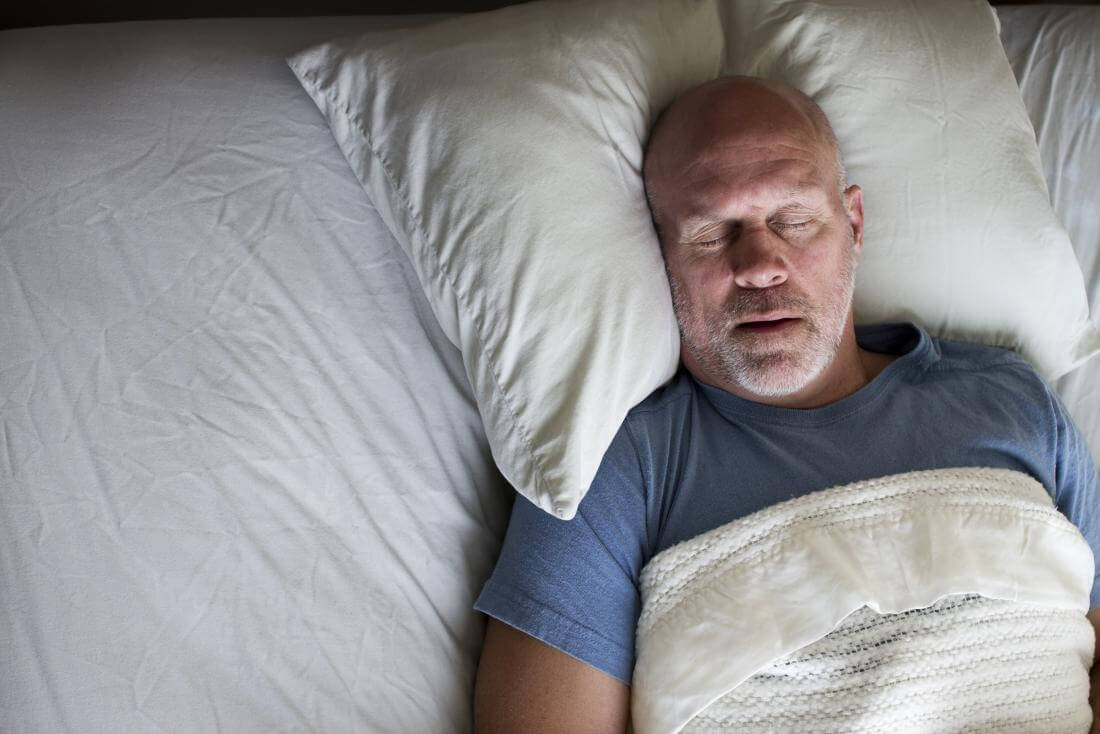
What Is a Stroke?
A stroke occurs when blood flow to part of the brain is interrupted or when a blood vessel in the brain ruptures.
There are two major types.
Ischemic Stroke
This is the most common type.
It occurs when a blood clot or other blockage prevents blood from reaching part of the brain.
Hemorrhagic Stroke
This occurs when a blood vessel in the brain ruptures and causes bleeding.
Both types can cause permanent brain injury and require immediate medical attention.
Does Sleeping Position Actually Cause Stroke?
This is an important distinction.
Sleeping on your back, side, or stomach has not been established as a direct cause of stroke.
Stroke risk is much more strongly influenced by factors such as:
-
High blood pressure
-
Atrial fibrillation
-
Diabetes
-
High cholesterol
-
Smoking
-
Obesity
-
Physical inactivity
-
Sleep apnea
-
Previous stroke or transient ischemic attack (TIA)
-
Certain heart and blood vessel conditions
-
Increasing age
Therefore, focusing exclusively on sleeping position can distract from much more important prevention strategies.
However, sleep position may influence conditions that are themselves associated with cardiovascular risk, particularly obstructive sleep apnea.
Why Sleep Position Can Matter
Your sleeping position can influence the position of your:
-
Tongue
-
Jaw
-
Neck
-
Upper airway
-
Chest
This can affect breathing in some people.
For example, lying flat on the back can make the upper airway more likely to narrow in people who are susceptible to obstructive sleep apnea.
That doesn't mean sleeping on your back causes stroke.
Instead, the concern is that untreated sleep apnea is associated with higher cardiovascular and stroke risk.
1. Sleeping on Your Back
Sleeping on your back, also called the supine position, is comfortable for many people.
It can help keep the spine relatively aligned and may reduce pressure on certain joints.
However, in people with obstructive sleep apnea, lying on the back can sometimes make airway obstruction worse.
Possible symptoms include:
-
Loud snoring
-
Gasping during sleep
-
Pauses in breathing
-
Morning headaches
-
Excessive daytime sleepiness
-
Difficulty concentrating
If these symptoms occur regularly, speak with a healthcare professional.
2. Sleeping on Your Side
Side sleeping is often recommended for people who experience obstructive sleep apnea because it may help keep the airway more open compared with lying flat on the back.
It may also reduce snoring for some people.
For older adults with sleep apnea symptoms, side sleeping can therefore be a reasonable position to try while seeking proper medical evaluation.
However, side sleeping isn't a treatment for sleep apnea by itself.
3. Sleeping on Your Stomach
Stomach sleeping can sometimes reduce airway collapse, but it can also place strain on the:
-
Neck
-
Shoulders
-
Lower back
For older adults with arthritis or spinal problems, this position may be uncomfortable.
There is no good evidence that stomach sleeping directly increases stroke risk.
Sleep Apnea and Stroke Risk
This is one of the most important connections to understand.
Obstructive sleep apnea (OSA) causes repeated episodes in which breathing becomes partially or completely blocked during sleep.
These episodes can lead to:
-
Reduced oxygen levels
-
Repeated awakenings
-
Increased sympathetic nervous system activity
-
Temporary increases in blood pressure
-
Cardiovascular stress
Over time, untreated sleep apnea is associated with increased risk of:
-
High blood pressure
-
Atrial fibrillation
-
Heart disease
-
Stroke
Therefore, the issue isn't simply "Which position causes stroke?"
A better question is:
"Does my sleeping position worsen a condition that increases my cardiovascular risk?"
Warning Signs of Sleep Apnea
Older adults should talk to a healthcare professional if they or their partner notice:
-
Very loud snoring
-
Repeated pauses in breathing
-
Gasping or choking during sleep
-
Excessive daytime sleepiness
-
Morning headaches
-
Dry mouth upon waking
-
Frequent nighttime urination
-
Difficulty concentrating
-
Unexplained fatigue
Some people with sleep apnea don't realize they have it because the symptoms occur while they're asleep.
What About Blood Pressure During Sleep?
Blood pressure normally changes during sleep.
For many people, blood pressure decreases at night. This is sometimes called nocturnal dipping.
Some conditions—including sleep apnea—can disrupt this normal pattern.
Persistent high blood pressure is one of the most important modifiable risk factors for stroke.
Therefore, managing blood pressure is far more important for stroke prevention than trying to find a "perfect" sleeping position.
Can Sleeping on One Side Affect the Heart?
For most healthy people, sleeping on either side is safe.
Some individuals with certain heart conditions may find one side more comfortable than the other.
For example, some people experience more awareness of their heartbeat when lying on their left side. This does not necessarily mean that the position is harmful.
If lying in a particular position consistently causes:
-
Chest pain
-
Significant shortness of breath
-
Severe palpitations
-
Dizziness
seek medical advice.
What About People Who Have Already Had a Stroke?
People recovering from a stroke may have very different sleep needs.
Stroke survivors can experience:
-
Sleep apnea
-
Weakness on one side
-
Difficulty moving
-
Swallowing problems
-
Changes in muscle tone
A healthcare professional may recommend a particular sleeping arrangement depending on the person's condition.
Caregivers should follow individualized instructions rather than relying on general advice found online.
Older Adults and Fall Prevention at Night
For seniors, nighttime safety is also important.
Frequent nighttime urination, dizziness, medications, and poor balance can increase fall risk.
Consider:
-
Keeping a clear path to the bathroom
-
Using appropriate night lighting
-
Keeping frequently used items within reach
-
Rising slowly from bed
-
Using mobility aids if prescribed
A fall can cause serious injury, particularly in older adults.
The Importance of Pillow Position
A pillow should support the neck without forcing it into an extreme angle.
For side sleepers, the pillow should generally be high enough to keep the head relatively aligned with the spine.
For back sleepers, a thinner pillow may be more comfortable for some people.
The goal is not a specific height for everyone, but comfortable, neutral alignment.
Could Raising the Head Help?
Some people with sleep apnea, acid reflux, or breathing problems find that elevating the upper body improves comfort.
However, simply adding several pillows may bend the neck rather than properly elevating the torso.
If you have significant breathing problems during sleep, ask your healthcare provider about appropriate positioning or treatment.
What Actually Reduces Stroke Risk?
If your goal is stroke prevention, focus on the factors with the strongest evidence.
1. Control Blood Pressure
High blood pressure is a major risk factor for stroke.
Regular monitoring and appropriate treatment are essential.
2. Manage Diabetes
High blood glucose can damage blood vessels over time.
If you have diabetes, follow your treatment plan and monitor blood glucose as recommended.
3. Control Cholesterol
High LDL cholesterol contributes to atherosclerosis, which can increase cardiovascular and stroke risk.
Diet, exercise, and medication may all play a role.
4. Don't Smoke
Smoking damages blood vessels and substantially increases cardiovascular risk.
Quitting is one of the most important things you can do for long-term health.
5. Stay Physically Active
Regular physical activity supports:
-
Blood pressure
-
Blood sugar
-
Cholesterol
-
Weight management
-
Cardiovascular fitness
Older adults should choose activities appropriate for their abilities and medical conditions.
6. Maintain a Healthy Diet
A heart- and brain-friendly eating pattern can emphasize:
-
Vegetables
-
Fruits
-
Whole grains
-
Beans
-
Nuts and seeds
-
Fish
-
Healthy fats
Limiting excessive sodium and highly processed foods can also help support blood pressure control.
Don't Ignore Atrial Fibrillation
Atrial fibrillation, or AFib, is an irregular heart rhythm that becomes more common with age.
It can allow blood clots to form in the heart, increasing the risk of ischemic stroke.
Possible symptoms include:
-
Irregular heartbeat
-
Racing heartbeat
-
Fatigue
-
Shortness of breath
-
Dizziness
Some people have no symptoms at all.
If you've been diagnosed with AFib, follow your healthcare provider's recommendations regarding stroke prevention and medication.
Recognizing Stroke Symptoms
Regardless of how someone sleeps, knowing the signs of stroke is far more important.
Use the FAST approach:
F — Face
Ask the person to smile.
Does one side of the face droop?
A — Arms
Ask them to raise both arms.
Does one arm drift downward?
S — Speech
Is their speech:
-
Slurred?
-
Confused?
-
Difficult to understand?
T — Time
If these symptoms appear suddenly, call emergency medical services immediately.
Other possible stroke symptoms include:
-
Sudden vision changes
-
Sudden severe headache
-
Sudden loss of balance
-
Sudden numbness or weakness
-
Sudden confusion
Do not wait to see whether symptoms disappear.
Common Myths About Sleeping Position and Stroke
Myth 1: Sleeping on Your Back Causes Stroke
There is no strong evidence that back sleeping directly causes stroke.
The concern is mainly that it may worsen obstructive sleep apnea in susceptible people.
Myth 2: Everyone Should Sleep on Their Left Side
There is no universal rule requiring everyone to sleep on the left side for stroke prevention.
Comfort, medical conditions, and breathing patterns should be considered.
Myth 3: Sleeping on One Side Prevents Stroke
No sleeping position can guarantee protection against stroke.
Blood pressure control, treatment of heart conditions, avoiding smoking, and managing other risk factors are much more important.
Myth 4: Snoring Is Just a Normal Part of Aging
Occasional snoring can be harmless, but loud habitual snoring accompanied by breathing pauses can be a sign of sleep apnea.
It deserves evaluation.
When Should an Older Adult Talk to a Doctor?
Consider discussing sleep with a healthcare professional if you experience:
-
Loud, persistent snoring
-
Gasping during sleep
-
Frequent morning headaches
-
Excessive daytime sleepiness
-
Repeated nighttime awakenings
-
Difficult-to-control blood pressure
-
New or unexplained palpitations
-
Shortness of breath when lying down
A sleep study may be recommended if sleep apnea is suspected.
The Bottom Line
There is no strong evidence that an ordinary sleeping position directly causes stroke. Sleeping on your back, side, or stomach is not, by itself, a proven stroke trigger.
What matters more is whether your sleep position contributes to conditions such as obstructive sleep apnea, which is associated with increased cardiovascular and stroke risk.
For many people with sleep apnea, side sleeping may help reduce airway obstruction. But this should not replace proper diagnosis and treatment.
For older adults, the most effective stroke-prevention strategies remain controlling blood pressure, managing diabetes and cholesterol, treating atrial fibrillation when present, staying physically active, avoiding smoking, eating a balanced diet, and recognizing stroke symptoms quickly.
Final Thoughts
The idea that one particular sleeping position can "cause a stroke" is much too simplistic. Your sleeping position is only one small part of a much larger picture.
If you wake up feeling exhausted despite getting enough hours of sleep, snore loudly, gasp during the night, or have repeatedly elevated blood pressure, the issue may be more than your choice of sleeping position. Sleep apnea and other sleep disorders deserve proper evaluation because treating them can improve both sleep quality and overall cardiovascular health.
For older adults, the best sleeping position is generally the one that allows comfortable breathing, supports good body alignment, and doesn't worsen an existing medical condition. If you have heart disease, sleep apnea, a previous stroke, or another significant health condition, ask your healthcare professional whether a particular sleep position is appropriate for you.
And remember: if you ever notice sudden facial drooping, arm weakness, speech difficulty, severe confusion, or another sudden neurological change, don't try to solve the problem by changing sleeping positions. Treat it as a medical emergency and seek immediate help.