During hot weather, an electric fan is one of the most essential cooling devices. However, using a fan incorrectly can potentially harm your health.
Increased Risk of Chills
Placing a fan too close to your body or directing it straight at yourself can cause your body to cool down too quickly. The sudden change in temperature may make it difficult for your body to adapt, increasing the risk of catching a chill.
Therefore, keep the fan at a reasonable distance to protect your health.
Dry Skin and Eyes
A fan blowing directly onto your body can cause your skin to lose its natural moisture because sweat evaporates more quickly and the body's natural moisture balance is disrupted. The cool night air can make your skin feel dry and uncomfortable.
In addition, if you tend to sleep with your eyes slightly open, continuous airflow from the fan may cause your eyes to become dry, irritated, and burn.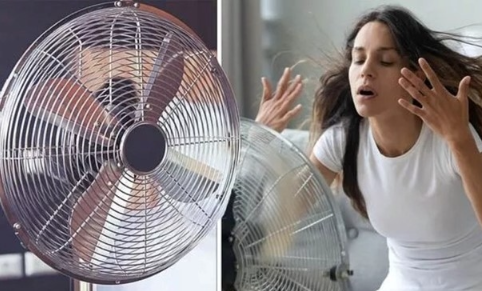
Effects on the Respiratory System
Sleeping with a fan running all night can contribute to dehydration. Salivary glands may not produce enough moisture to keep the mouth and throat hydrated, leading to a sore throat.
Furthermore, dust accumulated on the fan blades and protective grille can be blown directly toward your nose and mouth, potentially triggering respiratory problems.
Allergic Reactions
Dust from the fan and particles in the air may cause skin irritation, watery eyes, and frequent sneezing.
Direct airflow can also worsen allergies and certain skin conditions.
Increased Muscle Pain
A fan generates cool, strong airflow. When it blows directly onto the body, muscles may contract and tighten, causing discomfort and fatigue.
In low-humidity environments, muscles are even more likely to become sore and stiff.
Higher Risk of Muscle Cramps
Nighttime temperatures often drop quickly, and direct airflow from a fan while sleeping may trigger muscle cramps.
On particularly hot nights, some people may also experience nausea or headaches due to changes in body temperature and prolonged exposure to airflow.
Four Golden Rules for Using a Fan at Night Without Getting Sick
1. Use the Fan for Short Periods and Keep a Window Open
Avoid running the fan continuously for many hours. Ideally, let the fan rest for about 15–20 minutes after prolonged use.
This helps prevent overheating and reduces the risk of motor damage. In addition, keeping a window slightly open while using the fan allows fresh air to circulate throughout the room, creating a more comfortable breeze and reducing strain on the fan's motor.
2. Keep the Fan at a Distance and Avoid Direct Airflow
Place the fan approximately 1.5–2 meters (5–6.5 feet) away from your body.
Do not let the fan blow directly onto you, especially toward your head or the soles of your feet, as this may increase the likelihood of catching a cold.
It is also advisable to use the fan's oscillating mode instead of keeping it fixed in one direction. This prevents prolonged direct exposure to airflow while maintaining a cool and comfortable room.
3. Use a Low to Medium Fan Speed
During sleep, the body's immune system and many internal organs enter a resting state. Prolonged exposure to strong airflow can make you more susceptible to symptoms such as colds, a runny nose, and a sore throat.
For this reason, it is best to use the fan at a low or medium speed.
4. Set a Timer
As the night progresses, the temperature usually drops. Using the fan's timer function helps control the duration of use more effectively.
This can prevent you from waking up in the middle of the night because the room has become too cold and helps protect your overall health.