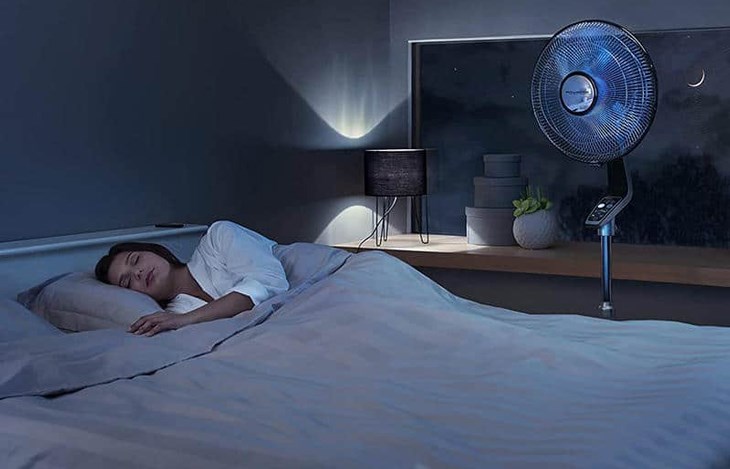
Sleeping with a fan on is extremely common - especially in hot or humid weather. It feels comfortable, helps cool the room quickly, and can even provide soothing white noise. But there’s a growing conversation around whether keeping a fan running all night might have downsides, particularly for certain individuals.
Let’s break this down clearly and realistically - without exaggeration.
1. Fans Circulate Air… and Everything in It
A fan doesn’t actually cool the air - it moves it around.
What that means:
- Dust particles
- Pollen
- Pet dander
…all get circulated continuously through the room.
Possible effects:
- Allergy flare-ups
- Sneezing or congestion
- Breathing discomfort
👉 If your room isn’t clean, the fan may make things worse.
2. Dry Air Can Irritate Your Body
Continuous airflow across your body can lead to:
- Dry throat
- Dry skin
- Dry eyes
Why it happens:
Air movement increases evaporation, which can dry out exposed areas over time.
Who is more affected:
- People with sensitive skin
- Contact lens users
- Those prone to throat irritation
3. Muscle Stiffness and Discomfort
Sleeping with direct airflow hitting your body all night can sometimes cause:
- Neck stiffness
- Shoulder tension
- Muscle discomfort in the morning
Why:
Cold or constant airflow can make muscles tighten, especially during long exposure.
4. It May Disrupt Sleep Quality
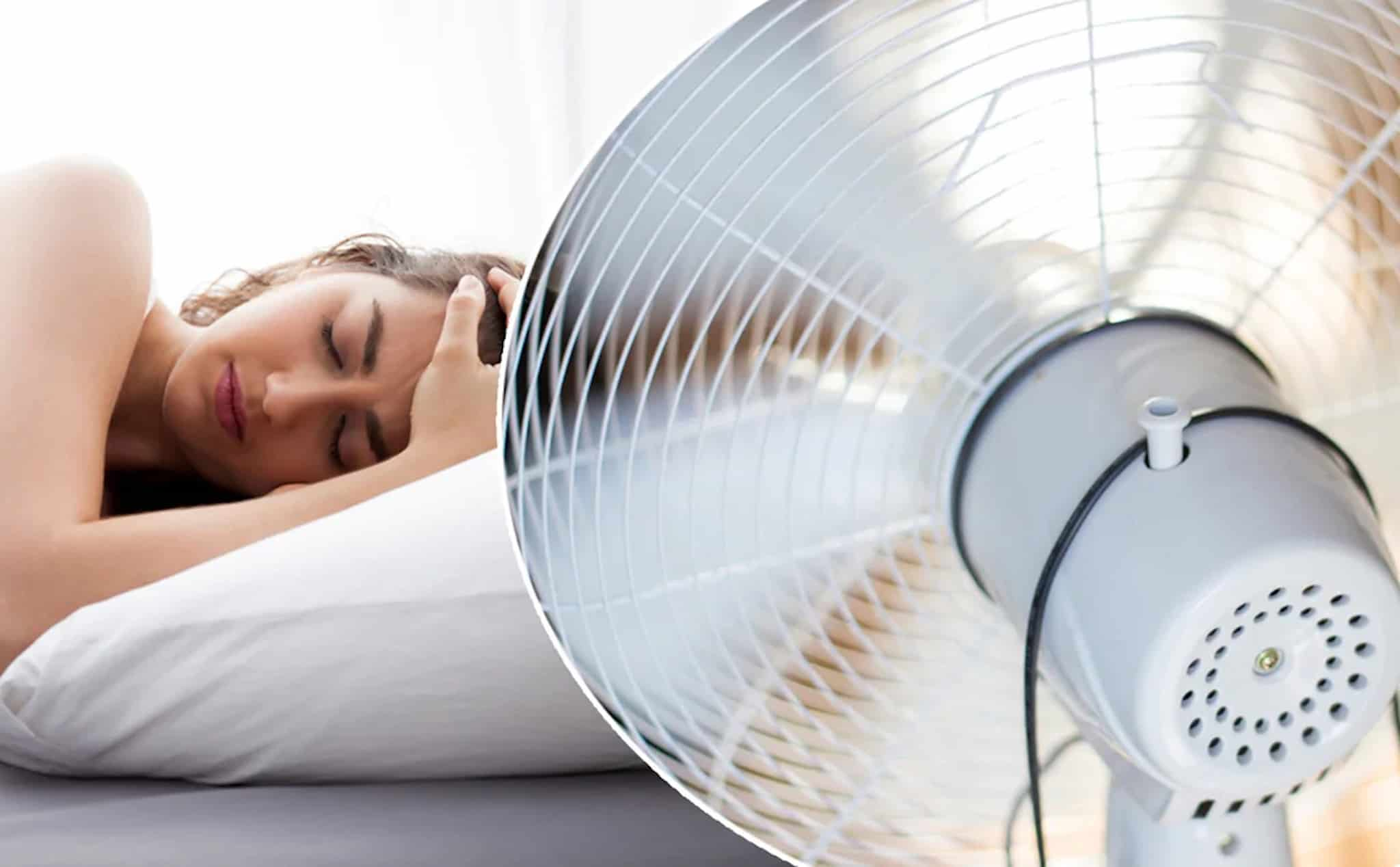
Even if it feels comfortable at first, a fan can:
- Change temperature unevenly
- Cause you to wake up feeling too cold
Result:
Interrupted or less restful sleep.
5. Potential Impact on Respiratory Health
For some individuals—especially those with:
- Asthma
- Sinus issues
- Chronic allergies
A fan can worsen symptoms due to airborne particles and dryness.
6. Not Everyone Is Affected the Same Way
This is important.
👉 For many people, sleeping with a fan is completely fine.
The risk depends on:
- Room cleanliness
- Fan direction
- Individual sensitivity
7. How to Use a Fan More Safely
If you don’t want to give it up, you don’t have to.
Smart adjustments:
- Don’t point the fan directly at your face or body
- Clean the fan regularly (blades collect dust)
- Keep your room clean and ventilated
- Use a timer instead of running it all night
- Combine with natural ventilation (open windows if safe)
8. When You Should Be More Careful
Consider limiting fan use at night if you:
- Wake up with a dry throat regularly
- Have allergies or sinus issues
- Feel muscle stiffness in the morning
:quality(75)/cach_dung_quat_khi_ngu_thumb_feedd6b1df.JPG)
Final Take
Sleeping with a fan isn’t “dangerous” in itself - but it’s not completely harmless either.
- It can improve comfort
- But may cause irritation or discomfort in some cases
The key is not to avoid it entirely - but to use it wisely.
Because good sleep isn’t just about staying cool - it’s about creating the right environment for your body to truly rest.