If you’re over 70, Doctors Reveal That Eating Bananas Causes .... See more
One Banana a Day? Experts Explain Why This Fruit Is So Powerful
⏱️ 1 min read 27/08/2026 00:04
For many people, sleeping with a fan on is one of the easiest ways to stay comfortable during hot summer nights. The steady airflow can make a warm bedroom feel cooler, improve air circulation, and even provide soothing white noise that helps some people fall asleep faster.
But you've probably also heard warnings that sleeping with a fan on all night could be harmful. Some people believe it can cause muscle stiffness, worsen allergies, dry out the airways, or even make you sick.
So what's the truth?
Current evidence suggests that sleeping with a fan is generally safe for most healthy adults and may even improve sleep quality during hot weather. However, there are situations where continuous airflow may contribute to discomfort or worsen certain medical conditions.
Understanding both the benefits and the potential drawbacks can help you decide what's best for your health.
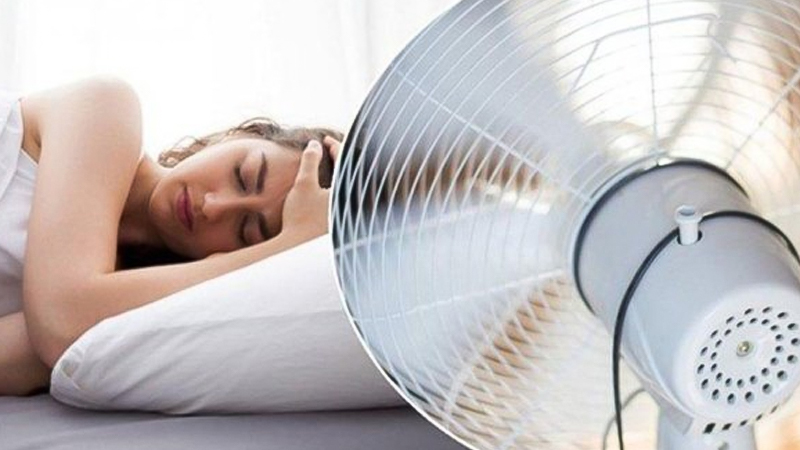
Fans don't actually lower the room's temperature.
Instead, they create moving air that increases the evaporation of sweat from your skin, helping your body cool itself more efficiently.
Many people also enjoy the constant background noise, which can mask sounds such as:
Traffic
Neighbors
Snoring
Household noises
For these reasons, fans are a popular sleep aid during warm weather.
For many individuals, using a fan at night offers several advantages.
The human body naturally lowers its core temperature before and during sleep.
A cool sleeping environment may help support this process.
Using a fan may:
Improve comfort during hot nights
Reduce overheating
Help maintain a more comfortable sleep temperature
However, if the room itself is extremely hot—particularly during a heat wave—a fan alone may not provide enough cooling.
Many people report sleeping better with a fan because it helps reduce discomfort from heat.
When you're less likely to wake up feeling hot and sweaty, your sleep may become:
Longer
Less interrupted
More refreshing
Individual experiences vary, and not everyone finds airflow comfortable.
The steady hum of a fan acts as a form of white noise.
For some people, this helps block out environmental sounds such as:
Barking dogs
Street traffic
Conversations
Household appliances
White noise may make it easier for some individuals to fall asleep, although research findings are mixed and personal preference plays a significant role.
In humid climates, moving air can improve comfort by helping sweat evaporate more effectively.
This may reduce the sticky sensation many people experience on warm nights.
Although fans are generally safe, they may not be ideal for everyone.
Here are some situations where they may contribute to discomfort.
Continuous airflow directed toward the face may increase evaporation of moisture.
Some people wake up with:
Dry eyes
Dry mouth
Scratchy throat
Nasal irritation
People who wear contact lenses or have conditions such as dry eye syndrome may notice these symptoms more easily.
Pointing the fan away from your face or using a lower speed may help reduce discomfort.
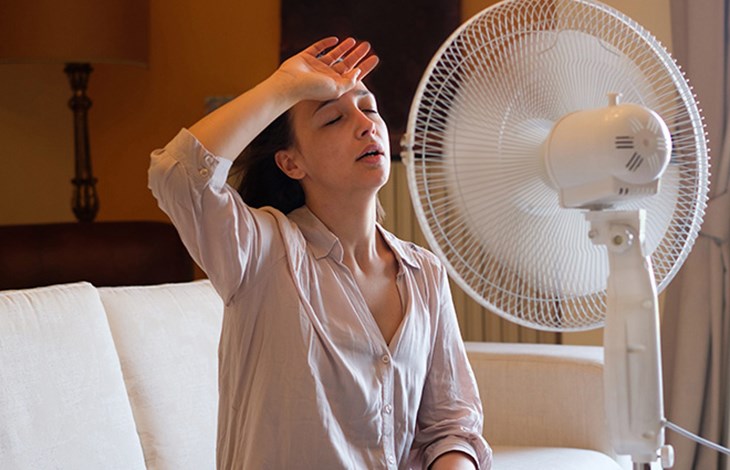
Fans do not create allergens, but they may circulate airborne particles already present in the room.
These may include:
Dust
Pet dander
Pollen that has entered through open windows
For people with allergies or asthma, this circulating air may contribute to symptoms such as:
Sneezing
Runny nose
Nasal congestion
Itchy eyes
Regularly cleaning fan blades and maintaining a clean sleeping environment may help minimize this issue.
Some people report waking with:
Neck stiffness
Shoulder tightness
Mild muscle discomfort
There is limited scientific evidence showing that fans directly cause muscle pain.
However, prolonged exposure to cool air may contribute to muscle tension in some individuals, especially if airflow is concentrated on one area of the body for many hours.
Changing the fan's direction or reducing its speed may improve comfort.
People with naturally dry or sensitive skin may notice:
Increased dryness
Tight skin
Mild irritation
This is more likely if the airflow is strong and continuous throughout the night.
Using a moisturizer before bed may help reduce dryness.
Ironically, airflow may sometimes contribute to nasal symptoms.
Dry air can irritate the nasal lining, prompting the body to produce extra mucus.
This may leave some people waking up with:
Stuffy nose
Congestion
Mild sinus discomfort
Not everyone experiences this effect.
No.
A fan does not cause viral illnesses such as the common cold or influenza.
Colds are caused by viruses, which spread through respiratory droplets and close contact with infected individuals.
However, cool moving air may make an existing sore throat or nasal irritation feel worse, leading some people to believe the fan caused their illness.
Possibly—but indirectly.
If dust accumulates on fan blades, turning on the fan may circulate these particles through the room.
To reduce this risk:
Dust the fan regularly.
Wash bedding frequently.
Vacuum carpets and upholstery.
Use air filters if recommended.
Good indoor air quality benefits everyone, especially those with allergies.
Fans can improve comfort in warm weather, but their effectiveness depends on the surrounding temperature.
In extremely hot conditions, especially when indoor temperatures become very high, a fan alone may not prevent heat-related illness.
Public health agencies often recommend additional cooling strategies, such as:
Staying hydrated
Closing curtains during the day
Using air conditioning if available
Spending time in cooled public spaces
Wearing lightweight clothing
Older adults, infants, and people with chronic medical conditions are particularly vulnerable to heat.
Some people may be more sensitive to continuous airflow.
These include individuals with:
Asthma
Seasonal allergies
Chronic sinus problems
Dry eye syndrome
Sensitive skin
Certain chronic respiratory conditions
This does not necessarily mean they should avoid fans altogether, but they may benefit from adjusting airflow or discussing symptoms with a healthcare provider.
If you enjoy sleeping with a fan, these simple strategies may help maximize comfort.
Instead of aiming the fan directly at your face or body, angle it toward the room to circulate air more gently.
Dust and pet hair can collect on fan blades over time.
Regular cleaning helps improve air quality.
Hot weather increases fluid loss through sweating.
Drinking enough water throughout the day supports healthy hydration.
Sleep experts generally recommend a cool—but not excessively cold—sleeping environment for most adults.
If you frequently wake up with dry eyes or a dry throat, a humidifier may improve comfort in dry indoor environments.
False.
Pneumonia is caused by infections or, less commonly, other medical conditions—not by sleeping with a fan.
False for most healthy adults.
A fan helps your body lose heat more efficiently, but it does not usually cause dangerous drops in body temperature under normal conditions.
False.
Many people sleep comfortably with a fan and experience no health problems.
Whether a fan is right for you depends on your personal comfort, medical conditions, and sleeping environment.
Consider discussing your symptoms with a healthcare professional if you consistently experience:
Persistent dry eyes
Chronic nasal congestion
Frequent nighttime coughing
Worsening asthma symptoms
Ongoing muscle pain
Sleep disruption despite adjusting the fan
These symptoms may have causes unrelated to the fan and deserve proper evaluation.
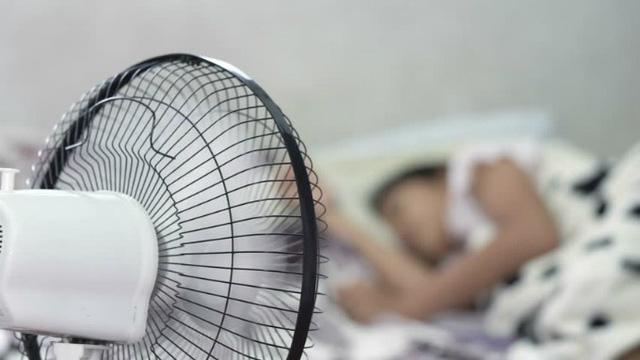
Sleeping with a fan on is generally safe for most healthy people and can make hot nights more comfortable by improving airflow and helping the body cool itself. Many people also find that the steady sound of a fan promotes better sleep by masking background noise.
However, fans are not without potential drawbacks. Direct airflow may contribute to dry eyes, nasal irritation, dry skin, or mild muscle discomfort in some individuals, and circulating dust or pet dander may aggravate allergies or asthma. These effects are usually manageable by adjusting the fan's direction, cleaning it regularly, and maintaining a comfortable sleeping environment.
Rather than avoiding fans altogether, consider your own comfort, health conditions, and room temperature. If you experience persistent symptoms that you suspect are related to nighttime airflow, consult a healthcare professional to determine whether another underlying issue may be contributing.
One Banana a Day? Experts Explain Why This Fruit Is So Powerful
These Vitamin B12 Deficiency Symptoms Are Easy to Miss
Don’t Ignore These 20 Possible Warning Signs of Cancer
Sharing a roof for two decades typically implies a foundation of deep shared memories, inside jokes, and an intuitive understanding of one another. Yet, for a surprising number of modern households, the reality of long-term cohabitation looks very differe
While often overlooked or considered an unconventional ingredient in many Western cuisines, chicken feet are celebrated as a prized culinary delicacy across much of Asia, Latin America, and parts of Europe. Beyond their unique texture and rich flavor when
Kidney stones and severe urinary issues are conditions most commonly associated with adults, making it deeply alarming when medical cases emerge involving young children. Recently, the puzzling case of a 9-year-old boy diagnosed with painful kidney stones
10 Early Warning Signs of Fatty Liver That Shouldn’t Be Ignored
Many people dismiss minor injuries—such as a tiny kitchen nick, a scraped knee, or an itchy insect bite—as everyday nuisances that will heal entirely on their own. While healthy bodies are remarkably adept at repairing minor skin damage, medical profe

In an era where wellness trends and viral headlines often promise simple dietary hacks for longevity, claims surrounding "miracle foods" that can single-handedly ward off complex diseases are widespread. Among the most common queries are whether a specifi

Want to Protect Your Heart? Start by Taking This Out of Your Home


Ways to Soothe a Cough and Support Clearer Breathing

🍳 What Happens When You Eat Eggs Every Morning? Doctors Explain…

❤️ Feeling Your Heartbeat While Lying Down? Here’s What It Could Mean…

A simple sleeping position may offer surprising benefits for your body.
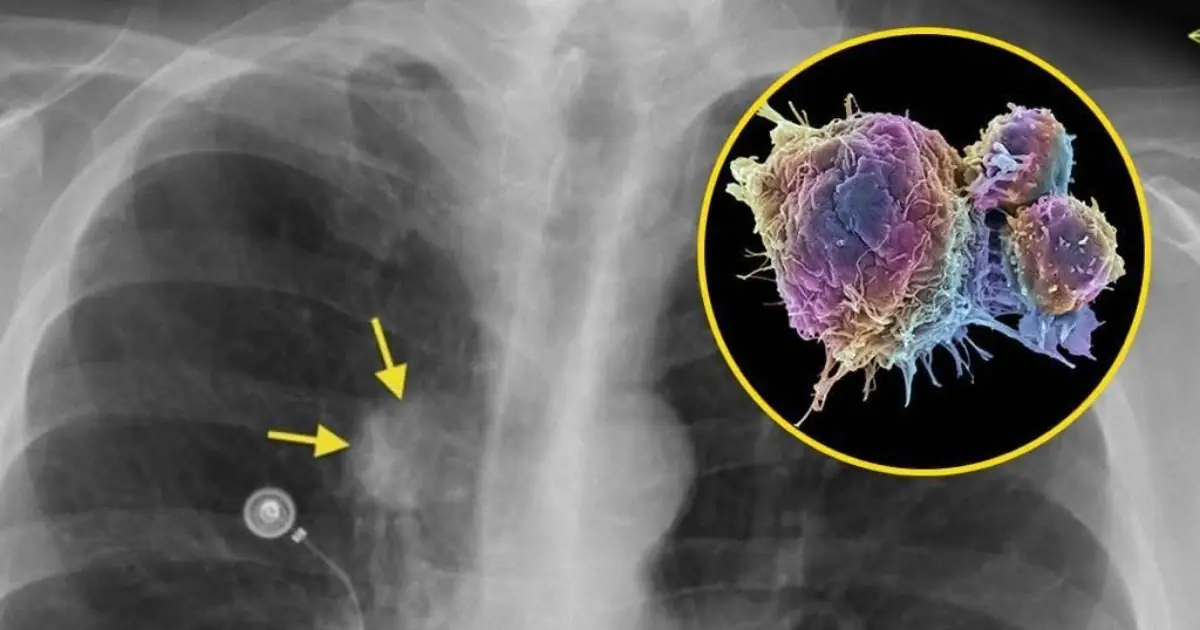
Recognizing unusual symptoms early may help prompt timely medical care.

If You See This Type of Chicken, Doctors Advise You to Throw It Out Immediately

Could Lemon Water Help Blo:od Pressure? He Tried It for 2 Years and the Outcome Was Unexpected
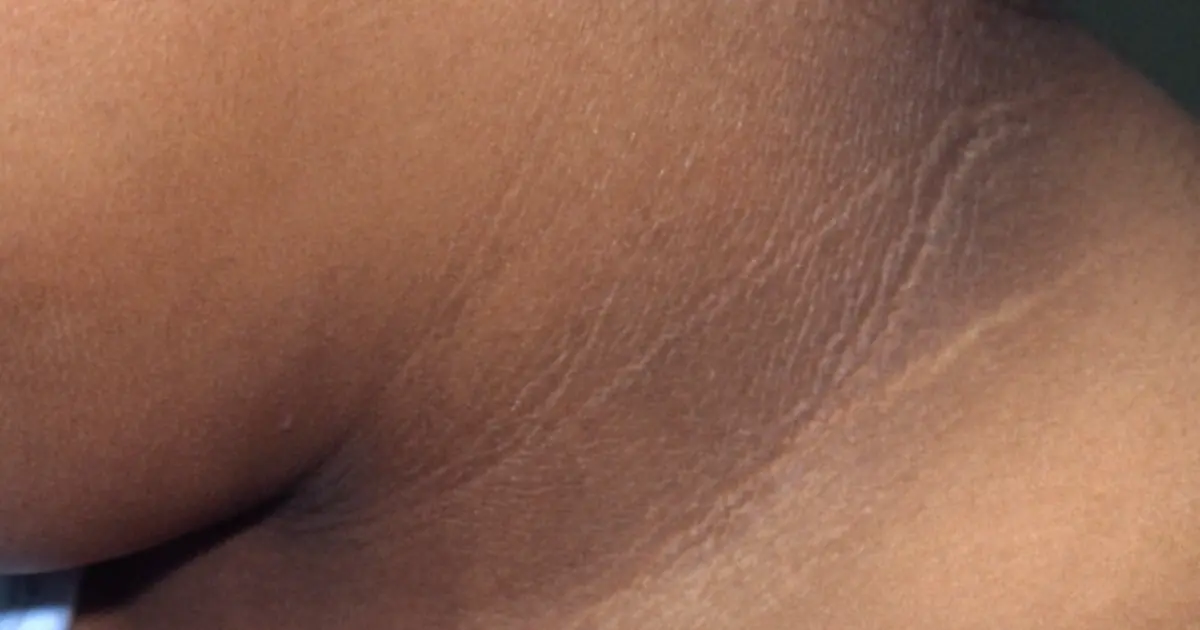
🚨 9 Signs Your Blood Sugar May Be Trying to Tell You Something…
One Banana a Day? Experts Explain Why This Fruit Is So Powerful
These Vitamin B12 Deficiency Symptoms Are Easy to Miss
Don’t Ignore These 20 Possible Warning Signs of Cancer
Sharing a roof for two decades typically implies a foundation of deep shared memories, inside jokes, and an intuitive understanding of one another. Yet, for a surprising number of modern households, the reality of long-term cohabitation looks very differe
When we think of the Earth’s most remote and inaccessible frontiers, the Mariana Trench—plunging nearly 11,000 meters into the pitch-black abyss of the Pacific Ocean—is often imagined as a pristine sanctuary untouched by human hands. However, recent
In an era where household utility bills continue to climb, families are constantly searching for practical ways to cut back on energy consumption. While turning off lights and adjusting thermostats have become second nature, a silent culprit continues to
While often overlooked or considered an unconventional ingredient in many Western cuisines, chicken feet are celebrated as a prized culinary delicacy across much of Asia, Latin America, and parts of Europe. Beyond their unique texture and rich flavor when
Kidney stones and severe urinary issues are conditions most commonly associated with adults, making it deeply alarming when medical cases emerge involving young children. Recently, the puzzling case of a 9-year-old boy diagnosed with painful kidney stones
For centuries, humans have been captivated by riddles, brainteasers, and seemingly impossible questions that test the limits of logic and creativity. Whether encountered in old literature, modern social media feeds, or psychological aptitude tests, these
10 Early Warning Signs of Fatty Liver That Shouldn’t Be Ignored
Many people dismiss minor injuries—such as a tiny kitchen nick, a scraped knee, or an itchy insect bite—as everyday nuisances that will heal entirely on their own. While healthy bodies are remarkably adept at repairing minor skin damage, medical profe
In a fast-paced world dominated by constant consumption and digital noise, our homes often mirror the chaos of our daily lives. Piles of unused items, crowded counters, and overflowing closets can silently drain our energy. However, a growing movement tow
In an era where wellness trends and viral headlines often promise simple dietary hacks for longevity, claims surrounding "miracle foods" that can single-handedly ward off complex diseases are widespread. Among the most common queries are whether a specifi
Want to Protect Your Heart? Start by Taking This Out of Your Home
When Dogs Chase Strangers, There May Be More Behind It Than You Think