If you’re the kind of person who can’t drift off unless your feet are wrapped up like cozy little burritos, you’re not strange at all—in fact, your
body might know something others don’t. Sleeping with socks on is one of those habits people either swear by or completely reject. But
beyond personal preference, there’s real science behind what happens when you wear socks to bed.
Surprisingly, this simple habit affects far more than just how warm your feet feel. It influences how fast you fall asleep, how deeply you rest,
how your circulation works, and even how well your body regulates temperature overnight.
Let’s take a closer look at what actually happens when you sleep with socks on and why it might be one of the easiest ways to improve your
sleep.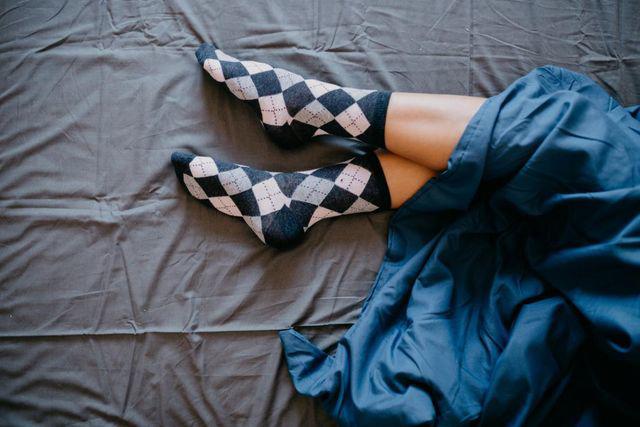
1. You Fall Asleep Faster
This is the most well-documented benefit.
To fall asleep, your body needs to lower its core temperature slightly. One of the fastest ways to make that happen is by warming your hands
and feet. When your feet are warm, blood vessels expand—a process known as vasodilation—which allows heat to escape from the body
more efficiently.
In simple terms:
Warm feet send a signal to your brain that it’s time to sleep.
Multiple studies have shown that people who wear socks fall asleep up to 15 minutes faster and experience fewer nighttime awakenings.
2. Your Sleep Becomes Deeper and More Stable
Once asleep, warm feet help keep you there.
Vasodilation improves blood circulation and helps your body maintain a stable internal temperature throughout the night. This reduces the
chances of drifting into lighter sleep stages or waking up suddenly due to feeling cold.
If you often wake up around 3 or 4 a.m. feeling chilly, wearing socks can make a noticeable difference by keeping your sleep cycles more
consistent and uninterrupted.
3. Cold Feet and Insomnia Don’t Mix
Cold feet can keep your nervous system in a semi-alert state. Instead of fully relaxing, your body stays slightly tense—making it harder to fall
asleep and stay asleep.
People with cold feet often experience:
-
Tossing and turning
-
Difficulty falling asleep
-
Light, fragmented sleep
Warm feet help calm the nervous system, allowing your body to fully shift into rest mode.
4. Relief for People with Raynaud’s Syndrome
For individuals with Raynaud’s syndrome—where fingers and toes become numb, pale, or painful in response to cold—sleeping with socks
can be especially helpful.
Wearing socks at night:
-
Prevents sudden temperature drops
-
Reduces nighttime attacks
-
Minimizes pain and numbness
It’s one of the simplest, non-medicated ways to manage symptoms while sleeping.
5. Fewer Night Sweats and Hot Flashes
This sounds counterintuitive, but warming your feet can actually help prevent overheating.
Your feet play a key role in temperature regulation. When they’re warm, your body doesn’t need to overcompensate elsewhere. This can
reduce sudden temperature spikes that lead to night sweats or hot flashes—especially during menopause, hormonal changes, or periods of
stress.
Warm feet help stabilize your internal thermostat instead of throwing it off balance.
6. Better Circulation Overnight
If you have poor circulation—whether from sitting too much, stress, aging, or certain health conditions—keeping your feet warm improves blood flow throughout the body.
Benefits include:
-
Less tingling or numbness
-
Reduced nighttime foot cramps
-
Fewer “pins and needles” sensations
-
Improved oxygen delivery to tissues
Think of socks as a gentle circulation booster while you sleep.
7. Softer, Healthier Feet by Morning
This one’s a bonus for anyone who cares about skincare.
Applying moisturizer before bed and wearing breathable socks helps lock in hydration overnight. The socks prevent moisture from
evaporating, leaving your feet noticeably softer and smoother by morning.
It’s an easy overnight foot treatment with zero extra effort.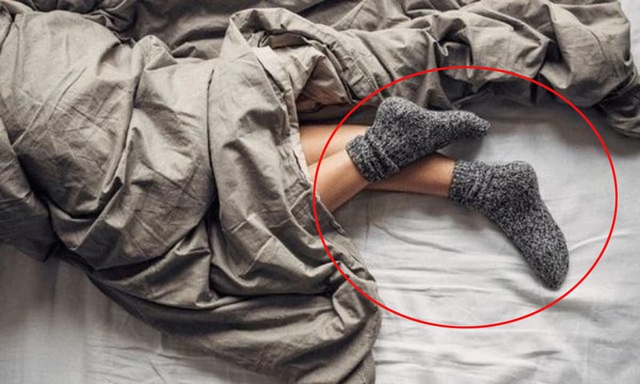
8. Fewer Cracked Heels
Dry, cracked heels often get worse at night when moisture escapes from the skin. Socks act as a protective barrier, reducing water loss and
supporting skin repair.
As an added perk, they also keep dead skin from shedding onto your bedsheets.
9. Indirect Support for Blood Sugar Stability
For people with diabetes or circulation concerns, maintaining a stable body temperature overnight can reduce sleep disruptions caused by
cold-related circulation issues.
While socks aren’t a medical treatment, they help create a safer and more comfortable sleep environment—especially for those prone to
nighttime discomfort.
10. Your Sleep Partner Will Thank You
Let’s be honest.
Nobody enjoys being jolted awake by ice-cold feet in the middle of the night. Warm socks mean warm feet—and fewer startled partners.
Sometimes sleep science also improves relationships.
Are There Any Downsides?
Yes but only if you choose the wrong socks.
Avoid:
-
Tight socks that restrict circulation
-
Synthetic fabrics that trap moisture
-
Compression socks unless prescribed by a doctor
Poor sock choices can lead to sweaty, irritated skin and bacterial growth.
Best socks for sleeping:
-
Cotton
-
Wool
-
Bamboo fiber
They should be soft, breathable, and loose-fitting. The goal is warmth - not suffocation.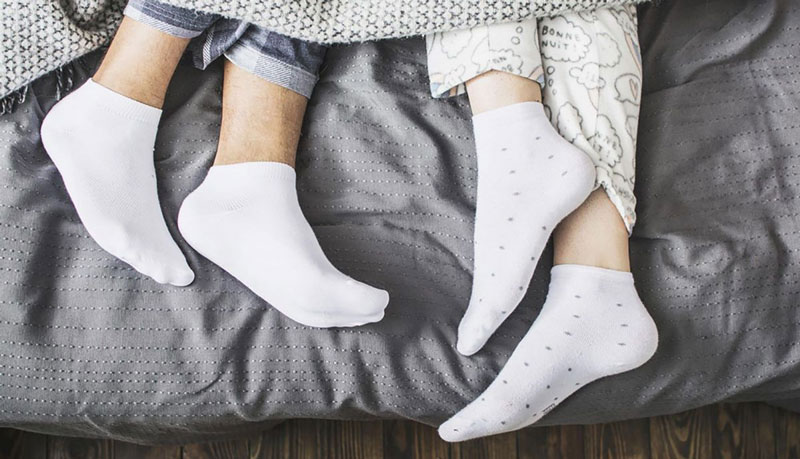
Who Should Be Cautious?
You may want to avoid sleeping with socks if you have:
-
Athlete’s foot or fungal infections
-
Open wounds on your feet
-
Severe circulation disorders
In these cases, it’s best to consult a healthcare professional.
So… Should You Sleep with Socks On?
Sleeping with socks on can be especially helpful if you:
-
Feel cold at night
-
Struggle with insomnia
-
Wake up frequently
-
Have circulation issues
-
Experience night sweats
-
Want healthier, softer feet
If you naturally sleep hot or feel uncomfortable wearing socks, sleeping barefoot may be better for you. Comfort always comes first.
Final Thoughts
Sleeping with socks on isn’t just a cozy habit—it’s supported by science. It can help you fall asleep faster, stay asleep longer, improve
circulation, reduce nighttime temperature swings, and even support skin health.
Your feet play a surprisingly important role in regulating your entire nervous system. Keep them warm, and your body relaxes more easily.