Small white bumps on the skin are a common concern that can affect people of all ages. These tiny bumps may appear on the face, around the eyes, on the cheeks, forehead, neck, or even other parts of the body. While many are harmless, they can be frustrating, especially when they affect appearance or persist for long periods.
One of the biggest mistakes people make is attempting to diagnose and remove these bumps themselves. Social media is filled with videos showing people squeezing, scraping, or using home remedies to remove white bumps. However, not all white bumps are the same, and self-treatment can sometimes lead to infection, scarring, or delayed diagnosis of an underlying condition.
Understanding what these bumps may be and when professional evaluation is appropriate - can help protect both skin health and appearance.
What Are Small White Bumps?
Small white bumps can develop for many different reasons.
Some common possibilities include:
-
Milia
-
Closed comedones (whiteheads)
-
Sebaceous hyperplasia
-
Keratin cysts
-
Skin irritation
-
Certain infections
-
Benign skin growths
Because several conditions can look similar, visual diagnosis alone is not always reliable.
Milia: One of the Most Common Causes
What Are Milia?
Milia are tiny white or yellowish bumps that form when keratin becomes trapped beneath the surface of the skin.
Keratin is a protein naturally found in:
-
Skin
-
Hair
-
Nails
Common Locations
Milia frequently appear on:
-
Eyelids
-
Under-eye area
-
Cheeks
-
Nose
-
Forehead
Who Gets Milia?
Milia can occur in:
-
Newborn babies
-
Children
-
Teenagers
-
Adults
They are extremely common and generally harmless.
Whiteheads (Closed Comedones)
Another common cause of small white bumps is whiteheads.
How They Form
Whiteheads develop when:
-
Oil
-
Dead skin cells
-
Debris
become trapped inside pores.
Typical Appearance
They often look like:
-
Small white bumps
-
Flesh-colored bumps
-
Slightly raised spots
Common Locations
-
Forehead
-
Chin
-
Nose
-
Jawline
Whiteheads are considered a form of acne.
Sebaceous Hyperplasia
What Is It?
Sebaceous hyperplasia occurs when oil glands enlarge.
Appearance
The bumps may appear:
-
White
-
Yellowish
-
Flesh-colored
Often with a small indentation in the center.
Commonly Affected Areas
-
Forehead
-
Nose
-
Cheeks
This condition becomes more common with age.
Keratin Cysts and Other Benign Growths
Some white bumps may actually be tiny cysts.
Characteristics
These bumps are often:
-
Firm
-
Slow-growing
-
Painless
Although usually harmless, diagnosis should be confirmed by a healthcare professional.
Why Self-Diagnosis Can Be Risky
Many skin conditions look surprisingly similar.
A bump that appears harmless may actually represent:
-
A cyst
-
An infection
-
An inflammatory condition
-
Another skin disorder
Without proper examination, it can be difficult to determine the true cause.
Why You Should Avoid Squeezing White Bumps
Many people are tempted to squeeze or pick at white bumps.
Potential Problems
Doing so may cause:
-
Skin irritation
-
Infection
-
Bleeding
-
Scarring
-
Dark spots
-
Delayed healing
The Eye Area Is Especially Sensitive
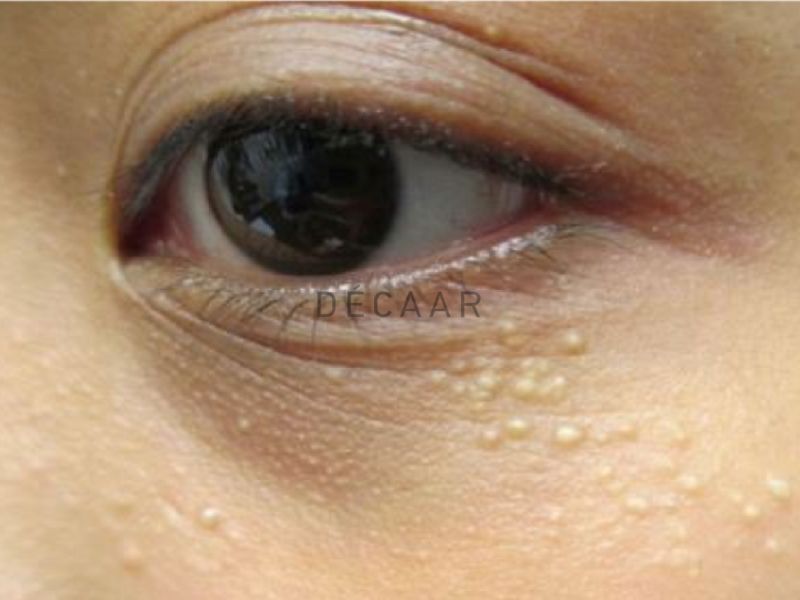
Bumps around the eyes should never be aggressively manipulated at home.
The skin in this region is thin and delicate.
Home Remedies That Can Cause Harm
The internet offers countless suggestions for removing skin bumps.
Some involve:
-
Sharp tools
-
Needles
-
Scraping devices
-
Harsh chemicals
-
Abrasive treatments
Possible Consequences
Improper use can result in:
-
Permanent scars
-
Burns
-
Secondary infections
-
Skin discoloration
Natural does not always mean safe.
Signs That Professional Evaluation Is Recommended
Although many white bumps are harmless, certain changes warrant medical attention.
Rapid Growth
A bump that enlarges quickly should be examined.
Pain or Tenderness
Most benign white bumps are painless.
Pain may suggest inflammation or infection.
Redness
Persistent redness can indicate irritation or an underlying skin condition.
Drainage
Any bump that leaks fluid or pus should be evaluated.
Bleeding
Unexplained bleeding deserves medical attention.
Changes in Appearance
Noticeable changes in shape, color, or texture should not be ignored.
How Dermatologists Diagnose White Bumps
A dermatologist typically begins with:
Visual Examination
Many conditions can be recognized through careful inspection.
Magnified Skin Evaluation
Special instruments may provide a closer view.
Additional Testing
In rare situations, further evaluation may be necessary.
This could include:
-
Skin scraping
-
Biopsy
-
Laboratory testing
Professional Treatment Options
Treatment depends entirely on the underlying cause.
Milia Removal
Dermatologists may use:
-
Sterile extraction techniques
-
Specialized instruments
-
Controlled procedures
Acne Treatments
Whiteheads may respond to:
-
Retinoids
-
Salicylic acid
-
Benzoyl peroxide
-
Prescription medications
Cyst Management
Some cysts may require:
-
Drainage
-
Removal
-
Monitoring
Sebaceous Hyperplasia Treatments
Options may include:
-
Laser treatments
-
Electrocautery
-
Other dermatologic procedures
Skin Care Habits That May Help
Although not all white bumps can be prevented, healthy skin habits may reduce risk.
Cleanse Gently
Use mild cleansers appropriate for your skin type.
Avoid Heavy Products
Some cosmetics and skin care products may contribute to clogged pores.
Use Sunscreen
Sun protection supports overall skin health.
Avoid Picking
Repeated manipulation increases the risk of irritation and scarring.
Follow a Consistent Routine
Healthy skin often benefits from regular care rather than aggressive treatments.
Common Myths About White Bumps
Myth 1: All White Bumps Are Pimples
Many skin conditions can resemble acne.
Myth 2: Squeezing Is the Fastest Solution
Improper extraction often creates more problems than it solves.
Myth 3: Home Remedies Are Always Safer
Some home treatments can damage the skin.
Myth 4: White Bumps Always Indicate Poor Hygiene
Most white bumps are unrelated to cleanliness.
Many occur despite excellent skin care habits.
When White Bumps Are Usually Harmless
Many common white bumps:
-
Grow slowly
-
Remain stable
-
Cause no pain
-
Do not spread rapidly
Conditions such as milia often fall into this category.
However, confirmation from a healthcare professional provides reassurance and helps guide treatment decisions.
The Importance of Professional Diagnosis
Accurate diagnosis is often the most important step.
Different skin conditions may require:
-
Different treatments
-
Different timelines
-
Different levels of concern
What appears to be a simple white bump may not always be what it seems.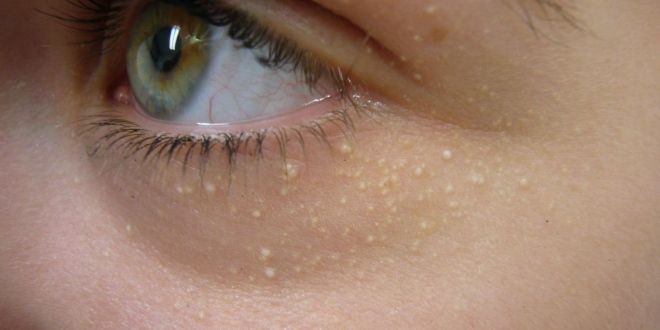
Final Thoughts
Small white bumps on the skin are extremely common and are often harmless. Conditions such as milia, whiteheads, sebaceous hyperplasia, and small cysts account for many cases. However, because these bumps can resemble one another, self-diagnosis is not always reliable.
Attempting to squeeze, scrape, or remove white bumps at home may lead to infection, scarring, and unnecessary skin damage. Persistent, painful, rapidly changing, or unusual bumps should be evaluated by a dermatologist who can provide an accurate diagnosis and recommend appropriate treatment.
When it comes to skin health, patience and professional guidance are often the safest and most effective approach.