Towels are among the most frequently used household items. From drying hands and faces to bathing and cleaning, towels play an essential role in everyday hygiene. Because they are used so often, they can quickly accumulate moisture, body oils, detergent residue, and bacteria if not washed properly.
Many people wash towels frequently, but they may not always do it in the most efficient or economical way. With the right techniques, it is possible to keep towels clean, fresh, and soft while also saving water, energy, and money.
Below are practical tips that can help improve the way towels are washed and maintained.
Why Proper Towel Washing Matters
Towels are designed to absorb water, which also means they can trap sweat, skin cells, and moisture. When towels remain damp for long periods, they can become a breeding ground for bacteria and unpleasant odors.
Regular and proper washing helps:
-
Maintain hygiene
-
Remove oils and dirt
-
Prevent musty smells
-
Extend the lifespan of towels
Taking care of towels properly not only improves cleanliness but also reduces the need for frequent replacement.

1. Wash Towels Separately
One of the simplest ways to improve towel washing efficiency is to wash them separately from other laundry items.
Towels are thicker and heavier than most clothing. When mixed with lighter fabrics, they may not rinse properly, and lint from the towels can cling to clothes.
Washing towels together helps ensure:
-
Better cleaning results
-
Proper water circulation
-
Reduced lint transfer
This approach also protects delicate clothing from damage.
2. Avoid Using Too Much Detergent
Many people believe that using more detergent will make towels cleaner. In reality, excessive detergent can have the opposite effect.
Too much detergent may leave residue in the fabric fibers, which can cause towels to become stiff, less absorbent, and more prone to odor buildup.
Using the recommended amount of detergent is usually enough to remove dirt and oils effectively.
3. Use Warm Water When Appropriate
Warm water is often effective for removing oils and bacteria from towels. However, extremely hot water is not always necessary and may increase energy consumption.
Most towels can be cleaned well using warm water cycles, which balance effective cleaning with energy efficiency.
Checking the care label on towels can help determine the best temperature settings.
4. Add Natural Cleaning Boosters
Certain household ingredients can improve towel cleaning without increasing costs.
Baking Soda
Baking soda can help neutralize odors and soften fabrics. Adding a small amount during the wash cycle may improve freshness.
White Vinegar
White vinegar can help remove detergent buildup and restore towel softness. It also helps eliminate lingering odors.
Using these simple ingredients occasionally can help maintain towel quality over time.
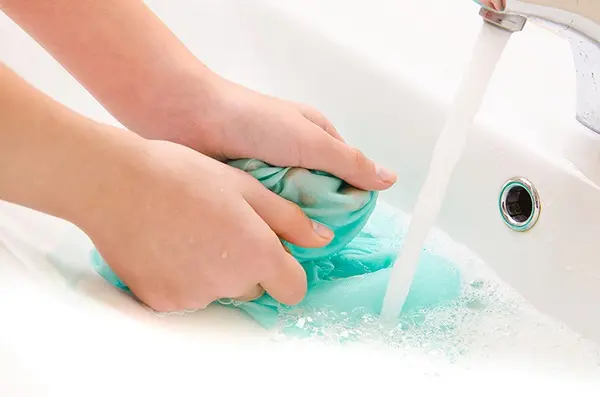
5. Do Not Overload the Washing Machine
Overloading the washing machine can prevent towels from being cleaned properly.
When the machine is too full, water and detergent cannot circulate effectively through the fabric. This may leave towels partially dirty or poorly rinsed.
Allowing enough space in the machine helps ensure:
-
Thorough cleaning
-
Better rinsing
-
Reduced wear on fabrics
A moderately filled washing machine often produces the best results.
6. Dry Towels Properly
Proper drying is just as important as washing.
Damp towels left in the washing machine for too long may develop musty odors. Towels should be dried soon after the wash cycle finishes.
Drying options include:
-
Using a clothes dryer
-
Air drying on a rack or clothesline
Air drying outdoors can help reduce energy costs and allow sunlight to naturally freshen fabrics.
7. Avoid Excessive Fabric Softener
Fabric softeners may seem helpful, but frequent use can reduce towel absorbency.
These products often coat fabric fibers with a thin layer that makes towels feel soft but less effective at absorbing water.
Using fabric softener sparingly—or avoiding it altogether—can help maintain the natural absorbency of towels.
8. Shake Towels Before Drying
A simple but often overlooked tip is to shake towels before placing them in the dryer or hanging them to dry.
Shaking helps loosen the fibers and allows air to circulate more easily during drying. This can make towels feel softer and reduce stiffness.
9. Wash Towels Regularly
The frequency of washing depends on how often towels are used.
As a general guideline:
-
Bath towels may be washed after several uses
-
Hand towels may need more frequent washing
-
Gym or sports towels should be washed after each use
Regular washing prevents bacteria buildup and keeps towels smelling fresh.
10. Store Towels in a Dry Area
Proper storage also helps maintain towel freshness.
Towels should be stored in well-ventilated areas where moisture cannot accumulate. Damp environments may cause mildew and unpleasant odors.
Ensuring that towels are completely dry before folding and storing them is essential.
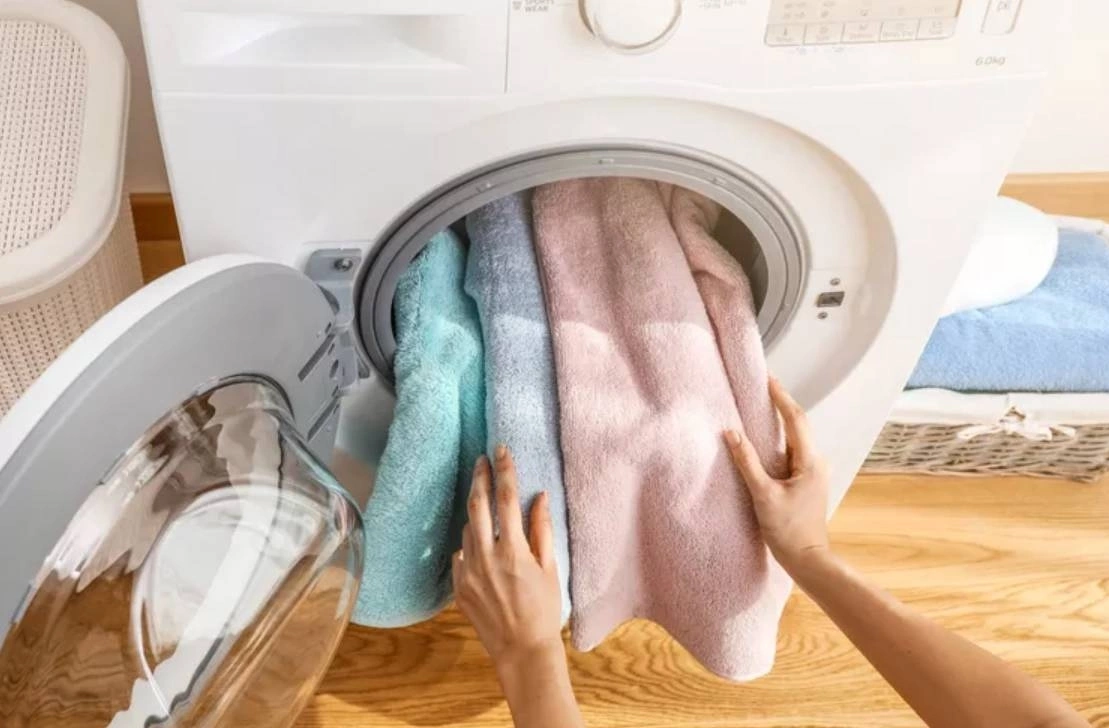
Benefits of Efficient Towel Washing
Following efficient washing practices offers several advantages.
These include:
-
Lower energy and water usage
-
Reduced detergent consumption
-
Longer lifespan for towels
-
Improved hygiene and freshness
Small changes in laundry habits can make a noticeable difference in both household costs and environmental impact.
Final Thoughts
Towels are essential everyday items that require proper care to remain clean, soft, and absorbent. By adopting practical washing habits—such as using the right amount of detergent, washing towels separately, avoiding machine overload, and drying them properly—households can maintain fresh towels while saving both money and resources.
Efficient laundry practices not only improve cleanliness but also contribute to more sustainable household routines.
Sometimes, simple adjustments to daily habits are all it takes to achieve better results with less effort and cost.