People Are Just Realizing Why Women’s Underwear Has a Bow on the Front
A Small Ribbon With a Surprisingly Interesting Story
Tips 18/06/2026 15:48
A snake bite can happen unexpectedly while hiking, gardening, farming, or even walking near your home. While not every snake is venomous, it is often impossible to know immediately whether a bite is dangerous. That's why health experts recommend treating every snake bite as a medical emergency until proven otherwise.
Knowing what to do—and what not to do—during the first few minutes after a bite may help reduce complications and improve the chances of a full recovery.
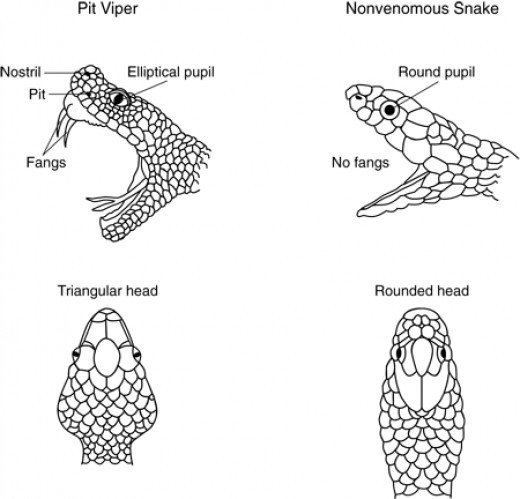
Many people assume that if pain is mild or symptoms are absent, there is no danger. However, venom from certain snakes can take time to produce noticeable effects. In some cases, symptoms may not appear for several hours.
Venomous snake bites can affect the body in different ways. Some toxins attack the nervous system, leading to muscle weakness, drooping eyelids, difficulty swallowing, or breathing problems. Others interfere with blood clotting, causing unusual bleeding or bruising. Certain venoms can also damage tissue around the bite site, leading to severe swelling and pain.
Because it is difficult to identify a snake accurately during a stressful situation, experts advise seeking medical attention immediately after any snake bite.
The first priority is safety.
Many victims suffer additional bites because they attempt to catch, kill, or photograph the snake. Instead, calmly move away from the area and put a safe distance between yourself and the animal.
Do not attempt to handle the snake, even if it appears injured or dead.
Panic can increase heart rate and blood circulation, which may allow venom to spread more quickly through the body.
Although remaining calm after a snake bite is easier said than done, slow breathing and limiting unnecessary movement can help. Focus on staying still while waiting for assistance.
Prompt medical evaluation is essential.
When contacting emergency services, try to provide:
The sooner healthcare professionals are informed, the faster appropriate treatment can begin.
Movement may accelerate the spread of venom.
If the bite is on an arm or leg, keep the limb as still as possible. Support it comfortably and avoid unnecessary walking or physical activity. Healthcare providers often recommend keeping the affected area near or slightly below heart level until medical help arrives.
Swelling can develop rapidly after a snake bite.
Remove:
Removing these items early can help prevent circulation problems if swelling becomes severe.
Watch for signs that may indicate a serious reaction.
If symptoms worsen, inform emergency personnel immediately.
Many traditional remedies have been passed down for generations, but some can actually increase the risk of complications.
One common myth suggests cutting the wound to remove venom. Medical experts strongly advise against this practice because it can cause additional tissue damage, bleeding, and infection.
Movies and television often portray people sucking venom from a bite wound. Research has shown this method is ineffective and may introduce bacteria into the wound.
Applying ice may seem logical, but it can reduce blood flow and potentially worsen tissue injury.
Tourniquets can restrict circulation and increase the risk of nerve damage, tissue death, and other serious complications.
Alcohol can interfere with judgment and may complicate medical treatment. It should be avoided after a snake bite.
Herbal treatments, chemical applications, burning the wound, or other folk remedies are not supported by scientific evidence and may delay proper care.

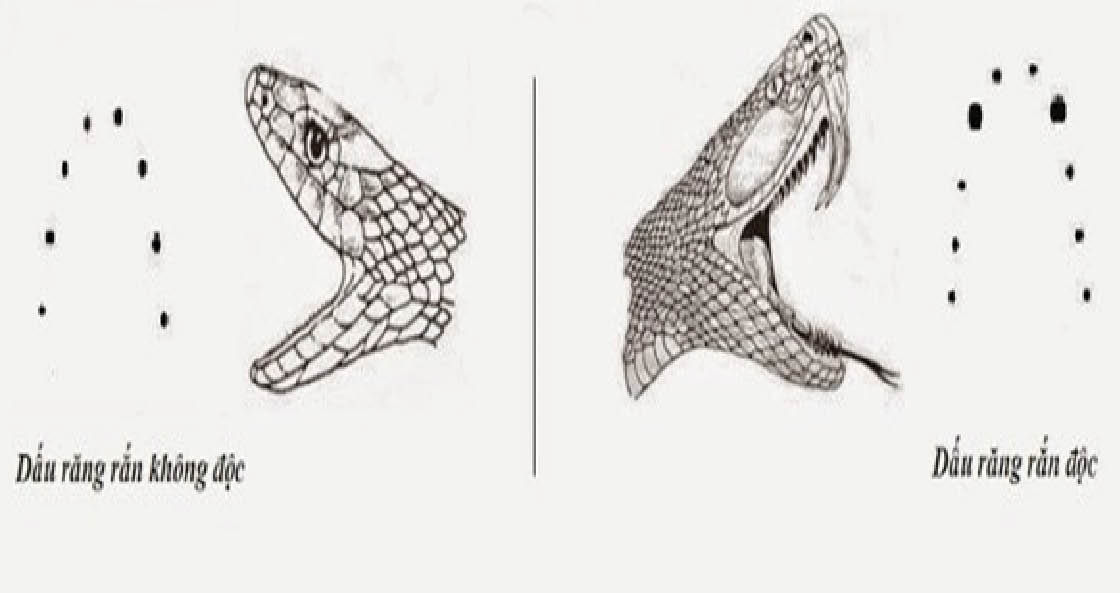
If it can be done safely, noting the snake's appearance may help healthcare professionals.
Try to remember:
A photograph taken from a safe distance may also be useful. However, never risk another bite by approaching, chasing, or attempting to capture the snake.
Medical professionals will evaluate the severity of the bite and monitor for signs of envenomation.
Treatment may include:
Antivenom is specifically designed to neutralize venom and can be lifesaving when administered promptly.
Prevention is always the best defense.
Experts recommend:
A snake bite should never be ignored. The most important actions are to move away from the snake, remain calm, limit movement, remove tight items, and seek emergency medical care as quickly as possible.
Equally important is knowing what not to do. Cutting the wound, sucking out venom, applying ice, using a tourniquet, or relying on home remedies can make the situation worse.
Fast, appropriate medical treatment remains the safest and most effective response. Understanding these simple first-aid steps could make a critical difference when every minute counts.
A Small Ribbon With a Surprisingly Interesting Story

Choose the couple that looks happiest to you and discover what your choice may reveal about your relationship style, emotional strengths, and personality traits.

Millions eat them every day, but few know the potential risks.
The Surprising Reason Tiny Flies Love Bathroom Drains
Consumer Experts Reveal 6 Products Worth Inspecting Today
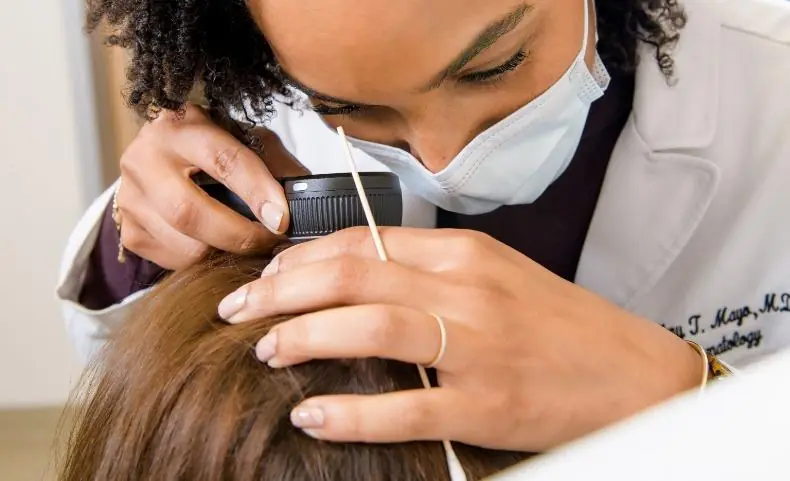
A child’s unusual scalp condition revealed an important health lesson.

Cabbage is widely regarded as a nutritious vegetable, packed with vitamins, fiber, and antioxidants.

The Surprising Secret Behind the Stripes on Hotel Towels
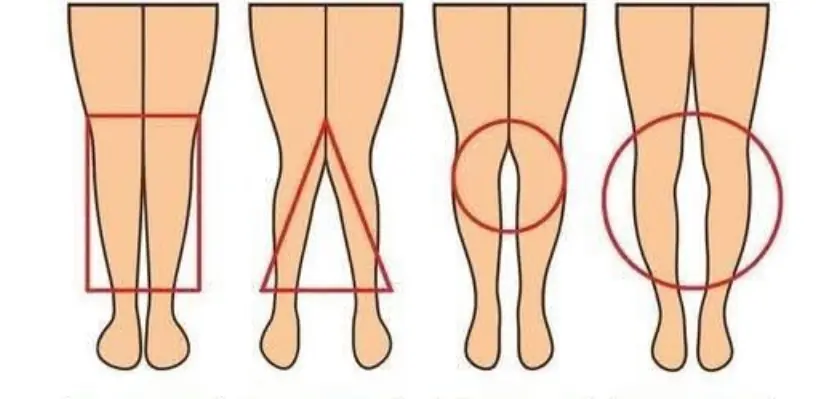
What Makes Every Pair of Legs Unique?
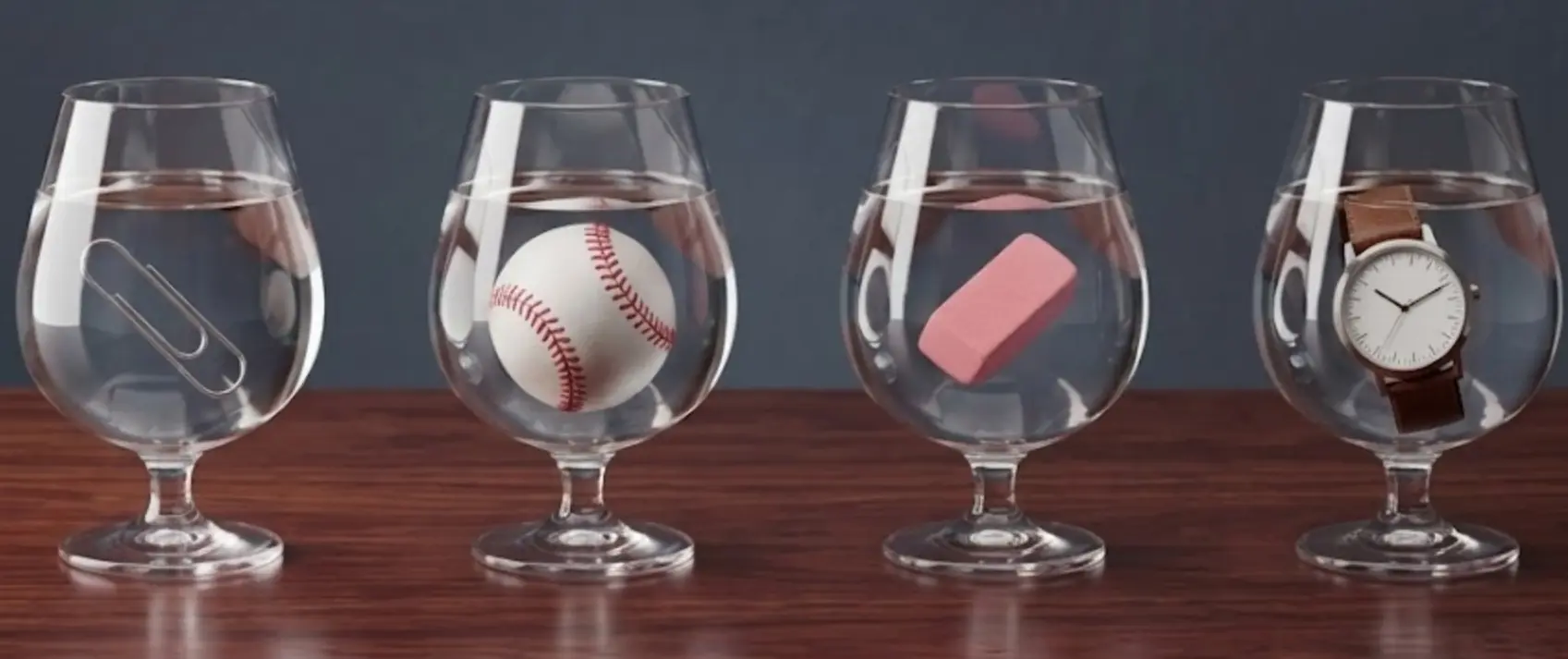
What Your Choice Says About the Way You Think
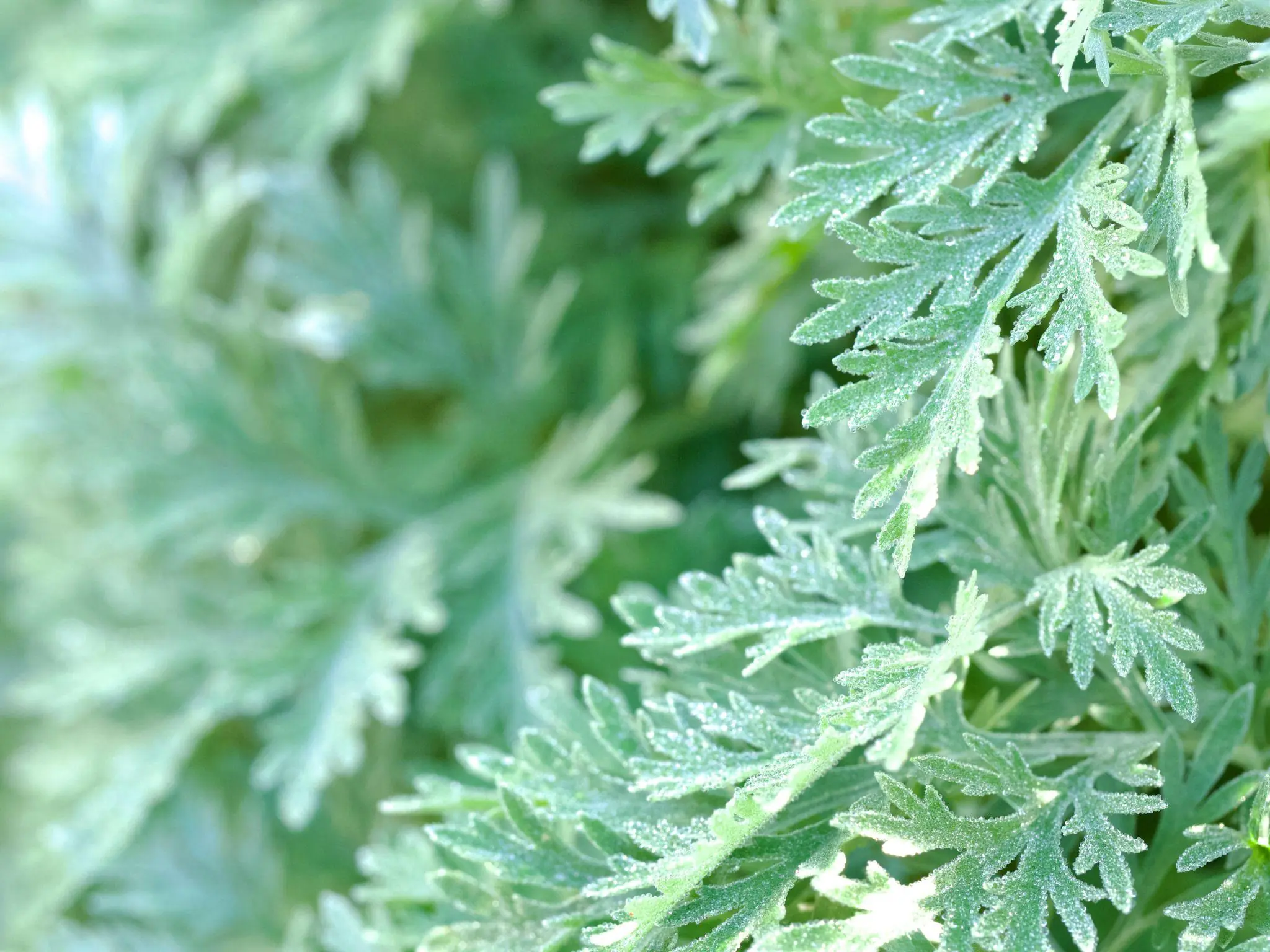
Looking for a Natural Mosquito Repellent? Start With These Plants
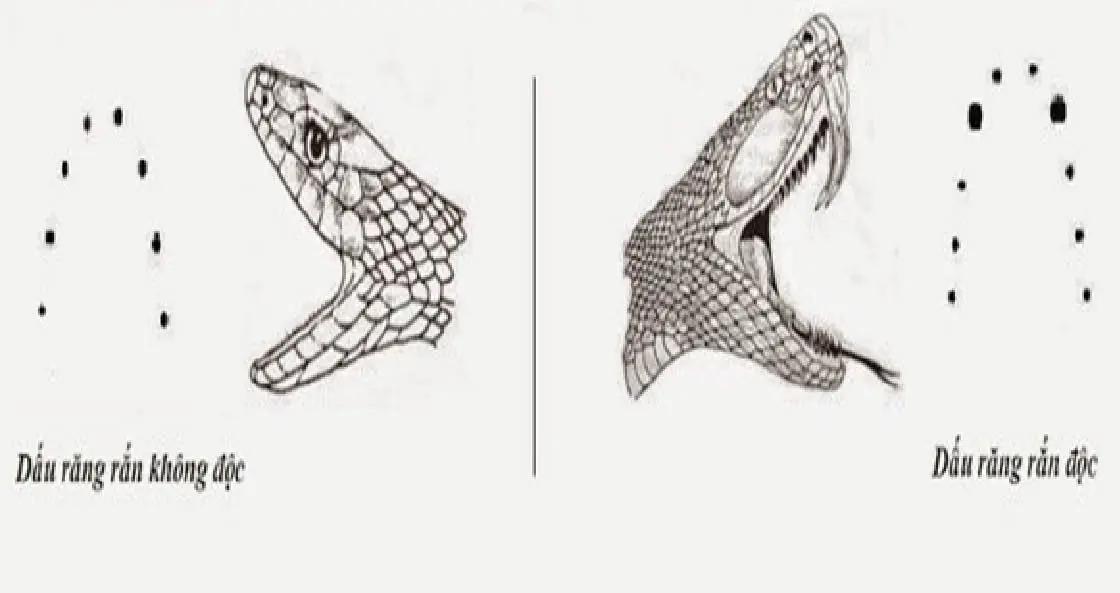
😲 What Happens After a Snake Bite? Experts Say These Early Steps Are Crucial

Some personal belongings carry memories that deserve special care.

Marriage is often described as a partnership built on trust, communication, and mutual support. For some couples, that foundation grows stronger over time. For others, hidden secrets, unspoken frustrations, and emotional distance can slowly erode even the
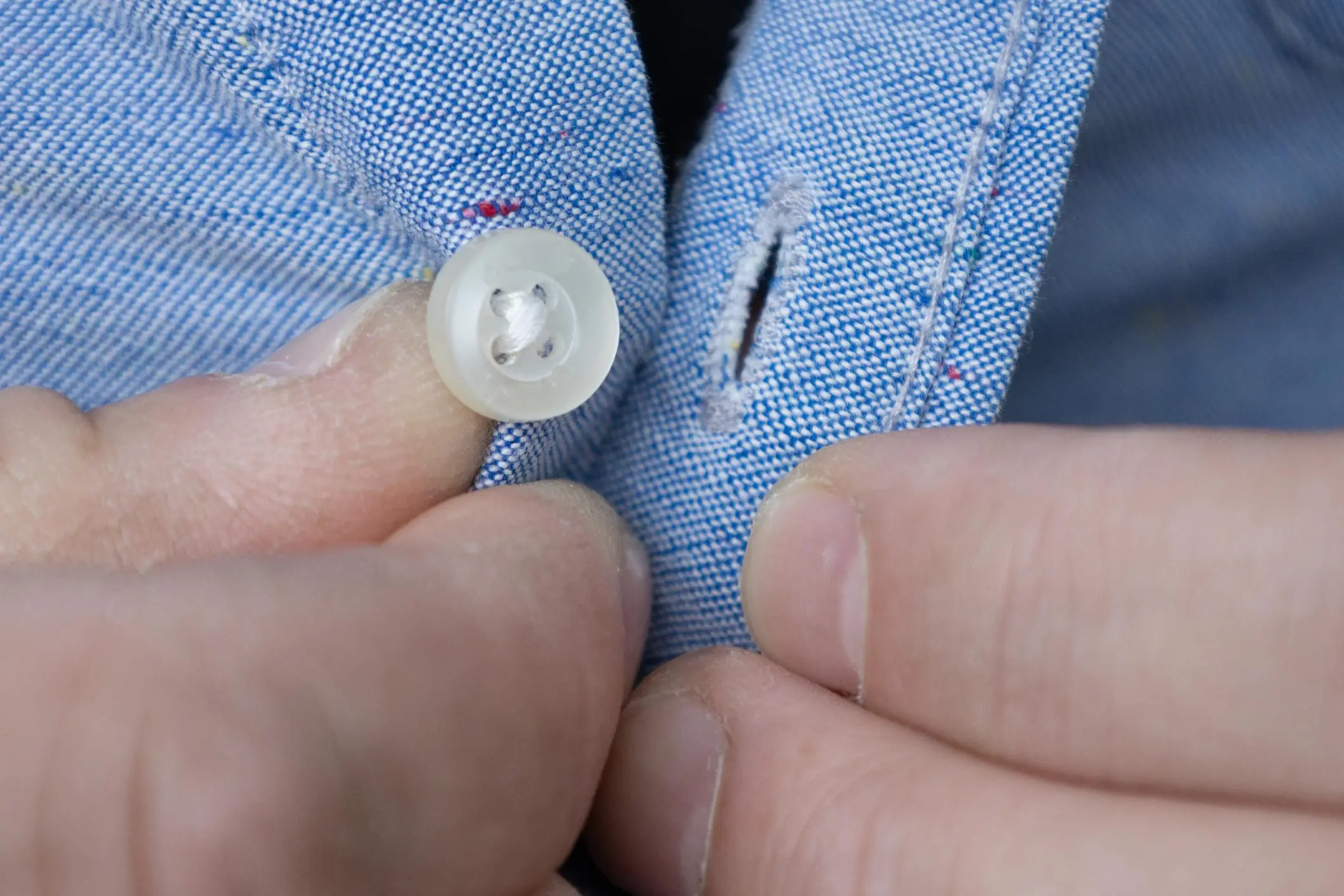
The Secret Behind Shirt Buttons That Most People Never Notice

Why Doctors Want Women to Stop Judging Their Health by Bra Size
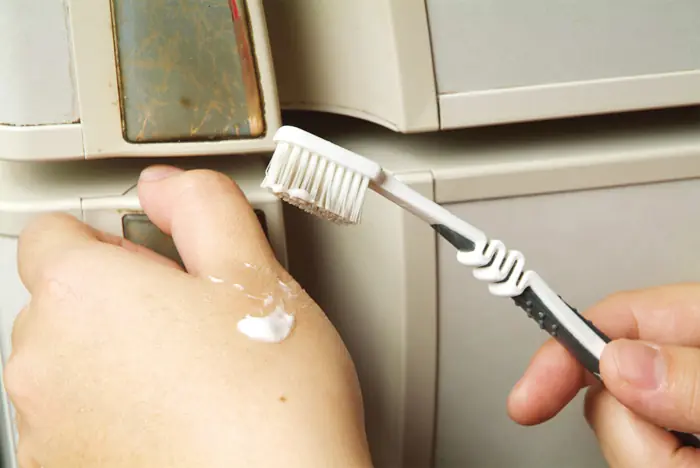
Refrigerator Gasket Covered in Mold? Here's a Simple Cleaning Tip Worth Trying

What Really Happens When You Soak Strawberries in Salt Water?
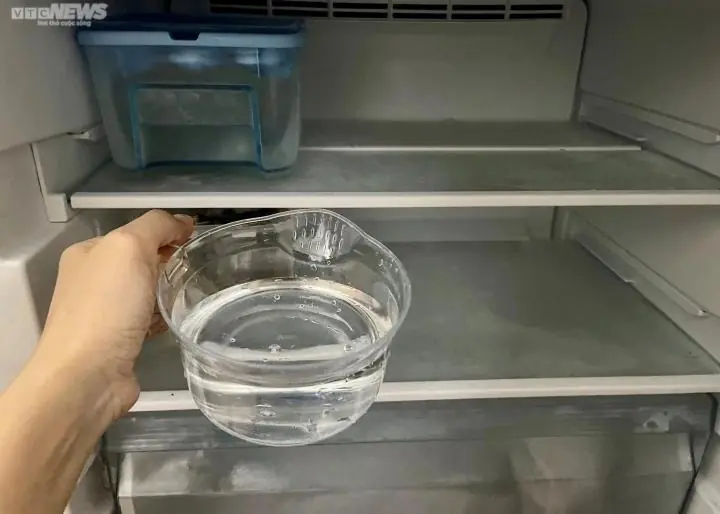
A simple fridge trick may improve efficiency and food storage conditions.
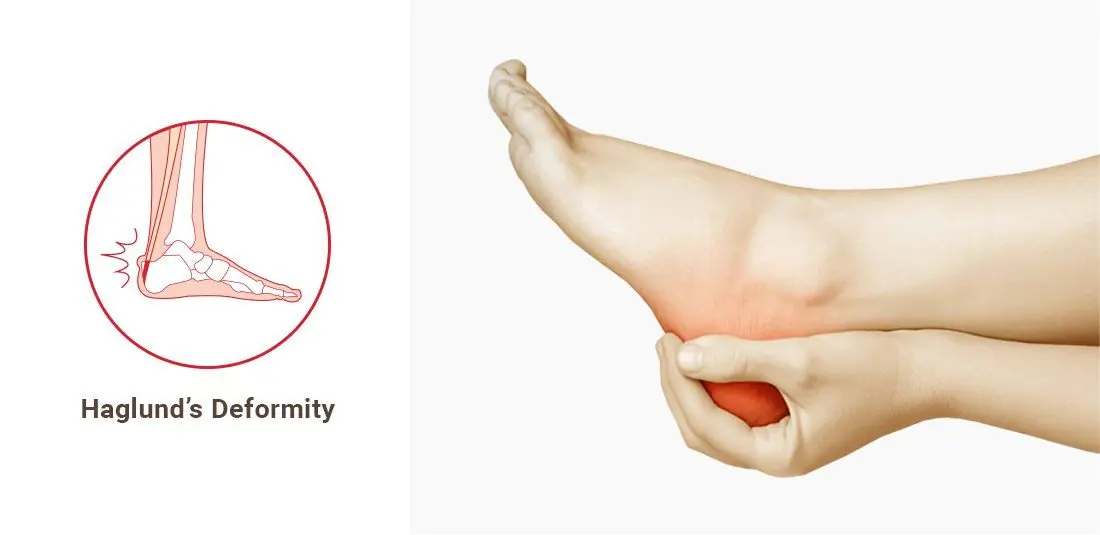
🚨 Heel Pain in the Morning or After Rest? Don't Ignore These Possible Causes 👇

A Japanese doctor shared simple habits she believed supported longevity.
What Happens When You Drink Warm Water Every Morning?
A Small Ribbon With a Surprisingly Interesting Story
🔥 Many People Love Avocados—But Few Know What They May Be Doing Inside the Body 👇
Choose the couple that looks happiest to you and discover what your choice may reveal about your relationship style, emotional strengths, and personality traits.
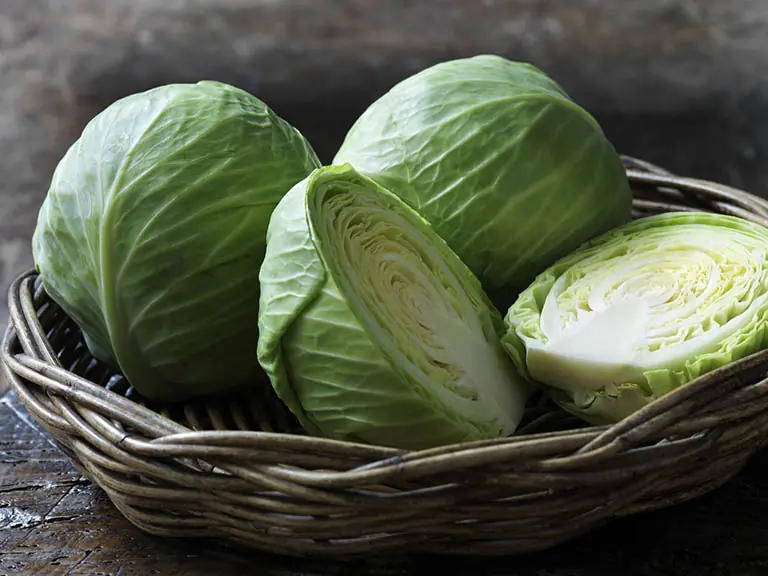
Who Should Avoid Cabbage? Experts Highlight Several Important Exceptions
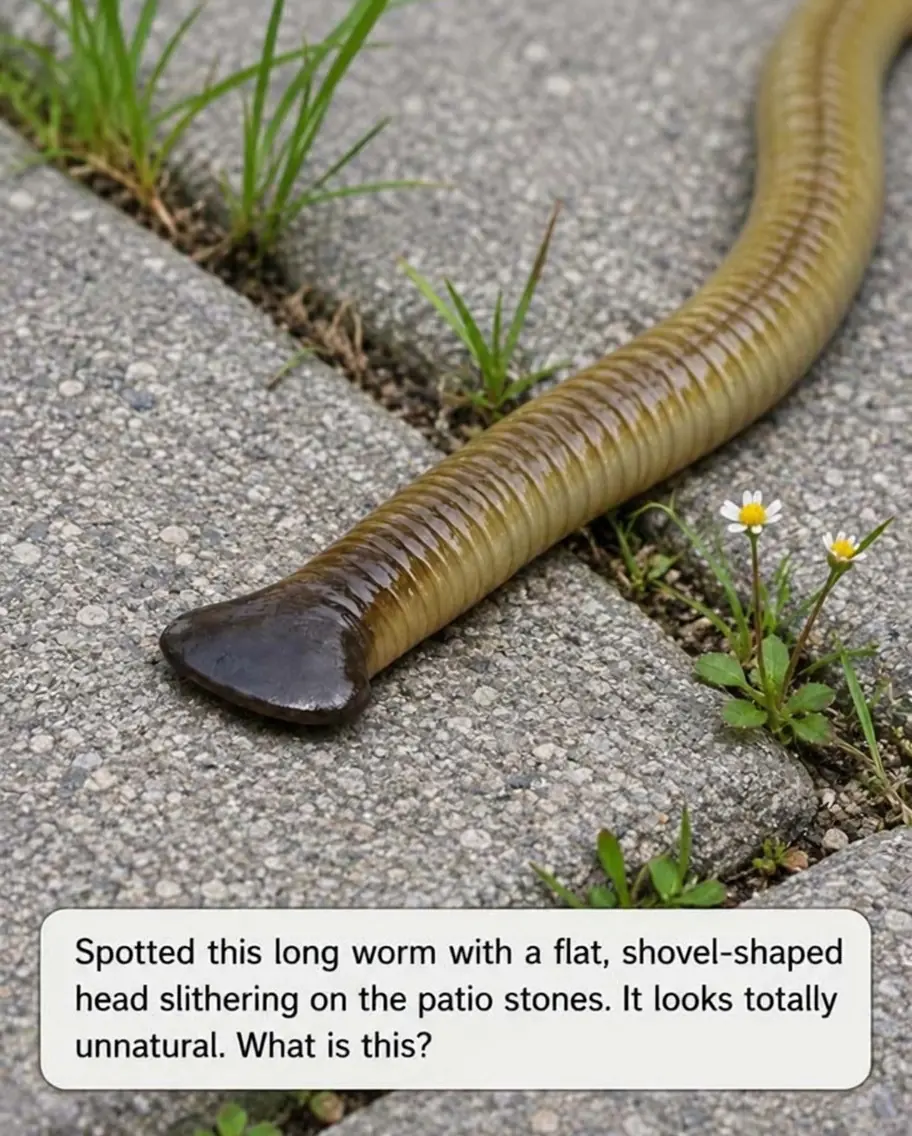
🚨 At First I Thought It Was Just a Worm—Then I Noticed Its Hammer-Shaped Head 👇

How to Choose Safer Sandals for Your Child This Summer
😲 Most People Ignore This Common Sleep Symptom—But It Could Signal These 6 Conditions 👇
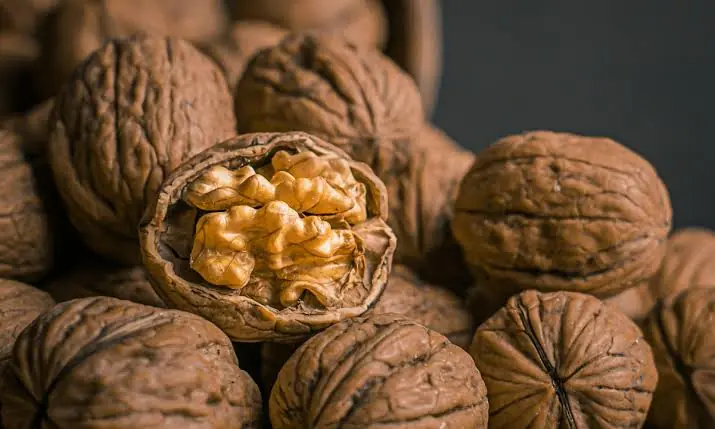
✨ A Handful of Walnuts a Day? The Health Effects May Surprise You 👇
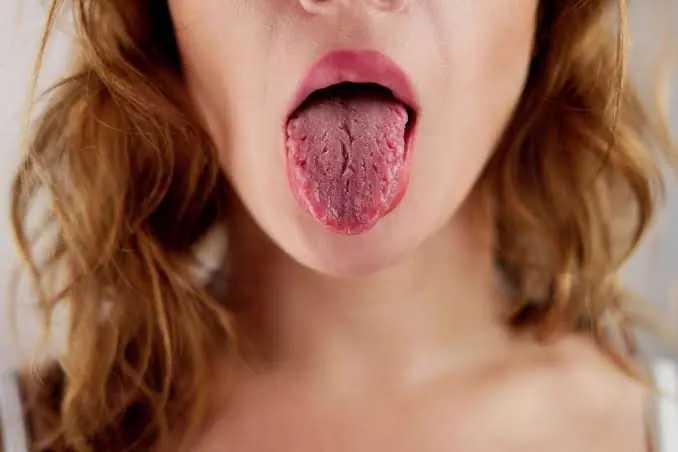
⚠️ If You Wake Up With a Dry Mouth Every Day, These 8 Hidden Factors Could Be to Blame 👇
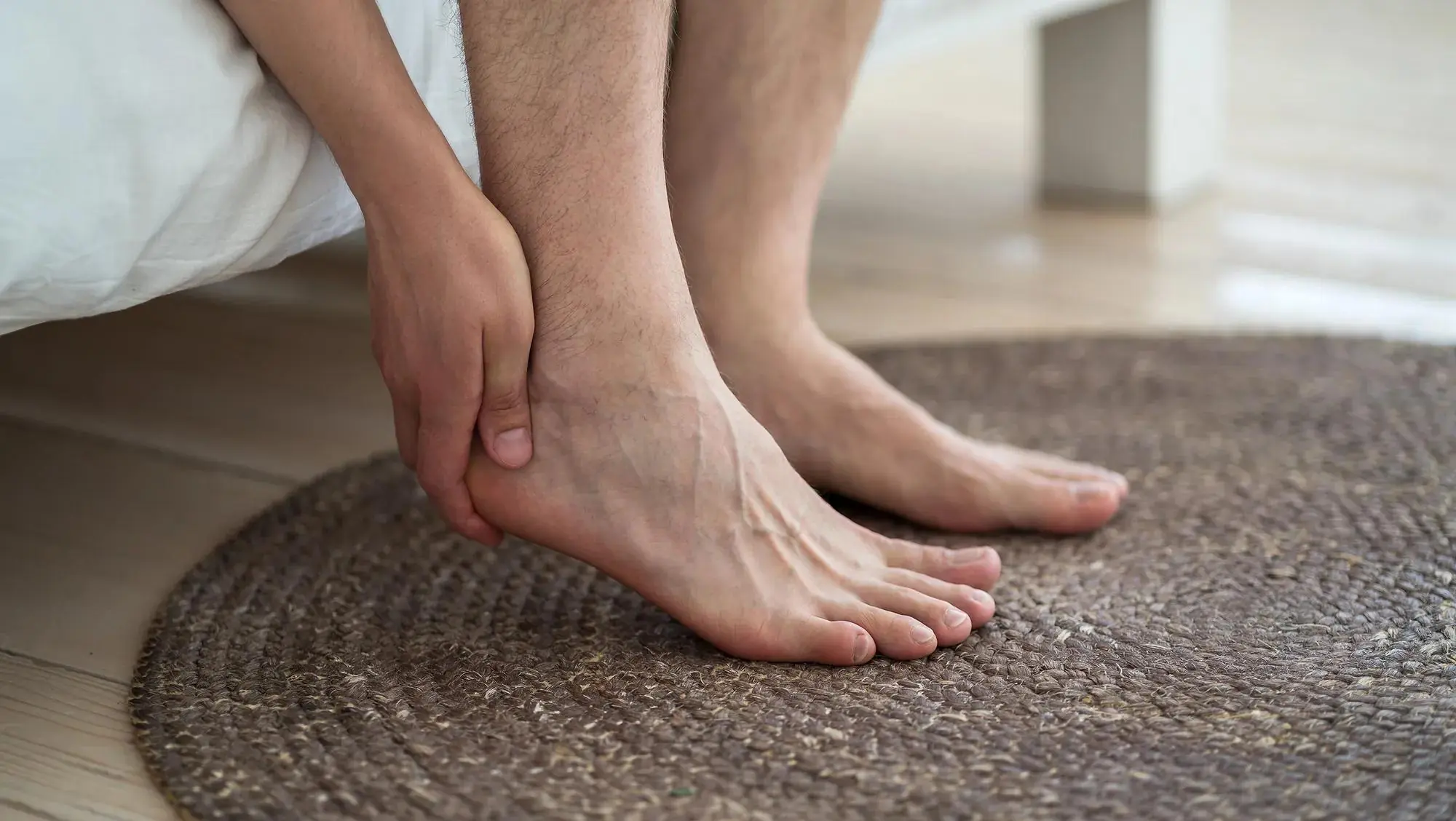
Heel Pain Keeping You Active? Try These Proven Techniques
😨 Many People Miss These 20 Early Cancer Clues Until a Diagnosis Arrives 👇

✨ Start Your Day with Boiled Eggs and You Might Notice These Amazing Changes 👇
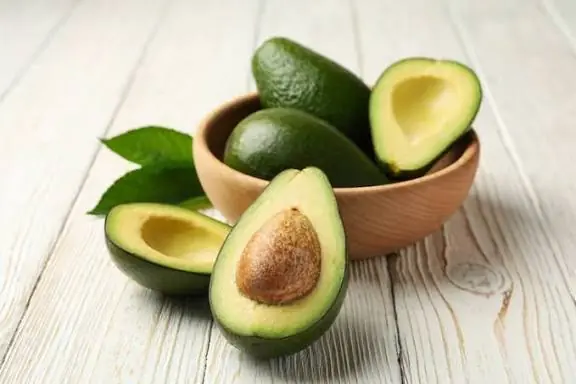
🥑 The Daily Avocado Habit: What Doctors Say Could Happen to Your Body 👇
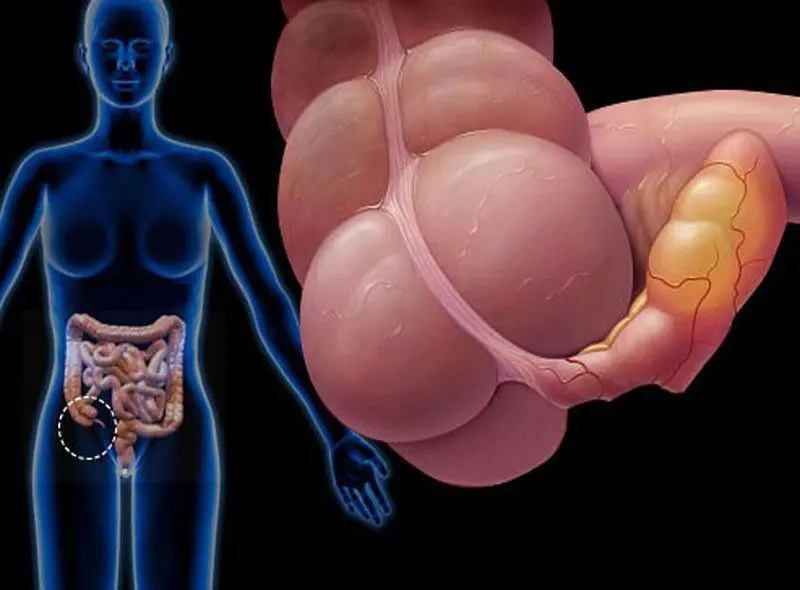
Appendicitis Doesn't Always Start With Severe Pain—Watch for These 9 Signs

The Truth About Eating Eggs for Breakfast: What Doctors Want You to Know