Finding a snake inside your home can be an unsettling experience. One moment everything is normal, and the next you notice a snake near the doorway, under a piece of furniture, in a garage, or somewhere you definitely weren't expecting it.
The first instinct for many people is to grab a broom, throw something at it, or search online for a strong-smelling substance that will supposedly make it disappear.
But the safest approach is usually much simpler:
Don't corner the snake, don't try to handle it, and give it a clear opportunity to leave.
Snakes generally enter homes because they're looking for food, water, shelter, or a suitable temperature—not because they are deliberately trying to confront people.
Understanding why they enter and how to make your home less attractive can greatly reduce the chances of another encounter.
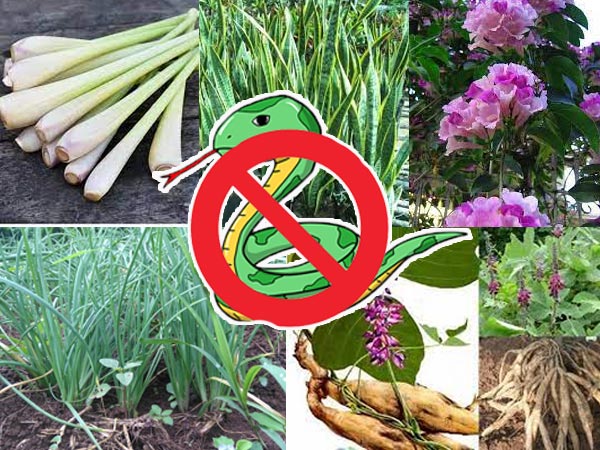
Why Would a Snake Enter a House?
Snakes are constantly searching for suitable environments.
Depending on the species and local climate, they may enter buildings because they find:
-
Food
-
Water
-
Warmth
-
Cool shelter
-
Darkness
-
Hiding places
-
Easy access through gaps
A home can accidentally provide several of these things at once.
For example, a garage may contain clutter that offers shelter, while a yard with rodents provides an abundant food source.
The snake may simply follow its prey.
1. Stay Calm and Keep Your Distance
The most important thing to do when you discover a snake indoors is create distance.
Don't rush toward it.
Don't attempt to grab it.
Don't corner it.
And don't assume that a snake is harmless simply because it appears small.
Move children and pets away from the area and keep everyone at a safe distance.
If you can safely leave the room, do so and close the door if possible.
2. Don't Try to Identify the Snake Up Close
Many people immediately want to know what species they're dealing with.
That can be useful for professionals, but getting close to a snake to examine its markings is unnecessary and potentially dangerous.
Some harmless species resemble venomous species, and appearance can be difficult to interpret accurately.
If you can safely take a photograph from a distance, it may help a local wildlife professional identify it.
But don't approach the snake just to get a better picture.
3. Give the Snake a Clear Way Out
If the snake is near an exterior door and you can safely access the area, creating an exit route may allow it to leave on its own.
For example, if the snake is in a room with a door leading directly outdoors, you may be able to:
-
Move people away
-
Keep pets elsewhere
-
Open the exterior door from a safe position
-
Leave the area
-
Allow the snake time to move away
Don't chase it toward the opening.
A frightened snake may move unpredictably if it feels trapped.
4. Don't Corner It
A snake that feels threatened may defend itself.
Cornering a snake removes its ability to escape.
This is particularly important because many snake bites occur when people attempt to capture, kill, or move snakes.
If the snake moves under furniture or into a dark corner, don't stick your hands underneath to retrieve it.
Give it space.
5. Keep Children Away
Children may be curious when they see a snake.
They may not understand how quickly an animal can react when frightened.
Teach children:
Don't touch it. Don't approach it. Don't try to scare it. Tell an adult.
Keep children away until the snake has left or a qualified professional has safely removed it.
6. Keep Pets Away Too
Dogs and cats may try to investigate or attack a snake.
This can result in injuries to both animals.
If you discover a snake in your home:
-
Move pets to another room
-
Close doors between the pet and snake
-
Avoid allowing dogs to chase it
-
Don't let cats investigate hiding areas
If a pet is bitten, contact a veterinarian immediately.
7. Don't Throw Objects at the Snake
Throwing objects may seem like an easy way to force a snake toward an exit.
It can have the opposite effect.
The snake may become frightened and move rapidly into another part of the house.
It may also enter a difficult-to-reach hiding place.
Your goal should be to reduce stimulation, not increase it.
8. Avoid Trying to Catch It Yourself
There are many videos online showing people grabbing or restraining snakes.
This is not a good model for the average homeowner.
Even experienced handlers can be bitten.
If you aren't certain what species you're dealing with, assume that it could be dangerous and keep your distance.
Contact a qualified wildlife removal service or local animal-control authority when appropriate.
9. What About Smells That Supposedly Repel Snakes?
You may have heard that snakes can be driven away by spreading substances such as:
-
Mothballs
-
Sulfur
-
Ammonia
-
Vinegar
-
Essential oils
-
Strong spices
-
Other household chemicals
Many online claims about these substances are exaggerated or poorly supported.
There is no universally reliable household substance that will instantly force a snake out of a house.
Some chemicals can also be dangerous to humans, pets, and wildlife.
10. Never Scatter Mothballs Around Your Home
Mothballs are sometimes promoted online as a snake repellent.
They're designed to control clothes moths, not snakes.
Mothballs contain pesticides that release toxic vapors.
Using them incorrectly can expose:
-
Children
-
Pets
-
Adults
-
Wildlife
to harmful chemicals.
They should never be scattered around rooms, yards, or crawl spaces as a homemade snake-control method.
11. Be Careful With Household Chemicals
Pouring or spraying chemicals around a snake isn't a safe solution.
Substances such as bleach, ammonia, gasoline, or other chemicals can create toxic fumes or contaminate surfaces.
They may also harm pets and other wildlife.
A snake problem is better addressed through exclusion, habitat management, and professional removal than chemical experimentation.
12. Why Snakes Keep Coming Back
If you repeatedly see snakes around your home, the issue may not be the snake itself.
Your property may be providing the conditions they need.
Common attractions include:
-
Rodents
-
Frogs
-
Insects
-
Dense vegetation
-
Standing water
-
Wood piles
-
Rock piles
-
Outdoor clutter
-
Unsealed openings
Reducing these attractions is often more effective than trying to repel snakes with smells.
13. Control Rodents Around Your Property
Food is one of the biggest reasons predators visit an area.
If your property has mice or rats, snakes may follow.
To reduce rodent activity:
-
Store food securely
-
Keep garbage containers closed
-
Clean up spilled pet food
-
Remove unnecessary clutter
-
Seal gaps around buildings
-
Keep vegetation under control
-
Address rodent infestations promptly
Reducing the food source can make the property less attractive to snakes.
14. Keep Your Yard Tidy
Snakes prefer places where they can hide from predators and remain undisturbed.
Potential hiding places include:
-
Stacks of wood
-
Piles of leaves
-
Dense vegetation
-
Construction materials
-
Old equipment
-
Rock piles
-
Unused containers
Keeping these areas organized reduces potential shelter.
15. Trim Dense Vegetation
Overgrown grass and vegetation can provide cover for snakes and their prey.
Regularly maintain:
-
Lawns
-
Shrubs
-
Garden edges
-
Areas around sheds
-
Areas near foundations
You don't need to eliminate every plant.
The goal is simply to avoid creating large, undisturbed hiding zones immediately next to the house.
16. Remove Standing Water
Water can attract many animals.
Puddles, leaking outdoor faucets, clogged drains, and poorly maintained water containers may attract insects, frogs, rodents, and other prey.
These animals can indirectly attract snakes.
Fix leaks and remove unnecessary standing water where possible.
17. Inspect Your House for Entry Points
A snake can enter through surprisingly small openings.
Check around:
-
Doors
-
Windows
-
Pipes
-
Vents
-
Foundations
-
Crawl spaces
-
Garages
-
Roof openings
Look for cracks or gaps that connect the outside environment with the interior of your home.
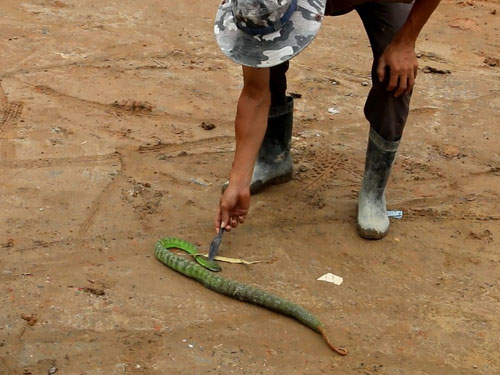
18. Install Door Sweeps
A gap beneath an exterior door can provide an easy entry point.
Installing an appropriate door sweep can help reduce access for:
-
Snakes
-
Rodents
-
Insects
-
Other pests
Check garage doors and side entrances too.
19. Seal Cracks Around Pipes and Utilities
Pipes and utility lines often create openings through walls and foundations.
Inspect areas where:
-
Plumbing enters the building
-
Electrical cables pass through walls
-
Air-conditioning lines enter the house
-
Gas or utility connections are installed
Seal appropriate gaps with suitable materials.
For larger structural openings, professional repair may be necessary.
20. Don't Forget the Garage
Garages are particularly attractive to snakes because they often provide:
-
Shelter
-
Darkness
-
Clutter
-
Rodents
-
Temperature protection
Keep garage floors and corners as clear as practical.
Store boxes and materials off the ground when possible.
21. Check Sheds and Outbuildings
A snake seen near a shed may have found an ideal hiding place.
Inspect:
-
Underneath structures
-
Around foundations
-
Door gaps
-
Storage piles
-
Wood stacks
Seal entry points where appropriate.
22. Be Careful Around Wood Piles
Wood piles can provide shelter for both snakes and rodents.
If you store firewood, keep it:
-
Organized
-
Elevated where practical
-
Away from the main structure
-
Free of excessive vegetation
Wear appropriate gloves when handling outdoor materials, but don't blindly reach into dark spaces where a snake could be hiding.
23. What If the Snake Disappears?
This is one of the most stressful situations.
You saw a snake, looked away, and now you can't find it.
Don't start moving every piece of furniture immediately.
Instead:
-
Keep children and pets away.
-
Close interior doors if possible.
-
Avoid putting your hands into dark spaces.
-
Identify likely hiding areas from a safe distance.
-
Contact a professional if you're concerned.
A snake that disappears from sight isn't necessarily gone.
24. Why Snakes Hide
Snakes may hide when they feel threatened.
They may move under:
-
Furniture
-
Appliances
-
Boxes
-
Shelves
-
Clothing
-
Stored materials
Trying to force the animal out can make the situation more difficult.
Give it time and minimize disturbance.
25. What If You Find a Snake in Your Bedroom?
Stay calm.
Move away slowly.
If possible, leave the room and close the door.
Keep pets and children away.
If there's a safe exterior exit that can be opened without approaching the snake, a professional may recommend allowing the snake to leave on its own.
If the snake is unidentified or you're uncomfortable handling the situation, contact a qualified wildlife professional.
26. What If It's in the Kitchen?
The same principles apply.
Don't attempt to hit or capture it.
Keep people away.
If food has potentially been contaminated by the snake, discard exposed food and clean affected surfaces after the animal has been removed.
Wash your hands afterward.
27. What If It's in the Bathroom?
A snake in a bathroom can be particularly alarming.
Don't reach into toilets, drains, cabinets, or dark spaces blindly.
If you see a snake, maintain distance and contact an appropriate professional if necessary.
Stories about snakes routinely emerging from toilets are heavily exaggerated online, although unusual wildlife encounters can happen.
28. What If You Live in an Area With Venomous Snakes?
If venomous snakes are known to occur in your region, take extra precautions.
Don't attempt to identify the animal from close range.
Keep children and pets away.
Contact local wildlife authorities or a qualified snake-removal professional.
Learning which venomous species are native to your region can be useful, but identification should be done from a safe distance.
29. What Should You Do If a Snake Is Outside?
A snake outside is usually less of an immediate problem than one inside the house.
If it isn't blocking an important area and isn't threatening anyone, the safest option may be to leave it alone.
Snakes play important ecological roles.
Many species help control populations of:
-
Rodents
-
Insects
-
Frogs
-
Other small animals
You don't necessarily need to remove every snake from your property.
30. Don't Automatically Kill a Snake
Many snakes are harmless and beneficial.
Killing a snake can also increase your risk of being bitten because attempting to strike or handle it brings you into close contact with the animal.
If removal is necessary, professional relocation or removal is generally safer.
31. What If the Snake Is Aggressive?
Most snakes prefer to escape rather than confront people.
But a snake may become defensive if it feels trapped.
Warning behaviors can include:
-
Hissing
-
Striking
-
Coiling
-
Flattening the body
-
Rapid defensive movement
If you see these behaviors, increase the distance immediately.
Don't test how close you can get.
32. What If Someone Is Bitten?
If a snake bites someone, treat the situation seriously.
Move away from the snake and seek emergency medical care, particularly if the species could be venomous.
Do not:
-
Cut the wound
-
Suck out venom
-
Apply ice directly
-
Use a tourniquet unless specifically directed by trained medical professionals
-
Try to capture the snake
If it can be done safely from a distance, a photograph may help professionals identify the species.
But do not risk another bite to obtain one.
33. Don't Rely on Traditional "Snake Bite Remedies"
You may encounter advice recommending:
-
Herbal mixtures
-
Alcohol
-
Cutting the wound
-
Suction devices
-
Burning the skin
-
Tight tourniquets
These methods can cause additional injury and delay appropriate treatment.
The correct response is to obtain professional medical care as quickly as possible.
34. Why Professional Removal Can Be Safer
Wildlife professionals understand how to:
-
Identify local species
-
Approach animals safely
-
Use appropriate capture equipment
-
Remove snakes without unnecessary harm
-
Locate likely entry points
-
Recommend exclusion measures
If you regularly encounter snakes indoors, professional help can address both the immediate animal and the reason it entered.
35. Prevention Is Better Than Repellent
Instead of asking:
"What substance will scare snakes away?"
a more useful question is:
"Why does my property attract snakes?"
If rodents are abundant, address the rodents.
If vegetation is overgrown, maintain it.
If there are gaps around the house, seal them.
If there are piles of debris, remove them.
This approach tackles the underlying conditions.
36. Don't Forget About Your Neighbors
If you live in an area with frequent snake activity, your surroundings matter too.
Snakes don't recognize property boundaries.
Nearby:
-
Overgrown lots
-
Water sources
-
Wood piles
-
Agricultural areas
-
Rodent populations
can influence what appears around your home.
You may not be able to control everything, but you can make your own property less attractive.
37. Seasonal Snake Activity
Snake activity varies by species and climate.
In many areas, snakes become more active during warmer periods.
You may see increased activity when temperatures are favorable for movement and prey is abundant.
This means prevention efforts can be particularly useful before and during seasons when snakes are commonly active in your region.
38. Keep Outdoor Food Secure
Pet food can attract rodents, which can indirectly attract snakes.
Avoid leaving bowls of pet food outside overnight.
Keep:
-
Birdseed
-
Animal feed
-
Garbage
-
Food scraps
in secure containers.
Reducing rodent activity can make a significant difference.
39. Use Lighting Wisely
Outdoor lights can attract insects.
Insects attract frogs and other small animals.
Those animals can become prey for snakes.
You don't need to turn your property into complete darkness, but reducing unnecessary lighting or using appropriate fixtures may help reduce the number of insects around entryways.
40. The Safest Approach to a Snake Indoors
If you discover a snake in your home, remember these steps:
1. Stay calm
Don't make sudden movements.
2. Create distance
Keep people and pets away.
3. Don't corner the snake
Give it space to move.
4. Provide an exit when safely possible
If there's an accessible exterior door, an unobstructed route may allow it to leave.
5. Don't use dangerous chemicals
Household substances aren't a reliable or safe solution.
6. Contact professionals if necessary
Especially if the snake is unidentified, venomous, trapped, or inaccessible.
7. Prevent future entry
Seal gaps and reduce food and shelter sources.

The Bottom Line
A snake inside your home can be frightening, but the safest response is usually calm, distance, and patience.
There is no universally proven household substance that will instantly make a snake leave. Many popular internet remedies - including chemicals and mothballs can create additional risks for people, pets, and wildlife.
Instead, focus on safe exclusion:
Keep the snake away from people and pets.
Avoid cornering or handling it.
Give it an opportunity to leave if that can be done safely.
Call a qualified wildlife professional when necessary.
Then look for the reason it entered in the first place.
Reducing rodents, clearing clutter, managing vegetation, removing standing water, and sealing gaps around doors, foundations, vents, and pipes can make your home much less attractive to snakes.
Final Thoughts
Seeing a snake in your home doesn't necessarily mean your house is infested or that another snake is waiting around the corner.
Snakes are often simply responding to environmental conditions. They may be following prey, looking for shelter, or accidentally finding a convenient opening.
The most important thing is not to turn a surprising wildlife encounter into a dangerous confrontation.
Don't grab the snake. Don't hit it. Don't pour chemicals on it. Don't put your hands into dark hiding places.
Give the animal space and get professional assistance when you aren't confident it's safe to handle the situation yourself.
And once the immediate problem is resolved, focus on prevention.
A sealed home, a tidy yard, fewer rodents, and fewer hiding places are far more dependable long-term strategies than trying to find a magical substance that scares every snake away.