5 secrets that gas companies won't tell you, which could help you save half of your monthly gas bill
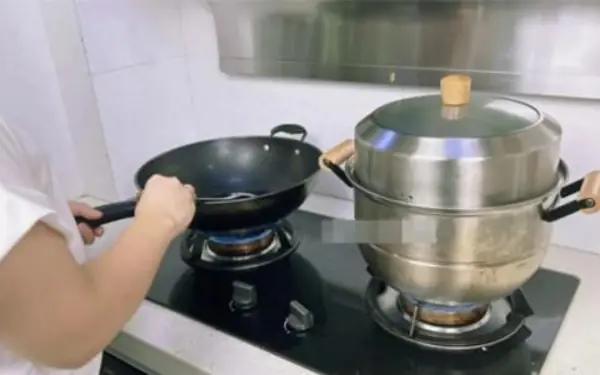
- Adjusting the Flame Color Properly
When we first buy our gas stove, the flame is blue. However, after using it, the flame turns red or yellow. In fact, this happens because the gas is not burning efficiently. The flame may look large, but the heat is not strong, which inadvertently wastes a lot of gas.
- Use at Offset Positions
In daily life, we tend to cook at the same time, usually lunch around 12 PM and dinner around 6 PM. During these times, many households use natural gas simultaneously, and in normal situations, a building shares a gas pipeline, causing the gas flame to become relatively dispersed and unable to achieve optimal conditions. The gas meter continues to run at a normal speed, but since the combustion force is spread out, the cooking time for food is longer, indirectly increasing gas consumption. Therefore, to save gas, we can apply an alternating usage method, ensuring the number of gas users at the same time is not too many, so the flame can focus and become stronger, improving cooking efficiency and reducing gas consumption effectively.
- Ensure the Bottom of the Pot is Dry
Typically, when cooking, we often need to clean the pot, and sometimes water accidentally collects at the bottom. Some people place a wet pot directly on the stove to heat it, but they don't realize this increases gas consumption. Because the bottom of the pot is moist, a large amount of gas is needed to dry it, and the water droplets can prevent the gas from burning fully. Therefore, to save gas, always remember to dry the bottom of the pot before placing it on the stove after cleaning.
- Choose a Gas Stove with Top Energy Efficiency
When many people buy a gas stove, they often focus on its appearance and price. However, we should pay more attention to its energy consumption. Gas stoves typically have an energy-saving label, so it's better to look for high-efficiency models. A type 1 energy-efficient gas stove has the highest energy conversion efficiency, meaning it can convert more gas into heat energy and reduce energy waste. Low-efficiency gas stoves often burn incompletely, leading to significant gas wastage. Additionally, low-efficiency stoves take longer to heat food, which not only extends cooking time but may also affect the flavor and nutritional value of the food. Therefore, when buying a gas stove, we should choose one with type 1 energy efficiency, as its higher initial cost will lead to greater savings in the long run.
- Turn the Flame Down at the Right Time
When using a gas stove, some people leave the flame on the highest setting throughout the cooking process to cook ingredients faster, but this is unnecessary. For example, when simmering soup or broth, once the pot starts to boil, we should turn the flame down and simmer. Keeping the flame high not only wastes gas but can also cause the pot to overflow. Reducing the heat to a simmer can save gas and make the soup tastier. If this article was helpful, please follow and like. Thank you for your support.