
5 Delicious Bedtime Drinks That May Support a More Restful Night
Struggling to Relax at Night? Try These 5 Simple Bedtime Drinks
Health 29/07/2026 15:10
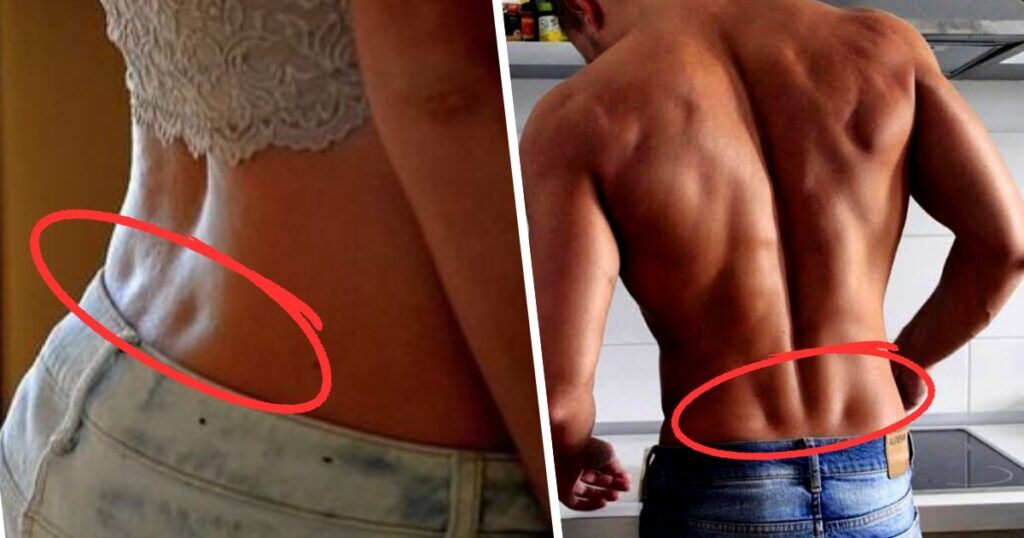
Have you ever noticed two small indentations on the lower part of your back, just above your hips? These subtle marks, often called back dimples, have attracted attention for years and are sometimes associated with beauty, fitness, and even genetics.
But what exactly are they, and do they mean anything about your health?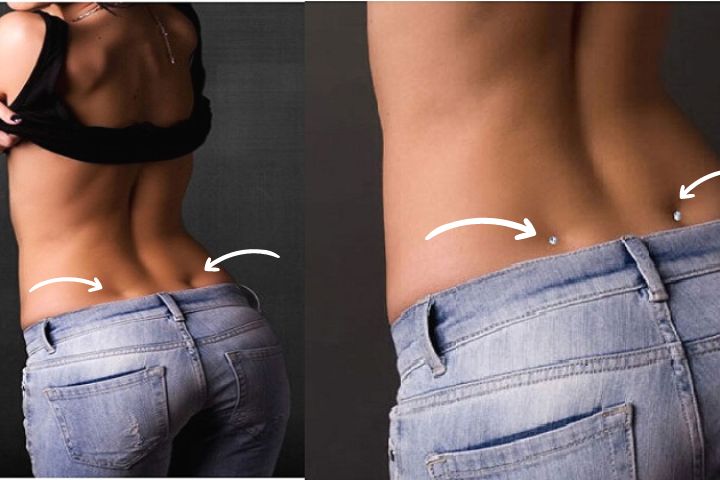
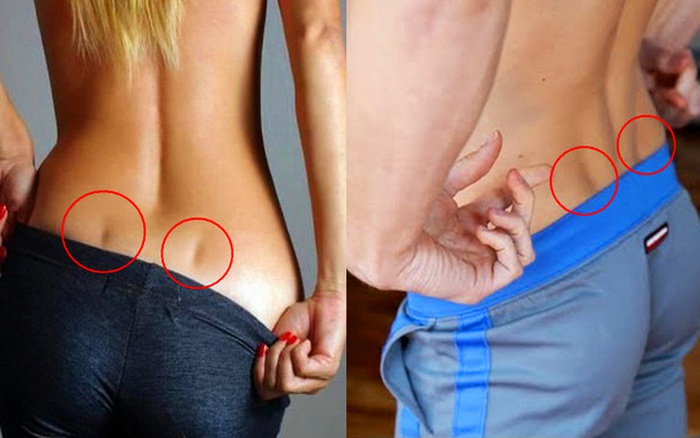
The small indentations found on either side of the lower back are commonly known as Dimples of Venus in women and Dimples of Apollo in men. They appear where the skin is attached to the underlying pelvic bone by short ligaments.
Unlike facial dimples, which are caused by variations in facial muscles, lower back dimples are primarily the result of anatomy and genetics. They are completely normal and are considered a natural physical feature.
The presence of lower back dimples is largely determined by genetics. Some people are born with the specific ligament structure that creates these indentations, while others are not.
Because the dimples are linked to the shape of the pelvis and connective tissues, they cannot typically be created through exercise or lifestyle changes alone. If you have them, chances are you inherited them.
One of the most common myths surrounding lower back dimples is that they indicate superior health or physical fitness.
In reality, having these dimples does not automatically mean someone is healthier than others. They are simply an anatomical feature. A person can be extremely fit and not have them, while another person may have them regardless of their fitness level.
That said, the dimples may be more visible in individuals with lower levels of body fat because there is less tissue covering the underlying structures.
Throughout history, lower back dimples have often been associated with physical attractiveness. Some beauty standards view them as a desirable trait because they can accentuate the natural curves of the lower back and hips.
This perception has contributed to their popularity on social media and in fashion photography. However, beauty standards vary widely across cultures and individuals, and having or not having back dimples does not determine a person's attractiveness.
Many fitness enthusiasts wonder whether specific workouts can create these indentations.
The answer is generally no. Since the dimples are caused by the way ligaments connect the skin to the pelvis, exercise cannot create them if the underlying anatomical structure is not present.
However, strengthening the core, back, and glute muscles and reducing excess body fat may make existing dimples more noticeable in some individuals.
For most people, lower back dimples are harmless and require no medical attention.
However, there is one important distinction. In newborn babies, a dimple located directly over the spine rather than on either side of the lower back may occasionally warrant medical evaluation. In rare cases, certain spinal dimples can be associated with underlying developmental conditions.
For adults, the typical Dimples of Venus found above the buttocks are generally considered a normal variation of human anatomy.
There is no scientific evidence that back dimples are a direct indicator of overall health.
Because they are largely genetic, not everyone can develop them through exercise or dieting.
While some people believe these dimples are uncommon, they are actually found in a significant portion of the population.
Back dimples do not improve athletic ability, strength, or endurance.
Those two small indentations on your lower back are usually nothing more than a natural anatomical feature known as the Dimples of Venus or Apollo. They are primarily determined by genetics and do not necessarily reveal anything significant about your health, fitness, or physical abilities.
Whether you have them or not, they are simply one of the many unique characteristics that make each body different. While they may be admired for aesthetic reasons, they are generally just a normal variation in human anatomy—and far more common than many people realize.
Struggling to Relax at Night? Try These 5 Simple Bedtime Drinks
Bumps on Your Neck? Don’t Panic, but Know When to Pay Attention.

Want Better Digestion? These 6 Foods May Be a Great Way to Start Your Day

Chicken Feet Contain Plenty of Collagen—Here's What That Could Mean for Your Diet.
Walnuts Are Packed With Nutrients—but Here's What They May Actually Do to Your Body.

Love Eggs for Breakfast? Here's What Regularly Eating Them May Do to Your Body.
Prominent Veins: When They're Normal and When You Should Get Them Checked.
Avocados Are Packed With Nutrients—But Here's What They May Do to Your Body.
A ring-shaped rash is often harmless, but some cases require prompt evaluation.

The Science of Hydration: Why Your Body Needs Water Every Day
If These Symptoms Last Only Minutes, They Still Matter

Is It Really Good to Eat a Banana Before Bed? Let's Look at the Facts.
Despite online rumors, avocados are widely recognized as a heart-healthy food.
Don't Panic Over Tiny White Spots on Your Skin—But Don't Ignore Persistent Changes Either.

Your Favorite Sleeping Position Could Affect More Than You Think.
A fuller bust may seem desirable, but it can also bring unexpected challenges.

Top 12 Foods Associated With Better Health and a Lower Risk of Some Can.cers

9 Everyday Foods Rich in Protein That Support Muscle and Whole-Body Health

Passing Gas More Than 25 Times a Day? Here's What It Could Mean

The Two Girls and the Old Photograph
Bumps on Your Neck? Don’t Panic, but Know When to Pay Attention.
Want Better Digestion? These 6 Foods May Be a Great Way to Start Your Day
Chicken Feet Contain Plenty of Collagen—Here's What That Could Mean for Your Diet.
Walnuts Are Packed With Nutrients—but Here's What They May Actually Do to Your Body.
Love Eggs for Breakfast? Here's What Regularly Eating Them May Do to Your Body.

More Than Just a Sleeping Student
Prominent Veins: When They're Normal and When You Should Get Them Checked.
Avocados Are Packed With Nutrients—But Here's What They May Do to Your Body.
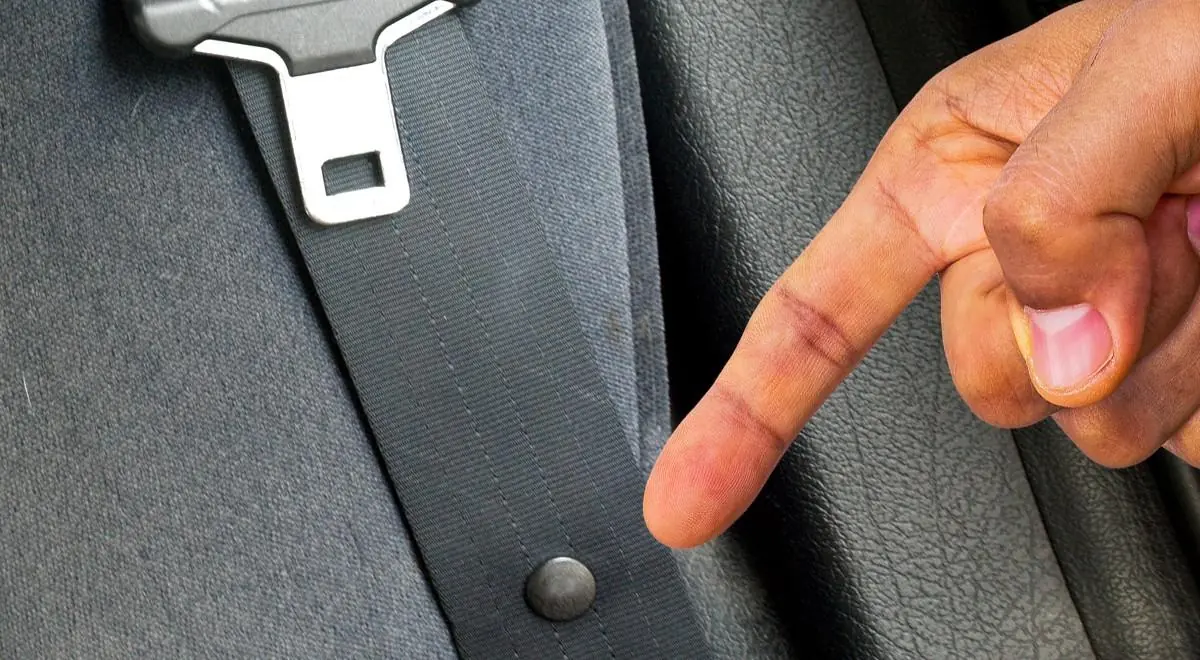
One Tiny Seat Belt Detail You've Probably Ignored for Years
A ring-shaped rash is often harmless, but some cases require prompt evaluation.
The Science of Hydration: Why Your Body Needs Water Every Day
If These Symptoms Last Only Minutes, They Still Matter
Is It Really Good to Eat a Banana Before Bed? Let's Look at the Facts.
Despite online rumors, avocados are widely recognized as a heart-healthy food.
Don't Panic Over Tiny White Spots on Your Skin—But Don't Ignore Persistent Changes Either.
Your Favorite Sleeping Position Could Affect More Than You Think.
A fuller bust may seem desirable, but it can also bring unexpected challenges.