Cruciferous vegetables — including cabbage, mustard greens, bok choy, broccoli, cauliflower, kale, and radish greens — are widely known for their powerful nutritional profile. However, according to a senior doctor from a leading Cancer Hospital, these everyday vegetables may offer far more protection than people realize. When consumed regularly, cruciferous vegetables can significantly reduce the risk of four serious diseases that are increasingly common today.
Why Cruciferous Vegetables Are Considered “Protective Foods”
Cruciferous vegetables are rich in glucosinolates, which break down into compounds such as sulforaphane and indole-3-carbinol. These substances have been thoroughly studied for their ability to:
-
Inhibit the growth of abnormal cells
-
Reduce inflammation
-
Boost the body’s natural detoxification systems
-
Protect DNA from oxidative damage
Additionally, they contain high levels of vitamin C, vitamin K, folate, potassium, antioxidants, and fiber, making them one of the most beneficial food groups for long-term health.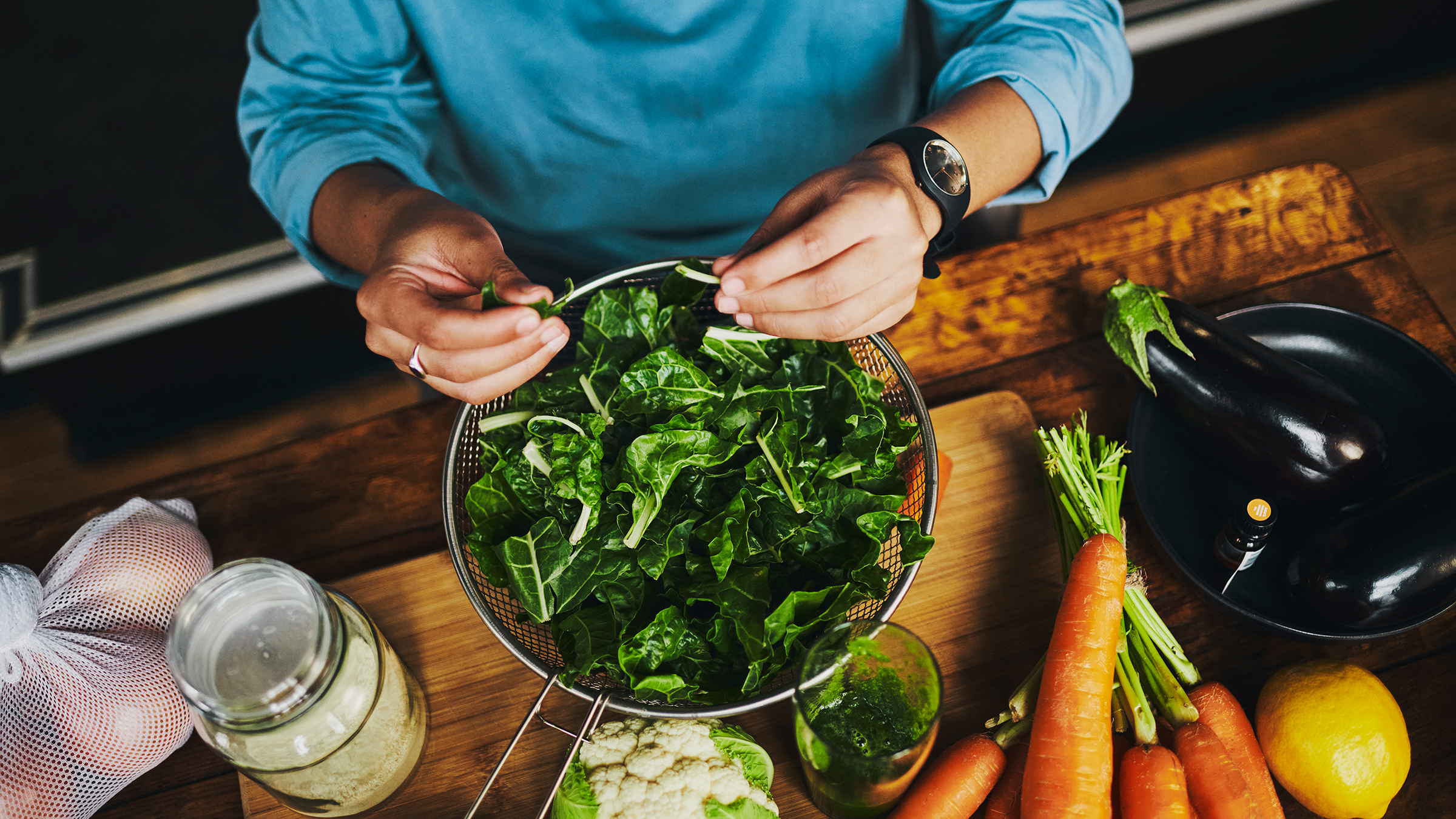
The Four Diseases They Help Prevent
1. Cancer
According to the Cancer Hospital specialist, cruciferous vegetables are among the few foods consistently linked to a lower risk of several cancers, including:
-
Colorectal cancer
-
Stomach cancer
-
Lung cancer
-
Breast cancer
Sulforaphane helps slow tumor growth, encourages the elimination of carcinogens, and supports liver detoxification — all critical mechanisms in cancer prevention.
2. Cardiovascular Disease
The antioxidants and fiber in cruciferous vegetables help:
-
Lower LDL cholesterol
-
Improve arterial flexibility
-
Control blood pressure
-
Reduce plaque formation
As a result, people who eat cruciferous vegetables frequently have a significantly lower risk of stroke and heart attack.
3. Type 2 Diabetes
Glucosinolates and dietary fiber help regulate blood sugar levels by slowing carbohydrate absorption and improving insulin sensitivity.
Studies show that individuals who consume cruciferous vegetables several times a week have better glucose control and lower diabetes risk.
4. Chronic Inflammation
Inflammation is a silent driver of many illnesses, from arthritis to fatty liver disease.
Cruciferous vegetables contain natural anti-inflammatory compounds that:
-
Suppress inflammatory pathways
-
Reduce oxidative stress
-
Strengthen immune function
This makes them especially beneficial for older adults and individuals with metabolic disorders.
How to Consume Cruciferous Vegetables for Maximum Benefit
Doctors recommend:
-
Eating them 3–5 times per week
-
Prioritizing gentle cooking methods: steaming, quick stir-frying, or light boiling
-
Avoiding overcooking, which destroys key nutrients
-
Pairing with healthy fats for improved nutrient absorption
People with thyroid conditions should consume them cooked rather than raw.
Conclusion
Cruciferous vegetables are inexpensive, widely available, and exceptionally nutritious. With consistent consumption, they can help reduce the risk of cancer, heart disease, diabetes, and chronic inflammation — four of the most concerning health threats today.
The Cancer Hospital doctor emphasizes: “The simplest daily habit, like eating more cruciferous vegetables, may o