Arthritis is one of the most common causes of joint pain and reduced mobility worldwide. Millions of people live with arthritis, yet many fail to recognize the early warning signs until the condition begins interfering with daily life. Because symptoms often develop gradually, people frequently dismiss them as normal aging, overwork, or temporary discomfort.
The term “arthritis” actually refers to a group of conditions that affect the joints and surrounding tissues. The most common forms include:
- Osteoarthritis
- Rheumatoid arthritis
- Psoriatic arthritis
- Gout
Although each type is different, many share similar early symptoms.
Recognizing these warning signs early may help people seek medical evaluation sooner, improve symptom management, and protect long-term joint function.
Here are 7 warning symptoms of arthritis many people overlook.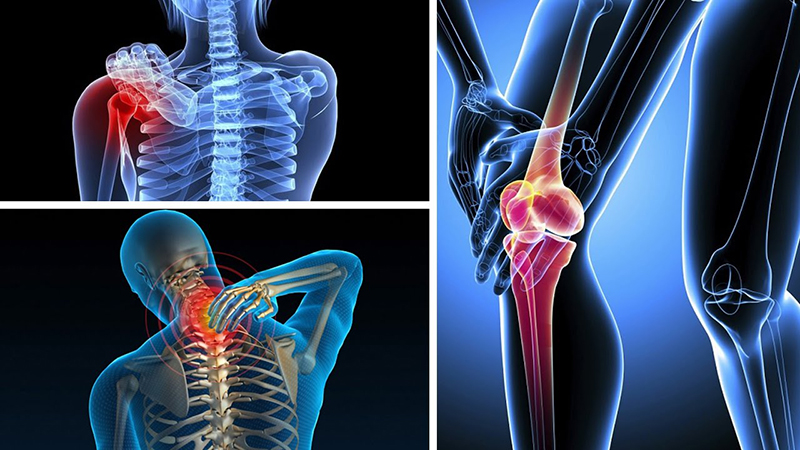
1. Morning Joint Stiffness
One of the earliest and most common warning signs of arthritis is stiffness after waking up.
Many people notice:
- Difficulty moving joints in the morning
- Tightness in the knees or fingers
- Reduced flexibility after sleeping
- Needing time to “loosen up”
Occasional stiffness can happen to anyone, especially after physical activity. However, arthritis-related stiffness often:
- Happens regularly
- Lasts longer than 30 minutes
- Improves gradually with movement
Morning stiffness is especially common in inflammatory forms of arthritis such as rheumatoid arthritis.
2. Joint Pain That Comes and Goes
Early arthritis pain may not be constant.
At first, people often experience:
- Mild aches
- Intermittent discomfort
- Pain during movement
- Soreness after activity
Because symptoms may come and go, many individuals ignore them for months or years.
Pain often affects:
- Knees
- Fingers
- Hips
- Wrists
- Ankles
Over time, discomfort may become more frequent or severe.
3. Swelling Around the Joints
Inflamed joints often appear swollen or puffy.
People may notice:
- Puffiness around fingers
- Swollen knees
- Tender joints
- Warmth around affected areas
Swelling occurs because inflammation increases fluid accumulation inside or around the joint.
This symptom may make joints feel tight or uncomfortable during movement.
Persistent swelling should never be ignored, especially when combined with pain or stiffness.
4. Reduced Range of Motion
Another overlooked sign of arthritis is gradually losing flexibility or movement.
People may struggle to:
- Bend the knees fully
- Grip objects
- Open jars
- Climb stairs
- Raise their arms comfortably
This reduced range of motion often develops slowly, making it easy to overlook at first.
As joint damage or inflammation progresses, movement may become increasingly difficult.
5. Cracking or Grinding Sounds in the Joints
Many people hear occasional popping or cracking in their joints, and this is often harmless.
However, persistent grinding sensations combined with pain or stiffness may sometimes indicate joint wear.
Some people describe:
- Clicking
- Crunching
- Grinding
- Popping during movement
In osteoarthritis, cartilage gradually wears down, allowing bones and tissues to move less smoothly against each other.
Joint noises alone do not automatically mean arthritis, but they may deserve attention when paired with other symptoms.
6. Fatigue and Low Energy
Many people are surprised to learn that arthritis can affect more than just the joints.
Inflammatory arthritis conditions may cause:
- Persistent fatigue
- Weakness
- Low energy
- Mental exhaustion
This happens because chronic inflammation affects the entire body, not just the joints.
Some people feel unusually tired even before joint pain becomes severe.
Fatigue is especially common in autoimmune forms of arthritis such as rheumatoid arthritis.
7. Joint Pain That Gets Worse With Weather Changes
Some individuals notice their joints become more painful or stiff during:
- Cold weather
- Rainy days
- Sudden pressure changes
Although researchers are still studying the exact connection, many arthritis sufferers report weather sensitivity.
People may experience:
- Increased stiffness
- Aching joints
- Reduced mobility during certain weather conditions
While weather changes do not cause arthritis directly, they may temporarily worsen symptoms in affected joints.
Why Arthritis Symptoms Are Often Ignored
Many people delay seeking help because symptoms appear slowly and seem minor at first.
Common reasons include:
- Assuming symptoms are “normal aging”
- Believing pain will go away
- Avoiding medical evaluation
- Self-treating with pain relievers
Unfortunately, delaying treatment may allow joint damage to progress over time.
Early diagnosis often provides more options for symptom management and joint protection.
The Difference Between Osteoarthritis and Rheumatoid Arthritis
Understanding the two most common types of arthritis is important.
Osteoarthritis
This is the “wear-and-tear” form of arthritis.
It develops gradually as cartilage breaks down over time.
Commonly affected joints:
- Knees
- Hips
- Hands
- Spine
Rheumatoid Arthritis
This is an autoimmune condition where the immune system attacks joint tissues.
It often causes:
- Symmetrical joint pain
- Swelling
- Fatigue
- Inflammation throughout the body
Rheumatoid arthritis may affect multiple organs if left untreated.
Risk Factors for Arthritis
Several factors may increase arthritis risk:
- Aging
- Family history
- Previous joint injuries
- Obesity
- Autoimmune disease
- Repetitive joint stress
Women are more likely to develop certain forms of arthritis, particularly rheumatoid arthritis.
How Arthritis Is Diagnosed
Doctors may diagnose arthritis using:
- Physical examination
- Medical history
- Imaging tests
- Blood tests
- Joint evaluation
Early evaluation is important because different types of arthritis require different treatments.
Lifestyle Habits That May Support Joint Health
Although arthritis cannot always be prevented, certain habits may help protect the joints.
Maintain a Healthy Weight
Extra body weight increases pressure on joints, especially the knees and hips.
Stay Physically Active
Gentle movement helps maintain:
- Flexibility
- Muscle strength
- Joint function
Eat a Balanced Diet
Anti-inflammatory foods may support overall wellness.
Avoid Smoking
Smoking may worsen inflammation and increase rheumatoid arthritis risk.
Protect Your Joints
Proper posture and body mechanics help reduce unnecessary strain.
When to See a Doctor
Medical evaluation is important if symptoms:
- Persist for weeks
- Interfere with daily activities
- Worsen over time
- Include swelling or redness
- Limit movement
Early treatment may help slow joint damage and improve quality of life.
Final Thoughts
Arthritis often begins quietly with subtle warning signs many people overlook. Morning stiffness, joint swelling, reduced flexibility, fatigue, and recurring pain may all signal that the joints need attention.
The most important message is awareness, not fear. Not every ache means arthritis, but persistent symptoms deserve attention — especially when they continue interfering with movement or daily life.
Listening to your body early may help protect your joints, preserve mobility, and improve long-term health.
Sometimes the body whispers before the pain becomes impossible to ignore.