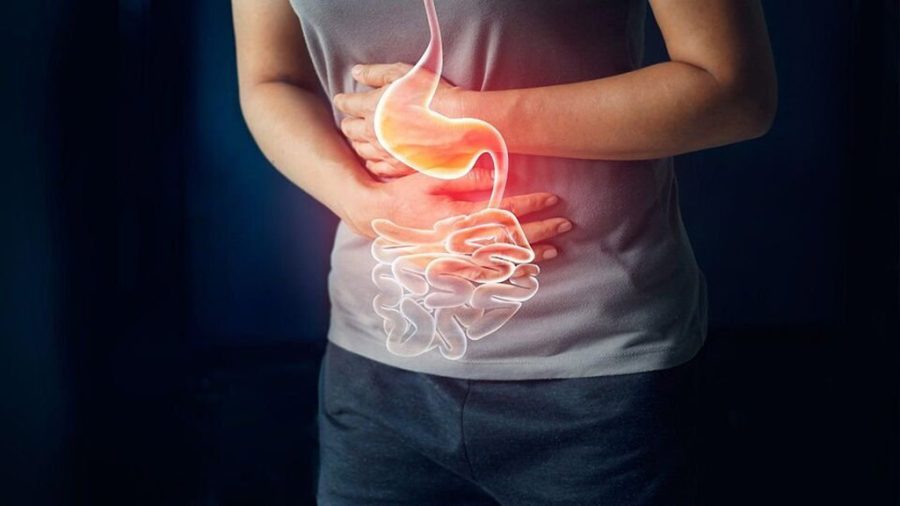
Stomach cancer often develops silently, with symptoms that can easily be mistaken for common digestive issues. Because early signs are subtle, many patients are only diagnosed once the disease has progressed to a later stage. Recognizing the warning symptoms early is crucial for timely medical care and better treatment outcomes. Below are key signs of late-stage stomach cancer that require immediate attention.
1. Persistent and Unusual Abdominal Pain
Abdominal pain is a symptom often associated with conditions like gastritis, indigestion, or stomach ulcers. However, the pain caused by stomach cancer has several distinguishing characteristics.
In advanced stages, patients frequently experience:
-
Sharp, intense pain in the upper abdomen
-
Pain that occurs both on an empty stomach and after eating
-
Pain that persists even after taking pain relievers or digestive medications
-
Increasing frequency and severity over time
This type of pain results from the tumor growing inside the stomach, irritating surrounding tissues, or invading nearby nerves. Because it does not respond to typical remedies, persistent abdominal pain should never be disregarded.
2. Loss of Appetite and Food Aversion
One of the hallmark symptoms of stomach cancer is a noticeable decline in appetite. Patients may:
-
Lose interest in eating
-
Feel full quickly, even after small meals
-
Develop an aversion to certain foods
-
Experience discomfort shortly after eating
As the cancer progresses, normal digestive processes are disrupted, making eating increasingly difficult. This symptom often contributes to rapid weight loss and malnutrition.
3. Frequent Nausea and Vomiting
Nausea is common during the early stages of stomach cancer but is often dismissed as a mild digestive issue. As the tumor enlarges, it can obstruct the stomach outlet or interfere with normal digestion, leading to:
-
Frequent, unexplained nausea
-
Vomiting after meals
-
Vomiting that may contain partially digested food or, in severe cases, blood
These symptoms occur because the tumor compresses the stomach, slows gastric emptying, and causes severe irritation.
4. Recurrent Constipation or Diarrhea
Stomach cancer can significantly disrupt the digestive system. Tumor growth interferes with the movement of food through the gastrointestinal tract, resulting in irregular bowel habits such as:
-
Persistent constipation
-
Episodes of diarrhea
-
Alternating constipation and diarrhea
-
General digestive discomfort
When these symptoms become chronic, they reflect impaired digestive function caused by cancer progression.
5. Black, Tarry Stool
Black stool (melena) is one of the most alarming signs of late-stage stomach cancer. It often indicates internal bleeding within the stomach. Tumors or ulcerative lesions can erode blood vessels, causing blood to enter the digestive tract. As the blood passes through the intestines, it darkens into a sticky, tar-like substance.
This symptom should never be ignored, as gastrointestinal bleeding can quickly lead to anemia and may become life-threatening if untreated.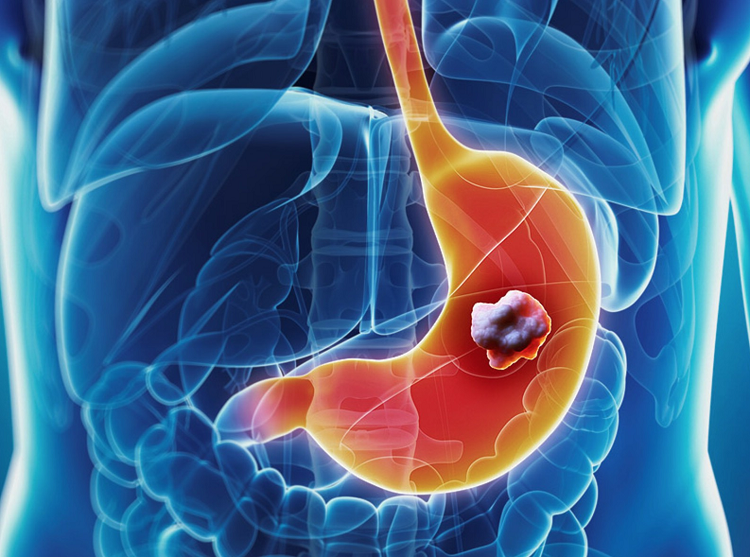
6. Sudden and Unexplained Weight Loss
Rapid weight loss is a red flag associated with many cancers, including stomach cancer. Patients often experience:
-
Significant loss of appetite
-
Poor absorption of nutrients
-
Reduced ability to digest food properly
-
Metabolic changes caused by cancer cells consuming large amounts of energy
Even with regular meals, the body may fail to retain nutrients, leading to visible weight loss, muscle wasting, and weakness.
7. Pale Skin, Fatigue, and Anemia
Chronic internal bleeding and poor nutrient absorption frequently lead to anemia in late-stage stomach cancer. Common signs include:
-
Pale or yellowish skin
-
Persistent fatigue and weakness
-
Shortness of breath
-
Dizziness or lightheadedness
-
Cold hands and feet
The combination of blood loss, nutrient deficiencies, and the overall metabolic burden of cancer contributes to a striking decline in physical strength and appearance.
Final Thoughts
Stomach cancer is often called a “silent disease” because many of its early symptoms resemble common digestive problems. However, once it progresses, the signs become more persistent, more severe, and more damaging.
If you or someone you know experiences several of these symptoms - especially unexplained weight loss, persistent abdominal pain, black stools, or chronic nausea - it is essential to seek medical evaluation as soon as possible. Early detection can dramatically improve treatment options and outcomes.
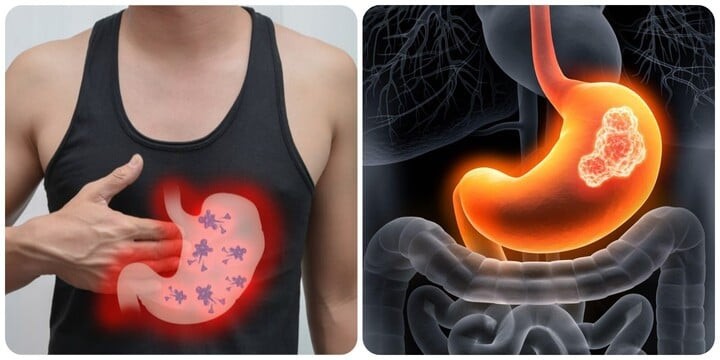
How to Prevent Stomach Cancer: Essential Strategies for Lowering Your Risk
While stomach cancer can be difficult to detect in its early stages, many lifestyle habits and preventive measures can significantly reduce your risk. Understanding these protective steps is just as important as recognizing the warning signs. Below are practical, science-supported ways to protect your stomach health.
1. Maintain a Healthy and Balanced Diet
Your daily diet plays a major role in stomach cancer prevention. To lower your risk:
Increase consumption of:
-
Fresh fruits and vegetables rich in antioxidants (berries, citrus fruits, leafy greens)
-
High-fiber foods like whole grains and legumes
-
Foods rich in vitamin C, which may help reduce damage to gastric cells
Limit or avoid:
-
Highly processed foods
-
Salt-cured, smoked, or pickled foods
-
Overly salty snacks
-
Red and processed meats
A balanced diet reduces inflammation, supports immunity, and lowers carcinogenic exposure in the digestive system.
2. Avoid Tobacco and Limit Alcohol
Smoking is one of the strongest risk factors for stomach cancer. The chemicals in tobacco damage the stomach lining, increase acid production, and promote cancer cell formation.
Alcohol, especially in excessive amounts, can irritate the stomach lining and contribute to chronic inflammation.
To reduce risk:
-
Quit smoking completely
-
Limit alcohol to minimal or moderate levels
-
Avoid binge drinking
3. Treat H. pylori Infection Early
Helicobacter pylori is a bacterium that weakens the stomach lining and can lead to chronic gastritis, ulcers, and eventually stomach cancer if untreated. Many people carry H. pylori without knowing it.
Seek medical testing if you experience:
-
Persistent stomach pain
-
Frequent bloating
-
Nausea
-
Acid reflux
-
Unexplained weight loss
If diagnosed, doctors can prescribe antibiotics and medication to eliminate the infection and reduce long-term cancer risk.
4. Maintain a Healthy Weight
Obesity increases the pressure inside the stomach, worsens acid reflux, and promotes inflammation—all factors that contribute to stomach cancer.
Protective habits include:
-
Regular physical activity (at least 150 minutes a week)
-
Consuming whole foods instead of calorie-dense processed foods
-
Reducing sugary drinks and refined carbohydrates
Maintaining a stable, healthy weight significantly lowers your risk.
5. Limit the Use of Over-the-Counter Pain Relievers
Frequent use of NSAIDs (such as ibuprofen or aspirin) can irritate the stomach lining and provoke chronic gastritis, leading to long-term complications.
If you need to take these medications regularly, consult a doctor about protective measures such as gastric protectants.
6. Get Regular Health Check-Ups
Early detection is one of the most effective ways to prevent stomach cancer from becoming life-threatening. You should undergo screening—especially if you belong to a high-risk group.
Screening is recommended for individuals who:
-
Have a family history of stomach cancer
-
Have chronic gastritis or peptic ulcers
-
Smoke or drink heavily
-
Have persistent digestive symptoms
-
Are over 40, especially in high-risk regions
Endoscopy is currently the most accurate method for detecting early stomach abnormalities.
7. Manage Stress and Prioritize Sleep
Chronic stress can affect digestion, reduce immunity, and worsen inflammation - factors that indirectly increase cancer risk. Adequate rest and emotional well-being help keep the digestive system functioning properly.
Helpful habits include:
-
Sleeping 7–8 hours per night
-
Practicing meditation or breathing exercises
-
Engaging in regular physical activity
-
Maintaining a balanced work–life routine
Preventing stomach cancer is a long-term commitment involving balanced nutrition, healthy lifestyle choices, and timely medical care. By understanding both the symptoms and the preventive strategies, you can protect your digestive health and significantly reduce your risk of developing stomach can.cer.