1. The Field Spot (Yellow Belly)
-
What it is: The field spot is the area of the watermelon that rested on the ground while the fruit grew.
-
What it means:
-
When the spot is creamy yellow or even orange-yellow, it shows that the melon ripened naturally under the sun.
-
A pale yellow or white spot means it was picked too early, before all the sugars had time to develop.
-
-
Science behind it:
The longer the melon stays attached to the vine, the more photosynthesis and sugar accumulation happen in the fruit. The yellow color is a result of natural ripening, which brings out sweetness and deeper red flesh.
✅ Choose: Big, dark yellow field spot
🚫 Avoid: White or small spot
2. Webbing or Sugar Lines
-
What it is: These are brown, net-like scars or “veins” on the rind.
-
What it means:
These marks show where bees touched the pollinated flower many times — each contact means more pollination, which results in sweeter fruit.
-
Science behind it:
Each pollination stimulates sugar transfer and ripening hormones inside the fruit. The more pollination = higher sugar content = sweeter taste.
✅ Choose: Visible brown webbing or sugar streaks
🚫 Avoid: Smooth rind with no markings
3. Shape and Symmetry
-
Round watermelons → usually sweeter and softer in texture
-
Oval or elongated watermelons
→ usually more watery and less sweet
-
Misshapen or uneven melons might have had inconsistent growth or irregular watering.
✅ Choose: Even, round shape with balanced sides
4. Sound Test (Knock or Tap Method)
-
How to do it: Tap the melon with your knuckles.
-
Listen carefully:
-
A deep, hollow sound = ripe and full of juice.
-
A dull or flat thud = overripe or underripe.
-
-
Why it works:
When a watermelon is perfectly ripe, its inner flesh vibrates when struck, creating that hollow resonance. Underripe or overripe ones have denser or mushier flesh, which muffles the sound.
✅ Choose: Hollow “boom” sound
🚫 Avoid: Dull “thud” sound
5. Color and Shine
-
Dull, matte rind = ripe
-
Shiny or glossy rind = underripe
-
Even stripes with a strong contrast
between dark and light green are a good sign of a well-developed fruit. -
Science behind it:
A dull surface indicates the outer skin has thickened — a natural part of the ripening process. Shiny ones haven’t yet finished developing sugars and flavor inside.
✅ Choose: Dull, dark green rind with visible striping
6. The Stem or Tail
-
Dry, curly, brown tail = watermelon ripened naturally on the vine.
-
Green or fresh stem = picked too early (it’s still maturing).
-
Why it matters:
When the melon detaches naturally, the stem dries out as the fruit completes ripening. If it’s green, the plant was forced to stop feeding the fruit too early.
✅ Choose: Dry, brown stem
🚫 Avoid: Green, moist stem
7. Weight and Density
-
How to check: Pick up two melons of the same size.
-
Choose the heavier one.
-
Why:
A heavy melon means it’s full of juice, which equals more water and sugar inside. A lighter one likely has more air pockets or is dried out.
✅ Choose:
Heavier for its size8. Uniform Color and Texture
-
Check that the rind has a consistent pattern and no soft spots or cracks.
-
Small scratches or bee stings are fine — they usually happen during natural growth and don’t affect quality.
-
Avoid fruits with bruises or discolored patches — these could mean damage or rot.
✅ Choose: Consistent green color, firm texture
9. Check the Flesh (if you can see it, e.g., at markets)
If a vendor shows a cut watermelon:
-
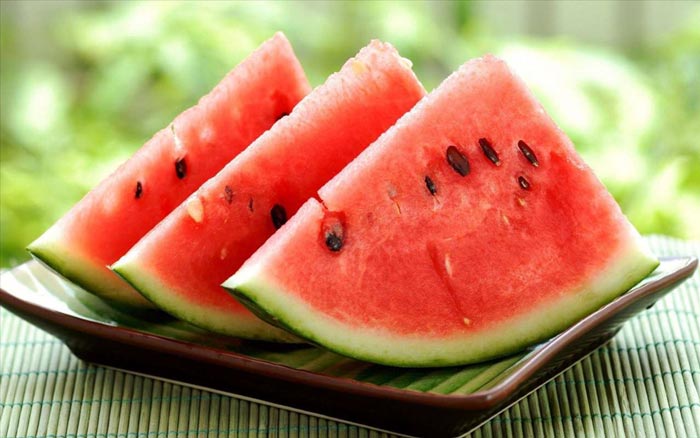
The flesh should be deep red or crimson, not pale pink.
-
Seeds should be dark brown or black, not white (white seeds = underripe).
-
Flesh should look crisp and grainy, not mushy.
✅ Choose: Deep red flesh with dark seeds
🍉 Pro Tips from Farmers
-
Morning-pick watermelons are often sweeter because the sugar concentration peaks overnight.
-
Avoid refrigerated ones if you want to ripen them at home — cold stops the ripening process.
-
Once cut, store in the fridge and eat within 3 days to preserve nutrients and flavor.