Lumps on the Body: What Do Neck Lumps Really Mean?
Finding a lump on your neck can be alarming. Many people immediately fear the worst, but the truth is that most neck lumps are not cancerous. However, some can signal underlying health issues that should not be ignored.
Understanding what neck lumps mean—and when to take action—can help you stay calm, informed, and safe.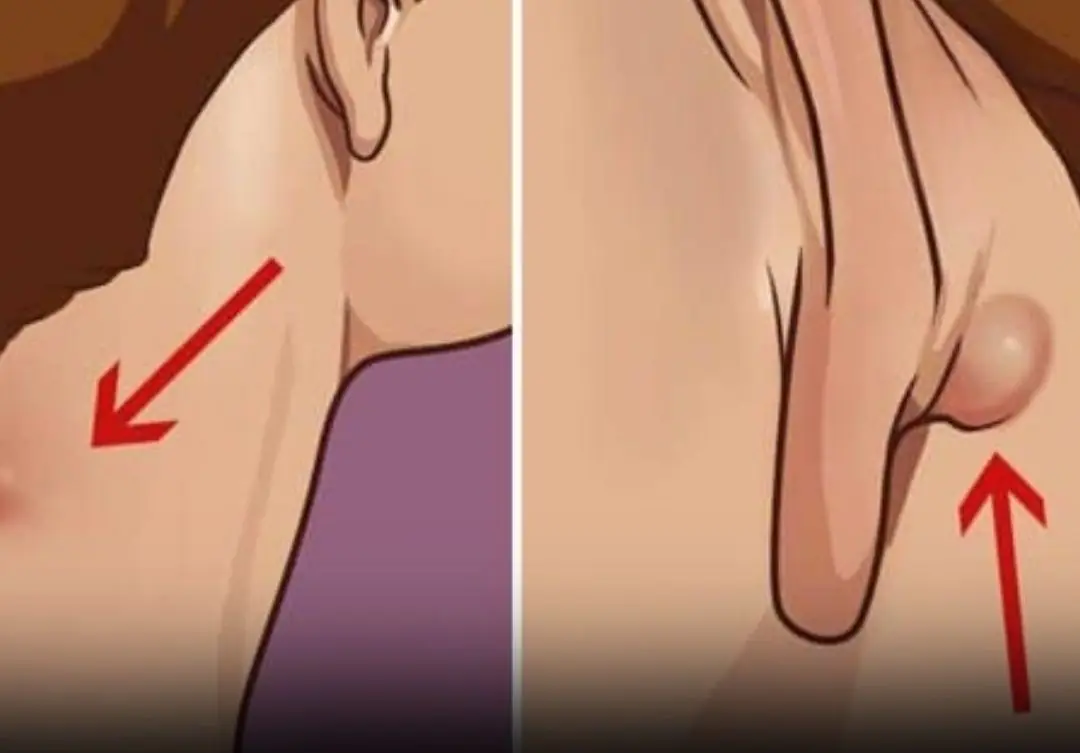
Why Neck Lumps Are Common
The neck contains many important structures, including:
-
Lymph nodes
-
Salivary glands
-
Thyroid gland
-
Blood vessels and soft tissue
Because of this, lumps can form for many reasons, most of which are benign and temporary.
1. Swollen Lymph Nodes (Most Common Cause)
Lymph nodes play a key role in fighting infections. When your body detects illness, they often swell.
Typical characteristics
-
Soft or slightly firm
-
Tender to the touch
-
Appear suddenly
-
Often associated with fever, sore throat, or cold symptoms
These lumps usually shrink within 1–3 weeks once the infection resolves.
2. Infections Beyond a Simple Cold
Sometimes, neck lumps are linked to more persistent infections.
Examples include:
-
Tonsillitis
-
Dental infections
-
Ear or sinus infections
In these cases, lumps may last longer and require medical treatment, such as antibiotics.
3. Thyroid-Related Lumps
The thyroid gland sits at the front of the neck and helps regulate metabolism.
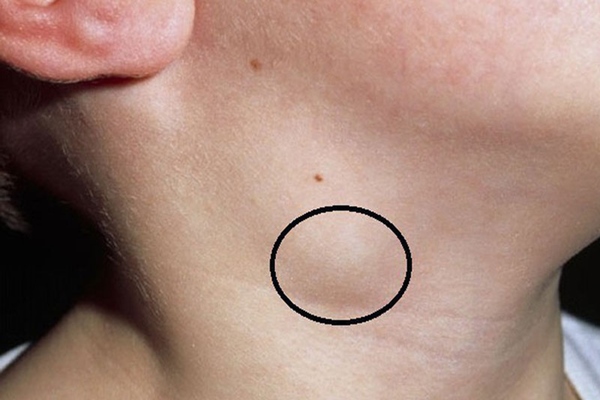
Thyroid nodules may feel like
-
A firm lump in the lower front of the neck
-
A swelling that moves when swallowing
Most thyroid nodules are non-cancerous, but medical evaluation is recommended, especially if:
-
The lump grows
-
You experience voice changes
-
Swallowing becomes difficult
4. Cysts or Benign Growths
Some lumps are caused by harmless growths.
Common types
-
Sebaceous cysts
-
Lipomas (fatty tissue growths)
These lumps are usually:
-
Soft
-
Slow-growing
-
Painless
They are generally not dangerous unless they become infected or uncomfortable.
5. When Neck Lumps May Be More Serious
While rare, some neck lumps can be associated with cancer, particularly cancers of the:
-
Lymphatic system
-
Head and neck region
-
Thyroid
Warning signs include
-
A hard, fixed lump that does not move
-
Painless swelling lasting more than 3–4 weeks
-
Rapid growth
-
Unexplained weight loss
-
Night sweats or persistent fatigue
These signs do not confirm cancer, but they do require prompt medical evaluation..png)
Key Differences: Benign vs. Concerning Lumps
| Feature | Usually Benign | Potentially Concerning |
|---|---|---|
| Pain | Often tender | Usually painless |
| Movement | Moves easily | Fixed or immobile |
| Duration | Short-term | Persistent |
| Growth | Stable or shrinking | Increasing in size |
This comparison helps guide—but never replaces—professional diagnosis.
What NOT to Do
Many people make common mistakes when discovering a neck lump.
Avoid:
-
Constant pressing or squeezing
-
Self-diagnosing online
-
Ignoring the lump for months
-
Panicking without evidence
Most lumps are harmless, but ignoring them completely can delay important care.
When Should You See a Doctor?
Medical advice is recommended if:
-
The lump lasts longer than 2–3 weeks
-
It grows or changes shape
-
You have difficulty swallowing or breathing
-
You experience unexplained symptoms
Doctors may use:
-
Physical examination
-
Ultrasound
-
Blood tests
-
Biopsy (if needed)
Early evaluation provides reassurance—or early treatment if necessary.
Can Lifestyle Affect Neck Lumps?
Certain factors may increase risk:
-
Smoking or heavy alcohol use
-
Poor oral hygiene
-
Chronic infections
-
Family history of thyroid disease
Maintaining overall health helps reduce long-term risk.
The Importance of Awareness Without Fear
It is natural to worry when noticing changes in your body. However, fear should never replace facts.
Most neck lumps are:
-
Reactive
-
Temporary
-
Treatable
What matters most is timing and attention, not panic.
Final Thoughts
A lump on the neck is not automatically a sign of something serious—but it is also not something to ignore completely. Your body uses signals to communicate when something is happening internally.
Awareness leads to early action. Early action leads to better outcomes.
If a lump feels unusual or persistent, getting it checked is a responsible step—not an overreaction.