Pancreatic cancer is often called a “silent disease” because it can develop without obvious symptoms in its early stages. By the time noticeable signs appear, the condition may already be advanced, making treatment more challenging. This is why early detection is so important. Recognizing subtle changes in the body can help prompt timely medical evaluation and potentially improve outcomes.
Why Early Detection Matters
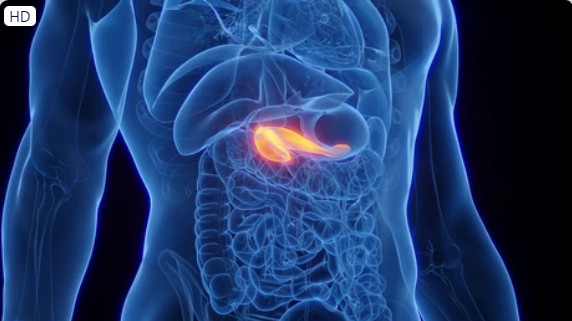
The pancreas plays a vital role in digestion and blood sugar regulation. When cancer develops in this organ, it can interfere with these essential functions. Unfortunately, pancreatic cancer tends to grow quietly and spread quickly.
Early detection can:
- Increase treatment options
- Improve survival rates
- Allow for earlier intervention
Because routine screening is not common for most people, awareness of symptoms becomes especially important.

1. Unexplained Weight Loss
One of the most common early warning signs is sudden, unintentional weight loss.
This may happen because:
- The body is using more energy to fight the disease
- Appetite decreases
- The digestive system is not absorbing nutrients properly
If weight loss occurs without changes in diet or activity, it should not be ignored.
2. Persistent Abdominal or Back Pain
Pain in the upper abdomen or middle back can be an early symptom.
It may:
- Feel dull or aching
- Radiate from the abdomen to the back
- Worsen after eating or lying down
This pain can occur when a tumor presses on nearby nerves or organs.
3. Jaundice (Yellowing of Skin and Eyes)
Jaundice is a noticeable sign that often appears when the bile duct becomes blocked.
Symptoms include:
- Yellowing of the skin and eyes
- Dark urine
- Pale or greasy stools
- Itchy skin
This occurs when bilirubin builds up in the body and is a key sign that requires immediate medical attention.
4. Changes in Stool and Digestion
Pancreatic cancer can affect how the body digests food, particularly fats.
This may lead to:
- Greasy or floating stools
- Foul-smelling bowel movements
- Frequent diarrhea
These changes happen because the pancreas is not producing enough digestive enzymes.
5. Loss of Appetite
A sudden lack of interest in food can be another early sign.
People may experience:
- Feeling full quickly
- Disinterest in favorite foods
- General decrease in appetite
This symptom often appears alongside weight loss.
6. New-Onset Diabetes
In some cases, pancreatic cancer can interfere with insulin production, leading to diabetes.
Warning signs include:
- Increased thirst
- Frequent urination
- Fatigue
If diabetes develops suddenly without typical risk factors, it may warrant further investigation.
7. Nausea and Vomiting
As the tumor grows, it may press against the stomach or digestive tract.
This can cause:
- Nausea after eating
- Vomiting
- Difficulty digesting food
These symptoms can gradually worsen over time.
8. Fatigue and Weakness
Persistent fatigue that doesn’t improve with rest can be a sign of many health conditions, including pancreatic cancer.
This type of fatigue is often:
- Ongoing
- Unrelated to activity levels
- Accompanied by general weakness
It may result from the body’s response to illness or nutritional deficiencies.
When Should You See a Doctor?
Many of these symptoms can be caused by less serious conditions. However, the key is persistence and combination.
You should seek medical advice if:
- Symptoms last for several weeks
- Multiple symptoms occur together
- There is a noticeable change in your normal health
- Symptoms worsen over time
Early evaluation can help rule out serious conditions or lead to timely diagnosis.
Risk Factors to Be Aware Of
While anyone can develop pancreatic cancer, certain factors may increase risk:
- Smoking
- Chronic pancreatitis
- Family history of pancreatic cancer
- Obesity
- Age (risk increases after 50)
Understanding these factors can help individuals stay more alert to potential symptoms.

Final Thoughts
Pancreatic cancer is challenging to detect early, but the body often provides subtle warning signs. Recognizing these symptoms and taking them seriously can make a critical difference.
While not every symptom indicates cancer, ignoring persistent changes can delay diagnosis and treatment. Paying attention to your body and seeking medical advice when something feels off is one of the most important steps you can take.
Early awareness is not about fear - it’s about being informed, proactive, and giving yourself the best possible chance for early intervention.