Your morning routine may seem unrelated to your heart, but the choices you make after waking can become part of a larger pattern that influences cardiovascular health over time.
High blood pressure and unhealthy cholesterol levels are two major risk factors for cardiovascular disease. Both can develop quietly, often without obvious symptoms. That's why they're sometimes discovered only during routine medical examinations.
The encouraging news is that lifestyle matters. Diet, physical activity, sleep, smoking, alcohol consumption, body weight, stress management, and medication adherence can all influence cardiovascular risk.
Of course, no single morning habit will suddenly cause—or cure—high blood pressure or high cholesterol. What matters most is what you do consistently over weeks, months, and years.
Still, your morning routine is a useful place to start.
Here are five common morning habits worth reconsidering, along with healthier alternatives that may help support your blood pressure, cholesterol levels, and overall heart health.
Why Blood Pressure and Cholesterol Matter
Before looking at morning habits, it helps to understand why these numbers are important.
Blood Pressure
Blood pressure measures the force of blood pushing against the walls of your arteries.
When blood pressure remains elevated over time, it can place additional strain on the:
-
Heart
-
Blood vessels
-
Brain
-
Kidneys
-
Eyes
Persistent high blood pressure is associated with an increased risk of heart attack, stroke, kidney disease, and other health problems.
Cholesterol
Cholesterol is a waxy substance your body needs for several essential functions, including producing hormones and building cell membranes.
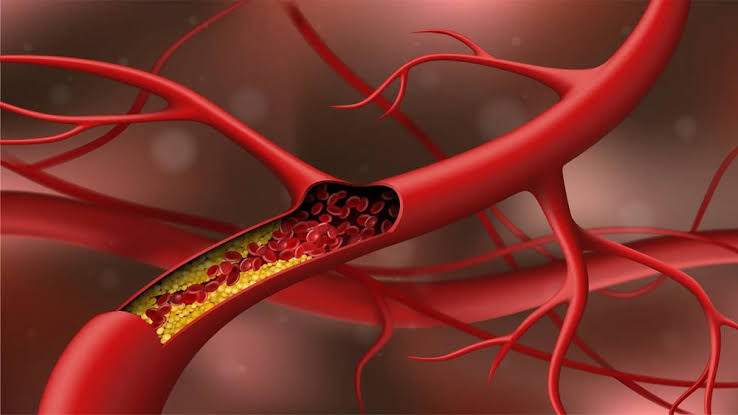
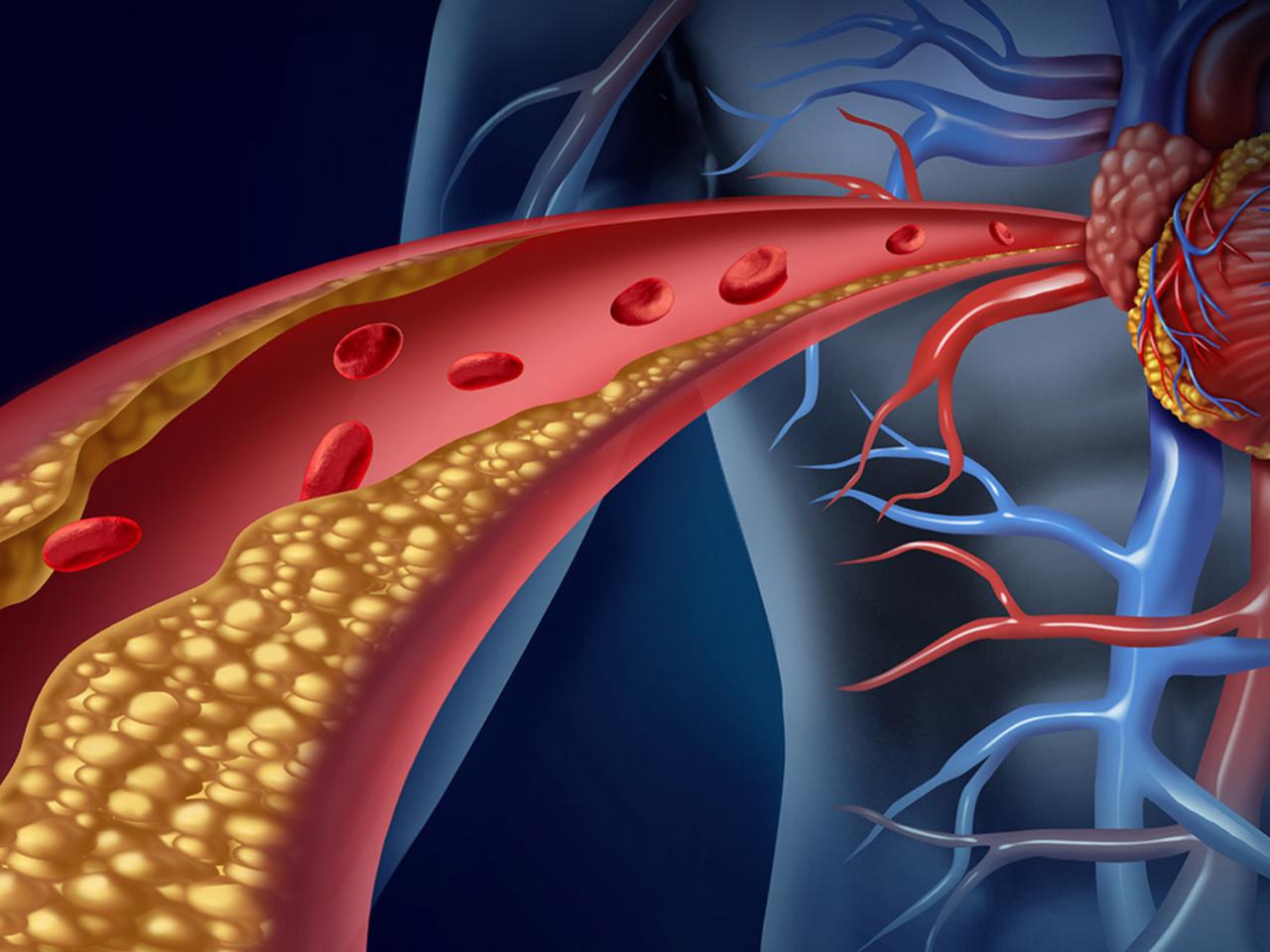
The problem isn't cholesterol itself but having unhealthy levels of certain blood lipids.
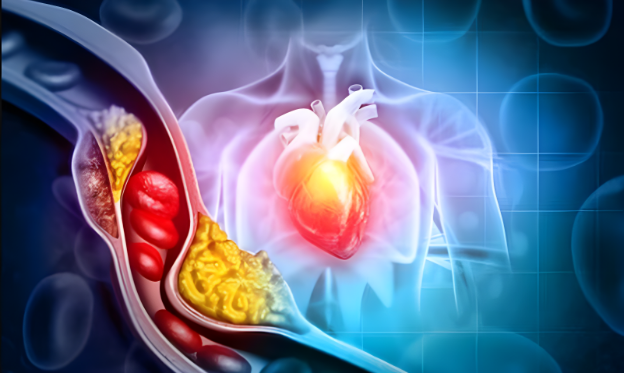
LDL cholesterol is commonly called "bad" cholesterol because elevated levels can contribute to plaque formation inside arteries.
HDL cholesterol helps transport cholesterol away from tissues and back toward the liver.
Triglycerides are another type of blood fat that also matters for cardiovascular health.
Your overall cardiovascular risk depends on much more than one cholesterol number, so results should be interpreted with your healthcare provider.
1. Starting the Morning With a High-Sodium Breakfast
One habit worth reconsidering is regularly eating a breakfast loaded with sodium.
Common high-sodium breakfast foods include:
-
Bacon
-
Sausage
-
Processed ham
-
Breakfast sandwiches
-
Instant noodles
-
Certain frozen breakfast meals
-
Highly processed cheese
-
Some packaged breads and pastries
Sodium is an essential mineral, but many people consume far more than necessary.
A high sodium intake can contribute to increased blood pressure, particularly in people who are salt-sensitive.
When sodium levels rise, the body may retain additional water. This can increase blood volume and contribute to higher pressure within blood vessels.
A Better Morning Choice
Try building breakfast around minimally processed foods such as:
-
Oatmeal
-
Fresh fruit
-
Plain yogurt
-
Eggs
-
Unsalted nuts
-
Whole grains
-
Vegetables
You don't need to eliminate sodium completely. The goal is to reduce excessive intake, especially from heavily processed foods.
2. Making Processed Meat a Daily Breakfast Staple
Bacon and sausage are convenient and flavorful, but eating processed meats every morning may not be ideal for long-term cardiovascular health.
Processed meats often contain:
-
High amounts of sodium
-
Saturated fat
-
Preservatives
Regular high consumption of processed meat has been associated with poorer cardiovascular outcomes in observational research.
That doesn't mean eating bacon once will damage your heart.
Frequency and overall dietary pattern matter.
Try These Protein Alternatives
Consider rotating breakfast proteins such as:
-
Eggs
-
Plain Greek yogurt
-
Cottage cheese
-
Beans
-
Tofu
-
Unsalted nuts
-
Nut butter without excessive added sugar or salt
These foods can provide protein without relying on processed meat every day.
3. Sitting for Hours After Waking Up
For many people, the morning looks like this:
Wake up.
Sit at the breakfast table.
Sit in the car.
Sit at a desk.
And remain seated for several hours.
Long periods of physical inactivity are associated with poorer cardiovascular and metabolic health.
Regular movement, on the other hand, can help:
-
Support healthy blood pressure
-
Improve insulin sensitivity
-
Support weight management
-
Increase cardiovascular fitness
-
Improve cholesterol and triglyceride profiles
You don't necessarily need an intense workout every morning.
Even moderate movement can contribute to your daily activity.
Try a Morning Walk
A brisk 10–30 minute walk can be a practical way to begin your day.
You can also try:
-
Gentle cycling
-
Stretching
-
Bodyweight exercises
-
Walking your dog
-
Taking the stairs
-
A short resistance-training session
The most important thing is finding activity you can perform consistently.
4. Starting the Day With Sugary Drinks and Refined Carbohydrates
A breakfast dominated by added sugar and highly refined carbohydrates may leave you hungry again quickly and can contribute to an overall dietary pattern associated with poor metabolic health.
Examples include:
-
Sugary breakfast cereals
-
Sweetened coffee drinks
-
Donuts
-
Pastries
-
Large muffins
-
Sweetened fruit drinks
-
Soda
-
Some flavored yogurts
These foods aren't automatically forbidden, but relying on them every morning can make it difficult to maintain a nutrient-dense diet.
Frequent excessive intake of added sugars may contribute to:
-
Weight gain
-
Elevated triglycerides
-
Insulin resistance
-
Poorer cardiovascular health
Build a More Balanced Breakfast
A heart-supportive breakfast might combine:
Protein + fiber + healthy fats
For example:
Oatmeal + berries + walnuts + plain Greek yogurt
or
Eggs + vegetables + whole-grain toast + avocado
These combinations can provide longer-lasting fullness and a broader range of nutrients.
5. Smoking First Thing in the Morning
If there's one morning habit with particularly clear cardiovascular consequences, it's smoking.
Tobacco smoke damages blood vessels and contributes to cardiovascular disease in multiple ways.
Smoking can:
-
Temporarily increase blood pressure
-
Increase heart rate
-
Damage the lining of arteries
-
Promote inflammation
-
Increase blood clotting risk
-
Accelerate atherosclerosis
Over time, smoking substantially increases the risk of heart attack, stroke, peripheral artery disease, and many cancers.
Quitting Has Real Benefits
The cardiovascular benefits of quitting begin relatively quickly and continue to accumulate over time.
If quitting feels difficult, evidence-based support can improve the chances of success.
Options may include:
-
Behavioral counseling
-
Nicotine replacement therapy
-
Prescription medications
-
Structured smoking-cessation programs
Talk with a healthcare professional about an approach appropriate for you.
What About Morning Coffee?
Coffee often gets blamed for high blood pressure, but the relationship is more complicated.
Caffeine can cause a temporary increase in blood pressure, particularly in people who don't consume it regularly.
However, moderate coffee consumption can fit into a healthy diet for many adults.
The bigger problem may be what gets added to the coffee.
A large coffee drink containing:
-
Sugar
-
Flavored syrup
-
Whipped cream
-
Sweetened creamers
can become a significant source of added sugar and calories.
A Better Approach
If you enjoy coffee, consider:
-
Plain coffee
-
Coffee with a small amount of milk
-
Unsweetened alternatives
-
Limiting excessive syrups and sugar
People with poorly controlled hypertension, palpitations, pregnancy-related considerations, or strong caffeine sensitivity should discuss caffeine intake with their healthcare provider.
Should You Check Your Blood Pressure in the Morning?
For people monitoring hypertension, home blood pressure measurements can provide valuable information.
However, technique matters.
Before measuring:
-
Sit quietly for about five minutes.
-
Keep your back supported.
-
Place both feet flat on the floor.
-
Avoid talking during the measurement.
-
Support your arm at heart level.
-
Use an appropriately sized cuff.
Depending on your clinician's instructions, you may be asked to measure your blood pressure before breakfast and before taking morning blood pressure medication.
Follow the specific monitoring schedule recommended by your healthcare provider.
Don't Skip Your Medication
Another important morning mistake is forgetting prescribed medication.
If you've been prescribed treatment for:
-
High blood pressure
-
High cholesterol
-
Diabetes
-
Heart disease
take it according to your healthcare provider's instructions.
Do not stop medication simply because your numbers improve.
Improved numbers may mean the treatment is working.
Likewise, don't replace medication with herbal teas, supplements, garlic, lemon water, or other home remedies without discussing the change with your clinician.
A Heart-Friendly Morning Routine
A healthy morning doesn't need to be complicated.
Here's an example:
After Waking
Drink some water if you're thirsty and take a few minutes to wake up.
Move Your Body
Go for a short walk or perform gentle exercise.
Eat a Balanced Breakfast
Try oatmeal topped with berries and walnuts alongside plain yogurt.
Take Prescribed Medication
Follow your healthcare provider's instructions regarding timing.
Start Your Day
Avoid remaining seated for hours. Take brief movement breaks when possible.
Simple routines repeated consistently can become meaningful long-term habits.
Foods That May Support Healthy Cholesterol
Certain foods can contribute to a heart-healthy dietary pattern.
Oats
Oats contain beta-glucan, a soluble fiber associated with reductions in LDL cholesterol when consumed regularly in sufficient amounts.
Beans and Lentils
Legumes provide soluble fiber and plant protein.
Try:
-
Lentils
-
Chickpeas
-
Black beans
-
Kidney beans
Nuts
Walnuts, almonds, pistachios, and other nuts provide unsaturated fats, fiber, and plant protein.
Choose unsalted varieties when possible.
Avocado
Avocados provide monounsaturated fats, fiber, potassium, and other nutrients.
Fatty Fish
Salmon, sardines, trout, and mackerel provide omega-3 fatty acids that are particularly helpful for lowering triglycerides.
Foods That Support Healthy Blood Pressure
Dietary patterns rich in:
-
Fruits
-
Vegetables
-
Whole grains
-
Legumes
-
Nuts
-
Low-fat dairy
-
Fish
and relatively low in sodium and heavily processed foods are associated with better blood pressure control.
The DASH dietary pattern—Dietary Approaches to Stop Hypertension—is one of the best-studied approaches for managing blood pressure.
It emphasizes whole, nutrient-rich foods rather than supplements or miracle ingredients.
Potassium Matters Too
Potassium helps regulate fluid balance and supports normal blood pressure.
Food sources include:
-
Bananas
-
Potatoes
-
Beans
-
Lentils
-
Tomatoes
-
Oranges
-
Leafy greens
-
Avocados
-
Yogurt
For many people, eating more potassium-rich whole foods can be beneficial.
However, individuals with kidney disease or those taking certain medications may need to limit potassium.
Don't start potassium supplements without professional guidance.
Don't Forget Fiber
Fiber plays an important role in cardiovascular and digestive health.
Soluble fiber is particularly useful for cholesterol management.
Good sources include:
-
Oats
-
Barley
-
Beans
-
Lentils
-
Apples
-
Citrus fruits
-
Chia seeds
-
Ground flaxseed
Instead of suddenly consuming huge amounts of fiber, increase your intake gradually and drink adequate fluids.
Does Breakfast Have to Be Eaten Immediately After Waking?
No.
There is no universal rule requiring every healthy adult to eat within minutes of waking.
Some people naturally prefer eating later.
What matters more is the overall quality of your diet and whether your eating schedule works with your health needs and medications.
People with diabetes or those taking medications that affect blood sugar may need more specific meal timing guidance.
What About Eggs and Cholesterol?
Eggs contain dietary cholesterol, which historically led to recommendations that people avoid them.
Current understanding is more nuanced.
For many healthy people, moderate egg consumption can fit into a balanced diet.
The overall dietary pattern—including saturated fat intake—is often more important than focusing on one cholesterol-containing food.
If you have very high LDL cholesterol, familial hypercholesterolemia, diabetes, or cardiovascular disease, discuss your individual dietary needs with a qualified healthcare professional.
Beware of “Cholesterol-Cleansing” Drinks
Online health content often promotes drinks made from ingredients such as:
-
Lemon
-
Garlic
-
Ginger
-
Apple cider vinegar
-
Turmeric
-
Various herbs
These ingredients can certainly be included in a healthy diet.
But no drink can rapidly clean cholesterol out of your arteries.
Atherosclerotic plaque develops over years.
Managing cardiovascular risk typically requires a combination of:
-
Healthy eating
-
Physical activity
-
Weight management when appropriate
-
Avoiding tobacco
-
Blood pressure control
-
Diabetes management
-
Cholesterol-lowering medication when indicated
Be skeptical of products promising to “unclog arteries naturally” within days.
Morning Stress Matters
For some people, mornings are the most stressful part of the day.
Alarm goes off.
Check email.
Read bad news.
Rush to work.
Skip breakfast.
Stress hormones can temporarily influence heart rate and blood pressure.
You can't eliminate all stress, but small changes may help.
Try:
-
Preparing breakfast the night before
-
Waking slightly earlier
-
Avoiding stressful news immediately after waking
-
Practicing slow breathing
-
Taking a short walk
-
Creating a predictable morning schedule
These strategies aren't substitutes for medical treatment, but they can support overall well-being.
Sleep and Morning Heart Health
A healthy morning actually begins the night before.
Chronic insufficient sleep is associated with an increased risk of several cardiovascular and metabolic problems.
Most adults should aim for at least seven hours of sleep per night, although individual needs vary.
Persistent loud snoring, gasping during sleep, morning headaches, and severe daytime sleepiness may indicate sleep apnea, a condition strongly associated with high blood pressure.
If these symptoms occur regularly, medical evaluation is important.
Five Better Morning Swaps
Instead of processed sausage and bacon, try eggs, yogurt, beans, or tofu.
Instead of sugary cereal, try oatmeal with fruit.
Instead of a heavily sweetened coffee drink, choose plain coffee or reduce added sugar.
Instead of sitting immediately for several hours, take a short walk.
Instead of smoking after waking, seek evidence-based support for quitting.
Small substitutions can gradually reshape your overall lifestyle.
When Should You See a Healthcare Professional?
High blood pressure and high cholesterol often cause no obvious symptoms.
That's why routine screening matters.
Talk with your healthcare provider about how often your blood pressure and cholesterol should be checked based on your:
-
Age
-
Family history
-
Medical conditions
-
Current medications
-
Smoking history
-
Overall cardiovascular risk
Seek urgent medical attention for symptoms such as:
-
Chest pain or pressure
-
Sudden severe shortness of breath
-
Fainting
-
Sudden weakness or numbness on one side
-
Sudden difficulty speaking
-
Sudden severe neurological symptoms
These symptoms should not be managed with dietary changes or home remedies.
Common Myths About Morning Heart Health
Myth 1: Lemon Water Lowers Cholesterol Immediately
Lemon can be part of a healthy diet, but lemon water isn't a cholesterol medication.
Myth 2: You Must Avoid All Fat
Healthy unsaturated fats from nuts, seeds, olive oil, avocado, and fish can be part of a heart-healthy diet.
Myth 3: High Blood Pressure Always Causes Symptoms
Often, it doesn't.
Regular measurement is the only reliable way to know your blood pressure.
Myth 4: If Your Cholesterol Improves, You Can Stop Medication
Never discontinue prescribed cholesterol medication without consulting your healthcare provider.
Myth 5: One Healthy Breakfast Cancels Out an Unhealthy Diet
Cardiovascular health reflects long-term patterns, not individual meals.
The Bottom Line
Your morning routine can become an important part of a heart-healthy lifestyle.
Five habits worth reconsidering are:
1. Regularly eating high-sodium breakfasts.
2. Making processed meats an everyday staple.
3. Remaining sedentary for hours after waking.
4. Starting the day with excessive added sugar and refined carbohydrates.
5. Smoking first thing in the morning—or at any time of day.
Changing these habits won't instantly normalize blood pressure or cholesterol, but they can contribute to a healthier overall lifestyle when maintained consistently.
Final Thoughts
Protecting your heart doesn't require a perfect morning routine or a collection of expensive supplements.
The fundamentals remain remarkably simple: eat mostly nutrient-dense foods, limit excessive sodium and heavily processed foods, stay physically active, avoid tobacco, sleep adequately, and take prescribed medications consistently.
Start with changes you can realistically maintain.
Replace one processed breakfast with oatmeal and fruit. Walk for 15 minutes before work. Reduce the sugar in your morning coffee. Add nuts, beans, vegetables, or whole grains to your meals.
Most importantly, remember that high blood pressure and high cholesterol can remain silent for years. Don't rely on how you feel to determine whether your numbers are healthy.
Regular screening and appropriate medical care, combined with sustainable daily habits, offer a far stronger strategy for protecting your cardiovascular health than any single “heart-healthy” food or morning remedy.