For centuries, ginger has been used as both a food and a traditional remedy. Today, you’ll find it everywhere - from ginger tea and smoothies to supplements, wellness shots, and those viral morning routines claiming that a small piece of ginger before breakfast can transform your health.
For men in particular, social media posts often make some pretty wild promises. Ginger is said to increase testosterone, improve sexual performance, melt belly fat, protect the heart, lower blood sugar, boost immunity, and even “detox” the body—all before breakfast.
So, what actually happens when men consume ginger in the morning?
Ginger does contain several biologically active compounds, and research suggests it may offer genuine health benefits. However, timing isn't magic. There is currently little evidence that eating ginger specifically first thing in the morning produces dramatically different effects from consuming it at another time of day.
Still, adding ginger to a healthy morning routine can be a simple way to incorporate this nutritious spice into your diet.
Here’s what men should know about its potential benefits, limitations, and safety.

What Makes Ginger So Interesting?
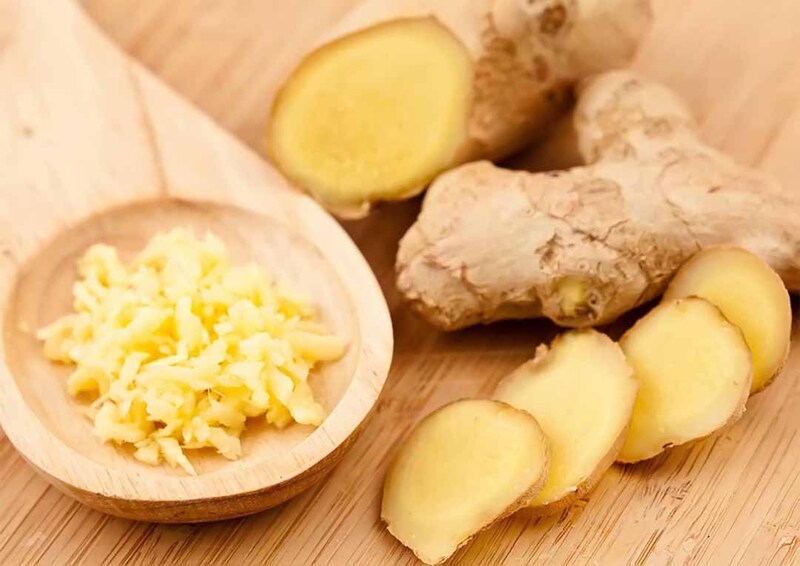
Ginger comes from the rhizome of the plant Zingiber officinale.
Its distinctive spicy flavor comes from naturally occurring compounds, particularly gingerols.
Fresh ginger contains compounds including:
-
Gingerols
-
Shogaols
-
Zingerone
-
Various phenolic compounds
These substances have been studied for antioxidant, anti-inflammatory, gastrointestinal, and metabolic effects.
Interestingly, processing changes ginger's chemistry. Fresh ginger tends to contain more gingerols, while drying or heating can increase concentrations of certain shogaols.
That doesn't necessarily mean one form is always healthier than another.
Fresh ginger, dried ginger, and ginger tea can all fit into a healthy diet.
1. Ginger May Help Support Digestive Comfort
One of ginger's best-established uses involves the digestive system.
Ginger has long been used to ease nausea, and modern research supports its usefulness for certain types of nausea.
It may also influence gastric motility, meaning how quickly food moves from the stomach into the small intestine.
For some people, this may help with sensations such as:
-
Fullness
-
Bloating
-
Mild digestive discomfort
-
Nausea
Starting the morning with ginger tea may therefore feel particularly pleasant if you commonly wake with mild stomach discomfort.
However, ginger isn't a cure for chronic digestive disease.
Persistent abdominal pain, vomiting, difficulty swallowing, blood in the stool, or unexplained weight loss requires medical evaluation.
2. It May Have Anti-Inflammatory Effects
Inflammation isn't automatically bad.
Acute inflammation is part of the body's normal response to infection and injury.
The problem is chronic low-grade inflammation, which is associated with numerous metabolic and cardiovascular conditions.
Ginger contains compounds that interact with inflammatory pathways in laboratory and clinical research.
Regular ginger consumption may modestly influence certain markers of inflammation in some populations.
This could potentially be relevant for men dealing with metabolic conditions or chronic inflammatory states.
But eating ginger doesn't “turn inflammation off.”
Your overall lifestyle remains far more important.
That includes:
-
Maintaining an appropriate body weight
-
Exercising regularly
-
Getting adequate sleep
-
Avoiding smoking
-
Eating a nutrient-rich diet
Think of ginger as one ingredient in that larger pattern.
3. Ginger May Support Heart and Metabolic Health
Cardiovascular disease remains a major health concern for men worldwide.
Several studies have investigated whether ginger may influence cardiovascular risk factors such as:
-
Blood pressure
-
Blood glucose
-
Triglycerides
-
Cholesterol
Some research suggests ginger supplementation may produce modest improvements in certain metabolic markers.
However, study results vary, and supplements often provide concentrated doses that are very different from adding a few slices of ginger to breakfast.
What This Means Practically
Ginger can be part of a heart-supportive diet.
But it doesn't replace proven cardiovascular strategies such as:
Managing blood pressure, controlling LDL cholesterol, exercising, avoiding tobacco, and taking prescribed medication when necessary.
A cup of ginger tea can't cancel out smoking, uncontrolled hypertension, or consistently high saturated-fat intake.
4. Ginger May Have Some Benefits for Blood Sugar Regulation
Ginger has also attracted attention for its potential effects on glucose metabolism and insulin sensitivity.
Some clinical studies involving people with type 2 diabetes have reported improvements in certain measures of blood glucose control after ginger supplementation.
That's interesting—but it doesn't mean ginger treats diabetes on its own.
Diabetes management may require:
-
Dietary changes
-
Physical activity
-
Weight management
-
Blood glucose monitoring
-
Medication
-
Insulin
depending on the individual.
Should Men With Diabetes Drink Ginger Tea?
Unsweetened ginger tea can generally be a low-calorie beverage.
The problem often appears when people transform it into:
Ginger + large amounts of honey + sugar + syrup.
At that point, the added sugar may work against the original metabolic goal.
If blood sugar management is your priority, keep the drink unsweetened or minimally sweetened.
5. Could Ginger Help With Weight Management?
This is where online claims often become exaggerated.
You may have seen statements such as:
“Eat ginger every morning and watch belly fat disappear.”
Unfortunately, human metabolism doesn't work that way.
No food selectively burns abdominal fat.
Some studies suggest ginger supplementation may modestly influence:
-
Appetite
-
Thermogenesis
-
Body weight
-
Waist circumference
in certain populations.
But the effects, where present, are generally modest.
What Actually Drives Fat Loss?
Long-term fat loss primarily depends on sustained energy balance.
That means consistently consuming less energy than your body expends over time while maintaining adequate nutrition.
Ginger may complement a weight-management diet, but it cannot override chronic excess calorie intake.

6. Ginger May Help With Exercise-Related Muscle Soreness
This potential benefit may be especially interesting for men who train regularly.
Research suggests that consuming ginger consistently may modestly reduce exercise-induced muscle soreness in some circumstances.
The proposed explanation involves ginger's effects on inflammatory and pain-related pathways.
That doesn't mean ginger works like an instant painkiller.
You probably won't drink ginger tea after the gym and suddenly eliminate muscle soreness.
The effect appears to be more subtle.
For Better Recovery, Prioritize the Basics
Muscle recovery depends heavily on:
-
Adequate protein
-
Sufficient calories
-
Sleep
-
Hydration
-
Appropriate training volume
-
Rest and recovery
Ginger is an optional addition—not the foundation.
7. What About Testosterone?
Now we get to one of the most popular claims about ginger and men's health.
Search online and you'll find headlines suggesting:
“Ginger dramatically boosts testosterone.”
The evidence isn't strong enough to make that claim confidently for healthy men.
Some animal studies and limited human research have suggested possible effects on testosterone or reproductive parameters under particular circumstances.
Researchers have proposed mechanisms involving:
-
Oxidative stress
-
Blood flow
-
Testicular function
-
Hormonal signaling
But high-quality human evidence remains limited.
Can Men Use Ginger as a Testosterone Booster?
It shouldn't be treated as a proven testosterone therapy.
If you have symptoms that genuinely suggest low testosterone, such as persistent:
-
Reduced libido
-
Erectile problems
-
Loss of muscle mass
-
Low energy
-
Reduced body hair
-
Fertility difficulties
don't try to diagnose yourself based on symptoms alone.
Testosterone levels can be measured with appropriate blood testing, and symptoms can have many other causes.
8. Could Ginger Improve Male Fertility?
Ginger is sometimes promoted as a natural fertility remedy.
Again, the evidence requires caution.
Some experimental studies suggest ginger's antioxidant compounds could potentially influence oxidative stress, which is relevant because excessive oxidative stress can damage sperm.
Limited studies have also investigated effects on sperm parameters.
However, this isn't enough to conclude that ginger reliably treats male infertility.
Male fertility can be affected by many factors, including:
-
Varicocele
-
Hormonal disorders
-
Genetic conditions
-
Infections
-
Smoking
-
Heavy alcohol consumption
-
Obesity
-
Certain medications
-
Heat exposure
-
Age
If a couple is experiencing fertility difficulties, eating more ginger isn't a substitute for appropriate medical evaluation.
9. Does Ginger Improve Erectile Function?
This claim also appears frequently online.
Erectile function depends on a complicated interaction between:
-
Blood vessels
-
Nerves
-
Hormones
-
Psychological factors
-
Cardiovascular health
Because ginger contains bioactive compounds that have been studied for cardiovascular effects, some people extrapolate that ginger must improve erections.
That's a leap beyond the available evidence.
There isn't strong clinical evidence establishing ginger as an effective treatment for erectile dysfunction.
Why Erectile Dysfunction Shouldn't Be Ignored
Persistent erectile dysfunction can sometimes be associated with:
-
Diabetes
-
Cardiovascular disease
-
High blood pressure
-
Obesity
-
Low testosterone
-
Medication effects
-
Anxiety or depression
Because penile arteries are relatively small, vascular problems can sometimes become noticeable through erectile symptoms.
Persistent ED deserves proper evaluation rather than relying solely on herbal remedies.
10. Ginger Provides Antioxidant Compounds
Your body continuously produces reactive molecules during normal metabolism.
When oxidative stress exceeds the body's ability to manage it, cellular components can become damaged.
Ginger contains plant compounds with antioxidant activity.
However, the idea that antioxidants simply “clean toxins” from the body is misleading.
Your body already has sophisticated antioxidant and detoxification systems involving:
-
Enzymes
-
The liver
-
Kidneys
-
Lungs
-
Gastrointestinal tract
Ginger contributes phytochemicals to the diet.
It doesn't perform a magical detox.
Does Eating Ginger in the Morning Matter?
Probably much less than social media suggests.
There isn't convincing evidence that:
7 AM ginger = powerful health benefits
while:
7 PM ginger = no benefits.
Your body doesn't suddenly stop responding to ginger after breakfast.
What matters more is:
-
How much you're consuming
-
How consistently you consume it
-
What the rest of your diet looks like
-
Your overall health
Morning consumption may simply be convenient.
And consistency is easier when something becomes part of a routine.
Should You Eat Ginger on an Empty Stomach?
You can—but you don't necessarily need to.
Some people tolerate fresh ginger perfectly well before breakfast.
Others may experience:
-
Heartburn
-
Stomach irritation
-
Burning sensation
-
Abdominal discomfort
If ginger bothers your stomach when consumed alone, have it with food instead.
There's no established health advantage that makes stomach discomfort worthwhile.
How Much Ginger Should You Eat?
There isn't one perfect amount for everyone.
Using ginger in ordinary culinary quantities is generally well tolerated by healthy adults.
For example, you might use:
-
A few thin slices in tea
-
A small amount grated into oatmeal
-
Ginger in smoothies
-
Ginger added to meals
Supplements are different because they can provide much more concentrated doses.
More isn't automatically better.
Large quantities may increase the likelihood of side effects.
An Easy Morning Ginger Tea
One of the simplest ways to consume ginger is tea.
You Need:
-
Fresh ginger
-
Hot water
Optional additions include:
-
Lemon
-
Cinnamon
-
A small amount of honey
Preparation
Slice or grate a small amount of fresh ginger.
Add it to hot water.
Allow it to steep for several minutes.
Drink it warm.
That's it.
You don't need a complicated “detox recipe.”
Be Careful With Honey
Honey is often added to ginger tea and can make it much more enjoyable.
But honey is still a source of sugar.
A teaspoon isn't necessarily a problem for most people, but repeatedly pouring several tablespoons into a drink changes its nutritional profile considerably.
If you're trying to manage:
-
Diabetes
-
Prediabetes
-
Weight
-
High triglycerides
keep added sugars modest.
Ginger + Lemon: Is It Better?
Ginger and lemon make a refreshing combination.
Lemon provides vitamin C and flavor.
But adding lemon doesn't transform ginger tea into a detox beverage.
The main advantage may be that it helps you drink an unsweetened beverage instead of:
-
Soda
-
Sweetened coffee
-
Energy drinks
That's a genuinely useful substitution.
Ginger Shots: Healthy or Overhyped?
Ginger shots have become extremely popular.
They're usually concentrated mixtures containing ingredients such as:
-
Ginger
-
Lemon
-
Turmeric
-
Cayenne
-
Apple juice
They can provide plant compounds, but they're not essential.
Some commercial versions also contain significant amounts of fruit juice or added sugar.
And because they're concentrated, they may irritate sensitive stomachs.
You don't need to experience a burning sensation for ginger to “work.”
Ginger and Turmeric Together
Ginger and turmeric belong to the same botanical family and both contain interesting phytochemicals.
Combining them is generally fine in food.
However, viral posts sometimes present ginger and turmeric as a replacement for medication.
They aren't.
If you're taking medication that affects blood clotting or have other relevant medical conditions, concentrated herbal supplements deserve additional caution.
Can Ginger Lower Blood Pressure Too Much?
Ginger has been studied for potential blood-pressure effects, although the magnitude and consistency of the effect vary.
For most healthy people using normal culinary amounts, this isn't a major concern.
But people taking blood pressure medication should be more cautious with high-dose supplements, especially if they experience:
-
Dizziness
-
Lightheadedness
-
Weakness
Never stop prescribed medication in favor of ginger.
Can Ginger Interact With Blood-Thinning Medication?
This is an important safety question.
Ginger may have effects on platelet function or blood clotting under certain conditions, although the clinical significance varies.
People taking anticoagulant or antiplatelet medication should discuss high-dose ginger supplements with their healthcare professional.
Examples of medications affecting clotting include certain drugs used after:
-
Heart attack
-
Stroke
-
Blood clots
-
Heart procedures
Normal amounts used in food are different from concentrated supplements.
Who Should Be Careful With Ginger?
Extra caution may be appropriate if you:
-
Take anticoagulant or antiplatelet medication
-
Take multiple diabetes medications
-
Take blood pressure medication
-
Have significant gastrointestinal sensitivity
-
Have certain gallbladder conditions
-
Are preparing for surgery
-
Use concentrated ginger supplements
If you have a chronic medical condition or take several medications, discuss supplements with your doctor or pharmacist.
Possible Side Effects of Too Much Ginger
Ginger is generally well tolerated, but excessive intake may cause:
-
Heartburn
-
Abdominal discomfort
-
Diarrhea
-
Mouth or throat irritation
-
Gas
The solution isn't complicated:
Reduce the amount.
A food doesn't become healthier simply because you consume more of it.
Can Ginger Replace Your Morning Coffee?
If you enjoy ginger tea, sure.
It contains no caffeine unless mixed with caffeinated tea.
This can be useful for men who want to reduce caffeine intake.
However, moderate coffee consumption can also fit into a healthy diet for many adults.
There's no medical requirement to replace coffee with ginger unless caffeine causes problems such as:
-
Anxiety
-
Palpitations
-
Reflux
-
Insomnia
Choose based on your individual response.
A Better Morning Routine for Men's Health
Instead of expecting ginger to do everything, combine it with habits that have much stronger evidence.
A useful morning might look like:
1. Hydrate
Drink water according to thirst and individual needs.
2. Eat a Protein-Rich Breakfast
Options might include:
-
Eggs
-
Plain Greek yogurt
-
Cottage cheese
-
Tofu
-
Beans
Protein can support satiety and muscle maintenance.
3. Add Fiber
Include:
-
Oats
-
Whole fruit
-
Whole grains
-
Nuts
-
Seeds
Fiber supports digestive and cardiovascular health.
4. Move
Even a short morning walk can contribute to daily physical activity.
5. Add Ginger If You Enjoy It
Put it in tea, oatmeal, smoothies, or food.
Now ginger becomes part of a healthy routine rather than the entire routine.
Men Over 40: What Matters More Than Ginger
If you're a man entering your 40s, 50s, or beyond, there are several health factors that deserve far more attention than any individual superfood.
Know your:
-
Blood pressure
-
LDL cholesterol
-
Blood glucose or A1C when appropriate
-
Body weight and waist circumference
-
Family history
Keep up with recommended health screenings.
Don't smoke.
Exercise regularly.
Prioritize resistance training to preserve muscle as you age.
Get adequate sleep.
And seek medical attention for persistent symptoms rather than attempting to solve everything with supplements.
What About Prostate Health?
Ginger is sometimes marketed specifically for prostate health.
Although laboratory research has investigated ginger compounds in many biological contexts, there's insufficient evidence to claim that eating ginger every morning prevents prostate cancer or treats prostate disease.
Men with symptoms such as:
-
Difficulty urinating
-
Weak urine stream
-
Blood in urine
-
Persistent pelvic discomfort
should seek medical evaluation.
Don't attempt to treat persistent urinary symptoms with ginger.
Can Ginger Prevent Cancer?
No food has been proven to make someone cancer-proof.
Ginger compounds have been studied in laboratory research for potential anticancer mechanisms.
But effects in cells or animals don't automatically translate into proven cancer prevention or treatment in humans.
For reducing cancer risk, focus on established strategies such as:
-
Avoiding tobacco
-
Maintaining an appropriate body weight
-
Exercising regularly
-
Limiting alcohol
-
Eating plenty of plant foods
-
Participating in recommended screening programs
Ginger can be part of that diet—but it isn't cancer treatment.
Fresh Ginger vs. Ginger Powder
Both can be useful.
Fresh Ginger
Works well in:
-
Tea
-
Smoothies
-
Stir-fries
-
Soups
It provides a bright, spicy flavor.
Ground Ginger
Works well in:
-
Oatmeal
-
Baking
-
Curries
-
Warm drinks
Processing changes the proportions of ginger's bioactive compounds, but there is no need to obsess over which version is “best.”
Use whichever helps you consume ginger consistently and comfortably.
Food vs. Supplements
This distinction matters.
Adding ginger to food is generally low risk for most healthy adults.
Supplements can deliver concentrated amounts.
A capsule labeled “ginger extract” isn't necessarily equivalent to eating a small slice of ginger.
Higher doses may:
-
Increase side effects
-
Interact with medications
-
Produce stronger physiological effects
Don't assume that because ginger is natural, unlimited doses are harmless.
Does Ginger Boost Immunity?
Ginger contains compounds with antioxidant and anti-inflammatory properties, but describing it as an “immune booster” oversimplifies human immunity.
Your immune system requires adequate:
-
Protein
-
Vitamin A
-
Vitamin C
-
Vitamin D
-
Zinc
-
Selenium
-
Iron
-
Other nutrients
It also depends on sleep, vaccination, age, underlying health, and many other factors.
One cup of ginger tea doesn't suddenly create a stronger immune system.
A nutritious dietary pattern supports normal immune function much more effectively.
Does Ginger Give You More Energy?
Ginger isn't a stimulant like caffeine.
If you feel more awake after drinking ginger tea, several explanations are possible:
-
The strong flavor feels stimulating.
-
You're becoming hydrated.
-
You've replaced a heavy sugary drink.
-
The routine itself makes you feel refreshed.
But ginger doesn't provide a caffeine-like energy boost.
If you're persistently exhausted despite adequate sleep, investigate the underlying cause rather than repeatedly increasing ginger intake.
What If You Exercise in the Morning?
A ginger-containing breakfast can fit perfectly well before or after exercise.
For example:
Oatmeal + banana + Greek yogurt + a little ginger
provides carbohydrates and protein alongside ginger.
After resistance training, prioritize adequate protein and total nutrition.
Don't rely on ginger shots as your recovery strategy.
Your muscles need amino acids - not just phytochemicals.

Can You Eat Raw Ginger?
Yes, many people can.
But raw ginger is strong.
Start with a small amount.
You can:
-
Chew a thin slice
-
Grate it into food
-
Add it to water
-
Blend it into a smoothie
If raw ginger irritates your stomach or mouth, cook it or steep it in tea instead.
There is no prize for eating it raw.
What Happens If You Eat Ginger Every Day?
For most healthy adults, consuming moderate culinary amounts of ginger regularly can fit into a balanced diet.
Over time, you're adding additional phytochemicals and flavor without much energy intake.
Potential benefits may include support for:
-
Digestive comfort
-
Nausea management
-
Overall dietary quality
-
Certain metabolic markers
But don't expect dramatic overnight transformations.
Most meaningful health improvements occur through consistent habits maintained for months or years.
What Ginger Cannot Do
It's worth being very clear.
Ginger cannot reliably:
❌ Melt belly fat overnight
❌ Cure diabetes
❌ Replace cholesterol medication
❌ Guarantee higher testosterone
❌ Cure erectile dysfunction
❌ Treat male infertility by itself
❌ Detox your liver
❌ Prevent every cancer
❌ Replace exercise
Those claims may generate clicks, but they aren't supported by strong clinical evidence.
What Ginger CAN Be
Ginger can be:
✔ A flavorful addition to a healthy diet
✔ A useful option for certain forms of nausea
✔ A source of bioactive plant compounds
✔ A caffeine-free morning beverage
✔ Part of an anti-inflammatory dietary pattern
✔ A convenient replacement for sugary morning drinks
That's already plenty.
We don't need to turn ginger into a miracle cure for it to be worth eating.
A Simple 7-Day Morning Ginger Routine
If you want to experiment with ginger, keep it uncomplicated.
Day 1
Warm ginger tea with breakfast.
Day 2
Add grated ginger to oatmeal.
Day 3
Blend a small amount of ginger with berries and plain yogurt.
Day 4
Ginger tea with lemon.
Day 5
Add ginger to eggs, vegetables, or another savory breakfast.
Day 6
Try ginger with an unsweetened smoothie.
Day 7
Choose whichever version you enjoyed most.
Pay attention to how your digestive system responds.
If ginger causes persistent heartburn or discomfort, there's no reason to force it.
The Bottom Line
Starting your morning with ginger can be a healthy habit for many men—but not because 7 AM has some special biological effect.
Ginger contains compounds such as gingerols and shogaols that have been investigated for effects related to inflammation, digestion, oxidative stress, glucose metabolism, and cardiovascular health.
Research suggests ginger may provide modest benefits in some of these areas.
However, claims that morning ginger dramatically increases testosterone, cures erectile dysfunction, melts abdominal fat, or prevents serious diseases go beyond what the evidence currently supports.
The best approach is simple:
Use ginger as food—not as medicine unless advised otherwise by a healthcare professional.
Final Thoughts
If you enjoy ginger, adding a little to your morning routine is a pretty solid habit.
Drink unsweetened ginger tea.
Add fresh ginger to breakfast.
Use it in smoothies.
Combine it with nutritious foods.
But don't make the classic wellness mistake of focusing intensely on one “superfood” while ignoring the basics.
For men's long-term health, regular exercise, resistance training, adequate sleep, a high-quality diet, healthy blood pressure, controlled cholesterol, appropriate blood glucose, avoiding tobacco, and recommended medical screening matter much more than whether you eat ginger before or after breakfast.
And if your goal is specifically to address low testosterone, erectile dysfunction, infertility, diabetes, or cardiovascular disease, don't rely on ginger alone. Those problems deserve proper evaluation.
Ginger can support a healthy lifestyle. It doesn't replace one.