“Fish Eyes” Aren’t Calluses—They’re Often Caused by a Virus
Many people notice small, rough spots on their feet or hands and assume they’re just calluses from pressure or friction. In some places, these spots are even nicknamed “fish eyes.” But in many cases, they’re not calluses at all—they’re actually warts caused by a virus.
Understanding the difference matters, because the cause, treatment, and prevention are not the same.
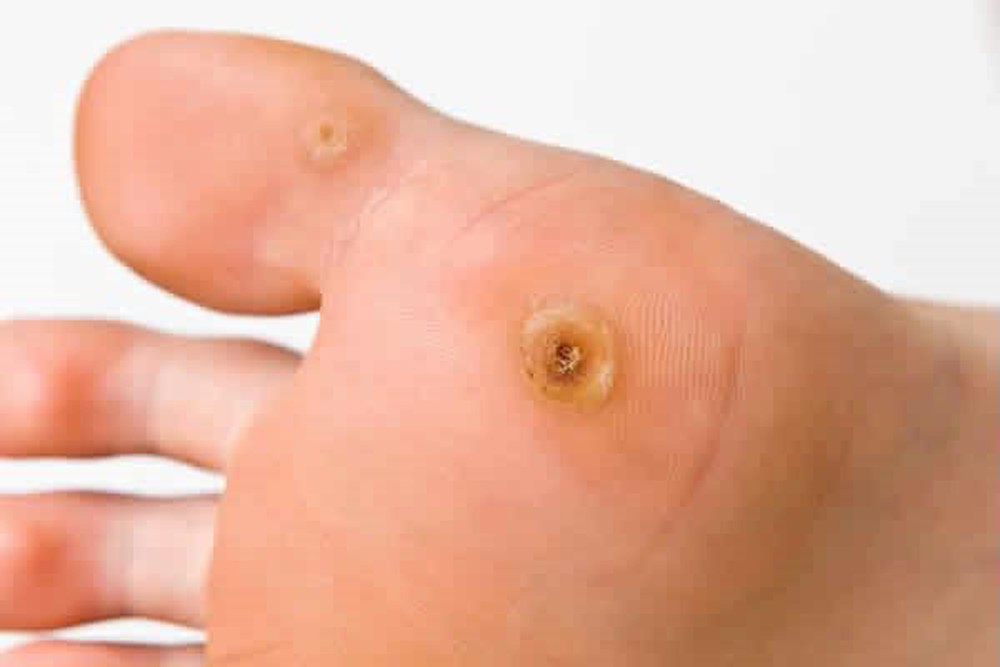
What Are “Fish Eyes” Really?
What people often call “fish eyes” are usually plantar warts, a type of skin growth caused by the human papillomavirus (HPV). This virus enters the skin through tiny cuts or breaks and triggers rapid cell growth, forming a thick, rough area.
They commonly appear on the soles of the feet, especially in areas that تحمل weight like the heel or ball of the foot.
How Are They Different from Calluses?
While they may look similar at first glance, there are key differences:
- Calluses develop from repeated friction or pressure and are generally painless.
- Warts (fish eyes) are caused by a virus and may be painful, especially when pressed.
- Warts often have tiny black dots (clotted blood vessels) inside them.
- The natural lines of your skin may be interrupted over a wart, but usually continue across a callus.
Why Do They Appear?
Plantar warts develop when HPV infects the skin. You’re more likely to get them if you:
- Walk barefoot in public places like pools, gyms, or locker rooms
- Have small cuts or cracks in your skin
- Have a weakened immune system
- Experience frequent pressure on certain areas of your feet
The virus thrives in warm, moist environments, making feet especially vulnerable.
Are They Contagious?
Yes, warts can spread—both to other parts of your own body and to other people. Direct contact or sharing items like towels, socks, or shoes can increase the risk of transmission.
How Can You Treat Them?
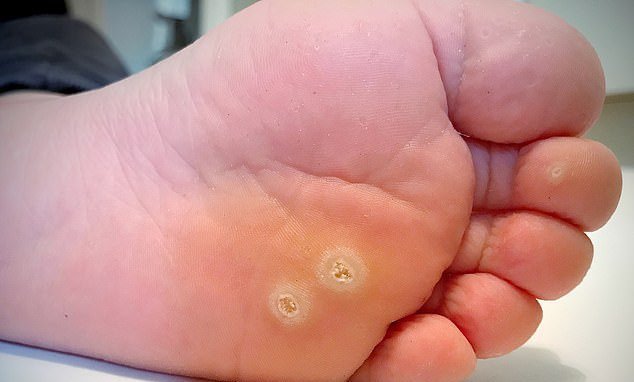
Treatment depends on the severity and persistence of the wart:
- Over-the-counter treatments: Products with salicylic acid can gradually remove the wart.
- Cryotherapy: A doctor may freeze the wart using liquid nitrogen.
- Medical procedures: In stubborn cases, laser treatment or minor surgery may be recommended.
It’s important not to pick at or cut the wart yourself, as this can spread the virus.
How to Prevent Them
- Avoid walking barefoot in public areas
- Keep your feet clean and dry
- Don’t share personal items like shoes or towels
- Cover any cuts or broken skin on your feet
- Wear flip-flops in communal showers or pools
Final Thoughts

Not every rough patch of skin is just a harmless callus. If you notice something unusual—especially if it’s painful or doesn’t go away—it could be a viral wart rather than simple thickened skin.
Recognizing the difference is the first step toward proper treatment and preventing it from spreading. If you’re unsure, it’s always best to consult a healthcare professional for an accurate diagnosis.
“Fish Eyes” Aren’t Just Calluses: The Viral Skin Condition You Should Know About
Have you ever noticed a small, rough patch of skin on the sole of your foot that feels as though a tiny stone is stuck beneath it? Perhaps it hurts when you walk, becomes uncomfortable when you stand for a long time, or looks like a hard, circular spot with a tiny dark center.
Many people call these growths “fish eyes.” Because they resemble ordinary calluses, they are often ignored or treated by scraping, trimming, or applying products designed to soften thickened skin.
However, some of these growths are not calluses at all. They may be plantar warts, which are caused by certain types of human papillomavirus (HPV).
Recognizing the difference matters. Calluses develop mainly because of repeated pressure or friction, while plantar warts result from a viral infection of the skin. Their appearance can overlap, but their causes and appropriate treatments are different.
The good news is that plantar warts are usually harmless, and several treatment options are available. Some disappear without treatment, while others persist for months or even years. Knowing when to seek medical advice can help prevent unnecessary pain, skin damage, and the spread of the virus.
In this article, we will explore what “fish eyes” really are, how to distinguish plantar warts from calluses and corns, why these growths develop, how they spread, and which treatments may help. We will also discuss practical prevention strategies and warning signs that should not be ignored.
1. What Are “Fish Eyes” Really?
The expression “fish eye” is a common informal name for a small, round, thickened skin lesion, particularly one that appears on the sole of the foot and hurts when pressure is applied.
In some cases, the lesion is a plantar wart. In other cases, it may be a corn, a callus, or another skin condition.
The nickname alone cannot establish the diagnosis.
Understanding Plantar Warts
Plantar warts are growths that develop on the soles of the feet. They are caused by certain types of HPV, a group of viruses that can infect the outer layer of the skin.
When the virus enters through tiny breaks or damaged areas in the skin, it can cause localized changes in the growth of skin cells. Over time, this may produce a rough, thickened lesion.
Plantar warts commonly appear on weight-bearing areas, including the heels and the balls of the feet. They can also occur near the toes or in other areas of the sole.
Because walking and standing repeatedly place pressure on these areas, the wart may grow inward beneath layers of thickened skin rather than forming a clearly raised bump.
This can make it look similar to a callus.
Why Do Plantar Warts Sometimes Have Black Dots?
One characteristic feature of plantar warts is the presence of tiny dark dots within the lesion.
These dots may represent small blood vessels that have clotted or become visible within the wart. They are sometimes mistaken for dirt, splinters, or trapped debris.
However, not every plantar wart has visible dark dots. Likewise, dark spots alone do not prove that a lesion is a wart.
The appearance of a growth should always be considered alongside its location, texture, pain pattern, and medical history.
Are Plantar Warts Dangerous?
Most plantar warts are benign and do not develop into cancer. Nevertheless, they can cause discomfort, interfere with walking, and spread to other areas of the skin or to other people.
Some disappear spontaneously as the immune system controls the infection. Others remain for a long time or return after treatment.
The main reasons to address a plantar wart are persistent pain, difficulty walking, repeated spread, and uncertainty about whether the lesion has been correctly identified.
A dermatologist or other qualified healthcare professional can examine the area and recommend appropriate care.
2. How Are Plantar Warts Different From Calluses?
At first glance, plantar warts and calluses can look remarkably similar. Both may produce thickened skin, and both commonly occur on the feet.
The key difference is their cause.
Calluses develop in response to repeated pressure or friction. Plantar warts develop because of a viral infection.
This distinction affects how each condition should be managed.
Calluses: The Skin’s Response to Pressure
A callus is an area of thickened outer skin that develops when a particular part of the body experiences repeated rubbing or pressure.
On the feet, calluses often appear beneath the heel, the ball of the foot, or other areas that bear weight.
They are common among people who walk or stand for long periods, wear poorly fitting shoes, participate in activities that create repeated friction, or have an uneven distribution of pressure across the feet.
Calluses usually have a broad area of thickened skin rather than a distinct, isolated growth. The surface may look yellowish, dry, or rough.
They are often painless, although a thick callus can become uncomfortable if pressure is concentrated in one area or if the skin develops cracks.
Calluses are not contagious because they are not caused by an infection.
Plantar Warts: A Viral Growth
A plantar wart may appear as a small, round, rough lesion surrounded by thicker skin.
The normal skin lines may stop or change direction as they cross the wart. Tiny dark dots may also be visible.
Unlike an ordinary callus, a plantar wart may be painful when squeezed from the sides. Direct pressure can hurt as well, particularly when the wart lies on a weight-bearing area.
However, these signs are not definitive. Some warts do not have obvious dark dots, and some calluses or corns can also be painful.
A professional examination is useful when the diagnosis is uncertain.
Corns: Another Condition That Can Resemble a “Fish Eye”
Corns are often confused with both calluses and plantar warts.
A corn is a small area of thickened skin that develops in response to concentrated pressure or friction. Unlike a broad callus, it usually has a more localized shape and may contain a firm central core.
Corns often appear on or between the toes, although they can develop elsewhere on the foot.
They can be painful when pressed directly because the thickened central area concentrates pressure on the underlying tissue.
Like calluses, corns are not caused by HPV and are not contagious.
A Simple Comparison
| Feature | Plantar wart | Callus | Corn |
|---|---|---|---|
| Main cause | HPV infection | Repeated friction or pressure | Concentrated friction or pressure |
| Typical appearance | Rough, localized growth | Broad area of thickened skin | Small, localized thickening with a central core |
| Dark dots | May be present | Not typical | Not typical |
| Skin lines | May be interrupted | Usually continue across the area | May be difficult to assess |
| Pain | May hurt with side pressure or walking | Often mild or absent | Often hurts with direct pressure |
| Contagious | Can spread | No | No |
These are general clues, not a reliable method of self-diagnosis. Different lesions can overlap in appearance, and a healthcare professional may need to examine the skin closely.
3. Why Do Plantar Warts Appear?
Plantar warts develop when certain types of HPV infect the skin.
The virus can enter through tiny cuts, abrasions, cracks, or other areas where the protective skin barrier has been disrupted. These openings may be so small that a person never notices them.
After exposure, a wart may take weeks or months to become visible. Consequently, it is often difficult to identify exactly when or where the infection occurred.
Walking Barefoot in Shared Areas
Swimming pool surrounds, communal showers, changing rooms, and gym facilities are examples of places where people may encounter HPV on contaminated surfaces.
The virus can spread through contact with infected skin or contaminated surfaces, particularly when the skin is wet, softened, or damaged.
Walking barefoot in these environments can increase opportunities for exposure, although contact does not guarantee that a person will develop a wart.
Wearing flip-flops or other suitable footwear in shared wet areas is a practical precaution.
Having Cracked or Damaged Skin
Healthy, intact skin provides an important barrier against infection.
Dry, cracked heels, small cuts, and abrasions can make it easier for viruses to enter the outer layers of the skin.
People who frequently experience cracked skin should keep their feet clean, use appropriate moisturizers, and protect open areas while they heal.
Repeated Moisture and Friction
Feet can become warm and damp inside shoes, especially during exercise or in hot weather.
Prolonged moisture may soften the outer skin, while friction can create small areas of irritation or damage.