Save money wisely — but stop using these bottles and containers for food storage. Throw them away now!
Older people often like to save and reuse, especially by keeping used water bottles, soda bottles, or old food jars for other purposes.
However, reusing food and beverage containers, though seemingly eco-friendly, can actually pose serious health risks. Let’s take a closer look at how these reused bottles and jars can affect your health.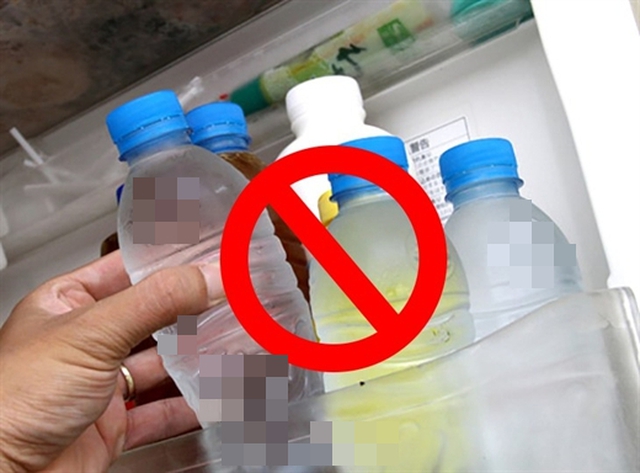
Food Containers You Should NOT Reuse
1. Plastic Bottles (PET)
Plastic bottles are very common — they’re used for mineral water, purified water, and soft drinks. These bottles are made from PET (Polyethylene Terephthalate) and are designed for single use only.
In other words, using a PET bottle to hold water for a short time is fine — the material itself isn’t harmful.
But if reused repeatedly and over a long period — especially for hot water, alcohol, vinegar, or other liquids, or if left in high temperatures — the polymer structure can break down and degrade.
More importantly, when monomers (unpolymerized units) dissolve into the liquid inside, they can burden the liver — your body’s main detoxifying organ.
Bottles that are scratched, deformed, or damaged should never be reused.
2. Glass Bottles (Previously Used)
Besides plastic, many people also keep glass bottles after finishing their contents. While glass is more stable than plastic, once the cap is opened, the epoxy coating inside the lid is destroyed.
Without this protective layer separating the food from the metal, the contents can easily corrode and spoil.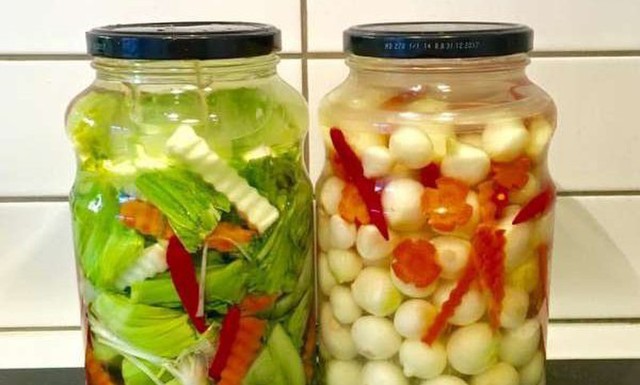
If your family uses old glass jars to store or pickle foods like vegetables, fermented eggplants, or similar items, the mouth of the jar and the lid area can rust over time, contaminating the food.
Safer Alternatives and Disposal Tips
Given the potential health risks of reused plastic and glass containers, it’s best not to reuse them for food storage.
If you need containers, choose specialized food-grade storage boxes instead.
Use airtight, dry containers to store dry goods like beans, rice, or grains — they’ll also help extend the shelf life.
For long-term storage, consider stainless steel or food-grade plastic containers, which are much safer.
If throwing away bottles feels wasteful, try repurposing them creatively —
for example, as flower pots, watering cans, or fun DIY crafts with your kids. It’s a meaningful and enjoyable way to recycle.
In Conclusion
Every item has its proper purpose. Don’t risk your health for the sake of small savings.
For your well-being, spend wisely — save where it makes sense, but don’t skimp on safety.