
Stroke cases have been rising among younger adults.
4 Nighttime Neurological Warning Signs That May Require Urgent Medical Attention
While nighttime stroke is uncommon, certain neurological warning signs before or during the night should never be ignored. These symptoms do not diagnose stroke on their own, but they may indicate that the brain is under acute stress or that blood flow to certain regions is being compromised. Recognizing these signs early and seeking immediate medical attention may significantly improve outcomes. Below are four nighttime symptoms that doctors advise taking seriously.
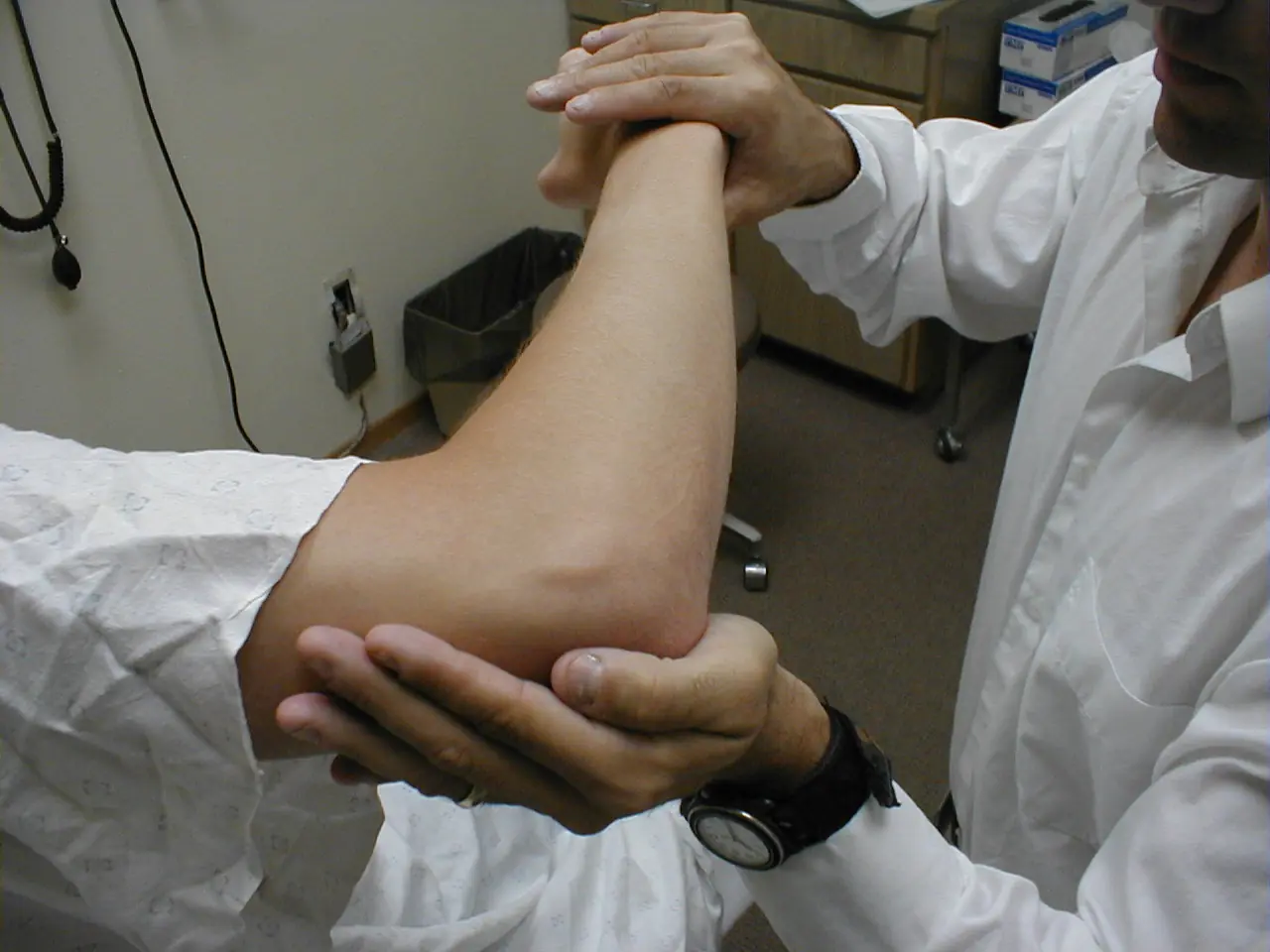
1. Sudden Weakness or Numbness in One Side of the Body
One of the most concerning neurological symptoms is abrupt weakness or numbness, particularly affecting the face, arm, or leg on one side of the body. If this occurs before bed, after waking from sleep, or during nighttime hours, it can indicate disruption in nerve function or blood flow. Individuals may notice difficulty raising an arm, gripping objects, or standing steadily. Some describe the sensation as heaviness, loss of coordination, or “dead weight.”
Although temporary numbness from sleeping in an awkward position is common, true neurological weakness typically persists after changing posture. If the symptom appears suddenly and cannot be explained by positioning, it is essential to seek immediate medical assessment.
2. Difficulty Speaking or Understanding Speech
Sudden changes in speech—such as slurred words, trouble forming sentences, or difficulty understanding what others are saying—should always be treated as a potential neurological emergency. These symptoms can be subtle at first. For example, an individual may attempt to speak and find that their words come out incorrectly or jumbled, or they may be unable to express themselves clearly despite knowing what they want to say.
Language centers in the brain are highly sensitive to blood flow changes, so speech disturbances should never be ignored. Even if the episode lasts only a few moments, it is still important to seek prompt evaluation, as brief disruptions can precede more serious neurological events.
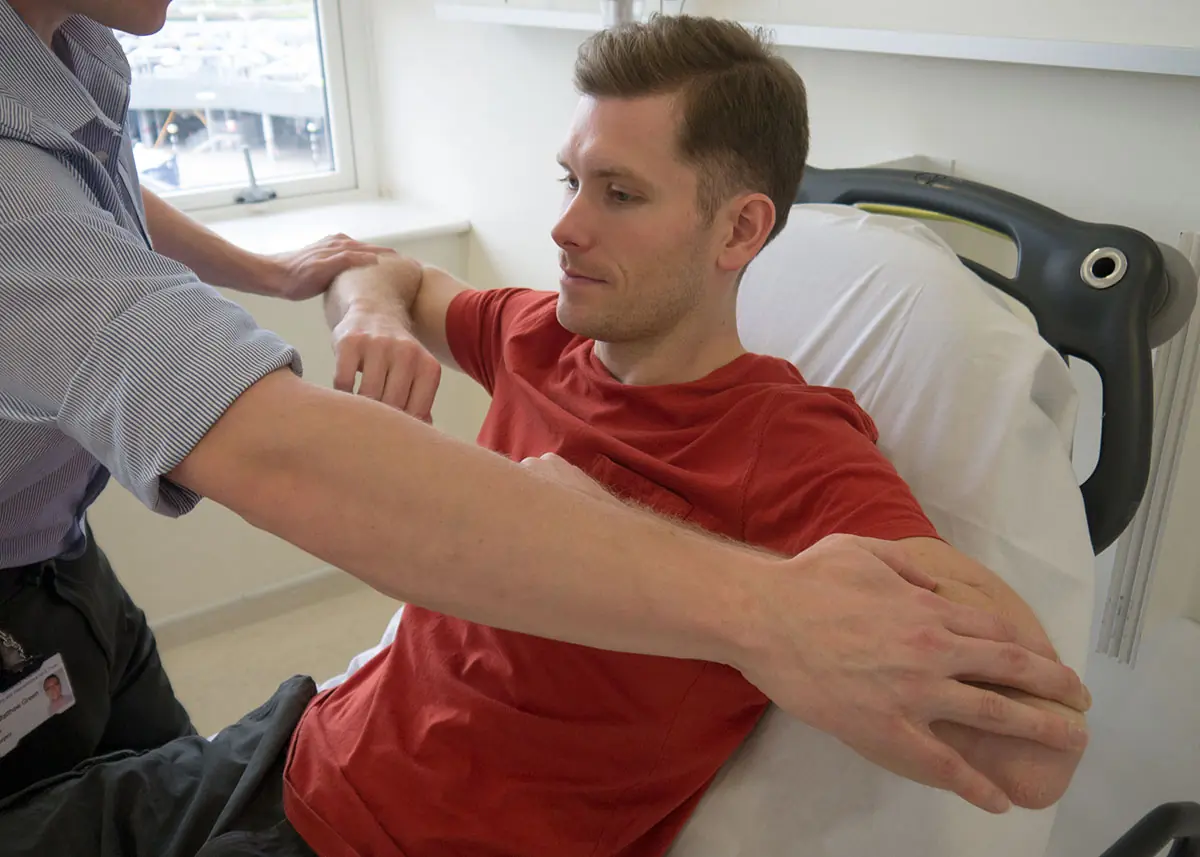
3. Sudden Loss of Balance, Severe Dizziness, or Coordination Problems
Balance issues may appear at night when standing up to use the bathroom or simply adjusting one’s position in bed. While light-headedness from standing too quickly is common, more serious neurological dizziness presents differently. Individuals may feel as if the room is spinning, struggle to walk straight, or lose coordination.
This type of severe dizziness—especially when paired with nausea, unsteady limbs, or difficulty focusing—may indicate a problem in the cerebellum or brainstem, both of which control balance and motor coordination. Because these regions of the brain are critical for basic functions, sudden impairment should be considered an urgent warning sign.
4. Intense, Sudden Headache Unlike Anything Experienced Before
Headaches are extremely common, but a sudden, severe headache described as “the worst of your life” or one that appears abruptly at night is different. This type of headache can indicate bleeding, pressure changes, or vascular stress inside the brain. The pain may be accompanied by visual disturbances, difficulty moving, confusion, or nausea.
Unlike tension headaches or migraines, which often develop gradually, emergency-related headaches appear suddenly and with overwhelming intensity. Even if the pain decreases quickly, it should not be dismissed. Early evaluation helps rule out serious causes and ensures appropriate care.
Why These Signs Matter
Stroke and other neurological emergencies depend heavily on time. The faster a person seeks medical assistance, the greater the chance of recovery and reduced long-term damage. Nighttime signs can be especially dangerous because individuals may be tempted to go back to sleep and “wait it out.” Unfortunately, delaying care can significantly worsen outcomes.
These symptoms do not confirm stroke, and many benign conditions can mimic neurological changes. However, because the consequences of ignoring true neurological warning signs can be severe, acting quickly is always the safest choice.

A Proactive and Informed Approach
Understanding nighttime neurological symptoms empowers individuals to make informed choices about their health. Even if a symptom turns out to be harmless, seeking medical attention provides clarity, reassurance, and potentially life-saving early detection.
Health professionals emphasize one core principle:
If something feels suddenly wrong with your ability to move, speak, balance, or think—especially at night—it’s better to be evaluated immediately than to risk waiting
News in the same category


Severe headache, deep coma due to ruptured cerebral aneurysm

5 Alarming Stroke Warning Signs to Watch for in Young People
5 warning signs of stroke in young people you shouldn’t ignore

Could you be sensitive to gluten? Watch for these signs
Symptoms that may suggest gluten intolerance

Thyroid Health Warning: Soy Myths and 2 Supplements You Should Know About
Should You Avoid Soy with Thyroid Disease? The Truth About 2 Common Supplements

For stomach upset and indigestion, try cooking bananas this way to support smooth digestion and gut health
This simple banana method may help calm your stomach and improve digestion

What do Neck Lumps Mean

Fatty Liver: Causes, Symptoms, Treatment & Home Remedies

3 intimate habits of husbands that may increase wives' ri.sk of cer.vical can.cer: Stop before it's too late

9 Warning Signs of Diabetes You Shouldn’t Ignore
Diabetes can develop quietly, often showing up in ways that are easy to overlook. In its early stages, the condition might not cause dramatic or obvious symptoms, which is why so many people live with undiagnosed diabetes for months or even years.

Nighttime Habits That Increase Your Risk of Stroke
A stroke occurs when the blood supply to part of the brain is blocked or interrupted, depriving brain cells of oxygen and nutrients.

What sleeping on the left side
Side sleeping is the go-to position of many people. However they may not be aware that this comes with certain health benefits.

Warning: rapid memory loss if you eat a lot of these foods

Black Toenail Explained: Causes, Meaning, and What to Do
Black Toenail: Causes, Warning Signs, and What You Should Do

Waking up at 3 or 4 a.m. regularly may be a clear sign of an underlying issue
Waking up in the middle of the night? Here’s what it could mean… see more

The timing of when you eat sweet potatoes can unlock impressive health benefits.
Eat sweet potatoes at these 4 times—and feel the difference

So, how many eggs should you eat each day?
Are you eating too many eggs? Here’s the right amount

The “Silent Threat” Many Women Miss — 9 Early Signs of Cervical Can.cer You Should Never Ignore
This “silent” condition often goes unnoticed at first
News Post

How Your Feet Could Be Signaling Heart Problems and Clogged Arteries
Your feet might not be the first place you think of when you hear “heart health”, but they can tell you a lot about your cardiovascular system.

Summer or winter, Japanese people wear socks to sleep — here’s why!

Severe headache, deep coma due to ruptured cerebral aneurysm

Never leave your charger plugged in without your phone - here are 6 reasons why
6 important reasons you shouldn’t keep a charger in the outlet without a device

Okra and Health: What Doctors Warn About Potential Side Effects
Doctors Caution: Possible Side Effects of Eating Okra You Should Know

5 Alarming Stroke Warning Signs to Watch for in Young People
5 warning signs of stroke in young people you shouldn’t ignore

Could you be sensitive to gluten? Watch for these signs
Symptoms that may suggest gluten intolerance

Spotting a centipede indoors? Here’s what it may be telling you
A centipede in your house could mean this - here’s why

Thyroid Health Warning: Soy Myths and 2 Supplements You Should Know About
Should You Avoid Soy with Thyroid Disease? The Truth About 2 Common Supplements

For stomach upset and indigestion, try cooking bananas this way to support smooth digestion and gut health
This simple banana method may help calm your stomach and improve digestion

What do Neck Lumps Mean

It’s Not Just Care… It’s Trust: The Quiet Power of Feeling Safe
How Trust Is Built Slowly—and Why It Lasts So Deeply

Fatty Liver: Causes, Symptoms, Treatment & Home Remedies

3 intimate habits of husbands that may increase wives' ri.sk of cer.vical can.cer: Stop before it's too late

These common substances may help keep snakes away if one enters your home
A snake in your house? Using these substances can help repel it fast

9 Warning Signs of Diabetes You Shouldn’t Ignore
Diabetes can develop quietly, often showing up in ways that are easy to overlook. In its early stages, the condition might not cause dramatic or obvious symptoms, which is why so many people live with undiagnosed diabetes for months or even years.

Nighttime Habits That Increase Your Risk of Stroke
A stroke occurs when the blood supply to part of the brain is blocked or interrupted, depriving brain cells of oxygen and nutrients.

What sleeping on the left side
Side sleeping is the go-to position of many people. However they may not be aware that this comes with certain health benefits.
