Have you ever been just about to fall asleep when your body suddenly jerks, sometimes with the sensation of falling? This experience—often surprising and even a little unsettling - is actually very common. Known as a hypnic jerk (or sleep start), it’s a natural phenomenon that occurs during the transition from wakefulness to sleep.
While it may feel alarming, in most cases it’s harmless. However, understanding why it happens can give you insight into how your brain and body work together during sleep.
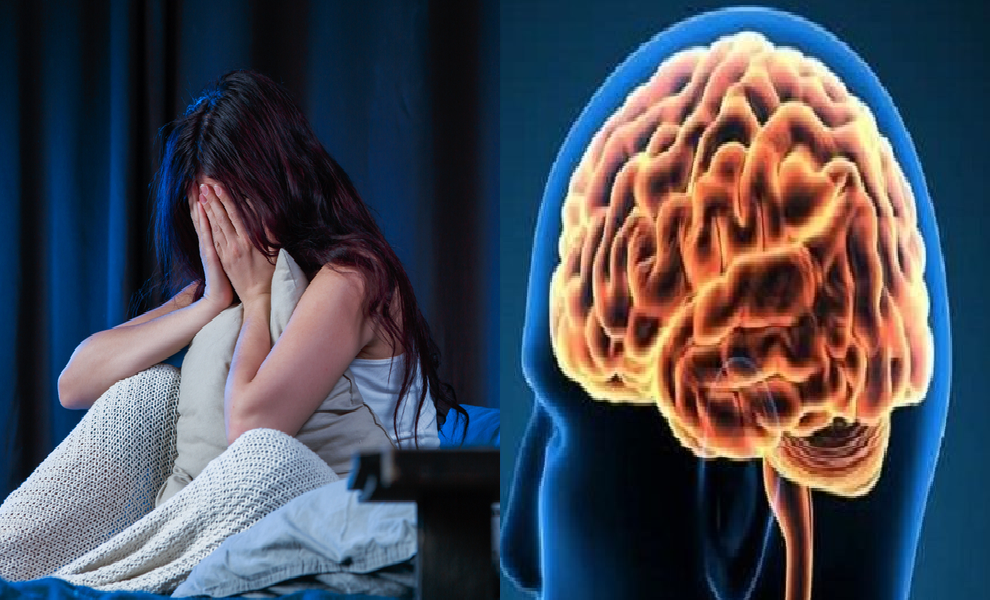
What Is a Hypnic Jerk?
A hypnic jerk is an involuntary muscle contraction that occurs as you begin to fall asleep. It often affects the arms, legs, or entire body and may be accompanied by:
- A sudden sensation of falling
- A quick flash of a dream-like image
- A racing heartbeat for a moment
These jerks typically happen during the hypnagogic stage, which is the lightest phase of sleep when your body starts to relax.
Why Does Your Body Jerk as You Fall Asleep?
Scientists are still studying the exact cause, but several well-supported explanations exist.
1. The Brain Misinterprets Relaxation as Falling
As you fall asleep, your muscles begin to relax and your breathing slows. In some cases, your brain may interpret this sudden relaxation as a sign that you’re physically falling.
Result:
- The brain sends a quick signal to your muscles to “catch” yourself
- This triggers the sudden jerk
2. Nervous System Transition
Falling asleep involves a shift from an active, alert state to a relaxed, resting state.
What’s happening:
- The nervous system is “powering down”
- Signals between the brain and muscles become less synchronized
This temporary miscommunication can result in a brief, involuntary movement.
3. Stress and Anxiety
Mental and emotional states play a big role in sleep quality.
If you’re stressed:
- Your brain remains more active
- Your body may have difficulty fully relaxing
This can increase the likelihood of hypnic jerks.
4. Stimulants and Lifestyle Factors
Certain habits can make these jerks more frequent.
Common triggers:
- Caffeine, especially late in the day
- Nicotine
- Intense physical activity before bedtime
- Sleep deprivation
These factors keep your nervous system more alert than it should be at night.
Is It Dangerous?
In most cases, hypnic jerks are completely harmless and do not indicate a medical problem.
However, you may want to pay closer attention if:
- The jerks happen very frequently
- They disrupt your sleep regularly
- They are accompanied by other symptoms like severe insomnia or daytime fatigue
In such cases, consulting a healthcare professional may be helpful.
How to Reduce Hypnic Jerks
If these sudden movements are bothering you, a few simple changes can make a difference.
1. Improve Sleep Hygiene
- Go to bed at the same time each night
- Create a relaxing bedtime routine
2. Limit Stimulants
- Avoid caffeine in the evening
- Reduce screen time before bed
3. Manage Stress
- Practice deep breathing or meditation
- Try light stretching or relaxation exercises
4. Get Enough Rest
- Sleep deprivation increases nervous system sensitivity
- Aim for consistent, quality sleep
Why the “Falling” Sensation Feels So Real
Many people report feeling like they are falling just before the jerk occurs. This happens because your brain is already entering a dream-like state, even before you are fully asleep.
The combination of:
- Muscle relaxation
- Reduced sensory input
- Early dream imagery
…creates a vivid illusion of movement or falling.

The Bottom Line
Sudden body jerks while falling asleep are a normal part of the sleep process. They reflect the complex transition your body undergoes as it shifts from wakefulness to rest. While they can feel surprising, they are usually harmless and often linked to factors like stress, fatigue, or stimulants.
By improving your sleep habits and reducing triggers, you can minimize these occurrences and enjoy a more restful night. Understanding what your body is doing and why can turn a confusing experience into something completely normal and manageable.