Heel Pain When You Wake Up? Here’s What Your Body Might Be Telling You
If you’ve ever taken your first steps in the morning and felt a sharp pain in your heel, you’re not alone. Many people experience this discomfort—even without standing or walking for long periods the day before. While it might seem minor at first, your body could be signaling an underlying issue that shouldn’t be ignored.
A common cause: plantar fasciitis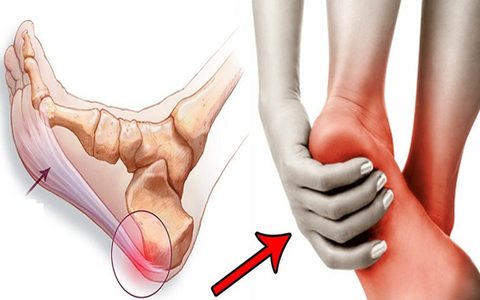
One of the most frequent reasons for morning heel pain is a condition called Plantar fasciitis. It occurs when the thick band of tissue (the plantar fascia) that connects your heel to your toes becomes inflamed. Overnight, this tissue tightens slightly as you rest. When you stand up in the morning, the sudden stretch can cause a sharp, stabbing pain.
Why it happens even without much activity
You don’t need to be on your feet all day to develop heel pain. Several factors can contribute, including:
- Wearing unsupportive shoes (especially flat sandals or worn-out sneakers)
- Tight calf muscles or limited ankle flexibility
- Being overweight, which puts extra pressure on the heel
- Sudden changes in activity levels—even small ones
Sometimes, the issue builds up gradually without obvious warning signs until the pain becomes noticeable.
Other possible causes
While plantar fasciitis is the most common explanation, it’s not the only one. Heel pain can also be linked to:
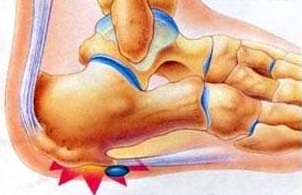
- Heel spurs (calcium deposits on the heel bone)
- Tendon inflammation
- Nerve irritation or compression
If the pain persists or worsens, it’s important to rule out these conditions with a medical professional.
What you can do to relieve the pain
Mild cases often improve with simple changes:
- Stretch your feet and calves before getting out of bed
- Wear supportive shoes, even at home
- Avoid walking barefoot on hard surfaces
- Apply ice to reduce inflammation
- Rest your feet when possible
If symptoms continue for more than a few weeks, or if the pain becomes severe, seeking medical advice is the safest option.
Bottom line:
Heel pain when you wake up isn’t something to brush off. In many cases, it’s a sign of plantar fasciitis or another foot-related issue. Paying attention early—and making small adjustments—can help prevent the problem from getting worse and keep you moving comfortably.