Stomach ulcers can turn something as ordinary as eating into an uncomfortable experience.
A meal that once seemed harmless may suddenly cause burning, nausea, bloating, or abdominal discomfort. Some people begin avoiding foods they once enjoyed because they are afraid that another meal will trigger symptoms.
But there is an important distinction to make: food usually isn't the primary cause of most peptic ulcers. The two major causes are infection with Helicobacter pylori (H. pylori) and long-term use of certain nonsteroidal anti-inflammatory drugs (NSAIDs), such as ibuprofen or naproxen.
However, what you eat and especially how and when you eat - can sometimes aggravate symptoms in someone who already has an ulcer.
That means changing certain eating habits may help you feel more comfortable while the underlying problem is being properly treated.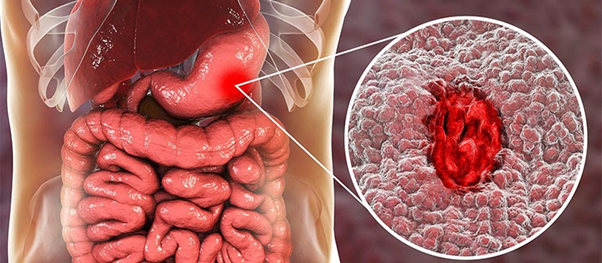
What Is a Stomach Ulcer?
A stomach ulcer is an open sore that develops in the lining of the stomach.
Ulcers can also develop in the first part of the small intestine, where they are known as duodenal ulcers. Together, these conditions are commonly referred to as peptic ulcers.
The stomach has a protective lining that helps shield its tissues from digestive acids. When that protective system is damaged or weakened, an ulcer can develop.
Common symptoms can include:
- Burning or aching pain in the upper abdomen
- Indigestion
- Bloating
- Nausea
- Feeling full sooner than usual
- Belching
- Discomfort that changes in relation to eating
However, some people with ulcers have few or no symptoms until a complication occurs.
That's why persistent or severe digestive symptoms should not simply be managed by changing foods at home.
1. Eating Very Large Meals
One of the first habits worth reconsidering is eating extremely large meals.
When you're very hungry, it can be tempting to eat a large portion quickly. But if you already have upper-abdominal discomfort or an ulcer, a heavy meal may leave you feeling particularly uncomfortable.
Large meals can also contribute to indigestion and bloating.
Instead of having one or two very large meals, some people find that smaller, balanced meals spaced throughout the day are easier to tolerate.
This isn't because small meals cure an ulcer.
Rather, they may make eating more comfortable while the underlying cause is being addressed.
2. Eating Too Quickly
Your eating speed can also affect how comfortable you feel after a meal.
When you eat rapidly, you may swallow more air and consume more food before your body's fullness signals have had time to register.
This can contribute to bloating, belching, and discomfort.
Try slowing down.
Put your utensils down occasionally, chew thoroughly, and give yourself enough time to eat without rushing.
A calmer meal won't eliminate an ulcer, but it may reduce some of the digestive discomfort that can accompany eating.
3. Frequently Eating Foods That Trigger Your Symptoms
There is no universal "ulcer diet."
In the past, people with ulcers were sometimes told to follow highly restrictive diets. Modern understanding is different.
Most people do not need to eliminate a long list of foods simply because they have an ulcer.
However, certain foods can aggravate symptoms in individual people.
Common examples may include:
- Very spicy foods
- Highly acidic foods
- Fried or very fatty meals
- Coffee or other caffeinated beverages
- Alcohol
- Chocolate in some individuals
The important point is that these foods don't necessarily cause the ulcer itself.
If a particular food consistently makes your symptoms worse, temporarily reducing it may be reasonable while you seek appropriate treatment.
4. Drinking Alcohol Regularly
Alcohol deserves special attention.
Alcohol can irritate the gastrointestinal tract and may worsen digestive symptoms.
For someone who already has an ulcer, drinking heavily or frequently may make discomfort more difficult to manage.
Alcohol can also interact with medications and may complicate treatment depending on what you are taking.
If you have been diagnosed with an ulcer, talk with your healthcare professional about whether you should avoid alcohol completely while the ulcer heals.
5. Drinking Too Much Coffee or Caffeine
Coffee does not cause most peptic ulcers.
However, caffeine and coffee can aggravate symptoms such as stomach discomfort or acid reflux in some people.
If you notice that your symptoms reliably become worse after coffee, consider reducing the amount or switching to a lower-caffeine alternative.
Pay attention to your own response rather than assuming that everyone with an ulcer must completely eliminate coffee.
6. Eating Very Spicy Foods When Your Stomach Is Already Irritated
Spicy foods are another common source of confusion.
Capsaicin, the compound responsible for the heat in chili peppers, does not automatically cause ulcers.
In fact, research into spicy foods and gastrointestinal health is more complicated than the popular claim that "spicy food causes ulcers."
Nevertheless, spicy meals can cause burning or discomfort in some people, particularly when the stomach or upper digestive tract is already irritated.
If spicy food consistently triggers your symptoms, reducing it temporarily may help you feel more comfortable.
7. Eating Very Fatty or Fried Foods
Fried foods and meals high in fat can be difficult for some people to digest.
They may contribute to fullness, bloating, nausea, or reflux-like symptoms.
If you're already experiencing abdominal discomfort from an ulcer, these additional digestive symptoms can make the overall experience worse.
Instead of relying heavily on fried foods, consider meals built around:
- Lean proteins
- Vegetables you tolerate well
- Whole grains
- Fruits that don't trigger symptoms
- Healthy sources of fat in moderate portions
The goal is not to create a perfect "ulcer diet."
It's to choose foods that provide adequate nutrition without repeatedly worsening your symptoms.