Sunflower seeds have been enjoyed around the world for centuries. Whether eaten as a quick snack, sprinkled over salads, blended into trail mixes, or made into sunflower seed butter, these small seeds pack an impressive nutritional punch.
Rich in healthy fats, protein, fiber, vitamins, minerals, and plant compounds, sunflower seeds can be a valuable addition to a balanced diet. However, like any food, they also come with a few considerations. Portion size, added salt, and overall dietary balance all play important roles in determining whether sunflower seeds support your health goals.
If you're thinking about making sunflower seeds a regular part of your diet, here are 15 evidence-based benefits and considerations worth knowing.

What Are Sunflower Seeds?
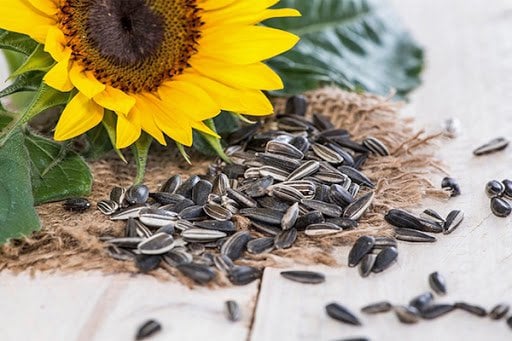
Sunflower seeds are the edible seeds of the sunflower plant (Helianthus annuus).
They are typically sold in two forms:
-
In-shell sunflower seeds, which require cracking the shell before eating.
-
Shelled sunflower kernels, which are ready to eat and commonly used in cooking and baking.
Despite their small size, sunflower seeds contain a wide variety of nutrients that contribute to overall health.
Nutritional Highlights
A serving of sunflower seed kernels provides a combination of:
-
Healthy unsaturated fats
-
Plant-based protein
-
Dietary fiber
-
Vitamin E
-
Magnesium
-
Selenium
-
Copper
-
Zinc
-
B vitamins
-
Phosphorus
These nutrients work together to support many normal functions throughout the body.
1. Rich in Heart-Healthy Unsaturated Fats
Most of the fat in sunflower seeds consists of unsaturated fats, including monounsaturated and polyunsaturated fatty acids.
Replacing some saturated fats with unsaturated fats may help support heart health as part of an overall healthy eating pattern.
Keep in mind that sunflower seeds are still calorie-dense, so moderation is important.
2. An Excellent Source of Vitamin E
Vitamin E is a powerful antioxidant that helps protect cells from oxidative stress.
It also supports:
-
Immune function
-
Skin health
-
Eye health
-
Normal cell function
Sunflower seeds are among the richest natural food sources of vitamin E.
3. Provides Plant-Based Protein
Protein plays an important role in:
-
Building muscles
-
Repairing tissues
-
Producing enzymes and hormones
-
Supporting immune health
Although sunflower seeds should not be your only protein source, they can contribute meaningfully to daily protein intake, particularly for people following vegetarian or plant-forward diets.
4. Supports Healthy Digestion
Sunflower seeds contain dietary fiber, which helps:
-
Promote regular bowel movements
-
Support beneficial gut bacteria
-
Increase feelings of fullness
-
Contribute to digestive health
Increasing fiber intake gradually and drinking enough water can help minimize digestive discomfort.
5. May Support Heart Health
Several nutrients found in sunflower seeds—including vitamin E, magnesium, fiber, and unsaturated fats—have been associated with cardiovascular health when consumed as part of a balanced diet.
No single food can prevent heart disease, but healthy dietary patterns can make a meaningful difference.
6. A Good Source of Magnesium
Magnesium participates in more than 300 biochemical reactions within the body.
It contributes to:
-
Muscle function
-
Nerve signaling
-
Bone health
-
Blood sugar regulation
-
Energy production
Many adults do not consume enough magnesium, making magnesium-rich foods valuable additions to the diet.
7. May Help You Feel Fuller Longer
The combination of:
-
Protein
-
Healthy fats
-
Fiber
can slow digestion and promote satiety.
This may help reduce unnecessary snacking between meals for some individuals.
However, portion control remains important because sunflower seeds are calorie-rich.
8. Supports Healthy Skin
Vitamin E helps protect skin cells from damage caused by free radicals.
A balanced diet rich in antioxidants may contribute to healthy-looking skin, although no single food can prevent aging or skin disease.
9. Contains Selenium
Selenium is an essential trace mineral involved in:
-
Immune function
-
Thyroid hormone metabolism
-
DNA synthesis
-
Antioxidant defense
Sunflower seeds provide small but useful amounts of selenium.
10. Supplies Important Minerals
Sunflower seeds contain several minerals that support overall health, including:
-
Copper
-
Zinc
-
Phosphorus
-
Iron
-
Manganese
Each plays unique roles in maintaining healthy bones, blood cells, enzymes, and immune function.
11. May Support Bone Health
Several nutrients found in sunflower seeds contribute to healthy bones, including:
-
Magnesium
-
Phosphorus
-
Copper
Bone health depends on an overall nutritious diet combined with regular physical activity.
12. Easy to Include in Many Meals
Sunflower seeds are remarkably versatile.
They can be added to:
-
Salads
-
Yogurt
-
Oatmeal
-
Homemade bread
-
Smoothie bowls
-
Stir-fries
-
Trail mix
-
Granola
They also make a convenient snack when eaten in moderation.
13. Naturally Gluten-Free
Plain sunflower seeds are naturally gluten-free, making them suitable for many people with celiac disease or gluten sensitivity.
However, flavored or processed products should always be checked for ingredient labels and possible cross-contamination.
14. Watch Out for Added Salt
Many packaged sunflower seeds are heavily salted.
Excess sodium intake has been linked to:
-
High blood pressure
-
Increased cardiovascular risk in susceptible individuals
Choosing unsalted or lightly salted varieties may be a healthier option.
15. Portion Size Matters
Although nutritious, sunflower seeds contain a significant number of calories because of their healthy fat content.
Eating very large amounts regularly may contribute to excess calorie intake.
A reasonable serving for many adults is about 1 ounce (28 grams) of shelled sunflower seeds, though individual needs vary based on age, activity level, and overall diet.
Are There Any Risks?
Most healthy people can safely enjoy sunflower seeds as part of a balanced diet.
However, there are a few considerations.
Food Allergies
Although less common than peanut allergies, sunflower seed allergy can occur.
Symptoms may include:
-
Itching
-
Hives
-
Swelling
-
Difficulty breathing
Seek immediate medical care if severe allergic symptoms develop.
Digestive Discomfort
Eating large quantities—especially with shells—may lead to:
-
Constipation
-
Abdominal discomfort
-
Bloating
Removing the shells before eating helps reduce this risk.
Cadmium Exposure
Sunflowers naturally absorb minerals from the soil, including small amounts of cadmium.
For most people, moderate consumption of sunflower seeds is not considered harmful.
Eating an extremely large amount every day over long periods may increase cadmium exposure, although typical dietary intake remains well below concerning levels for most healthy adults.
Healthy Ways to Enjoy Sunflower Seeds
Try adding sunflower seeds to:
-
Mixed green salads
-
Roasted vegetables
-
Homemade granola
-
Whole-grain cereal
-
Greek yogurt
-
Cottage cheese
-
Brown rice bowls
-
Homemade energy bites
They pair well with both sweet and savory dishes.

Common Myths About Sunflower Seeds
Myth 1: They Are Too Fattening
False.
Sunflower seeds are calorie-dense, but the fats they contain are primarily unsaturated fats. When eaten in appropriate portions, they can fit into a healthy eating pattern.
Myth 2: They Can Replace Vegetables
False.
While nutritious, sunflower seeds cannot provide all the vitamins, minerals, and phytonutrients found in fruits and vegetables.
A varied diet remains essential.
Myth 3: More Is Always Better
False.
Even healthy foods should be consumed in moderation.
Large portions may increase calorie, sodium, or cadmium intake depending on the product.
Final Thoughts
Sunflower seeds are a nutrient-dense food that offers a wide range of health benefits. Their combination of healthy unsaturated fats, plant protein, dietary fiber, vitamin E, magnesium, selenium, and other essential nutrients makes them a smart addition to many eating patterns. They may support heart health, digestion, skin health, immune function, and overall nutrition when enjoyed as part of a balanced diet.
At the same time, it's important to keep their calorie density and sodium content in mind, particularly if you choose roasted and salted varieties. Moderation, variety, and choosing minimally processed options are key. Rather than viewing sunflower seeds as a "superfood" or a cure-all, think of them as one nutritious component of an overall healthy lifestyle that includes a diverse diet, regular physical activity, adequate sleep, and routine healthcare.