Your liver works around the clock. It processes nutrients, stores energy, produces bile, helps regulate cholesterol, metabolizes medications, and plays a central role in maintaining stable blood glucose.
Yet modern lifestyle patterns - including excess calorie intake, low physical activity, heavy alcohol consumption, and diets high in refined carbohydrates can place considerable metabolic stress on the liver.
One increasingly common problem is fatty liver disease, particularly what is now called metabolic dysfunction-associated steatotic liver disease (MASLD), formerly known as nonalcoholic fatty liver disease (NAFLD).
Because fatty liver often occurs alongside insulin resistance, type 2 diabetes, elevated triglycerides, obesity, and abnormal cholesterol, many people wonder whether particular foods can simultaneously support the liver, blood sugar, and cardiovascular health.
No fruit can “clean” the liver or magically remove liver fat. But certain fruits provide fiber, antioxidants, vitamins, minerals, and phytochemicals that can fit particularly well into a liver- and heart-friendly dietary pattern.
Three excellent options are berries, apples, and citrus fruits.
Here's why.
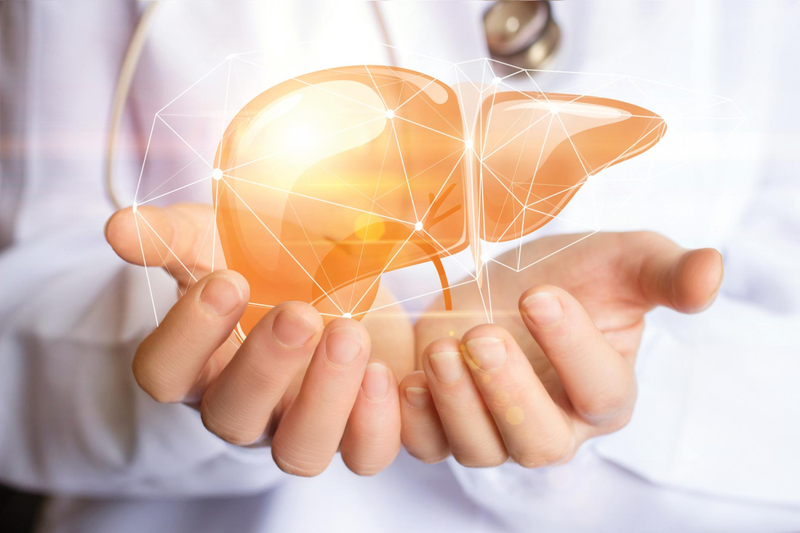
First, What Does Your Liver Actually Do?
The liver is one of the body's largest and most metabolically active organs.
Among its many responsibilities, it helps:
-
Process carbohydrates, fats, and proteins
-
Store glucose as glycogen
-
Produce and regulate certain blood lipids
-
Produce bile for fat digestion
-
Process alcohol and medications
-
Store certain vitamins and minerals
-
Convert potentially harmful substances into forms the body can eliminate
Because the liver is so deeply involved in metabolism, conditions affecting blood glucose, triglycerides, body weight, and insulin sensitivity can also affect liver health.
What Is Fatty Liver Disease?
Fatty liver occurs when excessive fat accumulates inside liver cells.
A small amount of liver fat can be normal, but excessive accumulation may become harmful.
MASLD is strongly associated with metabolic risk factors such as:
-
Overweight or obesity
-
Insulin resistance
-
Type 2 diabetes
-
High triglycerides
-
Abnormal cholesterol
-
High blood pressure
Some people have simple fat accumulation without substantial liver injury.
Others can develop inflammation and progressive liver damage.
Over time, a subset of patients may develop:
Fibrosis → cirrhosis → serious liver complications.
The good news is that early metabolic fatty liver can often improve substantially when underlying metabolic problems are addressed.
Can Fruit Really Help Your Liver?
Fruit isn't medication for fatty liver.
However, whole fruit can be part of a dietary pattern associated with better metabolic health.
Whole fruits contain combinations of:
-
Dietary fiber
-
Vitamin C
-
Potassium
-
Polyphenols
-
Carotenoids
-
Flavonoids
-
Other plant compounds
These nutrients may support cardiovascular and metabolic health.
The keyword is whole.
Fruit juice behaves differently because juicing removes much of the fiber and makes it easier to consume a large quantity of sugar quickly.
Now let's look at three particularly useful options.
1. Berries: Small Fruits With Powerful Plant Compounds
Blueberries, strawberries, raspberries, and blackberries are among the most nutrient-dense fruits you can add to your diet.
They provide:
-
Fiber
-
Vitamin C
-
Manganese
-
Polyphenols
-
Anthocyanins
Anthocyanins are the pigments responsible for many of the deep blue, purple, and red colors found in berries.
These compounds have attracted considerable scientific interest because of their antioxidant and anti-inflammatory properties.
Berries and Blood Sugar
Despite their sweetness, many berries provide relatively modest amounts of sugar per serving compared with some other fruits.
More importantly, they contain fiber.
Fiber slows digestion and can reduce the speed at which carbohydrates enter the bloodstream.
This doesn't mean berries lower blood sugar like diabetes medication.
Rather, replacing highly refined snacks with whole berries can be a smarter carbohydrate choice.
For example:
Instead of:
Cookies + sweetened coffee
try:
Plain Greek yogurt + blueberries + nuts.
The second combination provides protein, fiber, healthy fats, and micronutrients, creating a much more balanced snack.
Why Fiber Matters
When you eat whole berries, their carbohydrates arrive packaged inside a plant structure containing fiber and water.
That differs considerably from drinking a sugary beverage.
Fiber can:
-
Slow gastric emptying
-
Promote fullness
-
Support bowel regularity
-
Feed beneficial gut microorganisms
-
Help regulate cholesterol
Soluble forms of fiber are particularly relevant to cholesterol because they can influence bile acid metabolism and reduce cholesterol absorption.
Berries and Cholesterol
Berries shouldn't be considered a cholesterol treatment.
However, diets rich in fruits, vegetables, legumes, nuts, seeds, and whole grains are consistently associated with better cardiovascular health.
The fiber and polyphenols in berries may contribute to these benefits.
For someone trying to improve LDL cholesterol, berries can replace desserts and snacks containing:
-
Saturated fat
-
Refined carbohydrates
-
Added sugars
That substitution may matter more than any single “superfood” effect.
Berries and Liver Health
Research continues to investigate how polyphenol-rich foods affect oxidative stress, inflammation, insulin sensitivity, and liver metabolism.
Berries are interesting because they provide large amounts of plant compounds without requiring large portions.
But don't interpret this as:
“Blueberries dissolve liver fat.”
They don't.
The primary strategies for reducing excessive liver fat remain improving overall diet quality, increasing physical activity, managing metabolic risk factors, and achieving appropriate weight reduction when necessary.
Berries simply fit well into that strategy.
How to Eat More Berries
Try adding berries to:
-
Oatmeal
-
Plain yogurt
-
Smoothies
-
Salads
-
Whole-grain cereal
Frozen berries are also an excellent option.
They can be less expensive, last much longer, and retain many nutrients.
Choose products without added sugar.
2. Apples: A Simple Source of Soluble Fiber
Apples don't receive the same “superfood” hype as exotic fruits.
That's actually part of their appeal.
They're inexpensive, portable, widely available, and provide a useful combination of:
-
Fiber
-
Vitamin C
-
Potassium
-
Polyphenols
-
Water
One particularly interesting component is pectin, a type of soluble fiber.
Apples and Cholesterol
Soluble fiber can help reduce LDL cholesterol as part of an appropriate diet.
It works partly by interacting with bile acids in the digestive system.
Bile contains cholesterol-derived compounds.
When soluble fiber increases bile acid excretion, the liver may need to use additional cholesterol to produce more bile acids.
Over time, sufficient soluble fiber intake can contribute to modest reductions in LDL cholesterol.
Apples aren't the only source.
Other excellent soluble-fiber foods include:
-
Oats
-
Barley
-
Beans
-
Lentils
-
Citrus fruits
The best approach is to eat several of these regularly rather than relying on one apple to “clean your arteries.”
Eat the Apple, Don't Just Drink the Juice
Whole apples and apple juice are nutritionally different.
A whole apple contains intact fiber.
Apple juice contains much less.
Because juice can be consumed rapidly, it's also easy to drink the equivalent carbohydrate content of several apples without feeling particularly full.
For metabolic health, whole fruit is generally the better choice.
What About Apple Cider Vinegar?
Apple cider vinegar is frequently promoted online for fatty liver, cholesterol, and diabetes.
Some studies have examined vinegar and post-meal glucose responses, but the evidence doesn't justify treating apple cider vinegar as a cure for diabetes or fatty liver.
It can also:
-
Irritate the digestive tract
-
Damage tooth enamel when consumed undiluted
-
Interact with certain medications
-
Contribute to electrolyte problems when consumed excessively
Eating an apple is far less dramatic—and usually much more sensible.
Apples and Blood Sugar
Apples contain natural sugars, but they also provide fiber and water.
For most people, including many individuals with diabetes, whole fruit can fit into a balanced eating plan.
Pairing an apple with protein or healthy fat can create a particularly satisfying snack.
For example:
Apple + small handful of nuts
or:
Apple + unsweetened peanut butter.
This combination tends to be more filling than fruit juice or a sugary snack.
Apples and Liver Health
Again, apples don't directly remove fat from the liver.
Their value comes from helping create a higher-quality dietary pattern.
Imagine replacing:
Pastry + sweetened beverage
with:
Apple + yogurt + nuts.
The difference extends beyond calories.
You're replacing refined carbohydrates and potentially saturated fats with fiber, protein, micronutrients, and unsaturated fats.
Repeated consistently over months, these small dietary substitutions can influence metabolic health.
3. Citrus Fruits: Vitamin C, Fiber, and Flavonoids
The third category includes:
-
Oranges
-
Mandarins
-
Grapefruit
-
Lemons
-
Limes
Citrus fruits are famous for vitamin C, but that's only part of their nutritional profile.
They also provide:
-
Folate
-
Potassium
-
Fiber
-
Flavonoids
-
Various phytochemicals
These compounds have been studied for potential effects on cardiovascular and metabolic health.
Citrus Fruits and Blood Sugar
An orange contains sugar.
But it also contains water and fiber.
Orange juice, on the other hand, can deliver sugar much more rapidly because much of the intact fiber structure has been removed.
Consider how easy it is to drink a large glass of orange juice.
That glass might require several oranges.
Eating the same number of whole oranges would take longer and likely make you considerably fuller.
For people managing blood glucose, whole citrus fruit is generally preferable to juice.
Citrus and Cholesterol
Citrus fruits contain soluble fiber, including pectin.
As discussed earlier, soluble fiber can contribute to lowering LDL cholesterol when consumed regularly as part of a heart-healthy diet.
Citrus flavonoids are also being studied for potential cardiovascular effects.
However, no amount of oranges should replace prescribed cholesterol medication when medication is medically necessary.
Food and medication aren't competing strategies.
They often work together.
What About Grapefruit?
Grapefruit deserves a special warning.
It's nutritious, but it can interact with certain medications.
Grapefruit can affect enzymes and transporters involved in drug metabolism, changing the concentration of some medications in the bloodstream.
Potential interactions exist with certain drugs used for:
-
High cholesterol
-
High blood pressure
-
Heart rhythm disorders
-
Organ transplantation
-
Other conditions
Not every medication in these categories interacts with grapefruit.
If you regularly take prescription medication, ask your pharmacist whether grapefruit is safe for you.
This is particularly relevant because someone interested in lowering cholesterol may already be taking cholesterol medication.
Does Lemon Water Detox the Liver?
No.
Your liver doesn't need lemon water to “flush toxins” from your body.
The liver itself is part of your body's detoxification system.
Lemon water can be:
-
Refreshing
-
Hydrating
-
A source of some vitamin C
But it doesn't physically wash fat or toxins out of your liver.
If drinking lemon water helps you replace soda or other sugar-sweetened beverages, that's beneficial.
The advantage comes primarily from the substitution—not from a magical detoxification effect.
Why These Three Fruits Work Better as Part of a Pattern
This is the central point.
Suppose someone eats blueberries every morning but also regularly consumes:
-
Sugary drinks
-
Large amounts of processed meat
-
Excessive alcohol
-
Refined snacks
-
Large portions of highly processed food
Adding blueberries isn't going to cancel everything else out.
Nutrition isn't mathematics where:
1 healthy food − 1 unhealthy food = zero damage.
Your overall pattern matters.
The Mediterranean-Style Approach
One dietary pattern frequently associated with cardiovascular and metabolic benefits is a Mediterranean-style diet.
It emphasizes:
-
Vegetables
-
Whole fruits
-
Beans
-
Lentils
-
Whole grains
-
Nuts
-
Seeds
-
Olive oil
-
Fish
while limiting excessive amounts of:
-
Refined carbohydrates
-
Added sugars
-
Highly processed foods
-
Saturated fats
Berries, apples, and citrus fruits fit naturally into this pattern.
The Biggest Issue for Fatty Liver: Excess Energy
Fatty liver is closely related to energy balance and insulin resistance.
When the body consistently receives more energy than it needs, excess energy can be stored as fat—including inside the liver.
For people with overweight or obesity and MASLD, weight reduction can substantially decrease liver fat.
Even relatively modest weight loss may produce metabolic improvements.
Greater weight loss can sometimes improve liver inflammation and other disease markers.
The appropriate target should be individualized.
You Can't “Spot Reduce” Liver Fat With Food
Just as abdominal exercises don't selectively burn belly fat, eating one particular fruit doesn't selectively remove fat from the liver.
The liver responds to changes in whole-body metabolism.
Improving:
-
Energy balance
-
Insulin sensitivity
-
Physical activity
-
Diet quality
-
Body composition
can reduce liver fat.
There is no fruit that bypasses these mechanisms.
Exercise Helps Even Without Dramatic Weight Loss
Physical activity is one of the most powerful tools for metabolic health.
Exercise can improve:
-
Insulin sensitivity
-
Blood glucose control
-
Cardiovascular fitness
-
Triglycerides
-
Body composition
and may reduce liver fat even when body weight doesn't change dramatically.
A combination of aerobic activity and resistance training can be particularly useful.
Walking counts too.
You don't need an elite fitness program.
Consistency matters much more.
What About Fructose in Fruit?
Fructose often receives attention in discussions of fatty liver.
High intake of added sugars, particularly from sugar-sweetened beverages and highly processed foods, can contribute to excessive calorie intake and metabolic problems.
Whole fruit is different.
Whole fruit contains:
-
Fiber
-
Water
-
Vitamins
-
Minerals
-
Phytochemicals
and is generally much harder to overconsume than sugary drinks.
This distinction matters.
Eating an orange isn't metabolically equivalent to drinking a large soda simply because both contain some fructose.
Fruit Juice Is the Bigger Concern
People sometimes assume:
“If fruit is healthy, fruit juice must be even healthier.”
Not necessarily.
Juicing can remove much of the fiber and concentrate the sugars.
Large quantities of juice can add substantial calories without producing the fullness associated with whole fruit.
If you're managing:
-
Fatty liver
-
Diabetes
-
Prediabetes
-
High triglycerides
whole fruit is generally a smarter default.
What About Smoothies?
Smoothies are different from strained juices because blending generally retains the fiber.
However, smoothies can still become calorie-dense.
A smoothie containing:
-
Several bananas
-
Mango
-
Honey
-
Sweetened yogurt
-
Fruit juice
can deliver a considerable carbohydrate and calorie load.
A more balanced smoothie might contain:
Berries + plain Greek yogurt + chia seeds + water or unsweetened milk.
This provides fruit alongside protein, fiber, and healthy fats.
Can People With Diabetes Eat Fruit?
Yes, in most cases.
A diabetes diagnosis doesn't automatically mean fruit must disappear from the diet.
Whole fruit can provide valuable nutrients and fiber.
Portion size and total carbohydrate intake still matter.
Some people may find certain fruits affect their glucose more than others.
Blood glucose monitoring can help identify individual responses.
A registered dietitian can also provide personalized guidance.
Pair Fruit With Protein or Healthy Fat
One easy strategy is to avoid turning fruit into an isolated sugar-heavy snack.
Try combinations such as:
Berries + Greek yogurt
Apple + almonds
Orange + handful of walnuts
Strawberries + cottage cheese
Protein, fat, and fiber can improve satiety and slow digestion.
Don't Forget Vegetables
If your goal is metabolic and liver health, don't focus exclusively on fruit.
Vegetables are equally—or perhaps even more—important.
Excellent choices include:
-
Broccoli
-
Leafy greens
-
Bell peppers
-
Tomatoes
-
Cauliflower
-
Brussels sprouts
-
Carrots
Try to make vegetables a substantial portion of your meals.
Fiber Is One of Your Best Allies
Fiber deserves much more attention than most “detox” ingredients.
Higher-fiber foods can support:
-
Digestive health
-
Satiety
-
Cholesterol management
-
Blood glucose regulation
-
Gut microbial diversity
Excellent sources include:
-
Oats
-
Barley
-
Beans
-
Lentils
-
Vegetables
-
Whole fruits
-
Nuts
-
Seeds
Instead of asking:
“Which fruit burns liver fat?”
a more useful question is:
“How can I build a higher-fiber, minimally processed diet?”
What About Cholesterol?
Not all cholesterol measurements mean the same thing.
A standard lipid panel may include:
-
Total cholesterol
-
LDL cholesterol
-
HDL cholesterol
-
Triglycerides
For cardiovascular risk, LDL cholesterol is particularly important.
Lifestyle changes can improve lipid profiles, but some people have genetically elevated cholesterol and require medication despite an excellent diet.
Don't view needing medication as dietary failure.
Genetics matters.
Triglycerides and Fatty Liver Often Travel Together
Elevated triglycerides frequently accompany insulin resistance and fatty liver.
Strategies that may help include:
-
Reducing excessive added sugar
-
Limiting sugary beverages
-
Limiting excessive alcohol
-
Increasing physical activity
-
Achieving appropriate weight reduction
-
Improving overall diet quality
Replacing desserts with whole fruit can be useful.
Drinking large quantities of fruit juice may not provide the same benefit.
Alcohol and Liver Health
If you're concerned about fatty liver, alcohol deserves attention.
Alcohol is metabolized primarily in the liver.
Heavy or frequent alcohol consumption can cause liver fat accumulation, inflammation, fibrosis, and eventually cirrhosis.
Someone with existing liver disease should discuss alcohol intake with their healthcare professional.
No amount of berries, apples, or oranges can “protect” the liver from excessive alcohol exposure.
Beware of Liver Detox Supplements
The supplement market is filled with products claiming to:
-
Detox the liver
-
Flush liver fat
-
Reverse fatty liver
-
Regenerate liver cells
Be skeptical.
Some herbal supplements marketed for “liver cleansing” have actually been associated with liver injury.
Natural doesn't automatically mean safe.
If you have liver disease, be especially careful with supplements and herbal products.
Discuss them with your healthcare provider.
Fatty Liver Often Has No Symptoms
One reason MASLD can go unnoticed is that many people feel perfectly normal.
When symptoms occur, they may be vague, such as:
-
Fatigue
-
General discomfort in the upper right abdomen
But these aren't specific.
Fatty liver is often discovered through:
-
Blood tests
-
Ultrasound
-
CT imaging
-
MRI
-
Other investigations
Normal symptoms—or lack of symptoms—cannot reliably tell you how healthy your liver is.
Can Liver Enzymes Be Normal With Fatty Liver?
Yes.
Some people with fatty liver can have liver enzyme levels within the laboratory reference range.
Conversely, elevated liver enzymes don't automatically mean fatty liver.
Other causes include:
-
Viral hepatitis
-
Alcohol-related liver disease
-
Medication effects
-
Autoimmune disease
-
Other liver conditions
That's why abnormal liver tests require proper interpretation.
Signs of Advanced Liver Disease Shouldn't Be Ignored
Seek medical attention if you develop symptoms such as:
-
Yellowing of the skin or eyes
-
Abdominal swelling
-
Significant leg swelling
-
Vomiting blood
-
Black stools
-
Confusion
-
Severe unexplained weakness
These aren't symptoms that should be treated with fruit, juice, or detox drinks.
They require medical evaluation.
A Simple Liver-Friendly Day of Eating
You don't need complicated recipes.
Breakfast
Oatmeal topped with blueberries, plain yogurt, and walnuts.
Lunch
Large vegetable salad with beans or grilled fish, olive oil, and whole grains.
Snack
An apple with a small handful of nuts.
Dinner
Vegetables, lentils or lean protein, and an appropriate portion of whole grains.
Dessert
A whole orange or berries.
Notice what's missing:
No detox tea.
No miracle supplement.
No liver-cleansing juice.
Just nutrient-dense food.
Three Fruits to Remember
1. Berries
Why they're useful:
Fiber + anthocyanins + vitamin C + relatively modest sugar content per typical serving.
Great for yogurt, oatmeal, or snacks.
2. Apples
Why they're useful:
Soluble fiber + polyphenols + convenience.
Eat them whole whenever possible.
3. Citrus Fruits
Why they're useful:
Vitamin C + fiber + flavonoids + potassium.
Choose whole oranges or grapefruit rather than large glasses of juice.
And remember: grapefruit can interact with certain medications.
What Actually Helps Reduce Liver Fat?
If fatty liver has already been diagnosed, focus on interventions with stronger evidence.
These include:
Achieving appropriate weight reduction when needed.
Exercising consistently.
Reducing excessive added sugars and refined carbohydrates.
Limiting or avoiding alcohol as medically appropriate.
Managing diabetes, cholesterol, triglycerides, and blood pressure.
Eating a high-quality dietary pattern rich in whole foods.
Berries, apples, and citrus can support these goals.
They aren't substitutes for them.
The Bottom Line
There is no fruit that magically “cleans” your liver, instantly normalizes blood glucose, and removes cholesterol from your arteries.
But that doesn't mean fruit is unimportant.
Berries provide fiber and polyphenols that fit beautifully into a metabolically healthy diet.
Apples provide soluble fiber that may contribute to cholesterol management and improved satiety.
Citrus fruits provide fiber, vitamin C, potassium, and flavonoids that support overall nutrition and cardiovascular health.
The biggest benefits come when these fruits replace less nutritious foods rather than simply being added on top of an already excessive diet.
Choose whole fruit more often than juice.
Pair fruit with protein or healthy fats when appropriate.
And build the rest of your diet around vegetables, legumes, whole grains, nuts, seeds, fish, and other minimally processed foods.
Final Thoughts
Your liver doesn't need a three-day cleanse.
It needs sustainable habits.
If you want to support your liver while also managing blood sugar and cholesterol, think beyond individual “superfoods.”
Start with simple substitutions:
Blueberries instead of a sugary dessert.
An apple instead of cookies.
A whole orange instead of a large glass of sweetened juice.
Then add regular physical activity, adequate sleep, appropriate weight management, and medical treatment when necessary.
These changes aren't as dramatic as a viral “liver detox” recipe—but they're much closer to how metabolic health actually improves.
And if you already have fatty liver, diabetes, or high cholesterol, use these fruits as part of your overall management plan, not as a replacement for professional care.
Your liver doesn't need a miracle fruit. It benefits most from the healthy choices you repeat every day.