Helicobacter pylori (H. pylori) is one of the most common bacterial infections in the world. It is estimated that nearly half of the global population carries this bacterium, although many people never experience symptoms. For others, however, H. pylori can contribute to chronic gastritis, peptic ulcers, and, in some cases, increase the risk of stomach cancer if left untreated.
The good news is that H. pylori infection is usually treatable. The standard medical treatment recommended by healthcare providers involves a combination of antibiotics and acid-reducing medications, which has been shown to effectively eliminate the bacteria in many cases.
Alongside prescribed treatment, certain dietary and lifestyle habits may help support stomach health, reduce irritation, and improve overall digestive well-being. These natural approaches should be viewed as supportive measures—not substitutes for medical treatment.
Let's explore what H. pylori is, how it affects the stomach, and the evidence-based lifestyle and dietary habits that may support recovery.

What Is H. pylori?
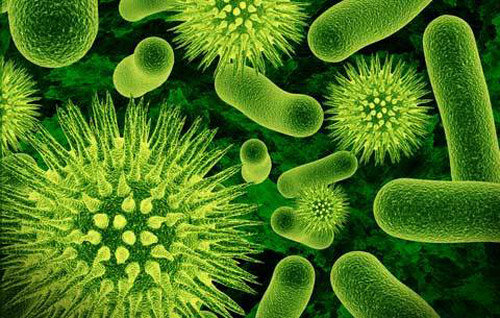
Helicobacter pylori is a spiral-shaped bacterium that can live in the protective mucus lining of the stomach.
Unlike many bacteria, H. pylori survives in the stomach's highly acidic environment by producing an enzyme called urease, which helps neutralize acid around the bacteria.
Many infected individuals never develop symptoms.
Others may experience inflammation of the stomach lining, known as gastritis, or develop ulcers.
How Is H. pylori Spread?
Researchers believe H. pylori may spread through:
-
Close person-to-person contact
-
Contaminated food
-
Contaminated water
-
Poor sanitation in some settings
The exact routes of transmission are still being studied.
Good hygiene remains one of the best preventive measures.
Common Symptoms of H. pylori
Many people have no symptoms at all.
When symptoms occur, they may include:
-
Burning stomach pain
-
Upper abdominal discomfort
-
Bloating
-
Frequent burping
-
Nausea
-
Feeling full quickly
-
Loss of appetite
These symptoms can also occur with many other digestive conditions.
Why Treatment Matters
If left untreated, H. pylori may increase the risk of:
-
Chronic gastritis
-
Peptic ulcers
-
Bleeding ulcers
-
Iron deficiency anemia (in some cases)
-
Vitamin B12 deficiency
-
Certain types of stomach cancer
-
Gastric MALT lymphoma
Not everyone with H. pylori develops these complications, but appropriate medical evaluation is important.
Standard Medical Treatment
Current clinical guidelines recommend treatment with:
-
Antibiotics to eliminate the bacteria
-
Proton pump inhibitors (PPIs) or other acid-reducing medications
-
Sometimes bismuth-containing medications, depending on the treatment regimen
Because antibiotic resistance has increased in many regions, treatment plans may vary.
It is important to:
-
Complete the full course of medication.
-
Avoid stopping treatment early.
-
Attend follow-up testing if recommended.
Can Natural Remedies Eliminate H. pylori?
Current evidence indicates that natural remedies alone have not been proven to reliably eradicate H. pylori.
Some foods and dietary patterns may:
-
Support stomach health
-
Help reduce inflammation
-
Promote a healthier gut environment
However, they should not replace antibiotics when medical treatment is indicated.
1. Eat a Variety of Fruits and Vegetables
A diet rich in colorful fruits and vegetables provides:
-
Vitamin C
-
Fiber
-
Polyphenols
-
Antioxidants
These nutrients support overall digestive health and immune function.
Examples include:
-
Broccoli
-
Carrots
-
Bell peppers
-
Berries
-
Apples
-
Citrus fruits
-
Leafy greens
Eating a variety of plant foods also supports a healthy gut microbiome.
2. Include Foods Rich in Probiotics
Probiotics are beneficial microorganisms that may help maintain a healthy balance of gut bacteria.
Research suggests probiotics may help reduce some antibiotic-related side effects, such as diarrhea, during H. pylori treatment.
Common probiotic foods include:
-
Yogurt with live cultures
-
Kefir
-
Sauerkraut
-
Kimchi
-
Miso
-
Tempeh
Although probiotics may provide supportive benefits, they do not replace antibiotic therapy.
3. Consider Prebiotic Foods
Prebiotics are fibers that nourish beneficial gut bacteria.
Examples include:
-
Garlic
-
Onions
-
Leeks
-
Asparagus
-
Bananas
-
Oats
-
Chicory root
A healthy gut microbiome may contribute to overall digestive health during recovery.
4. Broccoli Sprouts
Broccoli sprouts contain a natural compound called sulforaphane.
Laboratory and small human studies have investigated whether sulforaphane may affect H. pylori or reduce stomach inflammation.
While findings are promising, current evidence is not sufficient to recommend broccoli sprouts as a replacement for standard treatment.
They can still be part of a healthy diet.
5. Green Tea
Green tea contains polyphenols called catechins.
Laboratory research suggests these compounds may influence H. pylori under experimental conditions.
Human evidence remains limited.
Moderate green tea consumption can generally be included as part of a balanced diet unless otherwise advised by your healthcare provider.
6. Garlic
Garlic contains sulfur-containing compounds such as allicin, which have shown antibacterial activity in laboratory studies.
However, studies in humans have not demonstrated that garlic alone can reliably eliminate H. pylori.
Some people also find that raw garlic worsens stomach discomfort.
If garlic causes irritation, it is best to limit or avoid it until symptoms improve.
7. Honey
Certain laboratory studies have suggested that some types of honey, including Manuka honey, may have antibacterial properties.
However, current evidence does not support using honey as a stand-alone treatment for H. pylori infection.
Honey may be enjoyed in moderation as part of a balanced diet, keeping in mind its natural sugar content.
8. Limit Foods That Irritate Your Stomach
Although no specific "H. pylori diet" exists, some foods may worsen symptoms in certain individuals.
Common triggers include:
-
Very spicy foods
-
Fried foods
-
Highly processed foods
-
Excess alcohol
-
Excess caffeine (for some people)
Triggers vary from person to person.
Keeping a food diary may help identify foods that worsen symptoms.
9. Stay Well Hydrated
Adequate hydration supports overall health and digestion.
Water is generally the best choice.
Limit sugar-sweetened beverages, which provide little nutritional value.
10. Avoid Smoking
Smoking has been associated with:
-
Slower ulcer healing
-
Increased ulcer recurrence
-
Greater risk of complications
Quitting smoking benefits both digestive health and overall health.
11. Limit Alcohol
Alcohol may irritate the stomach lining in some individuals and may interfere with healing.
People undergoing treatment for ulcers or gastritis are often advised to limit or avoid alcohol until symptoms improve.
12. Reduce Unnecessary NSAID Use
Nonsteroidal anti-inflammatory drugs (NSAIDs), including ibuprofen and naproxen, can increase the risk of stomach ulcers.
If you need pain relief, discuss the safest option with your healthcare provider.
Never stop prescribed medications without medical advice.
The Role of Stress
Stress does not cause H. pylori infection.
However, chronic stress may worsen digestive symptoms and affect overall well-being.
Helpful stress-management strategies include:
-
Regular exercise
-
Adequate sleep
-
Relaxation techniques
-
Spending time outdoors
-
Mindfulness practices
-
Social support
Getting Enough Sleep
Quality sleep supports:
-
Immune function
-
Tissue repair
-
Overall recovery
Aim for a consistent sleep schedule whenever possible.
Foods That Are Generally Gentle on the Stomach
If your stomach feels irritated, you may tolerate:
-
Oatmeal
-
Bananas
-
Rice
-
Applesauce
-
Plain yogurt
-
Lean chicken
-
Cooked vegetables
-
Soups
Individual tolerance varies.
Foods That May Trigger Symptoms in Some People
Some individuals notice increased discomfort after eating:
-
Chili peppers
-
Highly acidic foods
-
Carbonated beverages
-
Greasy meals
-
Large meals late at night
These foods do not cause H. pylori, but they may aggravate symptoms in some people.
How Is H. pylori Diagnosed?
Healthcare providers may use:
-
Urea breath test
-
Stool antigen test
-
Endoscopy with biopsy
-
Laboratory testing of biopsy samples
Blood antibody tests are less useful for confirming whether an active infection is still present after treatment.
Confirming That Treatment Worked
After completing treatment, many patients require follow-up testing to confirm eradication.
Common methods include:
-
Urea breath test
-
Stool antigen test
Testing is usually performed several weeks after treatment is finished.
Follow your healthcare provider's instructions regarding timing.
Can H. pylori Return?
Reinfection is uncommon in many developed countries but can occur.
Good hygiene practices include:
-
Washing hands thoroughly
-
Drinking safe water
-
Preparing food safely
-
Avoiding sharing eating utensils when appropriate
Common Myths About H. pylori
Myth 1: Natural Remedies Can Replace Antibiotics
Current evidence does not support replacing standard medical treatment with natural remedies alone.
Myth 2: Everyone With H. pylori Has Symptoms
Many people remain symptom-free throughout their lives.
Myth 3: Spicy Food Causes H. pylori
Spicy foods do not cause the infection, although they may worsen symptoms in some individuals.
Myth 4: Once Symptoms Improve, You Can Stop Your Medication
Stopping antibiotics early increases the risk that treatment will fail and may contribute to antibiotic resistance.
Always complete the prescribed course unless your healthcare provider instructs otherwise.
When Should You Seek Medical Care Immediately?
Seek urgent medical attention if you experience:
-
Vomiting blood
-
Black, tarry stools
-
Severe abdominal pain
-
Difficulty swallowing
-
Unexplained weight loss
-
Persistent vomiting
-
Signs of dehydration
These symptoms may indicate a serious complication requiring immediate evaluation.

The Bottom Line
H. pylori is a common bacterial infection that can lead to gastritis, stomach ulcers, and, in some cases, more serious complications if left untreated. The recommended treatment remains a combination of antibiotics and acid-reducing medications, which has been shown to effectively eliminate the bacteria in many people.
Healthy habits—such as eating a balanced diet rich in fruits and vegetables, including probiotic foods, staying hydrated, avoiding smoking, limiting alcohol, and reducing stomach irritants—may help support recovery and overall digestive health. However, these lifestyle measures should complement, not replace, evidence-based medical treatment.
Final Thoughts
Supporting your stomach during H. pylori treatment involves more than simply taking medication. Nourishing your body with wholesome foods, maintaining healthy daily habits, and following your healthcare provider's recommendations can all contribute to a smoother recovery and better digestive health.
If you have persistent stomach pain, recurring indigestion, unexplained weight loss, or symptoms suggestive of a stomach ulcer, don't rely on home remedies alone. Proper testing and treatment are essential to confirm the diagnosis and ensure the infection has been successfully eradicated.
By combining appropriate medical care with healthy lifestyle choices, you can give your stomach the best possible opportunity to heal and reduce the risk of future complications.