
He Ignored a Tiny Mole for More Than 20 Years—Until It Nearly Cost Him His Life
He Ignored This Tiny Mole for 20 Years—The Diagnosis Left Doctors Concerned...
Health 22/07/2026 12:39
Colds are among the most common illnesses worldwide. Most adults experience several colds throughout their lives, while children may catch even more due to their developing immune systems. Although the common cold usually resolves on its own within one to two weeks, symptoms such as a sore throat, nasal congestion, coughing, and fatigue can make everyday activities uncomfortable.
Many home remedies claim that a single drink can instantly clear mucus, stop coughing, or cure respiratory infections overnight. While these claims are popular online, there is no scientific evidence that any beverage can cure a cold, eliminate mucus from the lungs immediately, or treat illnesses such as bronchitis or sinusitis on its own.
However, staying well hydrated and choosing certain warm beverages may help relieve symptoms, keep the throat moist, loosen mucus, and improve overall comfort while your body recovers.
Here's what research and healthcare experts say about drinks that may help support respiratory health during a cold.
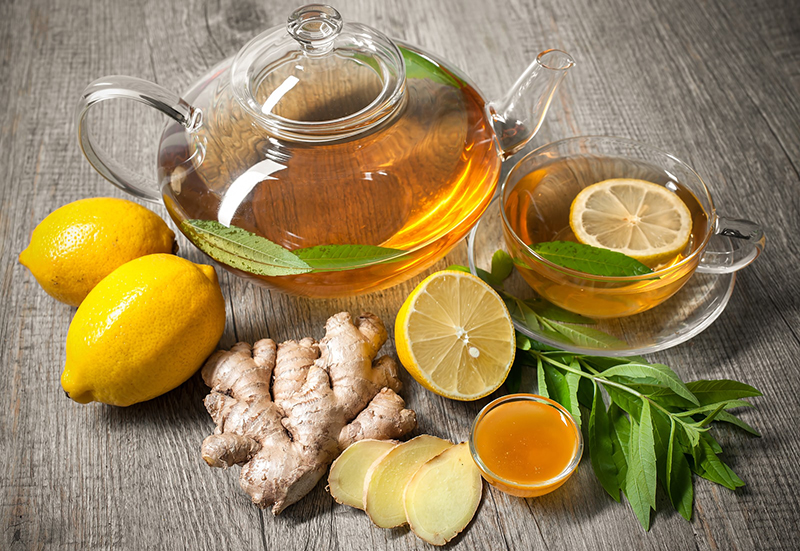
The common cold is caused by viruses, most commonly rhinoviruses.
Typical symptoms include:
Runny or stuffy nose
Sneezing
Sore throat
Mild cough
Headache
Fatigue
Mild body aches
Watery eyes
Most colds improve without antibiotics because antibiotics do not work against viruses.
When you're sick, your body often loses more fluids through fever, sweating, and increased mucus production.
Drinking enough fluids may help:
Keep mucus thinner
Prevent dehydration
Soothe irritated throat tissues
Replace fluids lost during illness
Support normal body functions
Hydration alone won't cure a cold, but it can make symptoms easier to manage.
Sometimes the simplest option is the best.
Warm water can:
Soothe an irritated throat
Encourage regular fluid intake
Provide comfort during congestion
Many people find warm beverages more soothing than cold drinks when they have respiratory symptoms.
Caffeine-free herbal teas are popular during cold season.
Common options include:
Chamomile tea
Ginger tea
Peppermint tea
Lemon balm tea
Warm herbal tea may help:
Keep the throat moist
Promote relaxation
Encourage hydration
Different herbs have different properties, but no herbal tea has been proven to cure the common cold.
Honey has been studied for relieving cough, particularly nighttime cough in children over one year of age.
Research suggests honey may help:
Coat irritated throat tissues
Reduce cough frequency
Improve sleep disrupted by coughing
Important: Honey should never be given to infants younger than 12 months because of the risk of infant botulism.

Ginger contains naturally occurring compounds such as gingerols and shogaols.
Some studies suggest ginger has:
Antioxidant properties
Anti-inflammatory properties
Potential soothing effects on the throat
Many people enjoy ginger tea during respiratory illnesses because it is warming and may provide temporary comfort.
Adding lemon to warm water provides:
Vitamin C
Flavor that encourages hydration
A refreshing taste
While vitamin C is important for immune function, increasing vitamin C intake after a cold begins is unlikely to dramatically shorten its duration for most people.
Still, lemon water is an easy way to stay hydrated.
Although technically a food, broth is also an excellent source of fluids.
Chicken soup and vegetable broth may help:
Increase hydration
Provide electrolytes
Deliver nutrients during reduced appetite
Offer warmth and comfort
Some research suggests chicken soup may temporarily improve mucus movement in the nasal passages.
If illness causes fever, vomiting, or diarrhea in addition to respiratory symptoms, beverages containing electrolytes may help replace lost fluids and minerals.
Examples include:
Oral rehydration solutions
Low-sugar electrolyte beverages
These are most useful when dehydration is a concern.
Some beverages may worsen discomfort for certain people.
These include:
Alcohol can contribute to dehydration and may interfere with restful sleep.
High-sugar beverages add calories without providing significant nutritional benefits and should not replace water during illness.
Moderate caffeine intake is acceptable for many adults, but excessive caffeine may contribute to dehydration in some situations and disturb sleep, which is important for recovery.
A common myth is that certain drinks "flush out" mucus from the lungs.
In reality:
Your lungs naturally clear mucus through specialized cells and coughing.
Drinking fluids may help keep mucus less thick.
Warm beverages may make mucus easier to clear.
No beverage instantly removes mucus from the lungs.
Persistent or excessive mucus production should be evaluated by a healthcare professional.
No.
Bronchitis and sinusitis have many possible causes, including viral and bacterial infections, allergies, and chronic inflammation.
Drinks may help relieve symptoms by keeping you hydrated and soothing irritated tissues, but they cannot replace medical evaluation or treatment when necessary.
Along with drinking enough fluids, several healthy habits may help you feel better while recovering from a cold:
Get plenty of sleep.
Eat a balanced diet rich in fruits and vegetables.
Wash your hands frequently to prevent spreading viruses.
Use a humidifier if indoor air is very dry.
Avoid smoking and secondhand smoke.
Follow your healthcare provider's advice if symptoms worsen.
These measures support your body's natural healing process.
Fact: There is no beverage that cures viral respiratory infections.
Fact: Lemon water supports hydration but does not destroy viruses inside the body.
Fact: Ginger may provide comfort for some people, but it has not been proven to eliminate mucus.
Fact: Warm drinks may relieve symptoms but do not cure bronchitis.
Fact: Vitamin C is essential for immune health, but taking large amounts after symptoms begin is unlikely to dramatically shorten most colds.
Seek medical advice if you experience:
Difficulty breathing
Chest pain
High fever lasting several days
Symptoms lasting longer than two weeks
Severe dehydration
Coughing up blood
Persistent wheezing
Symptoms that improve but then suddenly worsen
These signs may indicate a more serious illness requiring medical attention.
Good daily habits can help maintain overall respiratory health throughout the year:
Stay well hydrated.
Eat a nutrient-rich diet.
Exercise regularly.
Avoid smoking and vaping.
Keep vaccinations up to date when recommended.
Get enough sleep each night.
Practice good hand hygiene during cold and flu season.
Healthy habits support your immune system and may reduce the risk of respiratory infections.
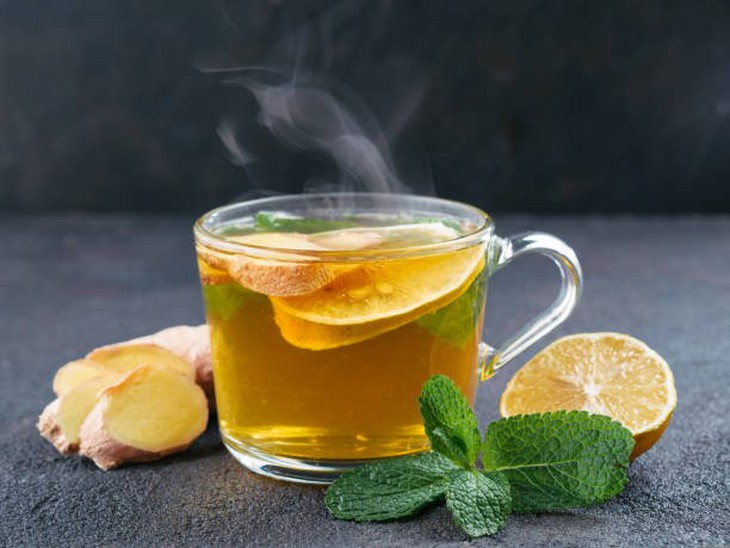
When you're dealing with a cold, hydration is one of the simplest and most effective ways to support your body's recovery. Warm water, herbal teas, ginger tea, lemon water, honey in warm beverages (for people over one year of age), broth, and electrolyte drinks can all help keep you hydrated and may soothe symptoms such as a sore throat, cough, and nasal congestion.
It's important to remember that no drink can instantly clear mucus from the lungs, cure bronchitis, eliminate sinusitis, or stop a cold overnight. Recovery depends on your immune system, adequate rest, proper hydration, and appropriate medical care when needed. By combining healthy beverages with good nutrition, sufficient sleep, and evidence-based treatment, you can help your body recover more comfortably and support your respiratory health during cold season.
He Ignored This Tiny Mole for 20 Years—The Diagnosis Left Doctors Concerned...





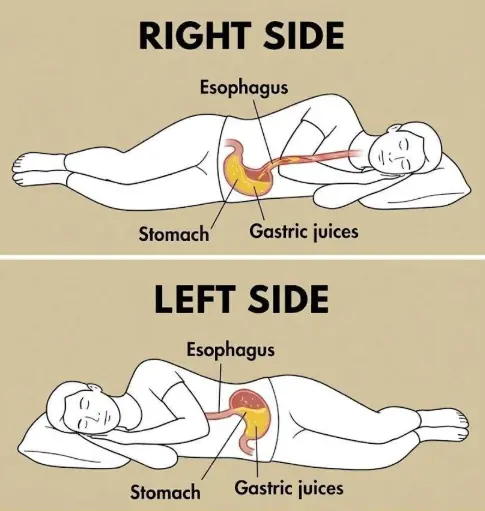
Your sleeping position could quietly influence digestion and sleep quality.

This Tropical Fruit May Be One of Nature's Best-Kept Secrets… 🍈👇

Should You Drink Carrot Juice Every Day? Here's What Experts Say


The Meaning Behind Right-Hand Rings Has Fascinated People for Centuries… 💍👇


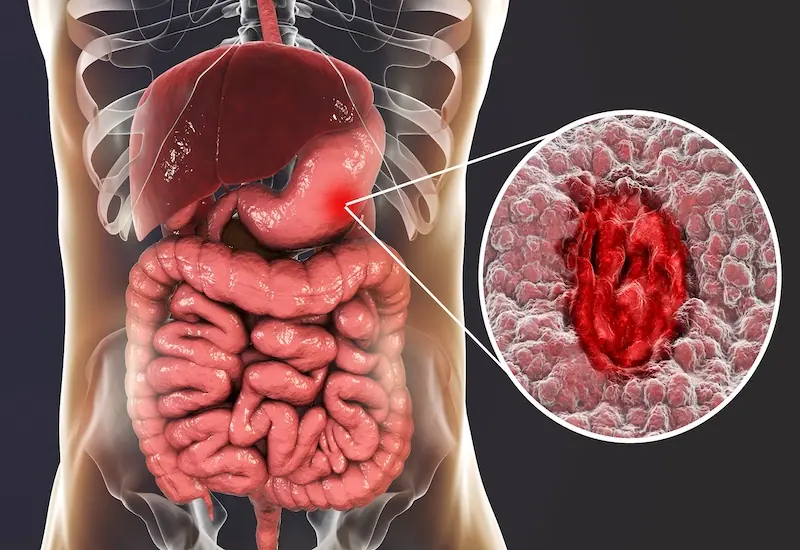
Advanced Stomach Can.cer: 7 Symptoms That May Occur
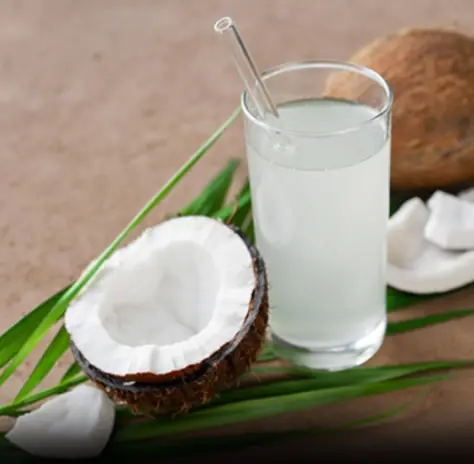
Even though it’s natural, coconut water isn’t safe for everyone.

He Ignored This Tiny Mole for 20 Years—The Diagnosis Left Doctors Concerned...

The colors we're naturally drawn to, the styles we admire, and even the small details we choose to express ourselves may offer subtle clues about how we see the world.

Never Judge Honey by Its Thickness Alone—Here's Why
Your sleeping position could quietly influence digestion and sleep quality.
This Tropical Fruit May Be One of Nature's Best-Kept Secrets… 🍈👇
Should You Drink Carrot Juice Every Day? Here's What Experts Say
The Meaning Behind Right-Hand Rings Has Fascinated People for Centuries… 💍👇
Advanced Stomach Can.cer: 7 Symptoms That May Occur