
While occasional increases in gas may be harmless
Health 20/07/2026 15:49
Your kidneys work around the clock to keep your body functioning properly. Every day, these two bean-shaped organs filter waste products from your blood, regulate fluid balance, help control blood pressure, maintain healthy electrolyte levels, and support the production of hormones involved in red blood cell formation and bone health.
Despite their importance, kidney health is often overlooked until problems develop. Fortunately, while no beverage can prevent or cure kidney disease, making smart choices about what you drink can support hydration and overall kidney function as part of a healthy lifestyle.
It's equally important to remember that people with chronic kidney disease (CKD) often have different nutritional needs. Some beverages that are appropriate for healthy adults may not be suitable for individuals with advanced kidney disease. Always follow your healthcare provider's recommendations if you have kidney-related medical conditions.
Here are five beverages that may fit into a kidney-friendly lifestyle.
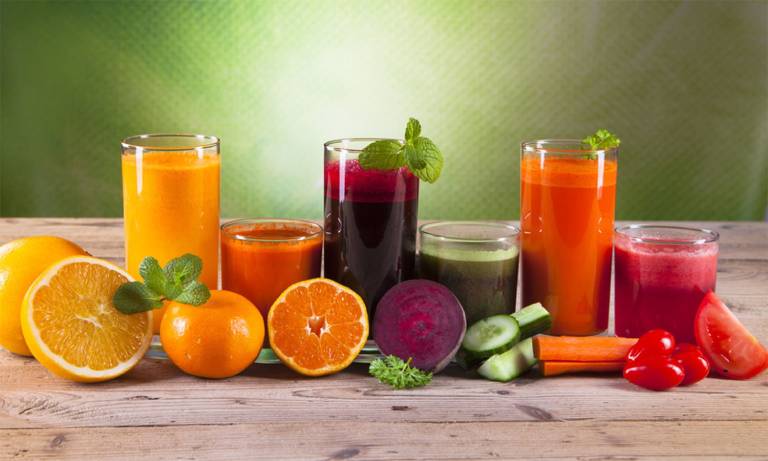
One of the kidneys' most important jobs is filtering waste and removing excess water through urine.
Adequate hydration helps:
Support normal kidney filtration
Maintain fluid balance
Help regulate body temperature
Support healthy blood circulation
Reduce the risk of dehydration
However, drinking excessive amounts of water does not "flush out toxins" or make your kidneys work better than normal. More isn't always better. The goal is to stay appropriately hydrated based on your age, activity level, climate, and overall health.
Water remains the best beverage for most people when it comes to supporting kidney health.
Proper hydration helps the kidneys efficiently remove waste products through urine and maintain normal body functions.
Benefits of drinking enough water include:
Supporting normal kidney filtration
Helping maintain urine concentration
Reducing dehydration
Supporting overall metabolic health
While adequate water intake may help lower the risk of certain kidney stones in susceptible individuals, it does not prevent all kidney diseases.
There is no single amount that is right for everyone.
Your needs depend on factors such as:
Age
Physical activity
Weather
Overall health
Certain medications
A simple guide is to drink enough fluids so that your urine is generally pale yellow, unless your healthcare provider has advised otherwise.
Cranberry juice is widely known for its association with urinary tract health.
Research suggests that cranberry products may help reduce the risk of recurrent urinary tract infections (UTIs) in some individuals, particularly women with frequent uncomplicated UTIs. This effect is thought to be related to natural compounds called proanthocyanidins, which may make it more difficult for certain bacteria to attach to the lining of the urinary tract.
However, cranberry juice:
Does not treat an active urinary tract infection.
Does not cure kidney infections.
Does not prevent chronic kidney disease.
Choose unsweetened varieties whenever possible to limit added sugar.
Adding fresh lemon to water is an easy way to increase flavor without adding sugar.
Lemons naturally contain citrate, a substance that may help reduce the formation of certain types of kidney stones, particularly calcium stones, in some people.
Lemon water also encourages hydration, which is itself important for kidney health.
Keep in mind:
Lemon water is not a treatment for kidney stones.
It does not dissolve existing stones.
It should complement—not replace—medical care if you have recurrent stones.

Milk is not often thought of as a kidney-supportive beverage, but for healthy individuals it can provide valuable nutrients that support overall health.
These include:
High-quality protein
Calcium
Vitamin D (if fortified)
Potassium (varies by product)
Maintaining good overall nutrition supports many organs, including the kidneys.
However, people with moderate to advanced chronic kidney disease may need to limit foods and beverages high in potassium or phosphorus, depending on their laboratory results and healthcare provider's advice.
If you have CKD, consult your doctor or renal dietitian before making significant dietary changes.
Many caffeine-free herbal teas can be part of a healthy hydration routine.
Examples include:
Chamomile tea
Ginger tea
Peppermint tea
Rooibos tea
These beverages provide hydration and may be enjoyable alternatives to sugary drinks.
However:
"Natural" does not always mean safe.
Some herbal products may interact with medications.
Certain herbs may not be appropriate for people with kidney disease.
If you have kidney problems or take prescription medications, ask your healthcare provider before regularly consuming herbal supplements or concentrated herbal teas.
Just as some beverages may fit into a healthy diet, others are best consumed in moderation.
Soft drinks and sweetened fruit beverages often contain:
Added sugars
Excess calories
Regular consumption has been associated with an increased risk of obesity, type 2 diabetes, and high blood pressure—conditions that are major risk factors for chronic kidney disease.
Many energy drinks contain:
High caffeine levels
Large amounts of sugar
Multiple stimulants
Excessive consumption may contribute to elevated blood pressure or other health concerns in some individuals.
Heavy alcohol consumption may:
Increase blood pressure
Cause dehydration
Affect liver function
Place additional stress on overall health
Moderation is important.
Many processed drinks contain:
High sodium
Added sugars
Artificial ingredients
Replacing these with water or other lower-sugar options may support overall health.
Healthy drinks are only one part of maintaining kidney health.
High blood pressure is one of the leading causes of kidney disease.
Following your healthcare provider's treatment plan and limiting excess sodium can help protect your kidneys over time.
Diabetes is another major cause of kidney damage.
Keeping blood sugar within your target range can significantly reduce the risk of diabetic kidney disease.
Regular exercise helps support:
Healthy blood pressure
Blood sugar control
Weight management
Cardiovascular health
Aim for at least 150 minutes of moderate physical activity per week, if appropriate for your health.
Smoking damages blood vessels throughout the body, including those that supply the kidneys.
Quitting smoking benefits nearly every organ.
A kidney-friendly eating pattern for healthy individuals generally emphasizes:
Fruits
Vegetables
Whole grains
Lean proteins
Healthy fats
Moderate sodium intake
People with chronic kidney disease may require individualized dietary guidance regarding protein, potassium, phosphorus, and sodium.
False.
Drinking enough water is important, but excessive water intake does not improve kidney function in healthy people and may even be harmful in rare situations.
False.
Healthy kidneys naturally filter waste products without needing special detox beverages or cleanses.
There is no strong scientific evidence that commercial detox drinks improve kidney function.
False.
Cranberry products may help reduce the risk of recurrent uncomplicated UTIs in some people, but they do not prevent chronic kidney disease or treat kidney infections.
Consult a healthcare professional if you experience:
Persistent swelling in your legs, ankles, or feet.
Blood in your urine.
Foamy urine that persists.
Pain during urination.
Frequent urinary tract infections.
Ongoing flank or lower back pain.
Changes in urination that persist.
High blood pressure that is difficult to control.
Early evaluation can help identify kidney problems before significant damage occurs.

Supporting your kidneys starts with everyday habits rather than miracle drinks. Water, unsweetened cranberry juice, lemon water, low-fat milk or fortified plant-based milk, and unsweetened herbal tea can all be part of a balanced, kidney-friendly lifestyle for many healthy adults. These beverages help promote hydration or provide valuable nutrients, but none can prevent, reverse, or cure kidney disease on their own.
The best way to protect your kidneys over the long term is to stay well hydrated, manage blood pressure and blood sugar, eat a balanced diet, stay physically active, avoid smoking, and attend regular medical checkups—especially if you have risk factors such as diabetes, hypertension, or a family history of kidney disease.
Healthy kidneys depend on consistent lifestyle choices, not a single food or beverage. Making informed decisions every day can help support kidney function and overall well-being for years to come.

8 Ways Garlic May Support Your Health

Could Your Bl00d Sugar Be Higher Than Normal? Here Are 14 Symptoms to Know

Cloves and Bay Leaves: Culinary Traditions and Potential Benefits
Life After Gallbladder Removal: Recovery Tips and 5 Warning Signs
Persistent Leg Pain Could Signal More Than Just Aging






Many People Drink Valerian Root Tea Before Bed - Here's Why



Integrative Frontiers: Emerging Insights in Nutrition, Systemic Health, and Biophysics
15 Facts About Sunflower Seeds That May Surprise You

Celery Juice: Potential Health Benefits and What the Evidence Says
8 Ways Garlic May Support Your Health

Why Some People Place Salted Lemons Around the House?
Could Your Bl00d Sugar Be Higher Than Normal? Here Are 14 Symptoms to Know
Cloves and Bay Leaves: Culinary Traditions and Potential Benefits
Life After Gallbladder Removal: Recovery Tips and 5 Warning Signs
Think Boiling Water Cleans Your Drain? Here's the Truth

Is the Green Part of a Lobster Safe to Eat? Experts Weigh In

He Thought It Was Goodbye

Many Families Regret Throwing These Items Away Too Soon
Persistent Leg Pain Could Signal More Than Just Aging

Salt and Vinegar in a Glass: Understanding This Popular Household Practice
Many People Drink Valerian Root Tea Before Bed - Here's Why