Sweet potatoes are often treated as nothing more than a comforting side dish.
Maybe they're roasted in the oven, mashed with a little butter, added to a soup, or sliced into fries.
But behind their naturally sweet flavor is a surprisingly impressive nutritional profile.
Sweet potatoes provide fiber, potassium, vitamin C, vitamin B6, and carotenoids such as beta-carotene. Their nutritional value can also vary depending on the variety and how they're prepared.
They're not a miracle food, and eating sweet potatoes won't automatically prevent disease or transform your health overnight. But when they replace less nutritious foods in a balanced diet, they can be a very useful source of nutrients.
Here are 9 potential benefits of adding sweet potatoes to your diet.
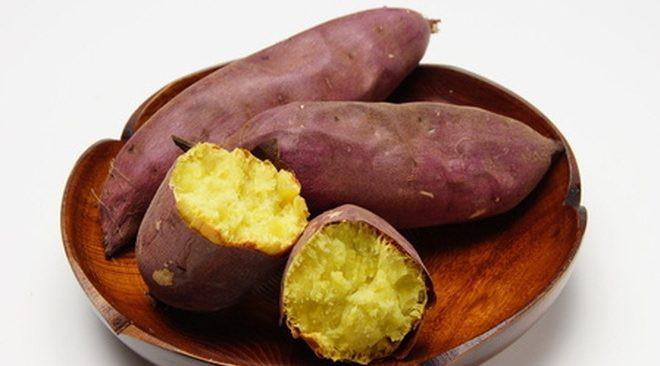
1. They Can Provide Plenty of Beta-Carotene
One of the most recognizable features of orange-fleshed sweet potatoes is their bright orange color.
That color comes largely from beta-carotene, a carotenoid that the body can convert into vitamin A.
Vitamin A is important for several functions, including normal vision, immune function, reproduction, and the health of tissues throughout the body.
The amount of beta-carotene varies significantly depending on the variety of sweet potato. Orange-fleshed varieties tend to be particularly rich in it.
An interesting detail is that how you eat your sweet potato can influence how much beta-carotene your body can absorb.
Because beta-carotene is fat-soluble, eating sweet potatoes as part of a meal containing a modest amount of healthy fat can help with absorption.
For example, you might pair roasted sweet potato with olive oil, nuts, seeds, or another source of unsaturated fat.
2. Sweet Potatoes Can Support Eye Health
The vitamin A connection brings us to another potential benefit.
Adequate vitamin A is essential for normal vision.
The body uses vitamin A in the visual cycle, particularly for maintaining normal function of the retina.
A diet that doesn't provide enough vitamin A can eventually contribute to vision problems.
Sweet potatoes are therefore a convenient way to add provitamin A carotenoids to the diet.
However, it's important not to exaggerate this benefit.
Eating sweet potatoes doesn't mean you can prevent every eye condition or reverse existing vision problems.
Eye health depends on many factors, including genetics, age, overall nutrition, smoking, sunlight exposure, diabetes, blood pressure, and other health conditions.
Think of sweet potatoes as one nutritious food that contributes to a broader eye-supportive diet.
3. They're a Good Source of Dietary Fiber
Fiber is another reason sweet potatoes deserve a place on your plate.
Dietary fiber supports normal digestive function and can help promote regular bowel movements.
It can also contribute to feelings of fullness, which may make meals more satisfying.
A medium baked sweet potato with its skin provides several grams of fiber, although the exact amount depends on its size and variety.
The skin is particularly useful because some of the fiber is found there.
That doesn't mean you must always eat the skin.
If you prefer peeled sweet potatoes, you can still get nutritional benefits from the flesh.
But if the skin is clean and prepared appropriately, leaving it on can increase the fiber content.
4. They May Help You Feel Fuller After Meals
If you're trying to build more satisfying meals, sweet potatoes can be useful.
Their combination of complex carbohydrates, fiber, and water can contribute to fullness.
This can be particularly helpful when sweet potatoes replace highly refined carbohydrate sources.
For example, compare a meal centered around:
Sweet potato + vegetables + beans + a protein source
with a meal consisting largely of refined carbohydrates and sugary sauces.
The first option generally provides a broader range of nutrients and may be more filling.
Of course, sweet potatoes aren't a weight-loss food by themselves.
Your overall calorie intake, activity level, sleep, eating pattern, and many other factors influence body weight.
The key is using sweet potatoes as part of a balanced meal rather than covering them with large amounts of butter, sugar, or other calorie-dense toppings.
5. They Provide Potassium
Sweet potatoes also contribute potassium, an essential mineral involved in normal nerve function, muscle contraction, and fluid balance.
Potassium is also important for maintaining healthy blood pressure.
Many people associate potassium with bananas, but sweet potatoes can be another useful dietary source.
A diet containing a variety of potassium-rich foods can be part of a heart-healthy eating pattern.
Good sources include:
-
Sweet potatoes
-
Beans
-
Lentils
-
Leafy green vegetables
-
Tomatoes
-
Potatoes
-
Certain fruits
-
Yogurt
However, there is an important exception.
People with certain forms of kidney disease may need to monitor their potassium intake because impaired kidney function can make it harder to regulate potassium levels.
If you've been told to follow a potassium-restricted diet, don't assume that a food is automatically appropriate simply because it's considered healthy.
Your individual medical advice takes priority.
6. They Contain Vitamin C
Sweet potatoes aren't usually the first food that comes to mind when people think about vitamin C, but they can contribute some vitamin C to your diet.
Vitamin C plays several important roles.
It supports normal immune function and is required for collagen production, which helps maintain skin, blood vessels, bones, and connective tissue.
Vitamin C also acts as an antioxidant and helps the body absorb iron from plant-based foods.
Cooking can reduce vitamin C because it is sensitive to heat and water.
That doesn't mean you need to eat sweet potatoes raw—in fact, raw sweet potatoes aren't particularly pleasant or practical for most people.
It simply means that preparation methods can affect nutrient levels.
7. Sweet Potatoes Provide Other Important Nutrients
Beta-carotene isn't the only nutrient found in sweet potatoes.
They also provide smaller amounts of several vitamins and minerals, including:
-
Vitamin B6
-
Manganese
-
Copper
-
Potassium
-
Vitamin C
-
Pantothenic acid
Vitamin B6, for example, participates in numerous metabolic processes and is involved in normal nervous-system function.
Manganese contributes to normal metabolism and antioxidant defense systems.
The exact nutritional profile varies depending on the variety and serving size.
That's another reason to think of sweet potatoes as part of a varied diet, rather than expecting one food to provide everything your body needs.
8. Their Plant Compounds Add to Their Nutritional Value
Sweet potatoes contain more than traditional vitamins and minerals.
They also contain naturally occurring plant compounds, including carotenoids and other phytochemicals.
Different varieties can contain very different compounds.
Orange sweet potatoes are particularly rich in beta-carotene.
Purple sweet potatoes contain anthocyanins, the pigments responsible for their deep purple color.
White and yellow varieties have their own distinct nutritional profiles.
These compounds are being studied for their antioxidant and other biological properties.
However, be careful with dramatic claims that a particular sweet potato variety can “cure” disease or “detox” the body.
Laboratory research on plant compounds is interesting, but evidence from test tubes or animal studies doesn't automatically mean that eating a particular food will produce the same effect in humans.
The safest conclusion is simple:
Eating a variety of colorful plant foods gives you a variety of beneficial plant compounds.
Sweet potatoes can be one of them.
9. They Can Be a Healthier Alternative to Refined Carbohydrates
Perhaps one of the most practical benefits of sweet potatoes is what they can replace.
A food doesn't have to be perfect to be useful.
Sometimes its nutritional value comes from replacing something less nutritious.
For example, you could use roasted sweet potato instead of:
-
Highly refined bread
-
Sugary breakfast pastries
-
Highly processed snack foods
-
Deep-fried potato products
-
Desserts made primarily from refined flour and added sugar
Sweet potatoes still provide carbohydrates, so they aren't a “carb-free” food.
And carbohydrates are not inherently unhealthy.
Your body uses glucose from carbohydrates as an important energy source.
The bigger question is the quality of the carbohydrate and what else comes with it.
A whole sweet potato provides fiber, micronutrients, and plant compounds that many refined carbohydrate foods lack.
What Happens When You Eat Sweet Potatoes Regularly?
Eating sweet potatoes regularly doesn't create an overnight transformation.
You probably won't wake up after one meal with dramatically improved health.
Nutrition doesn't work that way.
The potential benefits come from what happens when nutritious foods become part of your overall eating pattern over time.
If eating sweet potatoes helps you consume more vegetables, fiber, potassium, and carotenoid-rich foods while replacing highly processed alternatives, that's a meaningful dietary improvement.
But variety remains important.
Don't eat sweet potatoes exclusively.
Rotate them with other nutrient-rich foods such as:
-
Leafy greens
-
Beans
-
Lentils
-
Whole grains
-
Fruits
-
Nuts
-
Seeds
-
Other vegetables
A diverse diet gives your body access to a much broader range of nutrients and plant compounds.
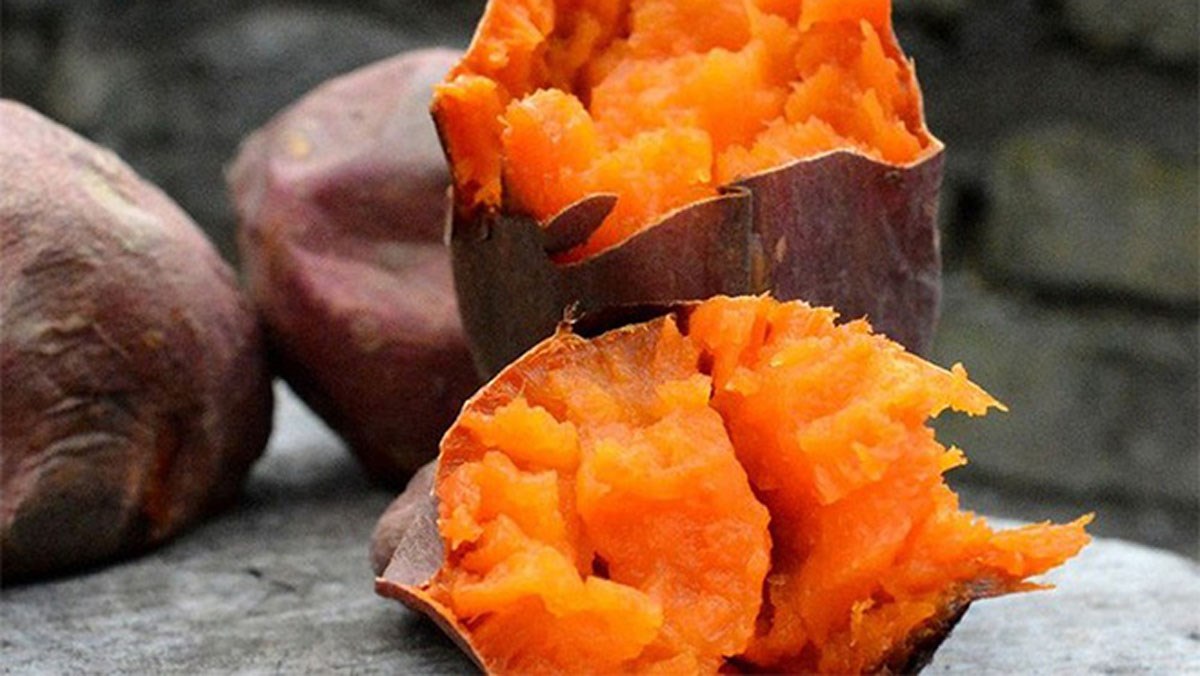
Is It Okay to Eat Sweet Potatoes Every Day?
For many healthy people, sweet potatoes can certainly be eaten regularly.
But there's no requirement to eat them every day.
If you enjoy them and they fit your nutritional needs, they're a perfectly reasonable carbohydrate choice.
The important thing is portion size and preparation.
A large sweet potato covered in butter, brown sugar, marshmallows, and syrup is a very different meal from a moderately portioned roasted sweet potato served with vegetables and lean protein.
The sweet potato itself isn't necessarily the problem.
What you add to it matters.
The Healthiest Ways to Prepare Sweet Potatoes
How you prepare sweet potatoes can significantly change the nutritional profile of the final dish.
Roasted
Roasting can bring out their natural sweetness without requiring large amounts of added sugar.
Try adding herbs, spices, garlic, or a small amount of olive oil.
Baked
A simple baked sweet potato can make an excellent side dish.
Top it with beans, vegetables, plain yogurt, or another nutritious protein-rich ingredient.
Steamed
Steaming can be a gentle cooking method and doesn't require added oil.
Boiled
Boiling works well in soups, stews, and mashed sweet potatoes.
However, some water-soluble nutrients can move into the cooking water.
Air-fried
Air-fried sweet potato wedges can provide a crispy texture without the large amount of oil typically used for deep-frying.
What About Sweet Potato Fries?
This is where things can get confusing.
Just because a food contains sweet potato doesn't automatically make every preparation healthy.
Sweet potato fries can be delicious, but deep-frying adds significant amounts of fat and calories.
Restaurant versions may also contain considerable sodium.
If you love sweet potato fries, there's no need to ban them completely.
Consider making them at home using an oven or air fryer.
Cut the sweet potato into wedges, add a modest amount of oil, season with herbs and spices, and roast until crisp.
You can get the satisfying texture without turning the vegetable into a heavily fried food.
Don't Forget the Toppings
A plain sweet potato is relatively simple.
But toppings can completely change the nutritional profile.
Consider the difference between:
Option A
Sweet potato + butter + brown sugar + marshmallows
and
Option B
Sweet potato + black beans + vegetables + herbs
Both contain sweet potato.
But they're very different meals.
If your goal is better health, focus on toppings that add nutrients rather than simply adding large amounts of sugar, sodium, or saturated fat.
Good options can include:
-
Plain Greek yogurt
-
Beans
-
Lentils
-
Chopped vegetables
-
Herbs
-
Spices
-
Seeds
-
Nuts
-
A small amount of olive oil
Can People With Diabetes Eat Sweet Potatoes?
Yes, sweet potatoes can fit into many diets for people with diabetes.
But portion size and the overall meal still matter.
Sweet potatoes contain carbohydrates, so they can raise blood glucose.
The advantage is that whole sweet potatoes also provide fiber and nutrients.
Rather than focusing only on whether a food is “good” or “bad” for blood sugar, think about the complete meal.
Pairing a moderate serving of sweet potato with protein, non-starchy vegetables, and healthy fats can create a more balanced meal.
If you have diabetes, your individual carbohydrate needs depend on your treatment plan, medications, activity level, and blood glucose goals.
So general nutrition advice shouldn't replace guidance from your healthcare professional or dietitian.
Can Sweet Potatoes Help With Weight Management?
They can be part of a weight-management diet, particularly because their fiber and water content can make them satisfying.
But it's important to avoid the idea that sweet potatoes “burn fat.”
They don't.
No single food automatically causes weight loss.
Weight management depends on overall energy balance and is influenced by many factors, including appetite, activity, sleep, medications, genetics, and eating patterns.
Sweet potatoes can simply be a useful replacement for less nutritious carbohydrate sources.
That makes them valuable without needing exaggerated claims.
What About Purple Sweet Potatoes?
If you've only eaten orange sweet potatoes, you may be surprised by purple varieties.
Purple sweet potatoes contain anthocyanins, the same general family of pigments responsible for the colors of foods such as blueberries and purple cabbage.
Anthocyanins have antioxidant properties and are being studied for their potential effects on health.
But again, don't assume that purple automatically means “healthiest.”
Orange, purple, yellow, and white sweet potatoes all have different nutritional profiles.
The best approach is variety.
Try different types when they're available and enjoy the differences in flavor and texture.
Are There Any Reasons to Limit Sweet Potatoes?
For most healthy people, sweet potatoes are a nutritious food that can fit comfortably into a balanced diet.
However, individual circumstances matter.
People with certain kidney conditions may need to monitor potassium.
People managing diabetes may need to pay attention to carbohydrate portions.
People with specific food allergies or digestive conditions may have individual considerations.
And if you're eating very large portions while trying to manage your weight, the calories can still add up.
“Healthy” doesn't mean “unlimited.”
A Simple Sweet Potato Meal
If you're looking for an easy way to incorporate sweet potatoes into your diet, try this simple combination:
Roasted sweet potato + grilled chicken + steamed broccoli + a small amount of olive oil
You get:
-
Carbohydrates for energy
-
Protein
-
Fiber
-
Potassium
-
Carotenoids
-
Vitamin C
-
Other vitamins and minerals
Or make a plant-based version:
Roasted sweet potato + black beans + leafy greens + avocado + lime
The idea is simple:
Don't eat the sweet potato alone if you can build a more balanced meal around it.
9 Benefits to Remember
Let's quickly recap what makes sweet potatoes worth adding to your menu.
1. Rich in beta-carotene
Orange varieties provide carotenoids that the body can convert into vitamin A.
2. Supports normal vision
Vitamin A plays an essential role in maintaining normal vision.
3. Provides dietary fiber
Fiber supports digestive health and contributes to feelings of fullness.
4. Can make meals more satisfying
Their combination of carbohydrates, fiber, and water can help create a filling meal.
5. Provides potassium
Potassium is important for normal nerve, muscle, and cardiovascular function.
6. Contains vitamin C
Vitamin C supports immune function, collagen production, and iron absorption.
7. Provides additional micronutrients
Sweet potatoes contribute vitamin B6, manganese, copper, and other nutrients.
8. Contains beneficial plant compounds
Different varieties provide carotenoids, anthocyanins, and other phytochemicals.
9. Can replace less nutritious carbohydrates
Using whole sweet potatoes instead of heavily refined or fried carbohydrate foods can improve the overall nutritional quality of a meal.

The Bottom Line
Sweet potatoes may look like a simple everyday vegetable, but they're surprisingly nutrient-dense.
They can provide fiber, potassium, vitamin C, vitamin B6, beta-carotene, and other beneficial plant compounds.
Their bright colors are more than just attractive—they reflect some of the naturally occurring pigments and compounds found inside.
But there's no need to turn sweet potatoes into a miracle food.
Their real value comes from something much simpler:
They can be a nutritious, satisfying whole-food carbohydrate that fits into a balanced diet.
Bake them.
Roast them.
Steam them.
Add them to soups.
Pair them with beans, vegetables, eggs, poultry, or other nutritious foods.
And keep the added sugar, excessive butter, and deep-frying to a minimum.
Most importantly, don't focus on one “superfood.”
A healthy diet is built from many different foods working together.
Sweet potatoes can absolutely be one of them—and they're probably more nutritious than you give them credit for.