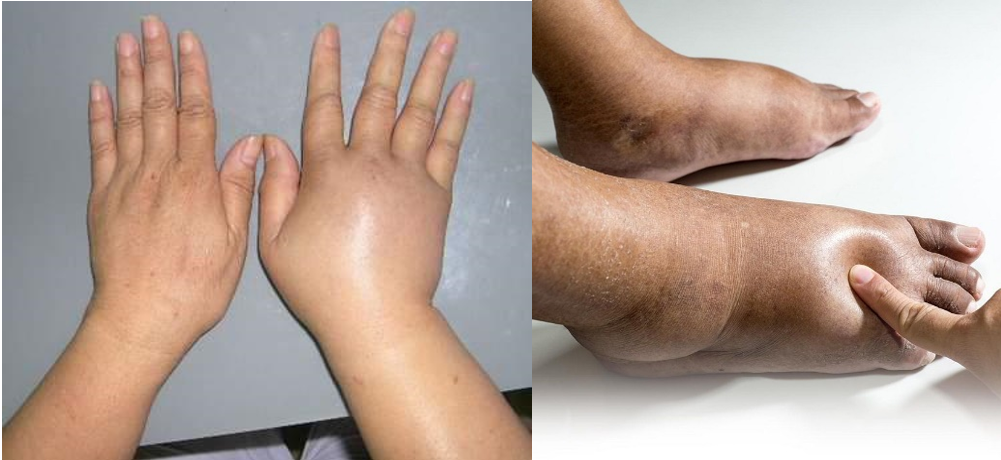
Noticing puffiness in your hands or feet - rings feeling tighter, shoes suddenly snug can be easy to brush off. But this kind of swelling (often called edema) is your body’s way of signaling that fluid balance isn’t quite right. Sometimes it’s harmless and temporary; other times, it points to an underlying issue that deserves attention.
Here’s how to read the signs and what to do next.
🧠 What Causes Swelling (Edema)?
Edema happens when excess fluid leaks from blood vessels and accumulates in surrounding tissues. It can be influenced by:
- Circulation (how blood moves through veins)
- Kidney function (fluid and salt balance)
- Hormones and inflammation
- Gravity (fluid pooling in lower limbs)
⚠️ Common (Often Harmless) Causes
🧂 1. Too Much Salt
High sodium intake makes the body hold onto water.
Clues:
- Swelling after salty meals
- Feeling bloated
What helps: reduce processed foods, increase water intake.
🚶 2. Long Periods of Sitting or Standing
Staying in one position lets fluid pool in the extremities.
Clues:
- Ankles swell after travel or desk work
- Improves after movement
What helps: walk, stretch, elevate legs.
🌡️ 3. Heat and Humidity
Warm weather dilates blood vessels, making fluid leakage more likely.
Clues:
- Seasonal swelling
- Worse at the end of the day
What helps: hydration, cooling, light activity.
🤰 4. Pregnancy
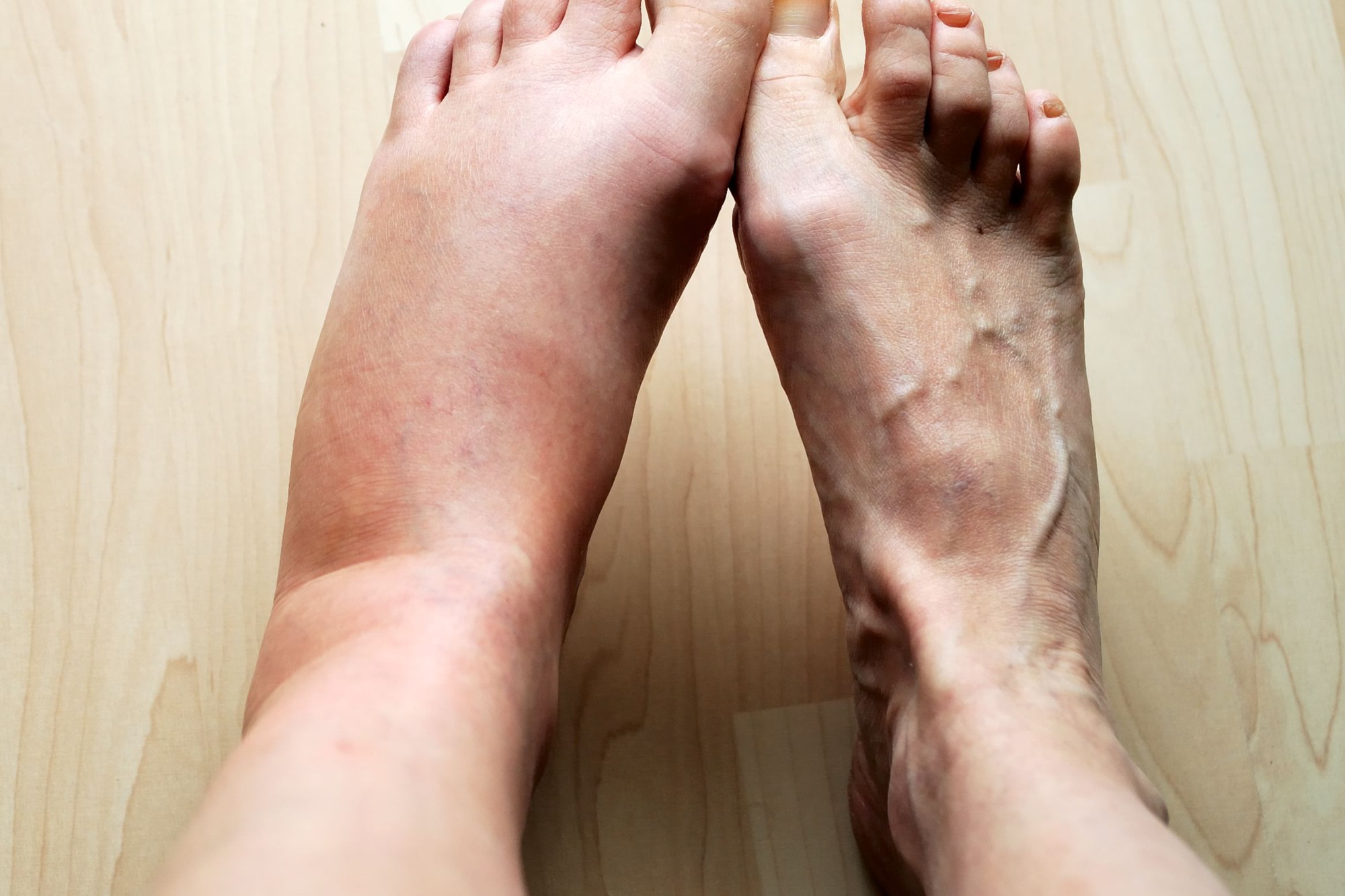
Hormonal changes and increased fluid volume can cause swelling—especially in the feet.
Clues:
- Gradual swelling in later pregnancy
- Usually improves with rest and elevation
🚨 Possible Medical Causes
If swelling is persistent, worsening, or accompanied by other symptoms, it may indicate a deeper issue.
❤️ 1. Heart-Related Issues
When the heart doesn’t pump efficiently, fluid can build up in the legs and feet.
Watch for:
- Shortness of breath
- Fatigue
- Swelling that worsens at night
🧂 2. Kidney Problems
The kidneys regulate fluid and electrolytes. If they’re not working well, fluid can accumulate.
Watch for:
- Swelling around eyes, hands, and feet
- Changes in urination
🩸 3. Liver Conditions
Liver issues can affect protein levels that keep fluid in the bloodstream.
Watch for:
- Abdominal swelling
- Easy bruising
🦵 4. Poor Circulation or Vein Issues
Conditions like chronic venous insufficiency can cause fluid to pool in the legs.
Watch for:
- Aching legs
- Visible veins
- Skin changes
💊 5. Medications
Some medications can cause fluid retention (e.g., certain blood pressure drugs, hormones).
🧠 What Your Body Might Be Telling You
Swelling isn’t random—it often reflects:
- Imbalance in fluid regulation
- Circulatory stress
- Dietary or lifestyle factors
- Early signs of organ strain
The pattern and accompanying symptoms matter more than a single episode.
🛠️ What You Can Do Right Now
✔️ Elevate Your Legs and Hands
Raising them above heart level helps fluid return to circulation.
✔️ Move Regularly
Even short walks improve blood flow.
✔️ Reduce Sodium Intake
Limit processed foods; choose fresh, whole options.
✔️ Stay Hydrated
Counterintuitive, but proper hydration helps regulate fluid balance.
✔️ Wear Comfortable, Non-Restrictive Clothing
Tight bands can worsen fluid buildup.
🚨 When to Seek Medical Attention
Get evaluated if you notice:
- Sudden or severe swelling
- Swelling in one limb only (especially with pain)
- Shortness of breath or chest discomfort
- Persistent swelling that doesn’t improve
Early assessment can rule out serious causes.
💡 Final Thoughts
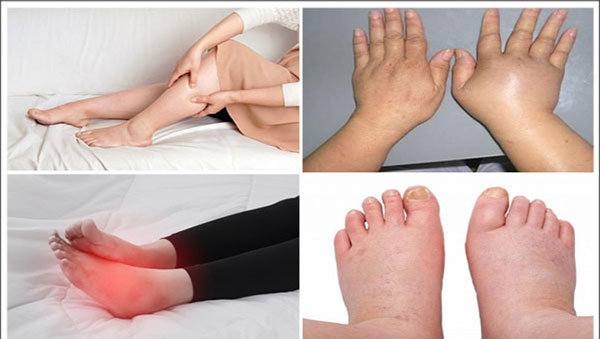
Swelling in the hands and feet is often your body’s early warning system. Sometimes it’s just a response to heat, salt, or inactivity. Other times, it’s a clue that something deeper needs attention.
The key is to observe patterns, respond early, and adjust habits. If it keeps happening - or comes with other symptoms don’t ignore it.
Because when your body sends signals, it’s not trying to alarm you - it’s trying to be understood.