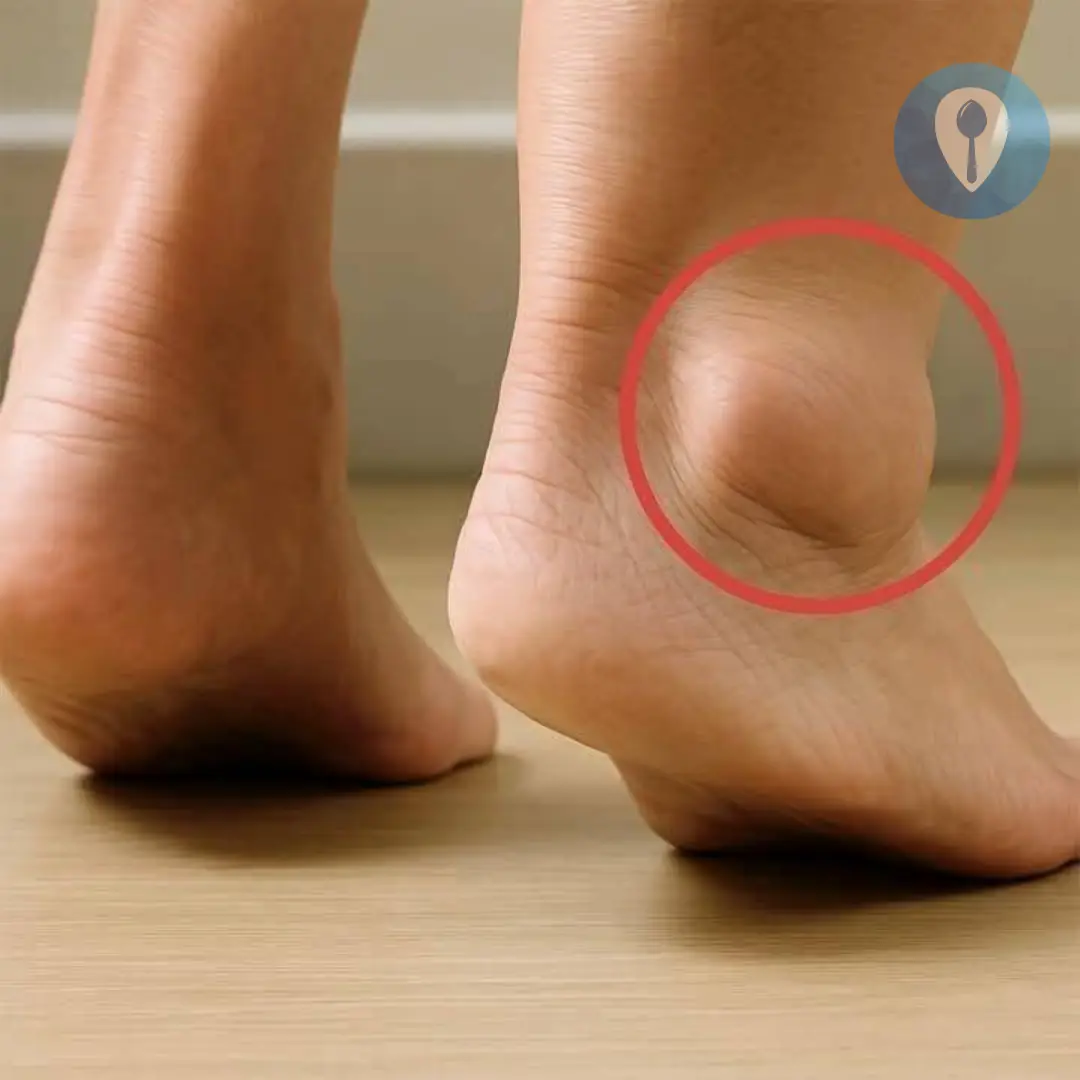
You come home after a long day—maybe you’ve been on your feet, sitting at a desk, or out in the summer heat. You slip off your shoes… and pause.
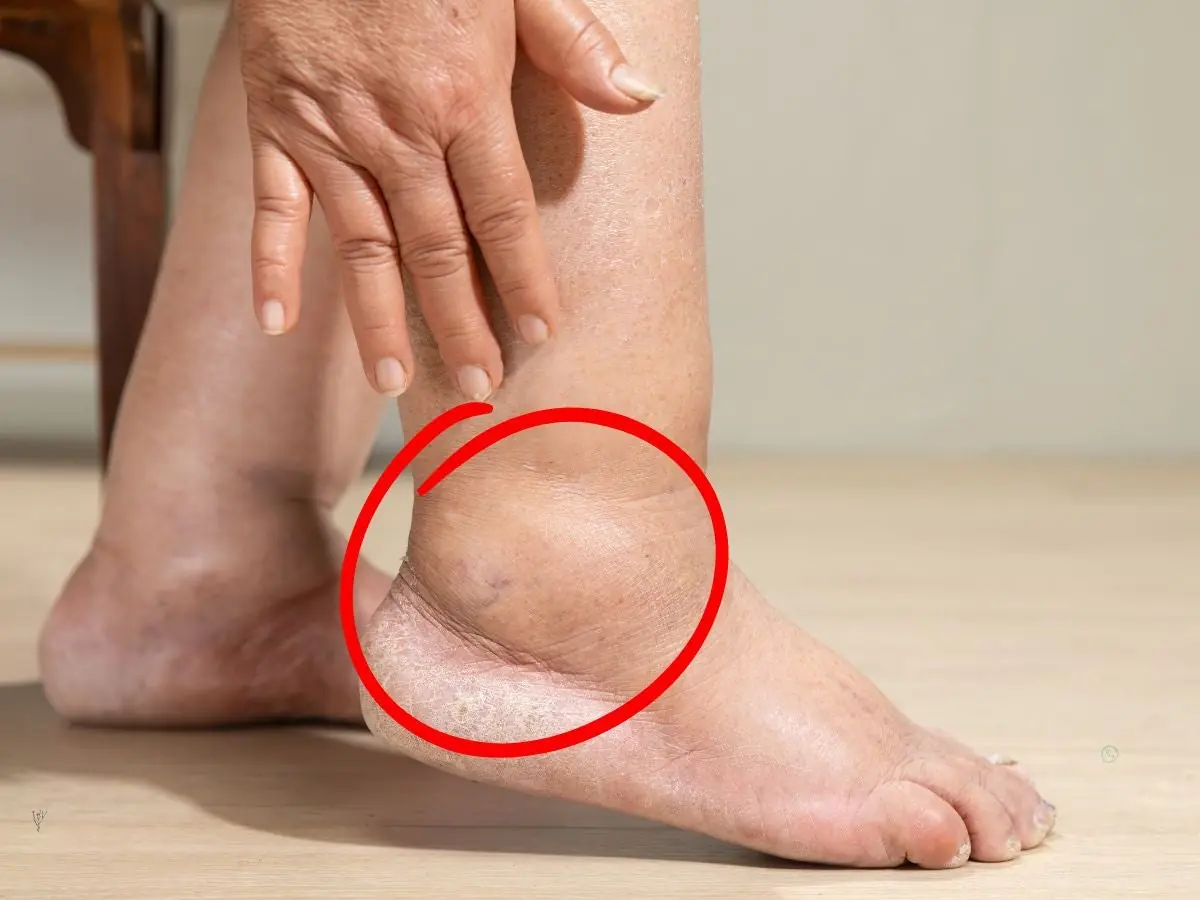
Your ankles look fuller. Your feet feel tight, heavy, or tender—like they’re carrying extra weight, even though you haven’t changed a thing.
First, take a breath.
This is more common than you think—and in most cases, it’s not cause for alarm. It’s simply your body’s quiet way of saying, “I could use a little support right now.”
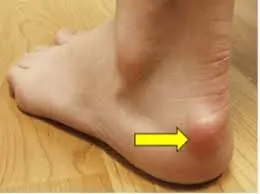
Let’s walk through what’s happening—and how you can help.
What’s Really Going On?
This kind of swelling—medically called edema—occurs when small amounts of fluid temporarily gather in the soft tissues of your legs and feet. Think of it like a gentle tide: rising with certain conditions, receding with care.
Common, everyday triggers include:
- Warm weather — Heat causes blood vessels to expand, allowing a bit more fluid to settle downward.
- Long periods of standing or sitting — Gravity does its work; movement helps reverse it.
- Too much salt — Sodium holds onto water, and your body responds in kind.
- Dehydration — Ironically, not drinking enough can cause your system to hold on to fluid.
- Pregnancy, certain medications, or hormonal shifts — Your body is adapting—and sometimes, that includes gentle swelling.
In these cases, the puffiness is usually mild, soft to the touch, and eases with rest, elevation, or a change in routine.
When to Pause and Pay Closer Attention
While temporary swelling is often nothing more than your body’s natural rhythm, there are times when it’s wise to listen more deeply.
Consider reaching out to your healthcare provider if the swelling:
- Persists for several days without improvement
- Is uneven (one leg much more swollen than the other)
- Comes with redness, warmth, pain, or fever
- Leaves a dent when you press your finger into the skin (called pitting edema)
- Is accompanied by shortness of breath, chest discomfort, or sudden weight gain
These can be signs of underlying concerns—such as vein issues, heart or kidney function changes—and deserve gentle, professional attention. Not because something is necessarily wrong—but because you are worth understanding.
Simple, Loving Ways to Support Your Body
When swelling is mild and routine, these time-honored, natural approaches often bring welcome relief:
Elevate with kindness
Lie down and rest your legs on a pillow—just above heart level—for 15–20 minutes, a few times a day. Let gravity help the fluid gently return upward.
Move with ease
Gentle walking, ankle circles, or calf stretches encourage circulation. Even rocking your feet while seated helps.
Hydrate wisely
Sip water steadily through the day. It may seem counterintuitive—but proper hydration helps your body release excess fluid.
Mind the salt
Notice how much processed food you’re eating. A little less sodium often makes a noticeable difference—especially in warmer months.
Choose comfort
Avoid tight socks or shoes with tight bands around the calf. Opt for supportive, roomy footwear—and consider compression socks if recommended by your provider.
A Final Thought
Your body is not failing you when it swells.
It’s communicating—in its own soft language—about balance, rest, and care.
Sometimes, the most powerful medicine isn’t a pill, but a pause:
a few minutes with your feet up,
a glass of cool water,
the decision to walk barefoot in the grass,
or the courage to say, “I’m going to call my doctor, just to be sure.
You deserve to feel light in your body—
not because it’s perfect,
but because it’s yours.
And that is always worth honoring.
Note: This information is for general wellness awareness only. Always consult your healthcare provider about persistent or concerning symptoms.