Symptoms Caused by HPV in the Throat: What You Should Never Ignore
Human papillomavirus (HPV) is widely known for its link to cervical cancer, but fewer people realize that it can also affect the throat. In recent years, HPV-related throat infections—especially oropharyngeal cancer—have been increasing, often developing silently before noticeable symptoms appear.
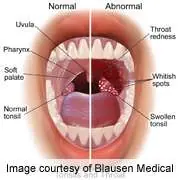
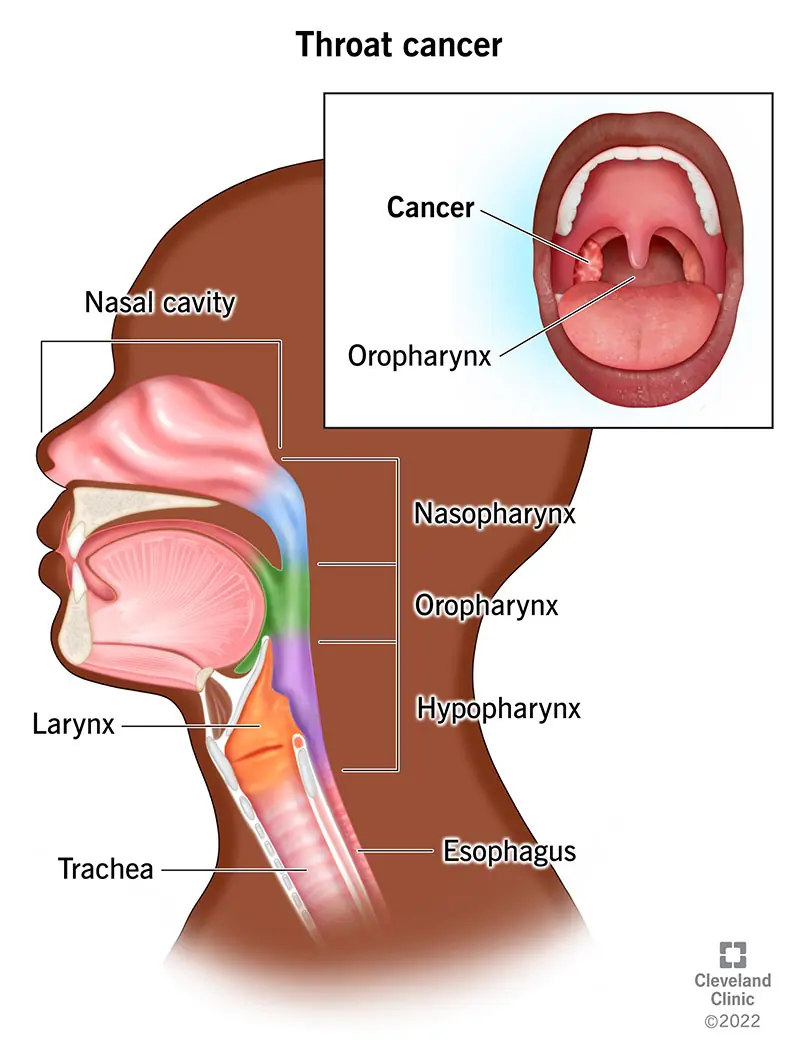
The image highlights several key warning signs. Understanding these symptoms early can help with timely diagnosis and better treatment outcomes.
What Is HPV in the Throat?

4
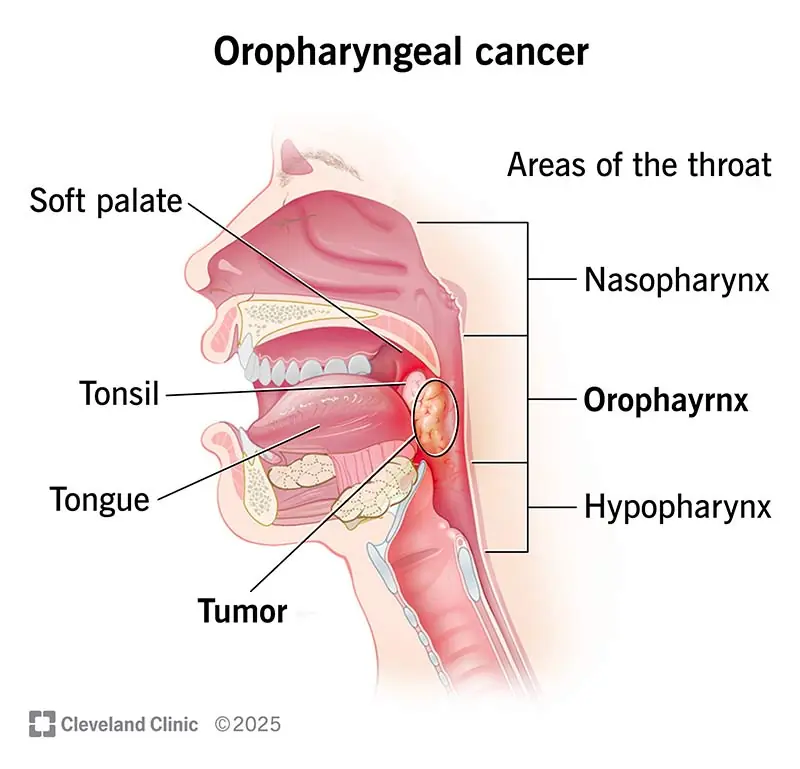
HPV in the throat affects areas such as:
- The tonsils
- The base of the tongue
- The back of the throat (oropharynx)
It is commonly transmitted through close contact, including oral exposure. While many HPV infections clear on their own, some high-risk strains can lead to abnormal cell growth and eventually cancer.
1. Persistent Sore Throat
A sore throat that doesn’t go away after a few days—or keeps returning—can be a warning sign. Unlike a typical cold, this discomfort:
- Lasts for weeks
- Does not respond well to usual treatments
- May feel localized on one side
2. Difficulty Swallowing


4
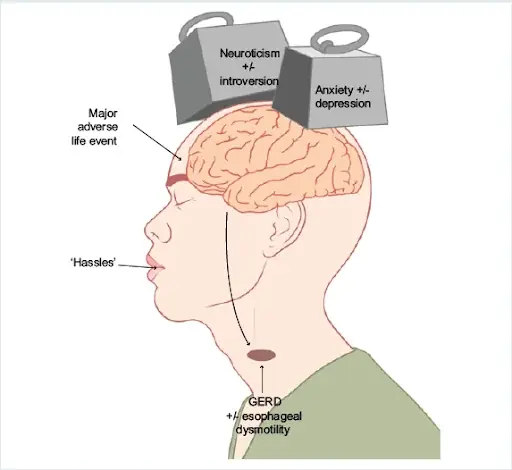
Trouble swallowing (dysphagia) may feel like:
- Food getting stuck
- Pain when swallowing
- A constant lump sensation
This happens when abnormal tissue growth interferes with normal throat function.
3. Ear Pain Without Infection
Ear pain can sometimes originate from the throat due to shared nerve pathways. If there is:
- Persistent ear pain
- No clear ear infection
…it may be referred pain from the throat, which should not be ignored.
4. Hoarseness or Voice Changes
Changes in the voice—such as hoarseness or a raspy tone—can occur when the infection affects nearby vocal structures.
If voice changes last more than 2–3 weeks, it’s important to get evaluated.
5. Lumps in the Throat or Neck

4
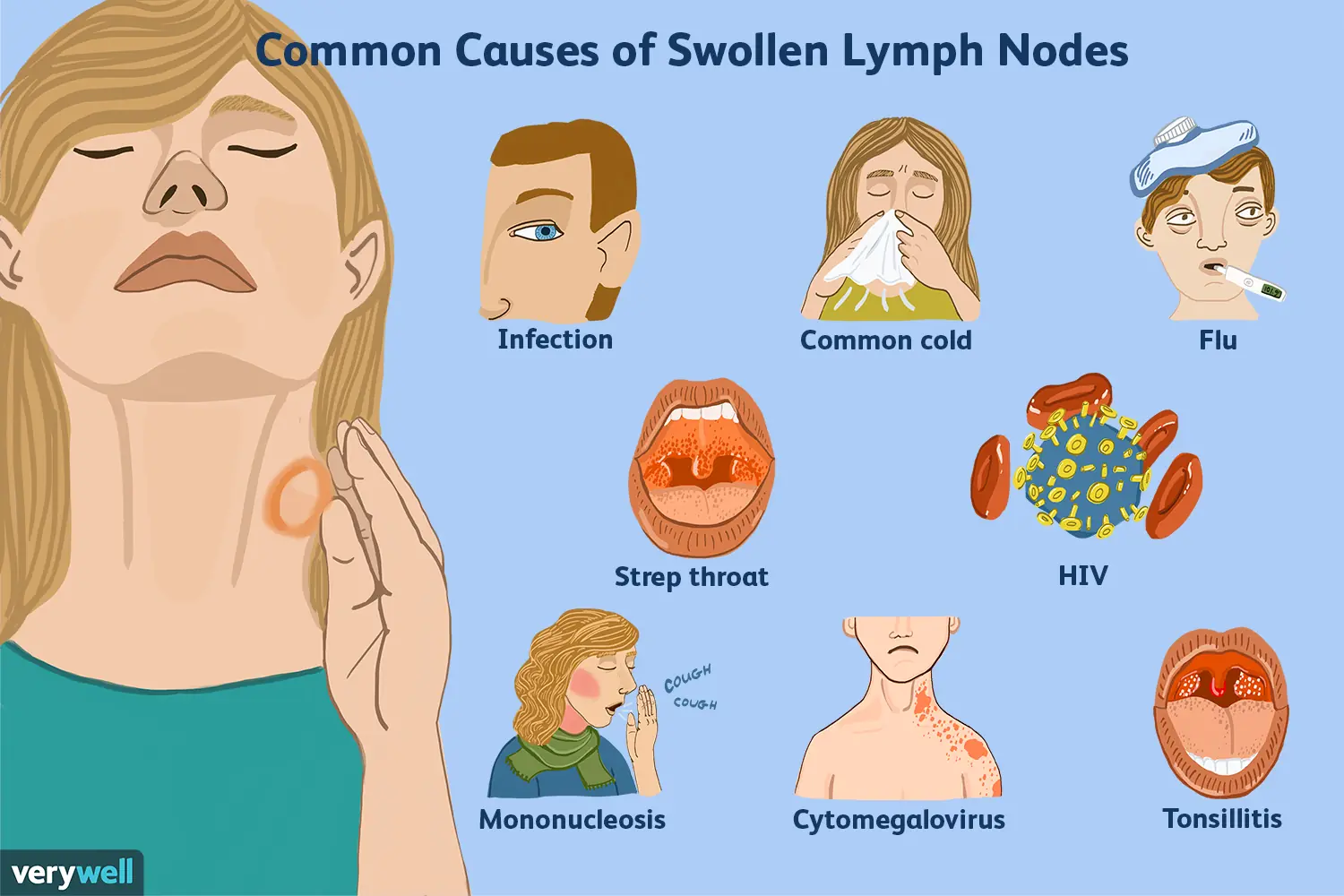
One of the most noticeable signs is a lump:
- In the neck (swollen lymph nodes)
- In the throat area
These lumps may be painless at first but gradually increase in size.
6. Swollen Lymph Nodes
The immune system reacts to abnormal cells, causing lymph nodes to enlarge. Persistent swelling—especially on one side—should be checked.
Why These Symptoms Are Often Ignored
Many of these signs mimic common conditions like:
- Sore throat
- Tonsillitis
- Mild infections
Because of this, people often delay seeking medical attention until symptoms worsen.
When to See a Doctor
Medical evaluation is recommended if:
- Symptoms last longer than 2–3 weeks
- There is difficulty swallowing or persistent pain
- A lump appears in the neck or throat
- Voice changes do not improve
Early detection significantly improves treatment success.
Prevention and Protection
- HPV vaccination can reduce risk
- Maintaining good oral health is important
- Avoiding high-risk behaviors helps prevent transmission
- Regular health check-ups support early detection
Final Thoughts
HPV in the throat is a growing health concern, but it often begins with subtle symptoms that are easy to dismiss. A sore throat that won’t go away, unexplained ear pain, or difficulty swallowing may seem minor—but they could be early warning signs.
Pay attention to changes in your body. Acting early is the most powerful step toward protecting long-term health.
HPV in the Throat: Hidden Risks, Causes, Diagnosis, Treatment, and Prevention
Understanding the Difference Between an HPV Infection and Throat Cancer
One of the most important things to understand about HPV is that an infection does not automatically mean cancer will develop. Human papillomavirus is a large family of viruses, with more than 200 known types. Some types cause common skin warts, while others affect the genital area, mouth, and throat.
HPV infections involving the mouth and throat are often called oral HPV infections. When the virus affects the oropharynx—the middle part of the throat that includes the tonsils, the base of the tongue, and the back of the throat—it may be associated with oropharyngeal cancer.
However, most oral HPV infections do not cause cancer. In many people, the immune system clears or suppresses the infection naturally within one or two years. The concern arises when a high-risk HPV type, particularly HPV-16, persists in cells for a prolonged period.
Over time, persistent infection can interfere with normal cellular regulation. Certain viral proteins can disrupt the mechanisms that normally control cell growth and prevent damaged cells from multiplying. In a small proportion of cases, these changes may eventually contribute to cancer.
This process usually takes years rather than happening overnight. It is also important to recognize that many people with HPV-related oropharyngeal cancer have no obvious history of genital warts or other recognizable HPV symptoms.
How Does HPV Reach the Throat?
HPV is primarily transmitted through intimate skin-to-skin or mucosal contact. Oral sexual contact is an established route through which HPV can reach the mouth and throat.
The virus may enter through tiny areas of irritation or microscopic breaks in the lining of the mouth. It can then infect cells in susceptible tissues.
There are several important points about transmission:
-
HPV can be transmitted even when neither person has visible symptoms.
-
A person may carry HPV without knowing it.
-
The infection may remain undetected for months or years.
-
A positive HPV result cannot reliably establish when the infection was acquired or identify who transmitted it.
HPV is not generally spread through ordinary social contact such as hugging, sharing a workplace, or sitting beside someone. There is also no good evidence that casual contact with household objects is a major route of oral HPV transmission.
Because HPV can remain undetected for a long time, discovering an HPV-related condition does not necessarily indicate recent exposure or infidelity.