A red, ring-shaped mark on a child’s skin can be easy to dismiss.
Maybe it looks like a mosquito bite. Maybe you assume your child scratched the area during the night. Or perhaps you notice a circular patch that seems harmless at first but gradually becomes larger.
Sometimes, it really is nothing more than a minor skin irritation.
But a ring-shaped rash can have many different causes, and some are worth having evaluated—especially when the mark continues to expand, changes in appearance, becomes painful or itchy, or is accompanied by other symptoms.
The important thing is not to panic. A red ring does not automatically mean something serious. Instead, parents should pay attention to how the rash looks, how quickly it changes, where it appears, and whether their child feels unwell.
Here are some of the possibilities parents should know about.
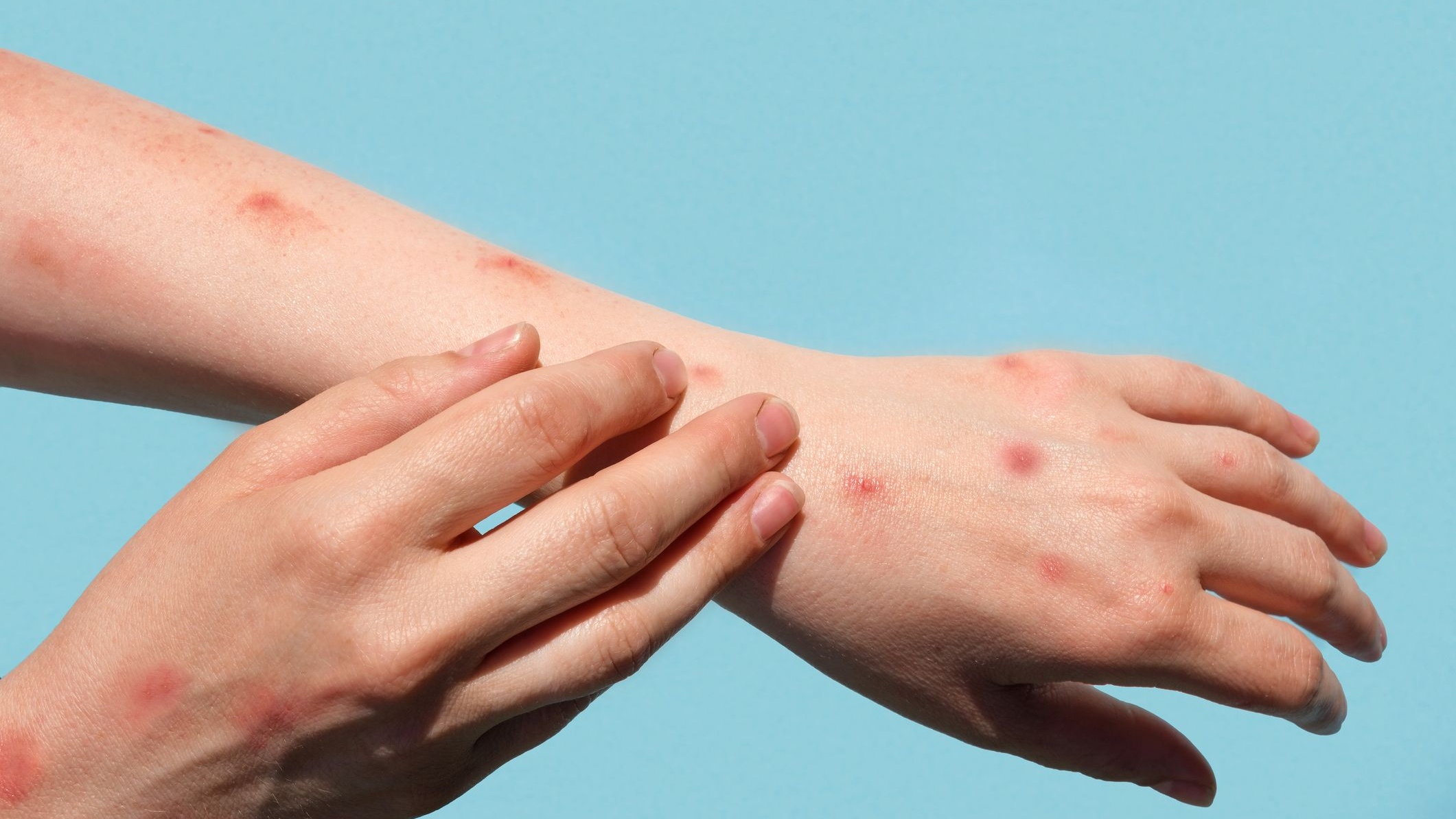
A Red Ring Isn't Always a Bug Bite
Children are constantly exposed to things that can irritate their skin.
Insects, plants, soaps, detergents, sweat, friction, animals, and other environmental exposures can all cause temporary skin reactions.
A typical insect bite may produce a small, raised, red or pink bump. It may itch intensely, and the child may have several bites in areas exposed during outdoor activities.
However, some rashes can develop a circular or ring-like appearance and may initially resemble an insect bite.
That's why appearance alone isn't always enough to determine the cause.
A rash that looks like a simple bite but continues to grow or develop a distinctive pattern deserves closer attention.
1. Ringworm Can Look Like a Red Circle
Despite its name, ringworm isn't caused by a worm.
It's a fungal infection of the skin, and children can pick it up through contact with infected people, animals, or contaminated objects.
One of the classic appearances is a circular or oval rash that gradually expands outward.
The outer edge may become:
-
Red or pink
-
Slightly raised
-
Scaly
-
Itchy
-
More noticeable than the center
The center can sometimes appear relatively clearer compared with the outer border, creating the familiar "ring" appearance.
Ringworm can occur on many parts of the body, including the arms, legs, torso, face, and scalp.
Why it can be mistaken for a bug bite
Early fungal infections aren't always perfectly circular. A small patch may simply look like an irritated spot.
Over time, however, the rash may become larger and more defined.
If a supposed bug bite keeps expanding rather than gradually settling down, it's worth considering other possibilities.
2. Lyme Disease Can Cause an Expanding Rash
One of the more important reasons to pay attention to an expanding ring-shaped rash is Lyme disease, which is transmitted through the bite of infected ticks.
A characteristic early skin manifestation is called erythema migrans.
It often begins at or near the site of a tick bite and gradually expands over time.
Contrary to a common misconception, it does not always look like a perfect bull's-eye. It can appear as a gradually enlarging red patch and may have different patterns in different people.
This distinction matters.
Parents shouldn't assume that Lyme disease is present—or absent—simply because a rash doesn't look exactly like a textbook target.
Other symptoms can occur around the same time, including:
-
Fever
-
Chills
-
Headache
-
Fatigue
-
Muscle aches
-
Joint discomfort
-
Swollen lymph nodes
If a child develops an expanding rash after spending time in an area where Lyme disease occurs, especially after possible tick exposure, contacting a healthcare professional is important.
3. An Allergic Reaction Can Create Red, Itchy Patches
Children can also develop skin reactions after contact with substances their bodies don't tolerate well.
Possible triggers include:
-
New soaps
-
Laundry detergents
-
Plants
-
Fragrances
-
Cosmetics
-
Adhesives
-
Certain topical products
-
Metals
-
Animal exposure
Contact dermatitis can produce redness, itching, swelling, dryness, or small bumps.
The rash may sometimes have unusual shapes corresponding to where the irritating substance touched the skin.
Unlike a simple insect bite, the rash may persist as long as the child continues to encounter the trigger.
Identifying what changed recently can therefore be useful.
4. Hives Can Sometimes Look Surprisingly Different
Hives, also known as urticaria, are another common cause of red or pink skin lesions in children.
They can appear suddenly and may be triggered by:
-
Viral infections
-
Certain foods
-
Medications
-
Insect exposure
-
Heat
-
Cold
-
Pressure
-
Other immune reactions
Hives are usually itchy and can change shape or location relatively quickly.
Individual welts may disappear while new ones appear elsewhere.
This behavior is different from many infections, which tend to remain in the same location and gradually evolve.
5. Other Skin Conditions Can Produce Circular Rashes
A ring-shaped rash isn't limited to infections or insect bites.
Several inflammatory skin conditions can sometimes create round or oval patches.
For example, nummular eczema can produce coin-shaped itchy patches of inflamed skin.
Dry skin, irritation, or other forms of dermatitis can also create sharply defined areas of redness.
Children with eczema may have multiple patches rather than a single isolated lesion.
Because different conditions can look similar, especially during their early stages, a healthcare professional may need to examine the rash directly.

What Should Parents Look For?
Instead of focusing only on the color of the rash, look at the entire pattern.
Ask yourself:
Is the rash getting bigger?
An expanding rash is more important than a mark that remains the same size and gradually fades.
Measure or photograph the area if you're unsure whether it is changing.
Is there scaling?
A scaly, raised outer edge can occur with fungal infections such as ringworm.
Is it intensely itchy?
Itching is common with insect bites, allergic reactions, eczema, and fungal infections.
Is it painful?
Pain, warmth, swelling, or tenderness can sometimes indicate inflammation or infection.
Is there drainage?
Pus, crusting, or fluid may indicate a secondary bacterial infection or another skin problem.
Does your child have other symptoms?
Fever, unusual tiredness, headache, joint pain, vomiting, breathing difficulty, or significant behavioral changes can make a rash more concerning.
Don't Scratch Away the Clues
Children naturally want to scratch itchy skin.
But excessive scratching can damage the skin and make the situation harder to evaluate.
It can also introduce bacteria into broken skin, potentially causing a secondary infection.
Try to keep your child's fingernails trimmed and encourage them not to scratch.
For an unexplained rash, avoid experimenting with numerous creams at the same time. Mixing several products can irritate the skin further and may make the original rash harder to recognize.
Be Careful With "Miracle" Skin Remedies
When parents see an unusual rash, it's tempting to search for a quick solution.
But household remedies, essential oils, strong antiseptics, bleaching products, or leftover prescription creams aren't necessarily appropriate for children.
In particular, using a steroid cream on an undiagnosed fungal infection can sometimes alter its appearance and potentially make the infection more difficult to recognize or treat.
The safest approach is to determine what you're dealing with before aggressively treating it.
When Should You Call the Doctor?
A child with a small, mild rash who otherwise feels completely well may not need emergency treatment.
However, parents should consider medical evaluation when a rash:
-
Continues to expand
-
Doesn't improve
-
Keeps returning
-
Becomes increasingly red or painful
-
Develops significant swelling
-
Has a scaly or unusual border
-
Produces pus or drainage
-
Is accompanied by fever
-
Appears after possible tick exposure
-
Is associated with joint pain or unusual fatigue
-
Appears repeatedly without an obvious explanation
A clinician can examine the pattern and determine whether testing or treatment is necessary.
Some Symptoms Require Urgent Attention
A rash itself isn't always an emergency, but certain accompanying symptoms are.
Seek urgent medical care if your child develops a rash together with:
-
Difficulty breathing
-
Swelling of the lips, tongue, or throat
-
Fainting or severe weakness
-
Rapidly worsening swelling
-
A child who appears seriously ill
-
High fever with a rapidly worsening rash
-
Significant pain or rapidly spreading redness
-
Blistering or extensive skin peeling
These symptoms can indicate a more serious allergic reaction, infection, or another condition requiring prompt assessment.
What About a Rash After a Tick Bite?
If your child has recently been outdoors, especially in a wooded, brushy, or grassy environment, check the skin carefully for ticks.
Pay attention to areas such as:
-
Behind the knees
-
Around the waist
-
In the armpits
-
Behind the ears
-
Along the hairline
-
Between the legs
A tick bite does not automatically mean your child has Lyme disease or another tick-borne infection.
However, if a suspicious bite is followed by an expanding rash or flu-like symptoms, medical advice should be sought.
It's also useful to remember that Lyme disease risk varies considerably by geographic region.
Take a Photo When You First Notice the Rash
One simple habit can be surprisingly helpful.
When you first notice an unusual rash, take a clear photograph.
If possible:
-
Take one close-up image.
-
Take another showing where it is located on the body.
-
Photograph it again later if it changes.
-
Include a familiar object or ruler nearby when appropriate to give a sense of scale.
This can help you determine whether the rash is actually expanding.
It can also provide useful information to a healthcare professional if the appearance changes before the appointment.
Don't Assume Every Ring Means the Same Thing
This is perhaps the most important takeaway.
A circular rash can be caused by something relatively minor, such as irritation or an insect reaction.
It can also occur with fungal infections, eczema, allergic reactions, and certain infections transmitted by ticks.
The shape alone cannot establish a diagnosis.
Two rashes can look similar while having completely different causes.
Likewise, a rash that looks unusual doesn't necessarily mean something dangerous is happening.
What matters is the combination of appearance, progression, symptoms, exposure history, and your child's overall health.
A Simple Parent's Checklist
If you notice a mysterious red ring on your child's skin, don't immediately panic.
Instead, consider these questions:
1. When did it first appear?
2. Is it getting larger?
3. Is it itchy, painful, warm, or swollen?
4. Is the skin scaly or raised around the edges?
5. Has your child recently been outdoors or exposed to ticks?
6. Has your child started using a new soap, detergent, lotion, or medication?
7. Has your child had contact with pets or someone with a similar rash?
8. Is there fever, fatigue, headache, joint pain, or another symptom?
9. Does your child otherwise seem completely well?
These details can help a clinician narrow down the possibilities.

The Bottom Line
A mysterious red ring on your child's skin can certainly catch a parent's attention but it doesn't automatically mean something dangerous.
It may be a simple insect reaction, irritation, eczema, or another common skin problem. But a persistent or expanding ring-shaped rash can also be associated with conditions such as ringworm or, depending on the circumstances and geographic exposure, Lyme disease.
The key is to watch for change.
If the rash keeps expanding, becomes painful, develops unusual features, persists without improvement, or appears alongside symptoms such as fever or significant fatigue, it's worth having your child evaluated.
And if your child develops breathing difficulty, facial or throat swelling, severe illness, or a rapidly worsening rash, seek urgent medical care.
Sometimes the skin gives us a useful clue. The goal isn't to diagnose the problem from a photograph or a single symptom—it's to recognize when a seemingly harmless mark deserves a closer look.