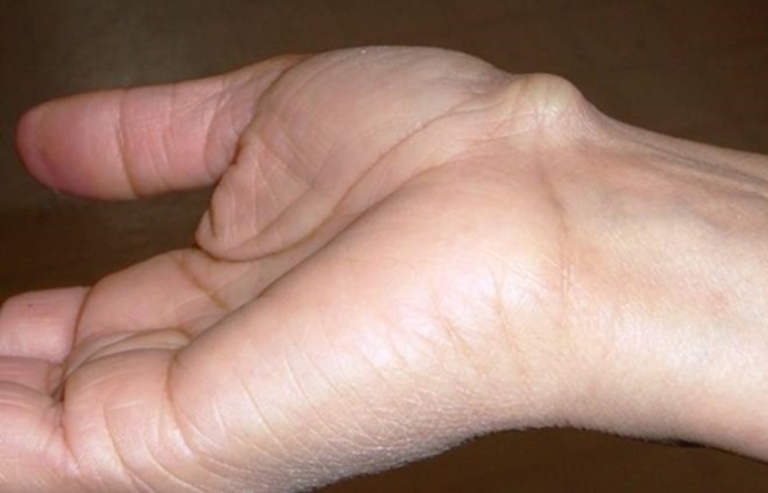
Noticing a small lump on your wrist can be surprising and sometimes a little worrying. It may appear suddenly, feel soft or firm, and even change in size over time. One of the most common causes of this type of lump is something called a ganglion cyst.
While the name may sound intimidating, ganglion cysts are generally harmless. However, understanding what they are, why they form, and when to take action is important for peace of mind and proper care.

What Is a Ganglion Cyst?
A ganglion cyst is a fluid-filled lump that typically develops near joints or tendons, most commonly on the wrist or hand. It contains a thick, jelly-like fluid similar to the fluid that lubricates your joints.
These cysts can vary in size:
- Some are very small and barely noticeable
- Others may grow larger and become more visible
They often appear on the back of the wrist but can also form on the palm side or even near fingers.
What Causes a Ganglion Cyst?
The exact cause is not always clear, but several factors may contribute:
- Repetitive wrist movements
- Joint or tendon irritation
- Previous injuries
- Natural wear and tear over time
When the joint or tendon lining weakens, fluid can leak out and collect, forming a cyst.
Common Symptoms
In many cases, ganglion cysts are painless. However, symptoms can vary depending on size and location.
You might notice:
- A visible lump on the wrist or hand
- A soft or firm texture
- Changes in size over time
- Mild discomfort or pressure
If the cyst presses on nearby nerves, it may cause:
- Tingling
- Numbness
- Weakness in the hand

Is It Dangerous?
Most ganglion cysts are benign (non-cancerous) and do not pose serious health risks. In fact, some may disappear on their own without any treatment.
However, it’s still important to monitor the lump, especially if:
- It grows rapidly
- Becomes painful
- Affects movement
How Is It Diagnosed?
A healthcare professional can usually identify a ganglion cyst through a physical examination. In some cases, additional tests like ultrasound or imaging may be used to confirm the diagnosis and rule out other conditions.
Treatment Options
Treatment depends on the severity of symptoms.
1. Observation
If the cyst is not painful, doctors may recommend simply watching it over time.
2. Immobilization
Limiting wrist movement may reduce the size of the cyst.
3. Drainage
In some cases, the fluid can be drained using a needle.
4. Surgery
If the cyst is persistent or painful, surgical removal may be considered.
What You Should Avoid
It’s important not to try home remedies that involve force.
Avoid:
- Hitting or pressing the cyst aggressively
- Trying to pop it yourself
These methods can cause injury or infection.
When Should You See a Doctor?
Seek medical advice if:
- The lump is painful
- It interferes with daily activities
- You are unsure what it is
Getting a proper diagnosis ensures peace of mind and appropriate care.
Final Thoughts
A small bump on your wrist can feel alarming at first, but in many cases, it may simply be a ganglion cyst—a common and usually harmless condition.
The key is awareness. By understanding what it is and how it behaves, you can make informed decisions about whether to monitor it or seek medical attention.
Sometimes, the body develops small changes that look concerning but turn out to be manageable. Staying informed helps turn uncertainty into confidence.