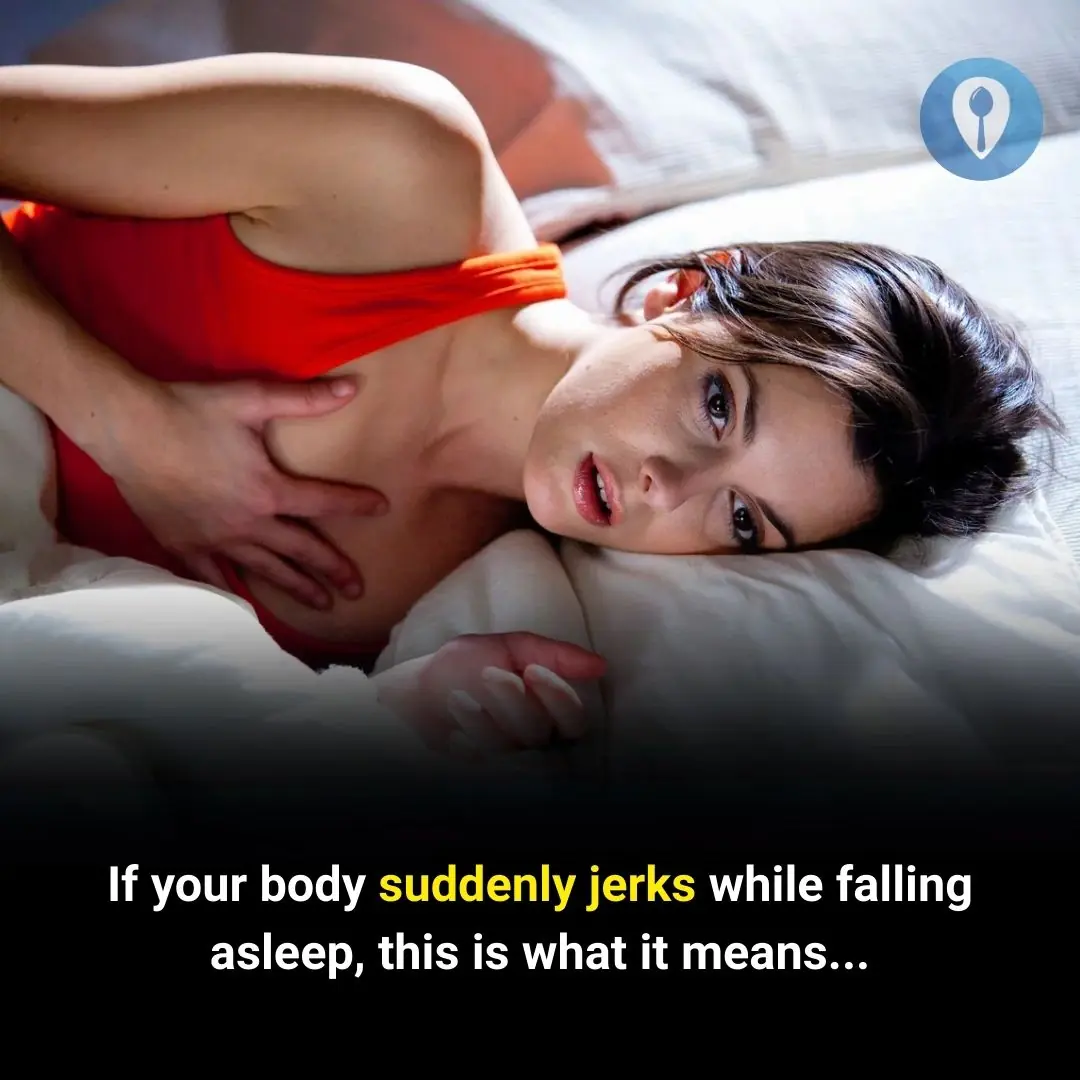
The Main Idea Behind Why Your Body Suddenly Jerks When You Fall Asleep
When your body suddenly twitches or jumps right as you’re drifting off to sleep, it’s usually due to a phenomenon called a hypnic jerk (also known as a sleep start or hypnagogic jerk). This is a common, harmless, involuntary muscle spasm that happens during the transition from wakefulness to sleep.
Below is the full explanation:
What Exactly Is a Hypnic Jerk?
A hypnic jerk is a sudden, involuntary muscle contraction that occurs as your body is falling asleep.
It may feel like:
-
A sudden “falling” sensation
-
A strong twitch in the arms or legs
-
Your whole body jumping
-
Your heart racing or a quick gasp
-
Being startled awake for a moment
These jerks are extremely common and happen to around 60–70% of people at some point.

Why Do Hypnic Jerks Happen?
Scientists do not have one single confirmed explanation, but several well-supported theories exist:
1. The brain misinterprets muscle relaxation
As your muscles relax and your breathing slows, the brain may mistakenly interpret this as “falling.”
To protect you, it triggers a quick jerk — a leftover survival reflex from ancient times.
2. Stress and anxiety
When your nervous system is overstimulated, your brain remains more alert as you fall asleep, increasing the chance of jerking awake.
3. Exhaustion and lack of sleep
Being overtired makes it harder for your brain to smoothly transition into sleep, often causing stronger or more frequent jerks.
4. Too much caffeine or stimulants
Caffeine, energy drinks, nicotine, and certain medications can overstimulate the nervous system, making hypnic jerks more likely.
5. Irregular sleep schedule
Going to bed too late or changing your sleep routine often disrupts the sleep–wake cycle, triggering more muscle spasms at sleep onset.
Are Hypnic Jerks Dangerous?
Generally, no — they are considered benign and normal.
However, they may indicate that your body is:
-
Stressed
-
Overtired
-
Overstimulated
-
Not getting good-quality sleep
If the jerks are violent, happen nightly, or cause long-term sleep disruption, it may be worth discussing with a doctor.
How to Reduce Hypnic Jerks
Experts recommend the following:
✔ Get 7–9 hours of sleep regularly
A consistent sleep schedule reduces the chance of sudden muscle contractions.
✔ Reduce caffeine and stimulants
Avoid caffeine, nicotine, and energy drinks at least 6 hours before bed.
✔ Lower stress before bedtime
Practice calming activities such as deep breathing, gentle stretching, warm showers, or reading.
✔ Create a peaceful sleep environment
Keep your bedroom quiet, dark, and cool, and avoid bright screens before bed.
✔ Avoid heavy exercise right before sleeping
Intense workouts can overstimulate the nervous system.
In Summary
Hypnic jerks are common, natural, and usually nothing to worry about.
They happen because of the way the brain and body transition from wakefulness to sleep, especially when the nervous system is stressed, tired, or overstimulated.
If you’d like, I can also:
✅ Rewrite this into a short viral version
✅ Turn it into a TikTok caption
✅ Make a Facebook post or a thumbnail title