How My Grandma Uses Ginger as a Traditional Remedy for Everyday Aches and Pains
My Grandma Has Always Trusted Ginger for Everyday Aches - Here’s How She Uses It
Health 02/08/2026 17:45
Pain is a common part of life. Whether it's a headache after a stressful day, sore muscles from exercise, joint stiffness, or mild inflammation, many people look for natural ways to feel more comfortable. While over-the-counter medications can be effective, some individuals also turn to everyday foods and spices that have been used in traditional medicine for centuries.
Many kitchen ingredients contain naturally occurring compounds with antioxidant or anti-inflammatory properties that may help support overall wellness. Although these foods are not substitutes for medical treatment and more research is needed for some traditional uses, incorporating them into a balanced diet may contribute to healthy inflammatory responses and everyday comfort.
Here are 12 natural ingredients you can often find at home that have been traditionally associated with pain relief and wellness.

Turmeric is one of the most extensively studied spices in the world. Its bright yellow color comes from curcumin, a natural compound known for its antioxidant and anti-inflammatory properties.
Traditional medicine has used turmeric for centuries to support joint health, digestive wellness, and recovery from minor injuries. Modern research suggests curcumin may help support a healthy inflammatory response, although its absorption improves when consumed with black pepper, which contains piperine.
Add to soups and curries.
Stir into warm milk or plant-based milk.
Sprinkle over roasted vegetables.
Blend into smoothies.
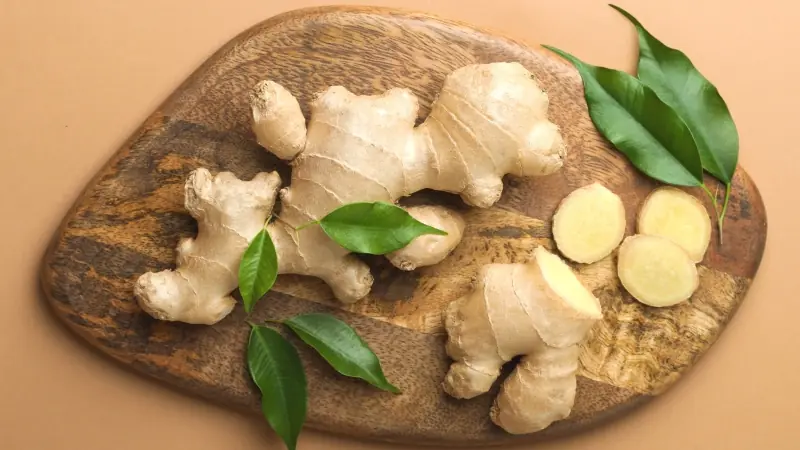
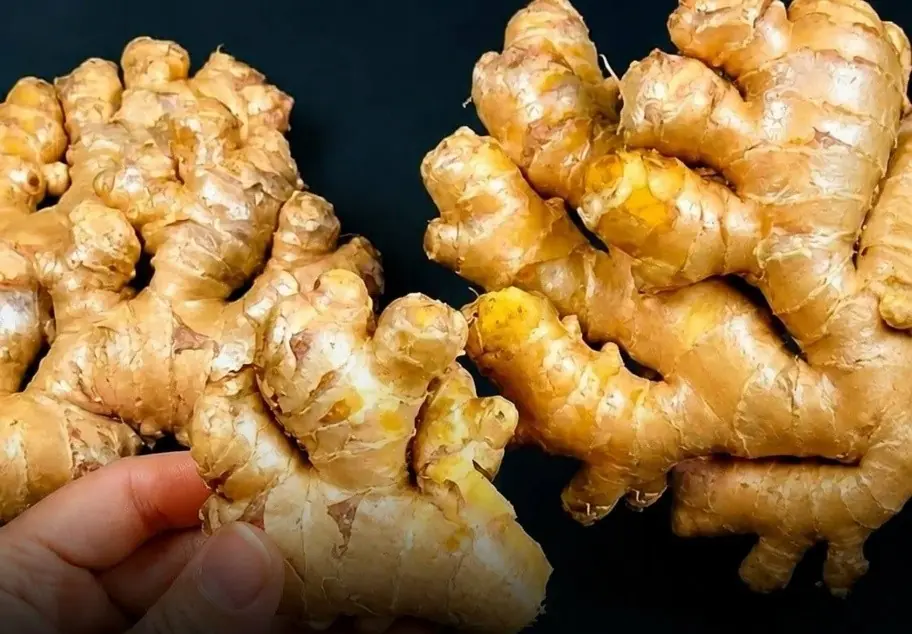
Fresh ginger has long been valued in traditional healing systems across Asia and the Middle East.
Its natural compounds, including gingerols and shogaols, have been studied for their potential to support healthy inflammatory processes. Ginger is also commonly used to ease nausea and digestive discomfort.
Some studies suggest ginger may help reduce muscle soreness following exercise and support joint comfort.
Ginger tea
Fresh ginger in stir-fries
Smoothies
Homemade soups
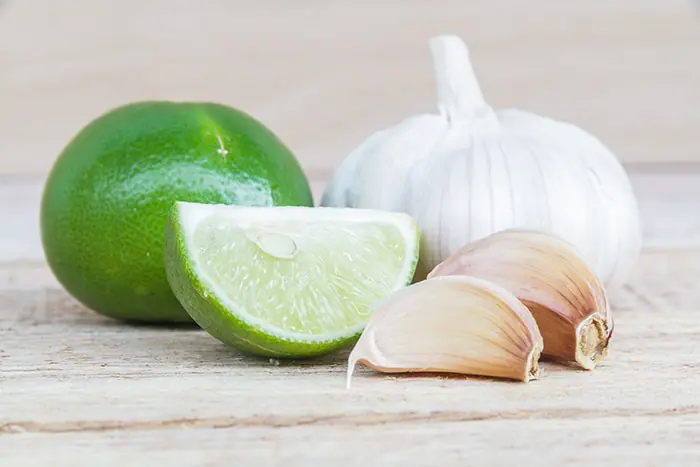
Garlic is much more than a flavorful seasoning.
When crushed, garlic produces allicin, a sulfur-containing compound that has attracted scientific interest for its antioxidant and antimicrobial properties.
Although garlic is not a pain medication, its role in supporting cardiovascular health and reducing oxidative stress may contribute to overall wellness.
Pasta dishes
Salad dressings
Roasted vegetables
Soups
Cinnamon has been treasured for thousands of years in both cooking and traditional herbal practices.
It contains powerful plant compounds called polyphenols, which possess antioxidant activity.
Some preliminary research suggests cinnamon may help support normal inflammatory balance and healthy blood sugar levels when consumed as part of a balanced diet.
Oatmeal
Yogurt
Coffee
Baked apples
Cloves are tiny flower buds packed with flavor and beneficial plant compounds.
Their primary active component, eugenol, has traditionally been used to soothe temporary tooth discomfort and has been studied for its mild anesthetic and anti-inflammatory properties.
Whole cloves or ground cloves can add warmth and aroma to many dishes.
Herbal tea
Baked goods
Rice dishes
Spice blends
The heat in cayenne pepper comes from capsaicin, a compound widely researched for its effects on pain perception.
Topical creams containing capsaicin are commonly used under medical guidance for certain types of nerve and joint discomfort. Consuming cayenne pepper as food may also contribute beneficial antioxidants to the diet.
Chili
Eggs
Soups
Marinades
Olive oil is a cornerstone of the Mediterranean diet.
It contains oleocanthal, a naturally occurring compound that has been studied for its anti-inflammatory properties.
Replacing saturated fats with olive oil may support heart health while contributing beneficial antioxidants.
Salad dressing
Vegetable drizzle
Whole-grain bread dip
Cooking vegetables
Chamomile is one of the world's most popular herbal teas.
For generations, it has been used to promote relaxation and ease occasional digestive discomfort.
Some people find a warm cup of chamomile tea comforting during periods of stress, tension, or minor aches, although individual responses vary.
Before bedtime
During stressful days
With honey and lemon
Peppermint contains menthol, which creates a cooling sensation and has traditionally been used to soothe tension and digestive discomfort.
Peppermint tea is a common home remedy for occasional stomach upset, while diluted peppermint oil is sometimes used topically under appropriate guidance.
Fresh leaves
Herbal tea
Infused water
Cherries, particularly tart cherries, are rich in anthocyanins, natural pigments that also function as antioxidants.
Research suggests tart cherry consumption may help support exercise recovery and reduce muscle soreness after strenuous physical activity.
Fresh, frozen, or unsweetened tart cherry juice can all be nutritious options.
Honey has been valued in traditional medicine for centuries.
Its natural antioxidants and antimicrobial properties have made it a popular choice for soothing sore throats and supporting minor wound care when used appropriately.
Choose raw or minimally processed honey when possible, but remember that honey should never be given to infants under one year of age.
Herbal tea
Yogurt
Whole-grain toast
Onions contain quercetin, a plant flavonoid known for its antioxidant activity.
Quercetin has been studied for its potential role in supporting normal inflammatory responses and overall cardiovascular health.
Cooking onions gently helps preserve much of their nutritional value while enhancing flavor.
Soups
Salads
Stir-fries
Sandwiches
Instead of relying on a single "superfood," experts generally recommend eating a wide variety of nutrient-rich foods. Combining herbs, spices, fruits, vegetables, healthy fats, legumes, whole grains, nuts, and seeds creates a dietary pattern that supports overall health.
Simple habits include:
Cooking with herbs and spices instead of excess salt.
Including colorful fruits and vegetables at every meal.
Choosing olive oil over butter for many recipes.
Drinking herbal teas as a caffeine-free alternative.
Staying hydrated throughout the day.
Limiting highly processed foods and added sugars.
Food is only one part of maintaining comfort and mobility. Consider these additional healthy habits:
Engage in regular physical activity appropriate for your fitness level.
Stretch before and after exercise.
Get 7–9 hours of quality sleep each night.
Manage stress through mindfulness, deep breathing, or meditation.
Maintain a healthy body weight to reduce strain on joints.
Stay hydrated, especially during hot weather or physical activity.
These lifestyle practices often work together with a nutritious diet to support overall well-being.
Although these ingredients are commonly consumed as foods, they are not risk-free for everyone.
Keep in mind:
Some herbs and spices may interact with prescription medications, including blood thinners and diabetes medications.
Large amounts of certain ingredients, such as turmeric or ginger, may not be appropriate for everyone.
Herbal remedies should not replace professional medical care for persistent or severe pain.
Seek medical attention if pain is sudden, severe, associated with injury, fever, numbness, weakness, chest pain, or other concerning symptoms.
Always consult a healthcare professional before using concentrated supplements or herbal products, particularly if you are pregnant, breastfeeding, have a chronic health condition, or take prescription medications.
Nature has provided many flavorful ingredients that have been appreciated for generations, not only for enhancing meals but also for their traditional wellness benefits. Turmeric, ginger, garlic, cinnamon, cloves, cayenne pepper, olive oil, chamomile, peppermint, cherries, honey, and onions all contain naturally occurring compounds that have been studied for their antioxidant, anti-inflammatory, or soothing properties.
While no single food can eliminate pain or replace appropriate medical treatment, incorporating a variety of these ingredients into a balanced diet may support overall health, help maintain a healthy inflammatory response, and contribute to everyday comfort. Combined with regular exercise, restorative sleep, stress management, and routine medical care, a nutrient-rich kitchen can become an important part of a healthy lifestyle.
My Grandma Has Always Trusted Ginger for Everyday Aches - Here’s How She Uses It
Garlic and Lemon Drink: A Nutrient-Rich Combination for Everyday Wellness
The Hidden Potential of Salted Orange Peels: Traditional Uses and Preparation

The Hidden Healing Treasure in Your Home: Discover the Amazing Benefits of Kalanchoe
Can Pennyroyal Oregano Support Eye Health? Here's What the Evidence Shows

The Simple Habit of Adding Cinnamon to Coffee or Tea: Potential Benefits Explained

Drink Your Way to Healthier-Looking Skin With These 5 Juices

Everything You Should Know About the Purple Maguey Plant: Traditional Uses and Preparation

10 Early Stroke Symptoms That Could Save Your Life
Goosegrass: The Everyday Plant That May Offer Surprising Wellness Benefits

6 People Who Should Limit Coconut Water Intake

These Symptoms Aren't Always Just Part of Aging

Two Spoons In The Morning And you'll thank me forever

Doctors Warn: These 4 Popular Foods May Hide Dangerous Parasites

No matter how hungry you are, don't touch these 5 breakfast foods.
Doctors Warn: These 3 Groups Shouldn't Eat Too Much Okra
Doctors reveal that consuming ginger causes in... see more

When you see a green ring around an egg yolk, it’s a sign that...

If You Have Gout, These Foods May Be Worth Limiting...
My Grandma Has Always Trusted Ginger for Everyday Aches - Here’s How She Uses It
Garlic and Lemon Drink: A Nutrient-Rich Combination for Everyday Wellness
The Hidden Potential of Salted Orange Peels: Traditional Uses and Preparation
The Hidden Healing Treasure in Your Home: Discover the Amazing Benefits of Kalanchoe
Can Pennyroyal Oregano Support Eye Health? Here's What the Evidence Shows
The Simple Habit of Adding Cinnamon to Coffee or Tea: Potential Benefits Explained
Drink Your Way to Healthier-Looking Skin With These 5 Juices
Everything You Should Know About the Purple Maguey Plant: Traditional Uses and Preparation

Why a Snake Plant Might Be a Great Addition to Your Bedroom?


10 Early Stroke Symptoms That Could Save Your Life
Goosegrass: The Everyday Plant That May Offer Surprising Wellness Benefits


Vaseline and Natural Ingredients: Simple Ways to Support Soft, Hydrated Skin
The Amazing Ways Rice Water Has Been Traditionally Used
6 People Who Should Limit Coconut Water Intake
These Symptoms Aren't Always Just Part of Aging