Pork is a staple ingredient in Vietnamese meals, but not everyone realizes that each cut offers different flavors and nutritional benefits. Some cuts are especially tender, flavorful, and packed with nutrients, making them highly recommended by culinary experts.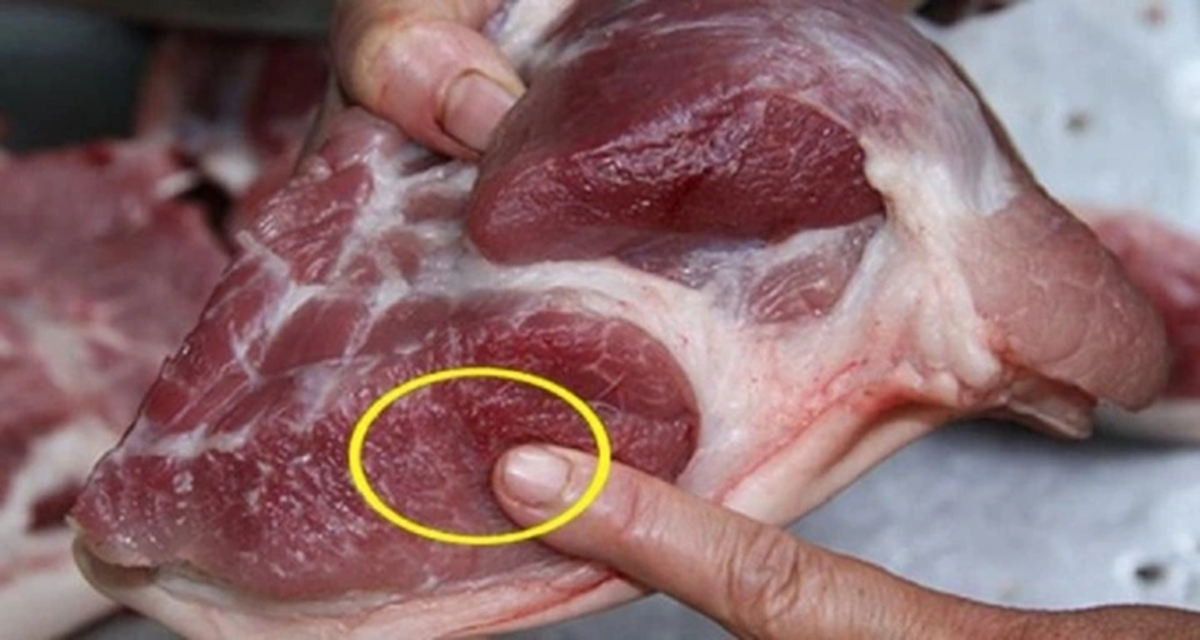
Below are four pork cuts widely considered to be among the tastiest and most nutritious.
Front Leg Meat – A “Golden” Cut Rich in Collagen
The front leg (also known as pork shoulder shank) is highly valued for its tenderness, rich flavor, and relatively low fat content. Because pigs use their front legs frequently, this meat is firm yet not overly fatty, making it suitable for a wide variety of dishes.
In addition to its excellent taste, front leg meat contains abundant collagen, which may help support joint health, skin elasticity, and hair strength. It also provides energy and contributes to overall immune function.
Front Pork Trotters – Nutrient-Dense and Ideal for Recovery
Among pork trotters, the front feet are often preferred because they contain more lean meat and less fat than the hind feet.
Pork trotters are rich in:
- Protein
- Healthy fats
- Iron
- Phosphorus
- Essential vitamins
They are traditionally regarded as a nourishing food that may help support recovery after illness or surgery and are especially popular among postpartum women. Their natural collagen content is also believed to promote firmer, more elastic skin.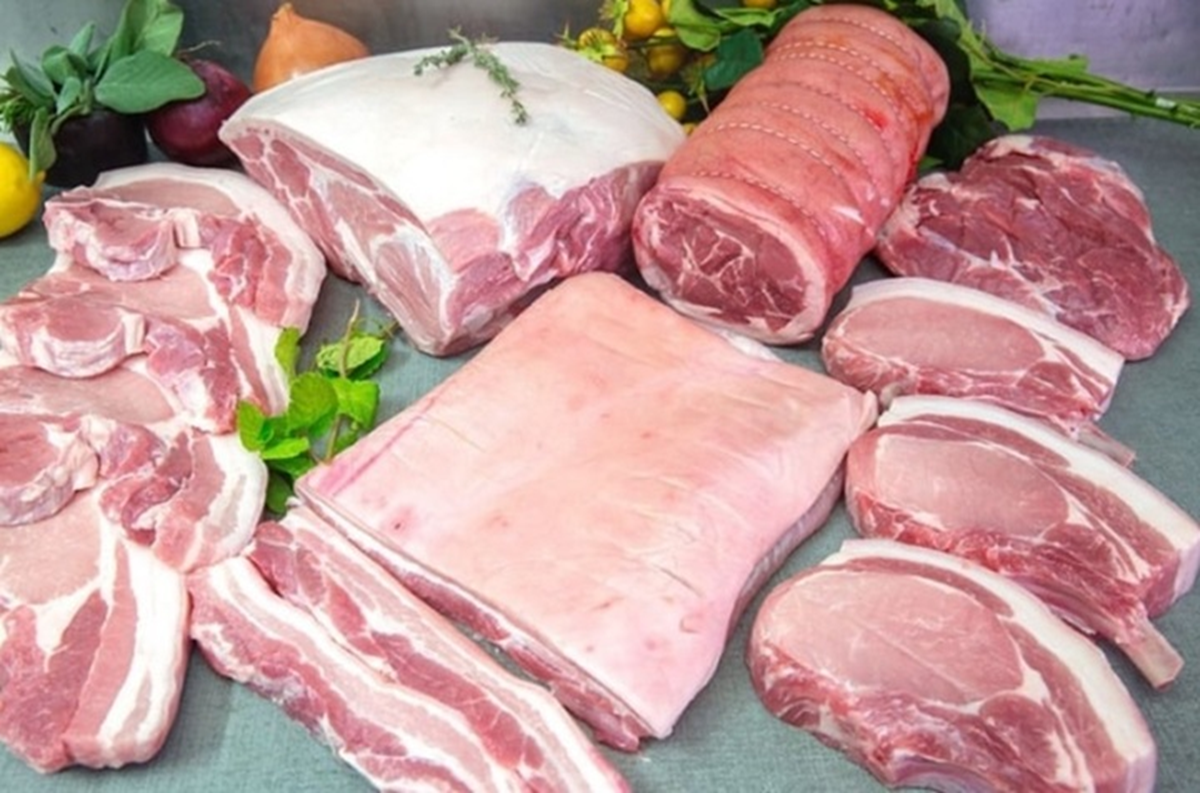
Pork Shoulder – Tender and Well-Balanced
Pork shoulder features a balanced mix of lean meat and thin layers of fat, creating a naturally juicy and flavorful texture when cooked.
This versatile cut works well for:
- Stir-frying
- Grilling
- Hot pot
- Braising
Nutritionally, pork shoulder provides protein, lipids, and B vitamins, which help support metabolism, maintain energy levels, and improve concentration.
Pork Tenderloin – Lean, Fine-Grained, and High in Protein
Pork tenderloin is one of the leanest cuts, containing very little fat. Its fine texture and natural tenderness make it easy to prepare and suitable for many healthy recipes.
Located along the spine, this muscle is used less frequently, allowing it to remain especially soft.
Pork tenderloin is rich in:
- High-quality protein
- Iron
- B vitamins
These nutrients support red blood cell production, immune function, and sustained energy.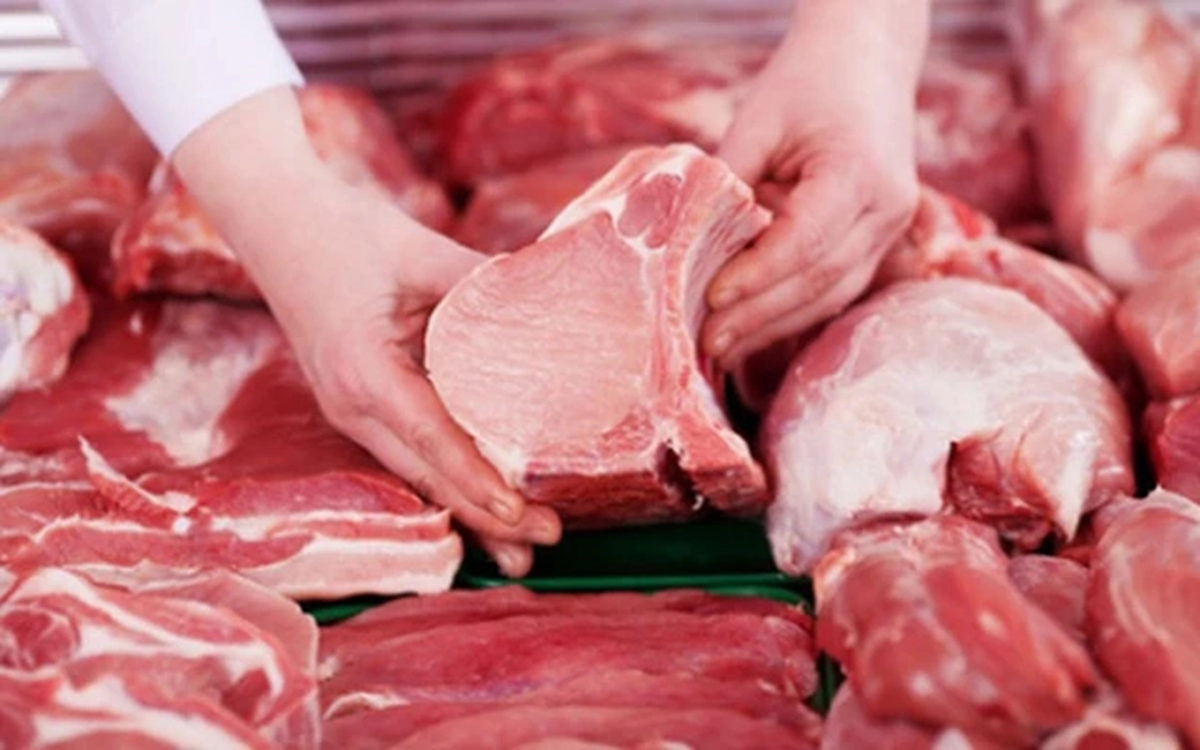
Nutritional Benefits of Pork
Pork is a widely consumed meat thanks to its delicious flavor, versatility, and substantial nutritional value. When the right cuts are chosen and prepared properly, pork can be an excellent part of a balanced diet.
Pork provides complete protein containing all essential amino acids needed to build and repair muscle and maintain normal bodily functions.
It is also a rich source of B vitamins, particularly:
- Vitamin B1 (Thiamine): Supports energy metabolism
- Vitamin B12: Essential for nerve health and red blood cell formation
In addition, pork supplies important minerals such as:
- Zinc: Helps strengthen the immune system
- Heme Iron: A highly absorbable form of iron that helps prevent anemia
Nutrition in 100 Grams of Cooked Lean Pork
- Calories: 242 kcal
- Protein: 27.3 g
- Carbohydrates: 0 g
- Sugar: 0 g
- Fat: 13.9 g
According to nutrition experts, incorporating moderate amounts of pork into your diet can help maintain steady energy levels, improve endurance, and support effective muscle recovery.