A dog bite may look like a minor injury. A small scratch from a cat might leave only a thin red mark. In some situations, the wound may stop hurting after a short time, making the person believe that everything is fine.
But when the animal is infected with rabies, the danger is not limited to the visible injury.
Rabies is a viral disease that attacks the central nervous system, including the brain and spinal cord. It is transmitted primarily through the saliva of an infected mammal, usually when the animal bites or scratches someone and contaminated saliva enters broken skin or reaches the eyes, nose, or mouth.
Once the virus enters the body, it can travel through peripheral nerves toward the central nervous system. This process may take weeks or months, depending on several factors, including the location and severity of the exposure, the amount of virus introduced, and the distance the virus must travel to reach the brain.
The disease is particularly frightening because its early symptoms can resemble common illnesses. A person may initially experience fever, headache, tiredness, or discomfort around the site of a previous bite. These symptoms are not unique to rabies, so they can easily be overlooked.
As the infection progresses, however, the neurological symptoms can become increasingly severe. Some patients develop agitation, confusion, difficulty swallowing, and an intense fear or involuntary reaction to drinking water. Others experience progressive weakness and paralysis.
Without timely preventive treatment before symptoms begin, clinical rabies is almost always fatal.
The World Health Organization estimates that rabies causes tens of thousands of deaths worldwide each year, with the overwhelming majority of human cases associated with infected dogs. The burden is particularly high in parts of Asia and Africa, where access to vaccination, animal control, and post-exposure treatment may be limited.
The good news is that rabies is preventable.
Post-exposure prophylaxis, commonly called PEP, can prevent the virus from causing disease when administered promptly and appropriately after a potential exposure. Depending on the type of exposure and the person's vaccination history, treatment may include thorough wound washing, rabies vaccination, and rabies immunoglobulin.
This is why understanding the stages of rabies is important, but recognizing an exposure and seeking medical care immediately is even more important.
Rabies is often described using four broad stages:
-
Incubation period.
-
Prodromal stage.
-
Acute neurological stage.
-
Coma and terminal stage.
These stages describe the general progression of the disease. They are not a precise timetable, and not every patient experiences exactly the same symptoms or sequence. The neurological stage can also take different forms, including furious rabies and paralytic rabies.
Understanding what happens during each stage can help explain why the disease is so dangerous and why waiting for symptoms after an animal bite is never a safe strategy.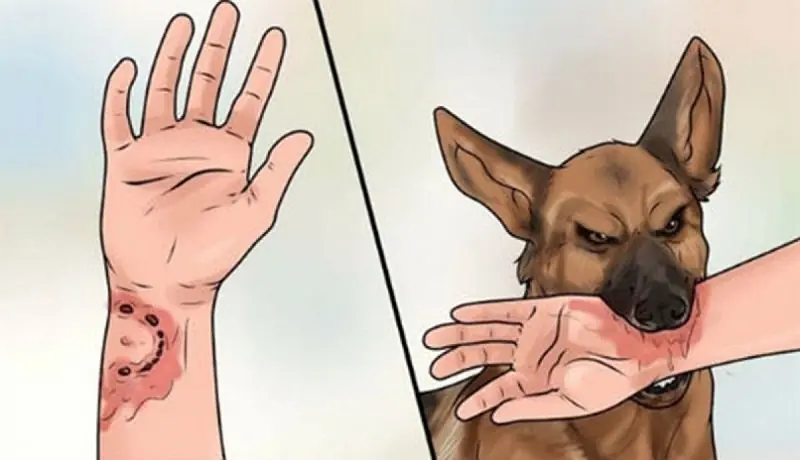
Chapter 2: Stage 1 — The Incubation Period: The Virus Is Present, but Symptoms May Be Absent
The first stage of rabies is called the incubation period.
This is the time between exposure to the virus and the appearance of the first symptoms. During this period, the infected person may feel completely normal.
There may be no fever, no headache, no unusual behavior, and no visible indication that the virus has entered the body.
This silent period is one of the reasons rabies is so dangerous.
After an infected animal bites someone, the virus can enter the body through damaged skin. It may initially remain in tissues near the wound before gaining access to peripheral nerves.
The virus then travels along nerve pathways toward the spinal cord and brain. Once it reaches the central nervous system, it can cause inflammation and serious neurological dysfunction.
The incubation period is commonly around two to three months, but it can vary considerably. In some cases, symptoms appear after only a few days or weeks. In others, the incubation period may last much longer.
There is no reliable way to determine exactly when symptoms will appear based only on the appearance of the wound.
Several factors can influence how quickly the disease develops.
The location of the bite matters.
Bites closer to the head, face, and neck may be particularly concerning because the virus has a shorter distance to travel to reach the central nervous system. Bites involving highly innervated areas, such as the hands, may also require careful assessment.