Moringa is often called a "miracle tree" because almost every part of the plant can be used, including its leaves, pods, flowers, roots, and seeds. While many health claims surrounding moringa are exaggerated, scientific research has identified several interesting nutritional and biological properties.
So, what makes moringa seeds so special?
And which of their supposed health benefits are actually supported by scientific research?
Let's take a closer look.
What Are Moringa Seeds?
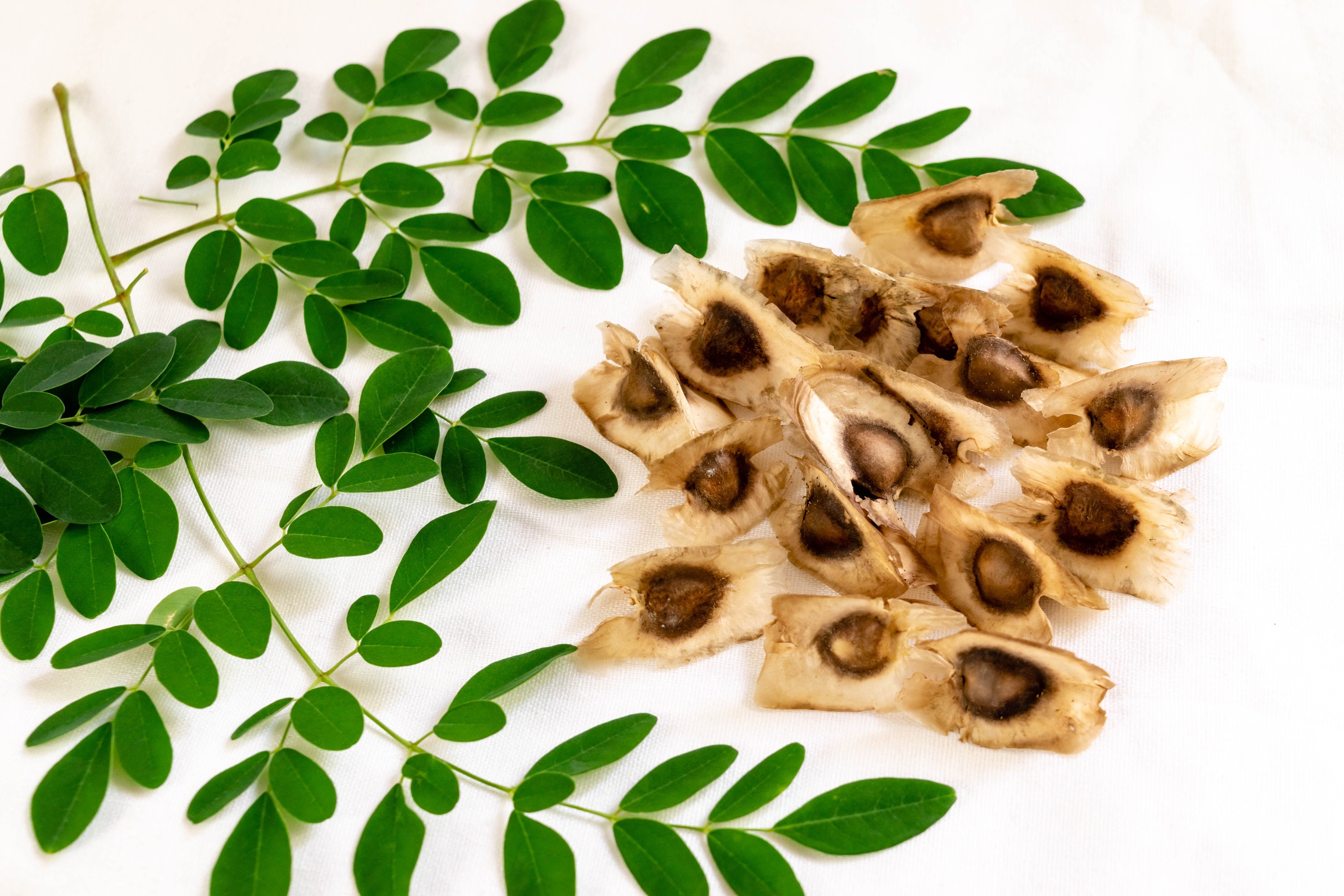
Moringa seeds come from the long seed pods produced by the Moringa oleifera tree. The tree is native to parts of South Asia but is now grown in many tropical and subtropical regions around the world.
The seeds are small, round, and usually have a distinctive outer covering. Depending on how they are prepared, they may be eaten as food, processed into powder, or pressed to produce moringa seed oil.
Nutritionally, moringa seeds contain protein, fats, minerals, and various naturally occurring plant compounds.
However, it is important to understand that the nutritional composition can vary depending on the variety of the plant, growing conditions, harvesting methods, and processing techniques.
Moringa seeds are therefore best viewed as a nutrient-containing food rather than a magical cure for disease.

1. Moringa Seeds Are Rich in Nutrients
One of the most interesting characteristics of moringa seeds is their nutritional profile.
They contain protein and dietary fats, along with minerals such as calcium, magnesium, potassium, phosphorus, zinc, and iron.
Protein is essential for maintaining muscles, repairing tissues, supporting the immune system, and producing enzymes and hormones.
The fats found in moringa seeds are also noteworthy. Moringa seed oil can contain a high proportion of monounsaturated fatty acids, particularly oleic acid.
Oleic acid is the same type of monounsaturated fat commonly found in foods such as olive oil, avocados, and certain nuts.
Of course, eating moringa seeds alone will not provide all the nutrients your body needs. A healthy diet should still contain a wide variety of vegetables, fruits, whole grains, legumes, nuts, seeds, and protein-rich foods.
But as part of a balanced diet, moringa seeds can be an interesting nutritional addition.
2. They Contain Powerful Plant Compounds
Moringa seeds contain more than basic nutrients.
They also contain a variety of phytochemicals—naturally occurring compounds produced by plants.
Researchers have identified several types of compounds in Moringa oleifera, including phenolic compounds, flavonoids, glucosinolates, phytosterols, and tocopherols.
Many of these substances are being investigated because of their antioxidant and anti-inflammatory properties.
This is one reason moringa has become so interesting to scientists.
However, there is an important distinction between laboratory evidence and proven health benefits in humans.
A compound may demonstrate antioxidant activity in a laboratory experiment, but that does not automatically mean that eating moringa seeds will produce the same effect inside the human body.
Therefore, moringa seeds should be considered a promising source of plant compounds rather than a proven treatment for specific diseases.
3. Moringa Seeds May Help Protect Against Oxidative Stress
Oxidative stress occurs when reactive molecules in the body become excessive compared with the body's ability to neutralize them.
Oxidative stress is a normal biological process, but excessive oxidative stress can contribute to cellular damage.
This is why antioxidants have received so much attention in nutrition research.
Moringa contains several compounds that have demonstrated antioxidant activity in laboratory and preclinical studies.
These compounds may help neutralize certain reactive molecules and protect cells from oxidative damage.
This potential antioxidant activity is one of the most frequently studied properties of moringa.
However, it is important not to turn this into an exaggerated claim.
Eating moringa seeds does not mean that oxidative stress will disappear, nor does it guarantee protection against chronic disease.
Instead, moringa seeds can be considered one potential source of antioxidant-related plant compounds within an overall healthy diet.
4. They May Support Healthy Blood Sugar Levels
Blood sugar regulation is another area in which moringa has attracted scientific interest.
Some laboratory and animal studies have suggested that compounds found in moringa may influence pathways involved in glucose metabolism.
Several human studies involving moringa preparations have also produced promising findings, although the results are not yet strong enough to establish moringa as a treatment for diabetes.
This distinction is extremely important.
Much of the research has focused on moringa leaves or extracts rather than specifically on whole moringa seeds.
Therefore, it would be misleading to claim that science has proven that eating moringa seeds can cure diabetes or dramatically lower blood sugar.
A more accurate conclusion is that moringa contains compounds that may influence metabolic processes, and researchers are continuing to investigate these effects.
People with diabetes should never replace prescribed medication with moringa seeds without medical advice.
5. Moringa May Have Anti-Inflammatory Properties
Inflammation is a natural defense mechanism that helps the body respond to injury and infection.
The problem arises when inflammatory processes remain active for too long.
Scientists have investigated moringa because several compounds found in the plant appear to influence pathways associated with inflammation.
Laboratory and animal studies have reported anti-inflammatory activity from different moringa preparations.
These findings are encouraging, but human evidence is still limited.
In other words, moringa seeds may contain compounds with anti-inflammatory potential, but that does not mean they should be considered a treatment for arthritis, autoimmune conditions, or other inflammatory diseases.
More high-quality human research is needed.
6. Moringa Seed Oil Has a Unique Fat Profile
Moringa seeds are particularly valuable for producing oil.
Moringa seed oil has traditionally been used for cooking, cosmetics, and other applications.
One of its most interesting features is its high concentration of oleic acid.
Oleic acid is a monounsaturated fatty acid associated with healthy dietary fat patterns.
Replacing some saturated fats with unsaturated fats can support cardiovascular health as part of an overall balanced diet.
Moringa seed oil also contains compounds such as tocopherols and phytosterols.
These characteristics make moringa oil an interesting subject for nutritional and food science research.
However, it is important not to confuse a favorable nutritional profile with proof of a specific medical benefit.
More research is needed to determine whether consuming moringa seed oil produces unique health advantages compared with other healthy sources of unsaturated fat.
7. Moringa Seeds May Support Heart Health
Because moringa seeds contain unsaturated fats and various plant compounds, researchers are interested in their potential cardiovascular effects.
Some studies involving moringa preparations have investigated factors such as blood pressure, blood sugar, cholesterol, and other cardiometabolic markers.
The results have been promising in some cases, but the evidence is still inconsistent.
Differences in study design, dosage, preparation, duration, and the part of the plant used make it difficult to draw definitive conclusions.
For this reason, moringa seeds should not be viewed as a substitute for proven strategies for protecting the heart.
Regular physical activity, maintaining a healthy weight, avoiding smoking, managing blood pressure, eating a balanced diet, and following medical advice remain much more important.
Moringa may potentially complement a healthy lifestyle, but it should not replace it.
8. They May Provide Valuable Plant-Based Protein
Protein is one of the most important nutrients in the human diet.
It is required for muscle maintenance, tissue repair, immune function, enzyme production, and many other biological processes.
Moringa seeds contain a meaningful amount of protein, which makes them interesting as a plant-based nutritional ingredient.
For people who want to increase the variety of plant foods in their diet, seeds can be useful because they provide a combination of protein and fats.
However, moringa seeds should not be considered a complete replacement for established protein sources.
Foods such as beans, lentils, peas, soy products, nuts, seeds, eggs, dairy products, fish, and lean meats can all contribute valuable protein depending on dietary preferences.
The greatest nutritional benefit usually comes from variety.
9. Moringa Seeds May Support a Healthy Diet
One of the most realistic benefits of moringa seeds is simply that they can contribute nutrients and plant compounds to the diet.
Modern diets often contain large amounts of highly processed foods while providing insufficient variety of whole foods.
Adding nutrient-rich foods can help improve overall dietary quality.
Moringa seeds can potentially be incorporated into meals in appropriate amounts, depending on how they are prepared and the specific product being used.
The key point is that moringa should be viewed as part of a healthy dietary pattern.
It should not be treated as a shortcut.
Eating moringa seeds while continuing to consume excessive amounts of sugar, highly processed foods, or unhealthy fats is unlikely to produce dramatic health improvements.
10. Moringa May Have Potential Antimicrobial Properties
Another fascinating area of moringa research involves antimicrobial activity.
Some compounds found in moringa have demonstrated activity against certain microorganisms in laboratory experiments.
Researchers are investigating whether these properties could eventually have applications in food preservation, water treatment, or other areas.
However, laboratory antimicrobial activity should not be interpreted as proof that eating moringa seeds can treat bacterial or viral infections.
Moringa is not a replacement for antibiotics, antiviral medications, or medical treatment.
The research is interesting primarily because it helps scientists understand the biological properties of the plant.
11. Moringa Seeds and Weight Loss
Moringa is frequently promoted online as a natural weight-loss solution.
But the scientific evidence does not support the idea that moringa seeds are a magic fat-burning food.
Weight loss occurs primarily when the body consistently uses more energy than it receives from food.
Diet quality, portion sizes, physical activity, sleep, stress, genetics, and many other factors can influence body weight.
Moringa seeds may provide nutrients and healthy fats, but there is no strong evidence that simply eating them will cause significant weight loss.
If you are trying to lose weight, focus on sustainable habits rather than relying on a single food or supplement.
12. Moringa Seeds May Support Overall Wellness
One of the biggest advantages of moringa seeds may be their combination of nutrients and naturally occurring plant compounds.
Instead of thinking about one dramatic effect, it may be more useful to consider the seeds as one small component of an overall healthy lifestyle.
A nutritious diet provides the foundation.
Regular movement supports cardiovascular and metabolic health.
Good sleep supports recovery and hormonal balance.
Stress management supports mental and physical well-being.
And appropriate medical care helps identify and manage health problems early.
Moringa can potentially fit into this bigger picture.
But it should never be presented as a replacement for the fundamentals.
How Should Moringa Seeds Be Consumed?
The way moringa seeds are prepared can influence their nutritional properties and how they are tolerated.
Some traditional preparations involve roasting, boiling, or otherwise processing the seeds before consumption.
Commercial products may also be available in different forms, including seed powders, processed seeds, or moringa seed oil.
If you are trying moringa seeds for the first time, it is sensible to start with a small dietary amount rather than consuming large quantities.
The quality of the product also matters.
Choose products from reputable manufacturers and follow the preparation and serving instructions provided on the label.
More is not necessarily better.
Concentrated supplements can expose the body to much higher amounts of biologically active compounds than ordinary food.
Are Moringa Seeds Safe?
Moringa has a long history of traditional use, but that does not automatically mean that every moringa product is safe at every dose.
Scientific research on long-term, high-dose consumption remains limited.
This is especially important when dealing with concentrated extracts and supplements.
People who are pregnant or breastfeeding, children, individuals with chronic health conditions, and people taking prescription medications should consult a qualified healthcare professional before using concentrated moringa products.
Moringa should also never be used to replace prescribed treatment.
Natural does not always mean risk-free.
This principle applies to herbs, seeds, supplements, and medicinal plants just as it applies to conventional foods and medicines.
Moringa Seeds vs. Moringa Leaves
When discussing moringa, it is essential to distinguish between the different parts of the plant.
Moringa leaves and moringa seeds are not nutritionally identical.
Leaves are particularly well known for their vitamins, minerals, protein, and antioxidant compounds.
Seeds, on the other hand, tend to contain more fat and are especially interesting because of their oil composition.
This difference also matters when interpreting scientific studies.
If a study examines moringa leaf powder, the results cannot automatically be applied to moringa seeds.
This is one of the most common problems with online health claims.
A headline might say that "moringa has been proven to lower blood sugar," while the actual study may have used a specific extract or a completely different part of the plant.
Always look at what was actually tested.
The Importance of Evidence
Moringa research provides an excellent example of why health information needs to be interpreted carefully.
There are several levels of scientific evidence.
Laboratory studies can show how individual compounds interact with cells.
Animal studies can provide clues about possible biological effects.
Small human studies can identify potential benefits.
Randomized controlled trials provide stronger evidence about whether an intervention actually works.
Systematic reviews and meta-analyses can then evaluate results across multiple studies.
Moringa has produced interesting findings at several of these levels.
However, many studies are relatively small, use different preparations, or examine different parts of the plant.
That means we should remain cautious about making strong medical claims.
The scientific evidence is promising—but it is not yet definitive.
What Does the Science Really Tell Us?
When all the evidence is considered together, a balanced picture emerges.
Moringa seeds are nutritionally interesting.
They contain protein, fats, minerals, and numerous plant compounds.
Moringa research suggests potential antioxidant, anti-inflammatory, metabolic, and antimicrobial properties.
Moringa seed oil also has an interesting fatty acid profile, particularly because of its relatively high oleic acid content.
However, many of the strongest health claims associated with moringa have not been conclusively demonstrated in large human clinical trials.
This is especially true when the claim specifically concerns moringa seeds rather than the plant as a whole.
Therefore, the most scientifically responsible approach is to appreciate moringa for what it is: a nutrient-containing plant food with promising biological properties that researchers are still studying.

The Bottom Line
Moringa seeds may not be a miracle cure, but they are certainly an interesting natural food.
Their nutritional composition and unique plant compounds make them worthy of scientific attention. Research suggests that moringa may have several potentially beneficial biological effects, but much more high-quality human research is needed before many of the popular health claims can be considered proven.
The best way to approach moringa seeds is with both curiosity and moderation.
Think of them as one potential addition to a healthy and varied diet—not as a replacement for medication, medical treatment, exercise, or good nutrition.
Ultimately, there is no single superfood that can guarantee perfect health.
But when combined with a balanced diet and healthy lifestyle, nutrient-rich foods such as seeds, vegetables, fruits, legumes, whole grains, nuts, and other minimally processed foods can contribute to better overall nutrition.
Moringa seeds are promising, nutritious, and scientifically fascinating—but the real power comes from making healthy choices consistently over time.