Which is More Nutritious: Brown-Shelled or White-Shelled Eggs? The Answer May Surprise You
Many people wonder whether brown-shelled eggs or white-shelled eggs are more nutritious. Let’s explore the facts!
In addressing this question, Dr. Crystal Scott, a nutrition expert from Arizona, shared her analysis of the differences between brown-shelled and white-shelled eggs.
First, she emphasized that the color of the eggshell does not relate to the nutritional content inside the egg. The nutritional value of an egg is determined by the chicken’s diet and living conditions, not the shell color. So why do eggs have different shell colors? The expert explained that hens with red or brown feathers tend to lay brown eggs, while white-feathered hens lay white eggs.
Some people ask why brown eggs are often more expensive than white eggs. Experts clarify that the price difference has nothing to do with nutritional value. Brown eggs are costlier because the hens that lay them are larger, requiring more food, space, and care, which drives up production costs. Additionally, brown-laying hens take more time to produce eggs, as they need an extra stage for the shell to acquire its brown pigment. These hens also lay fewer eggs overall.
All these factors make raising and maintaining brown-laying hens more expensive, thus increasing the market price of brown eggs.
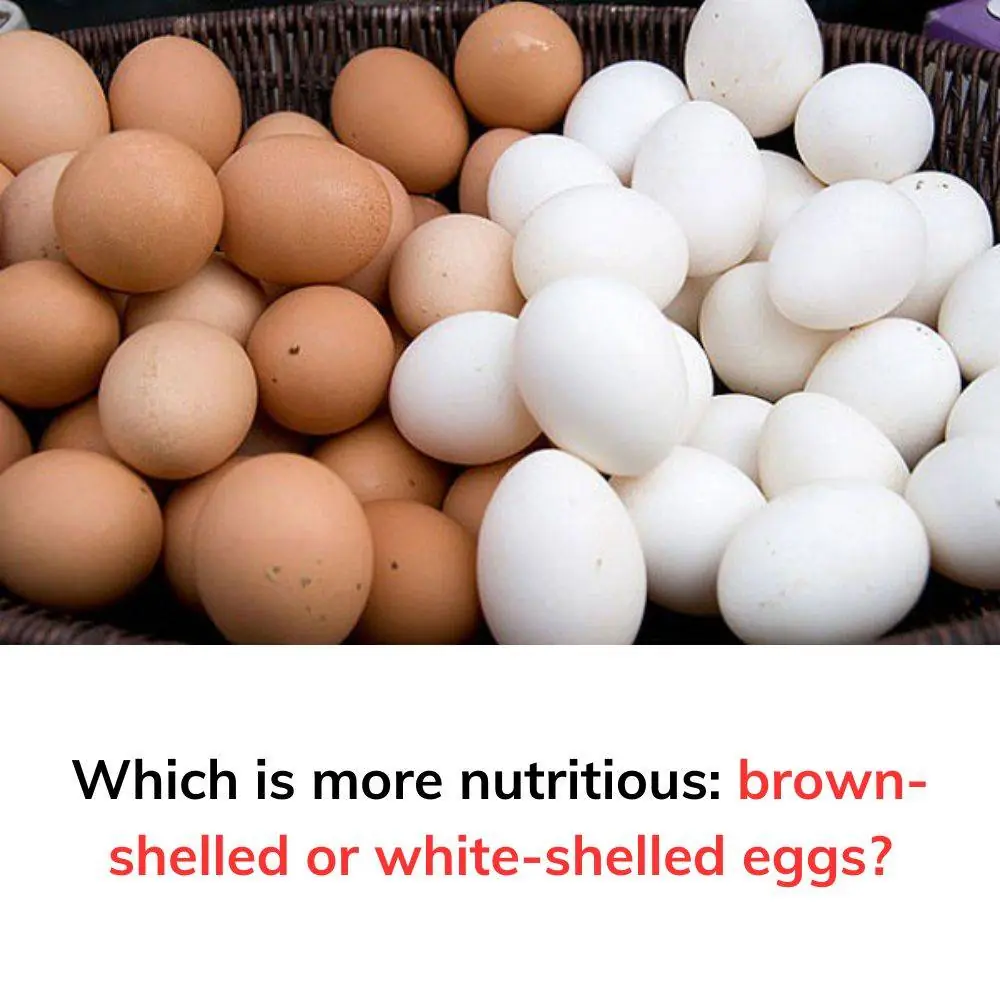
According to the U.S. Department of Agriculture (USDA), regardless of shell color, eggs are excellent sources of protein, selenium, vitamin A, B vitamins, and choline, which supports brain health. In terms of nutritional value, experts agree that there is no difference between brown and white eggs. Both contain similar amounts of protein, fat, and other nutrients.
So, what determines the nutritional value of an egg? Are all eggs equally nutritious?
Experts explain that an egg’s nutrition largely depends on the diet and living conditions of the hens. Therefore, the key takeaway for consumers is to choose eggs from healthy, well-cared-for chickens, without worrying about shell color.
Studies indicate that the healthiest eggs often come from free-range or pasture-raised chickens. Eggs from pasture-raised chickens contain more healthy fats, omega-3s, vitamin D, and beta-carotene (vitamin A) compared to those from conventionally fed chickens.
Dr. Megan Hilbert, another nutrition expert, added, “This is because these hens have a diet closer to what they would naturally eat. These chickens are also happier and healthier.”
In summary, eggs are a highly nutritious, hygienic, and affordable food source for everyone. Experts recommend including eggs in your daily diet.