Sleep is one of the most important parts of maintaining good health, especially as we grow older. It gives the body time to recover, supports brain function, and helps regulate many processes that keep the heart and blood vessels working properly. Yet one question often goes overlooked: could the position you sleep in affect your health as you age?
For older adults, the question can be particularly important. Stroke remains a major health concern, and factors such as high blood pressure, diabetes, high cholesterol, smoking, and certain heart conditions can significantly increase a person's risk. Because sleep occupies several hours of every day, it is understandable that people wonder whether sleeping on their back, side, or stomach could make a difference.
You may have heard claims that sleeping on one side protects the brain, while sleeping on another side increases the chance of a stroke. Such statements can sound alarming, especially when they are presented as medical facts.
However, the scientific picture is more complicated.
There is currently no strong evidence that one ordinary sleeping position, by itself, prevents strokes or directly causes them in otherwise healthy people. Stroke prevention depends much more on controlling established risk factors, recognizing underlying medical conditions, and maintaining healthy habits.
That does not mean sleeping position is irrelevant.
The way you sleep can affect breathing, comfort, circulation in certain circumstances, and the quality of your rest. For people with specific medical conditions, changing sleep position may help manage symptoms or improve breathing. These benefits are worth understanding, but they should not be confused with proof that a particular position prevents stroke.
To understand why, it helps to know what happens in the body during sleep.
While you sleep, your heart continues pumping blood, your brain remains active, and your breathing patterns change as you move through different sleep stages. Blood pressure normally follows a daily rhythm and often decreases during sleep. This nighttime reduction is one reason healthy sleep patterns matter for cardiovascular health.
In some people, however, blood pressure does not fall as expected. It may remain elevated or follow an unusual pattern. This can be associated with conditions such as obstructive sleep apnea, kidney disease, diabetes, and poorly controlled hypertension.
Over time, persistently high blood pressure places additional stress on blood vessels. It is one of the most important modifiable risk factors for stroke.
This is where sleep becomes especially relevant.
A person who sleeps poorly because of repeated breathing interruptions may experience changes in oxygen levels, stress responses, and blood pressure regulation. If obstructive sleep apnea is left untreated, it is associated with an increased risk of cardiovascular problems, including stroke.
But the important factor is the underlying breathing disorder—not simply whether the person sleeps on the left or right side.
Imagine two people in their seventies.
The first person sleeps comfortably on their back, maintains healthy blood pressure, exercises regularly, takes prescribed medication, and has no significant breathing problems during sleep.
The second person sleeps on their side but experiences loud snoring, repeated pauses in breathing, morning headaches, and persistent high blood pressure.
It would be misleading to assume the first person has a higher stroke risk simply because they sleep on their back. The second person's symptoms may warrant medical evaluation, regardless of their preferred position.
This illustrates an essential point: sleep position should be considered within the broader picture of a person's health.
For older adults, the best sleeping position is generally the one that allows comfortable, uninterrupted breathing, reduces pain, and supports restful sleep, while taking any diagnosed medical conditions into account.
For some people, that may mean sleeping on their side. For others, sleeping on their back with appropriate support may be more comfortable. People with certain breathing disorders may benefit from avoiding a flat position on their back.
There is no universal rule that applies to everyone.
Instead of searching for a single posture that supposedly guarantees protection, older adults should focus on understanding their individual needs and identifying the habits that have the greatest proven impact on stroke prevention.
And one of the most important of those factors may be a condition that many people mistake for ordinary snoring.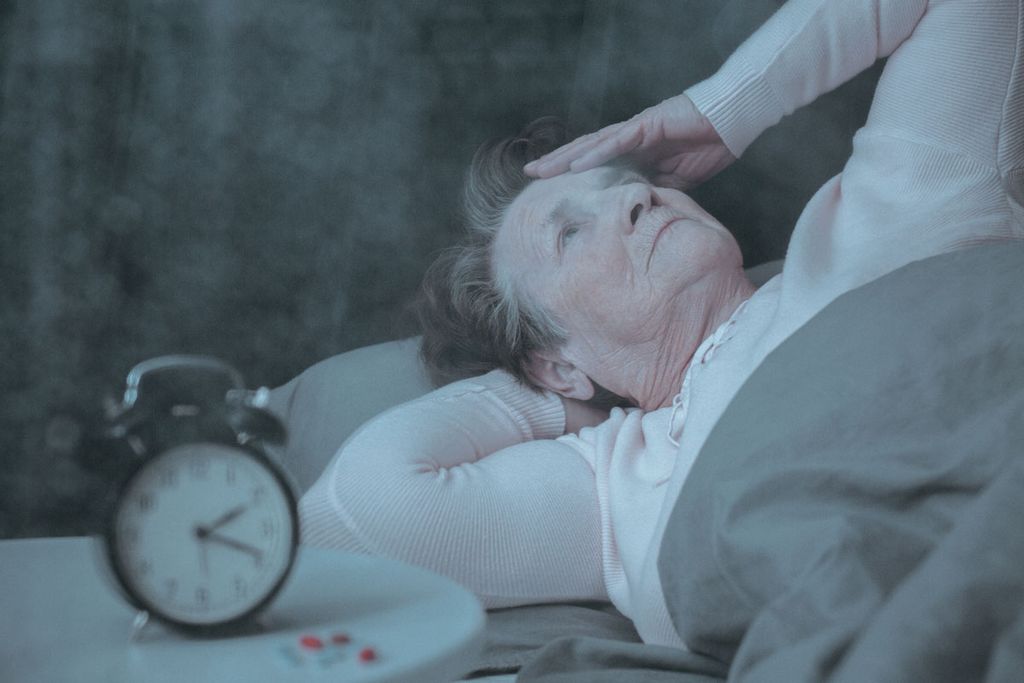
Chapter 2: The Sleep Problem Older Adults Should Not Ignore
Many people assume that snoring is simply an annoying habit. They may believe that it becomes more common with age and therefore does not require attention.
Occasional snoring can be harmless. However, loud, frequent snoring accompanied by pauses in breathing, gasping, or choking sounds may indicate obstructive sleep apnea.
This condition occurs when the upper airway repeatedly becomes partially or completely blocked during sleep. Breathing may stop briefly or become significantly reduced before the brain triggers a response that restores airflow.
These interruptions can happen many times throughout the night.
A person may not remember waking up, but their sleep can become fragmented. Oxygen levels may fall, and the body may repeatedly activate stress responses that affect heart rate and blood pressure.
Over time, untreated obstructive sleep apnea is associated with several health concerns, including high blood pressure, heart rhythm problems, and increased cardiovascular risk.
Because stroke is closely connected to cardiovascular health, recognizing possible sleep apnea is particularly important.
Warning signs that deserve attention
Older adults and their family members should pay attention to several symptoms.
1. Loud, persistent snoring
Snoring alone does not prove that someone has sleep apnea. However, loud habitual snoring—particularly when combined with other symptoms—can be a reason to seek medical advice.