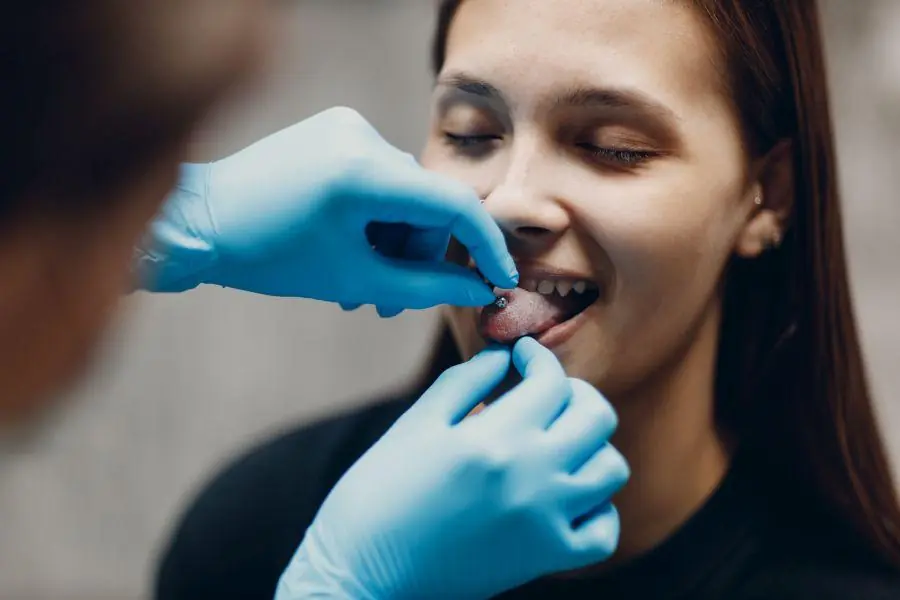
Beyond the Trend: The Hidden Meanings of Tongue Piercings (And Why People Choose Them)
A tiny piercing, a powerful personal statement.
Facts 27/07/2026 20:36
The bumps are a lot more common than you'd think

If you've ever spotted small white bumps on your lips and found yourself wondering what they are, you're definitely not the only one.
This lesser-known condition actually affects a surprisingly large number of people. Studies say between 70 and 80 percent of adults experience it at some point in their lives.
These bumps don’t just show up on your lips, either. You might notice them in the genital area as well. But what exactly are these strange little bumps, you might be wondering?

Why are they so common?
Despite the fact that they can look unusual or alarming, Fordyce spots are actually quite common, and most people have them to some degree. In fact, they tend to be more noticeable on individuals with fairer skin, though people of all skin tones can develop them. Interestingly, Fordyce spots are more likely to appear during hormonal changes, which is why many people first notice them during puberty, pregnancy, or periods of hormonal imbalance. Even though they’re harmless, the appearance of these spots may lead to some confusion or concern.
The spots are more common than you'd expect
Getty Stock Images
What are Fordyce Spots?
These white bumps are known as Fordyce Spots. According to Cleveland Clinic, they are described as 'a common skin condition where oil glands appear larger'.
"They become more noticeable during or after puberty," the website explains. "They often appear on and around your lips and sometimes on your penis and vagina. They're a natural part of your skin, but treatments can shrink or remove them."
Fordyce spots don’t develop because of anything you’ve done. Most people are actually born with them. They tend to become more visible around the time of puberty, likely due to hormonal changes in the body.
Can you get rid of Fordyce Spots?
In most cases, Fordyce spots go away on their own without the need for treatment. But for people who prefer to have them removed, there are a few options out there.
Some people try topical treatments like retinoid creams. But Cleveland Clinic also lists a few more advanced procedures if the spots are persistent or bothersome:
Cryotherapy
Electrodesiccation
Laser skin resurfacing
Micro-punch surgery
Although Fordyce spots are not harmful, many people choose to treat them for cosmetic reasons. It’s important to keep in mind that these treatments can be costly and may not always provide permanent results.
Fordyce spots are not an STI, STD, or cancerous
Getty Stock Images
Are Fordyce Spots contagious?
If you find these bumps in your genital area, it can be easy to assume they’re related to an STI or STD. But the good news is, that’s not the case.
Fordyce spots are not sexually transmitted, and you don’t have to worry about passing them on to someone else. They’re also not linked to any form of cancer.
"People with genital warts develop small bumps or growths in and around their genitals and rectum," Cleveland Clinic points out. "Genital warts and HPV are both highly contagious."
It continues by saying: "As genital warts initially develop, they may look like Fordyce spots. If you notice the sudden appearance of small bumps on your genitals, it's a good idea to see a healthcare provider for a proper diagnosis."
What should you do if you find these bumps?
While Fordyce spots are usually harmless and don’t require medical attention, it’s always a good idea to consult a healthcare provider if you notice any changes in your skin, especially in sensitive areas like your genitals. This is important because, although Fordyce spots are benign, other conditions like genital warts or herpes can sometimes present with similar symptoms, so getting a professional opinion can help rule out more serious concerns. A healthcare provider can also offer advice on the best treatment options if you find the bumps aesthetically bothersome.
Misdiagnosis is always possible, and celebrities aren't immune either. Actress Halle Berry once revealed that she was misdiagnosed after feeling pain during sex, only to later find out it wasn’t what doctors initially suspected.
Translation to English:
The bumps are a lot more common than you'd think
If you've ever spotted small white bumps on your lips and found yourself wondering what they are, you're definitely not the only one.
This lesser-known condition actually affects a surprisingly large number of people. Studies say between 70 and 80 percent of adults experience it at some point in their lives.
These bumps don’t just show up on your lips, either. You might notice them in the genital area as well. But what exactly are these strange little bumps, you might be wondering?
Why are they so common?
Despite the fact that they can look unusual or alarming, Fordyce spots are actually quite common, and most people have them to some degree. In fact, they tend to be more noticeable on individuals with fairer skin, though people of all skin tones can develop them. Interestingly, Fordyce spots are more likely to appear during hormonal changes, which is why many people first notice them during puberty, pregnancy, or periods of hormonal imbalance. Even though they’re harmless, the appearance of these spots may lead to some confusion or concern.
What are Fordyce Spots?
These white bumps are known as Fordyce Spots. According to Cleveland Clinic, they are described as 'a common skin condition where oil glands appear larger'.
"They become more noticeable during or after puberty," the website explains. "They often appear on and around your lips and sometimes on your penis and vagina. They're a natural part of your skin, but treatments can shrink or remove them."
Fordyce spots don’t develop because of anything you’ve done. Most people are actually born with them. They tend to become more visible around the time of puberty, likely due to hormonal changes in the body.

Can you get rid of Fordyce Spots?
In most cases, Fordyce spots go away on their own without the need for treatment. But for people who prefer to have them removed, there are a few options out there.
Some people try topical treatments like retinoid creams. But Cleveland Clinic also lists a few more advanced procedures if the spots are persistent or bothersome:
Cryotherapy
Electrodesiccation
Laser skin resurfacing
Micro-punch surgery
Although Fordyce spots are not harmful, many people choose to treat them for cosmetic reasons. It’s important to keep in mind that these treatments can be costly and may not always provide permanent results.
Fordyce spots are not an STI, STD, or cancerous
Getty Stock Images
Are Fordyce Spots contagious?
If you find these bumps in your genital area, it can be easy to assume they’re related to an STI or STD. But the good news is, that’s not the case.
Fordyce spots are not sexually transmitted, and you don’t have to worry about passing them on to someone else. They’re also not linked to any form of cancer.
"People with genital warts develop small bumps or growths in and around their genitals and rectum," Cleveland Clinic points out. "Genital warts and HPV are both highly contagious."
It continues by saying: "As genital warts initially develop, they may look like Fordyce spots. If you notice the sudden appearance of small bumps on your genitals, it's a good idea to see a healthcare provider for a proper diagnosis."
What should you do if you find these bumps?
While Fordyce spots are usually harmless and don’t require medical attention, it’s always a good idea to consult a healthcare provider if you notice any changes in your skin, especially in sensitive areas like your genitals. This is important because, although Fordyce spots are benign, other conditions like genital warts or herpes can sometimes present with similar symptoms, so getting a professional opinion can help rule out more serious concerns. A healthcare provider can also offer advice on the best treatment options if you find the bumps aesthetically bothersome.
Misdiagnosis is always possible, and celebrities aren't immune either. Actress Halle Berry once revealed that she was misdiagnosed after feeling pain during sex, only to later find out it wasn’t what doctors initially suspected.
A tiny piercing, a powerful personal statement.

Understanding Why Some Watermelons Develop Internal Cracks
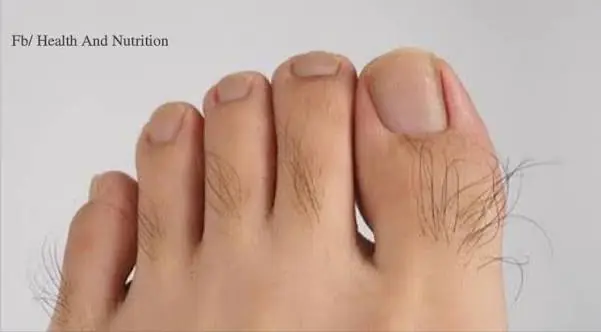
This Small Detail on Your Toes Could Say More About Your Health Than You Realize
The Hidden Reason Centipedes Keep Appearing in Some Homes... See more ⏬


One Simple Choice, Eight Different Personalities

😱 Millions of Dog Owners Have Experienced This Without Knowing Why... See More

You Should Never Ignore Waking Up at 3 or 4 A.M.—It Could Be a Warning Sign 😨👇

Almost everyone hates slugs—but...



Most People Misunderstand This Common Sleeping Position
Have You Ever Wondered Why Lizards Enter Homes? Here's One Traditional Interpretation


Dogs Have an Amazing Sense of Smell—And This Habit Actually Makes Perfect Sense...




Waking Up at 3 or 4 A.M. Every Night? It May Be Worth Paying Attention To 👀
Your Body Often Speaks First: 7 Early Diabetes Symptoms Everyone Should Know 👇

Why You See Shadow Figures During Sleep Paralysis

The Urinary Symptom That Should Never Be Dismissed

Love Avocados? Doctors Reveal What They May Be Doing for Your Health 🥑👇

Tilapia: Healthy Choice or Something to Be Aware Of? 🐟👇

The Meaning Goes Beyond Simple Pest Control
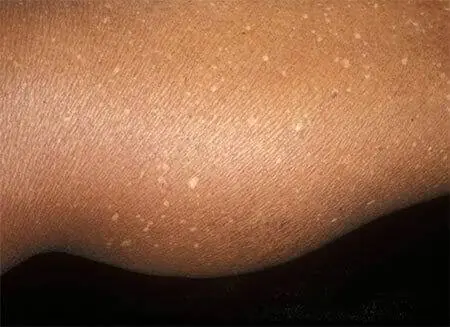
Have You Seen These Tiny White Spots on Your Skin? Here's What Experts Say They Could Be 👇 Check the 1st Comment
A Common Vegetable Leaves Nearly 2,000 Infected and 98 Hospitalized in Major U.S. Outbreak
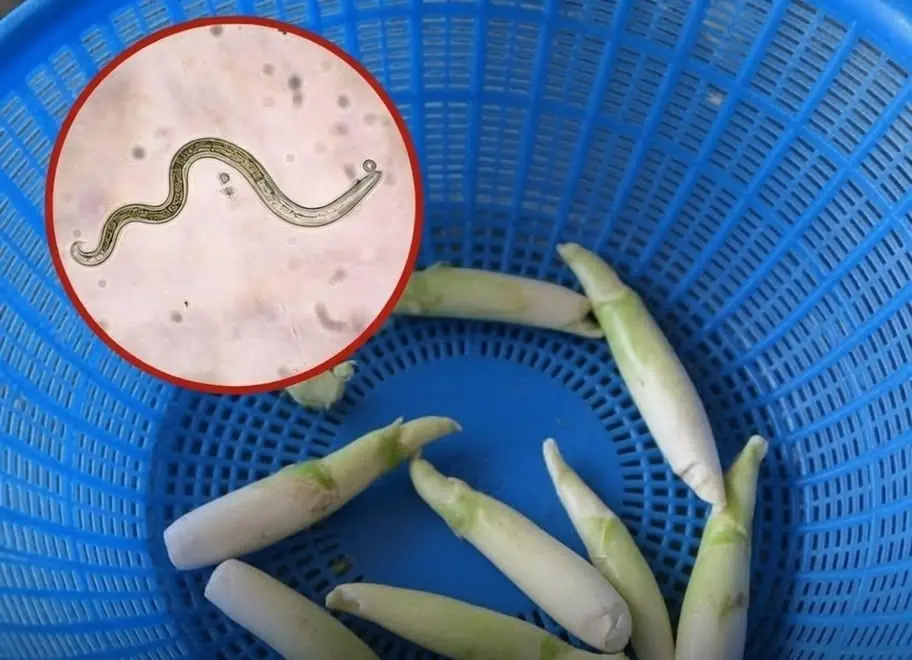
Doctors Say This Popular Vegetable Should Always Be Washed Thoroughly—Here's Why

No matter how hungry you are, don't touch these 5 breakfast foods
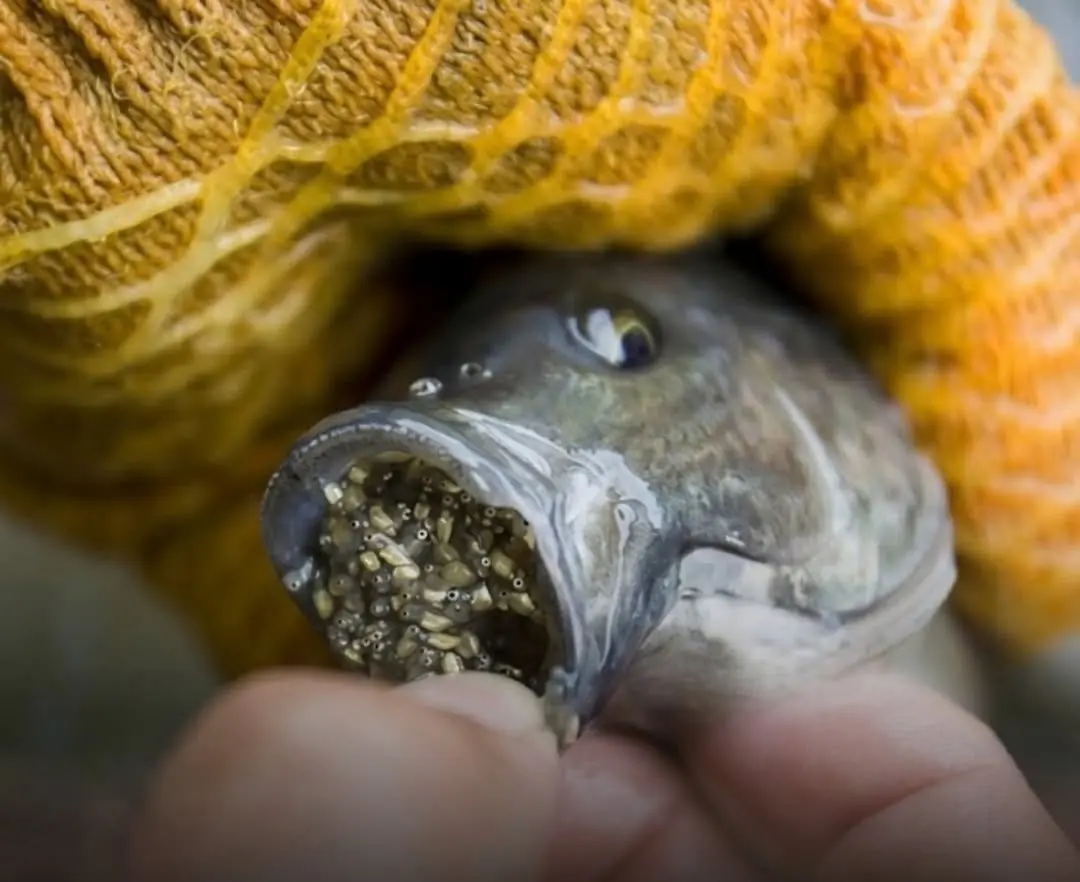
Many People Still Eat This Fish Without Realizing What Could Be Hiding Inside…
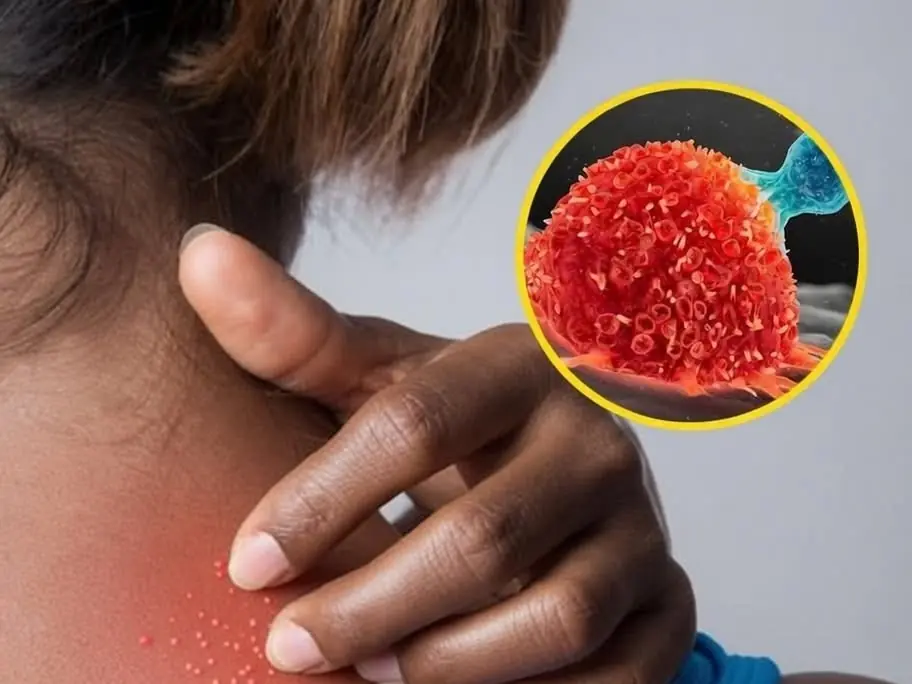
Experts Explain 9 Types of Itching That May Indicate an Underlying Condition

If you keep waking up at 3 or 4 in the morning, your body may be trying to tell you something. See more...

What Happens to the Body After G.allb.la.dder Removal
She Thought the Nighttime Itching Was Nothing—Then Doctors Found a Serious Illness
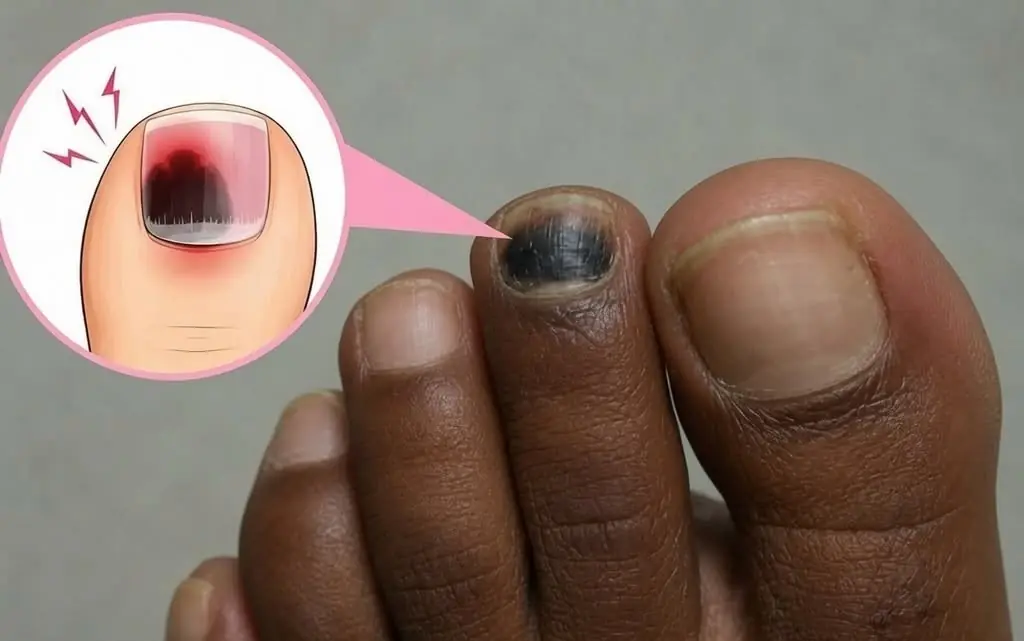
Could Your Black Toenail Be More Than a Bruise? Learn the Warning Signs
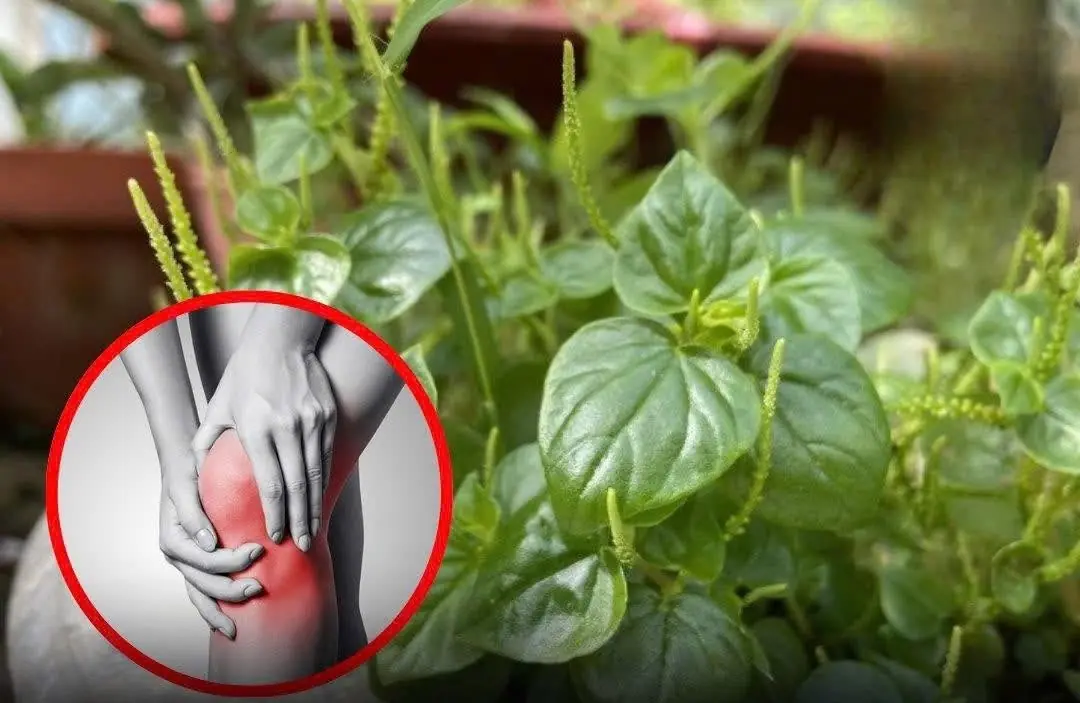
This precious vegetable can ease joint and bone pa:in — yet most people pull it out without knowing its value

Soak your feet once a week—your feet may thank you for it.
A tiny piercing, a powerful personal statement.