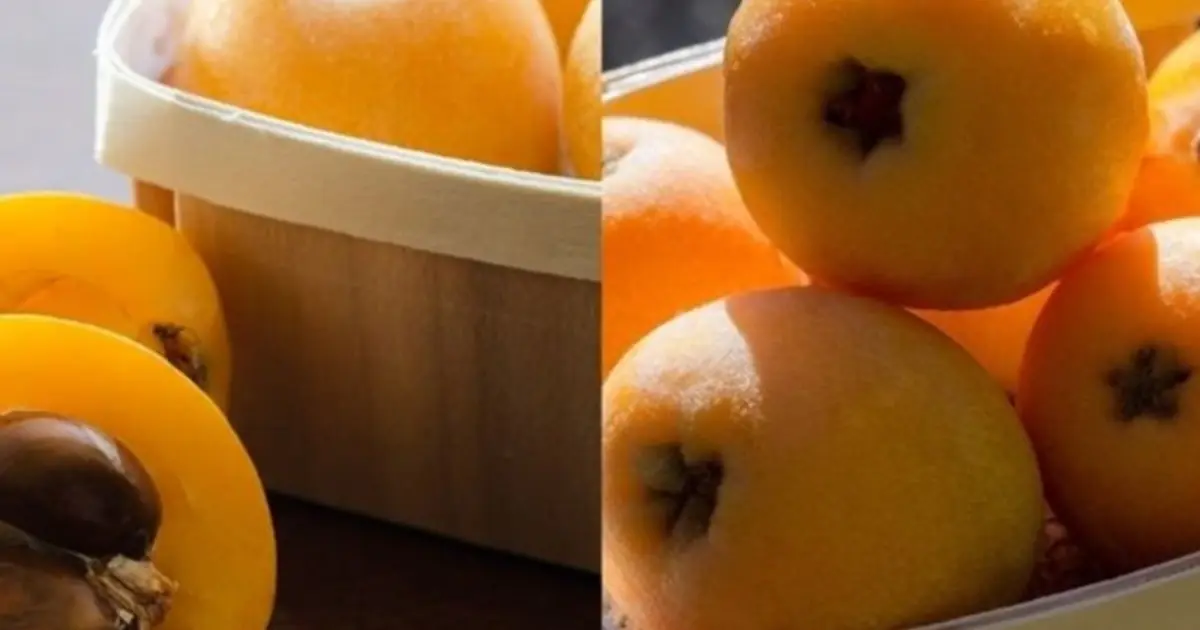
“Does Anyone Know the Name of This Mysterious Fruit?” I’ve Been Wondering My Whole Life… Check the First Comment
“I’ve Always Known This Fruit by Sight—But Never Its Name…” 👀 Can You Guess It? 👇
⏱️ 1 min read 24/08/2026 18:11
At first glance, a nail punch looks almost too simple to be useful.
It is usually little more than a short piece of hardened steel with a pointed or slightly concave tip and a handle or striking end. It doesn't have a motor, a battery, a complicated mechanism, or any of the features associated with modern power tools.
Yet for generations, this small hand tool has had an important place in workshops, construction sites, furniture shops, and household toolboxes.
Known as a nail punch or nail set, it performs one very specific job exceptionally well:
It allows you to drive a nail head slightly below the surface of wood.
That small adjustment can make a surprisingly big difference in the appearance and quality of finished woodwork.
A nail that sticks slightly above the surface can remain visible after painting or staining. A properly recessed nail, however, can be covered with wood filler, sanded smooth, and finished so that it becomes almost invisible.
It's a simple technique, but one that has helped craftsmen create cleaner, more refined work for centuries.
A nail punch is a compact hand tool designed to transfer hammer force directly to the head of a nail.
Unlike a hammer, which has a relatively broad striking face, a nail punch has a much smaller working tip.
The tip is placed against the nail head.
The opposite end is struck with a hammer.
Instead of continuing to strike the nail directly with the hammer, the punch concentrates the force onto the nail head and pushes it farther into the wood.
This gives the user much greater control over the final position of the nail.
The tool is especially useful during the final stage of driving a nail, when only a small amount of additional depth is needed.
That's the obvious question.
If a hammer can drive the nail, why bother using another tool?
The answer is precision.
Once a nail is nearly flush with the surface, striking it repeatedly with a hammer can easily damage the surrounding wood.
A hammer has a relatively large face.
If you miss the nail, even slightly, you can leave a dent or unwanted mark.
This is particularly frustrating when you're working on:
Fine furniture
Cabinetry
Decorative trim
Door frames
Molding
Finished hardwood
Restoration projects
A nail punch allows the final strikes to be much more controlled.
Instead of trying to hit a tiny nail head with a relatively large hammer face, you place the small tip of the punch directly on the nail and strike the punch.
The result is much more precise.
Using a nail punch doesn't require complicated training.
First, drive the nail into the wood with a hammer until the head is approximately level with the surface.
Then stop.
Place the nail punch directly against the center of the nail head.
Hold it firmly and give the striking end a controlled tap with the hammer.
The nail head moves slightly below the surface.
That's it.
The goal isn't to bury the nail deeply.
You generally want only a small depression—enough room for filler or putty.
Overdriving the nail can create a larger hole than necessary or even damage the surrounding wood fibers.
The real value of the nail punch becomes obvious when you're finishing the project.
Imagine a freshly painted piece of trim.
Everything looks smooth and uniform.
Then you notice dozens of tiny metal nail heads reflecting light from the surface.
Even though the nails are doing their structural job, they make the project look unfinished.
Now imagine those nail heads recessed slightly into the wood.
The small depressions can be filled with an appropriate wood filler.
After the filler dries, the surface can be sanded.
Then it can be painted, stained, or otherwise finished.
The result is a much cleaner appearance.
The nail hasn't disappeared structurally.
It's simply become almost invisible visually.
The depression created by a nail punch may be only a few millimeters deep.
But that tiny detail can significantly improve the appearance of a finished project.
This is especially important when light hits a smooth wooden surface.
Even a tiny raised nail head can create a noticeable highlight or shadow.
A recessed nail, on the other hand, can disappear beneath the finish.
This is one of those woodworking techniques where small details have an outsized effect.
Not every nail is the same size.
That's why nail punches are commonly available in different tip diameters.
A punch designed for a relatively small finishing nail may be too small or too weak for a much larger nail.
Likewise, using an oversized punch on a small nail can damage the surrounding wood.
The tip should fit the nail head appropriately.
Ideally, the punch contacts the nail head without slipping onto the surrounding wood.
For this reason, many traditional nail punch sets include several sizes.
A small set can cover a surprisingly wide range of woodworking applications.
The tip of a nail punch is designed to contact the nail head securely.
If the tip is too flat, it may slip.
If it's too large, it can leave an unnecessarily large mark in the wood.
If it's too small, it may damage the nail head or concentrate force in an undesirable way.
Choosing the correct size therefore matters more than many beginners realize.
The objective isn't simply to hit the nail harder.
It's to transfer force accurately.
A nail punch has to withstand repeated hammer blows.
That means ordinary soft metal would quickly deform.
Most traditional nail punches are therefore made from hardened or suitably strong steel.
The tool needs to maintain its shape even after repeated impacts.
A quality punch can last for many years when used correctly.
That's one reason these tools are often passed down in workshops and toolboxes.
A well-made nail punch doesn't need much maintenance.
Traditional nail punches can look almost primitive.
A steel shaft.
A pointed tip.
A striking end.
That's about it.
Other designs add a handle for improved grip and comfort.
Handles can be made from materials such as plastic, rubber, or other impact-resistant materials.
The choice often comes down to personal preference and the type of work being performed.
If you're using the tool for only a few nails, a simple steel punch may be perfectly comfortable.
For repetitive work, an ergonomic handle can reduce hand fatigue.
Modern versions sometimes use a spring-loaded mechanism.
Instead of striking the tool repeatedly with a separate hammer, you press the punch against the nail and activate the internal mechanism.
The tool produces a controlled impact.
These designs can be particularly convenient for small repair jobs or situations where precision matters.
However, the traditional hammer-and-punch method remains popular because it is simple, inexpensive, and gives the user direct control over the amount of force applied.
Small finishing nails are designed to leave relatively small heads.
They are commonly used where appearance matters.
Examples include:
Trim
Molding
Cabinet components
Furniture
Paneling
Decorative woodworking
Door casings
Once the nail is driven below the surface, the resulting depression can be filled.
This creates the smooth appearance that many finished woodworking projects require.
Furniture makers have long relied on small, precise hand tools.
A cabinet or table can contain dozens—or even hundreds—of fasteners.
If every nail head remained visible, the finished piece could look rough.
A nail punch allows the craftsman to conceal those fasteners beneath the surface.
The technique is particularly useful when the wood will later be painted.
For stained or clear-coated projects, however, the process can be more complicated because filler may remain visible.
In those cases, craftsmen often choose appropriate fasteners, matching filler, or traditional concealment techniques.
Anyone who has installed baseboards or decorative molding knows how important finishing details can be.
After the trim is secured, nail heads may remain visible along the surface.
A nail punch makes it easy to recess them.
Once the holes are filled and sanded, the trim can be painted for a smooth appearance.
This is one reason nail punches are common in the toolboxes of carpenters and home renovators.
The tool itself may be inexpensive, but it can dramatically improve the final result.
Nail punches can also be valuable when restoring older furniture or wooden structures.
Older pieces often contain small nails that need to be carefully recessed or repositioned.
Restoration work requires greater care than ordinary construction because damaging the original material can reduce the value or authenticity of the piece.
A nail punch allows controlled force in a very small area.
That makes it useful when working near delicate surfaces.
However, restoration projects require caution because old finishes, wood fibers, and fasteners can behave differently from modern materials.
The nail punch and hammer have different roles.
The hammer provides the impact.
The punch directs that impact.
Think of the hammer as the source of energy and the punch as the precision tool that transfers it to the nail.
This combination gives the user far more control than repeatedly swinging the hammer directly at the nail.
It is a simple example of how two basic tools can work together to accomplish a task accurately.
You might be tempted to use a screwdriver, nail, drill bit, or another pointed object in place of a nail punch.
That's generally not a good idea.
Improvised tools can:
Slip off the nail
Damage the wood
Bend or break
Create uneven depressions
Cause injury
Damage the nail
A proper nail punch is designed specifically to withstand repeated impact.
That's what makes it safer and more reliable for the job.
Although nail punches are simple tools, they still require proper handling.
Hold the punch securely and keep your fingers away from the area where the hammer is striking.
Wear eye protection when appropriate, particularly if you're working with hard materials or damaged fasteners.
A small piece of metal can break or fly off under impact.
Good workshop habits matter even when you're using a tool as simple as a nail punch.
One common beginner mistake is thinking that deeper is always better.
It isn't.
The purpose is to create a small depression, not a crater.
If you hit the punch too hard, the nail may travel too far into the wood.
That can:
Create an unnecessarily large hole
Crush surrounding fibers
Split delicate wood
Make filling more difficult
Weaken the surface appearance
A few controlled taps are usually better than one extremely powerful strike.
Different woods respond differently to impact.
Soft woods may allow the nail to sink relatively easily.
Hardwoods may require more controlled force.
Very brittle wood may be more prone to splitting.
That's another reason experience matters.
A professional craftsman learns to adjust hammer force according to the material.
The tool may be simple, but using it effectively requires judgment.
Modern woodworking has changed dramatically.
Power nailers can drive fasteners in seconds.
Cordless tools make construction faster.
Computer-controlled machinery can produce extremely precise cuts.
Yet the nail punch remains useful.
Why?
Because not every job requires a complicated machine.
Sometimes you need to finish one nail.
Sometimes you're working in a narrow corner.
Sometimes the wood is delicate.
Sometimes electricity isn't available.
And sometimes you simply want maximum control.
The nail punch succeeds because it solves one small problem extremely well.
There's something appealing about a tool that requires no electricity.
A nail punch doesn't need:
A charger
A battery
A power outlet
Software
Maintenance-heavy electronics
It can sit in a toolbox for years and still work exactly as intended.
Pick it up.
Place it on the nail.
Strike it.
Done.
That simplicity is part of its appeal.
Good tools don't necessarily need to be complicated.
In fact, one sign of good design is often that a tool makes a specific task feel almost effortless.
The nail punch has a clear purpose.
Its shape supports that purpose.
Its material supports that purpose.
Its size makes it easy to control.
There is little unnecessary complexity.
It's essentially a physical solution to one very specific problem.
And sometimes that's all a tool needs to be.
A basic woodworking toolbox doesn't need to contain dozens of specialized tools.
But a nail punch can be a useful addition even for beginners.
If you occasionally:
Install trim
Repair furniture
Build small wooden projects
Replace molding
Work on cabinets
Make simple crafts
you may eventually encounter a situation where hiding a nail head improves the final appearance.
Having a nail punch available means you don't need to improvise.
It's inexpensive, compact, and easy to learn.
These tools can look similar, but they serve different purposes.
A nail punch is primarily used to drive a nail head below the surface of wood.
A center punch is commonly used to create a small indentation in metal or another hard surface before drilling.
The two tools may look similar, but their tips and intended applications differ.
Using the correct punch for the job helps prevent damage to both the tool and the workpiece.
Before cordless nailers and modern construction equipment, craftsmen relied heavily on hand tools.
Saws.
Planes.
Chisels.
Hammers.
Screwdrivers.
Punches.
These tools allowed skilled workers to perform incredibly precise work without electricity.
The nail punch belongs to that tradition.
It represents an era when craftsmanship depended heavily on technique, patience, and careful control.
Even today, many professional woodworkers continue to use traditional hand tools alongside modern equipment.
Technology can make work faster.
It doesn't always make it better.
For certain tasks, a power tool is ideal.
For others, a small hand tool gives the user more control.
This is particularly true when working on delicate materials or performing finishing work.
A nail punch doesn't compete with a power nailer.
They serve different purposes.
The power tool is about speed.
The punch is often about precision and finishing.
One of the biggest differences between a basic woodworking project and a polished one is often the finishing work.
The cuts may be accurate.
The pieces may be assembled correctly.
The structure may be strong.
But visible fasteners can still make the project look incomplete.
Recessing the nails, filling the holes, sanding the surface, and applying the final finish can transform the appearance.
That's where the humble nail punch earns its place.
It may only take a few seconds to use, but those few seconds can make the difference between "assembled" and "finished."
The nail punch is a perfect example of how a simple tool can remain useful for generations.
It doesn't do ten different things.
It does one thing:
It pushes nail heads slightly below the surface of wood with precision and control.
That simple function makes it valuable for carpenters, furniture makers, cabinet builders, renovators, and anyone who wants a cleaner-looking woodworking project.
By allowing a nail head to be recessed, the small depression can later be filled, sanded, and finished, making the fastener far less noticeable.
Its compact size, durability, low cost, and lack of dependence on electricity make it an easy tool to keep in almost any toolbox.
And perhaps that's the most interesting lesson.
We often associate useful technology with complicated machines, batteries, screens, and sophisticated mechanisms.
But some of the most effective tools are remarkably simple.
A piece of hardened steel.
A small tip.
A hammer.
And a carefully controlled strike.
That's all it takes to turn an exposed nail into a nearly invisible detail and help ordinary woodwork look cleaner, smoother, and more professional.
The nail punch may be small, but its purpose is a perfect reminder that in craftsmanship, the smallest finishing details can make the biggest visual difference.
“I’ve Always Known This Fruit by Sight—But Never Its Name…” 👀 Can You Guess It? 👇

One childhood photo, one famous face, and a surprising identity.
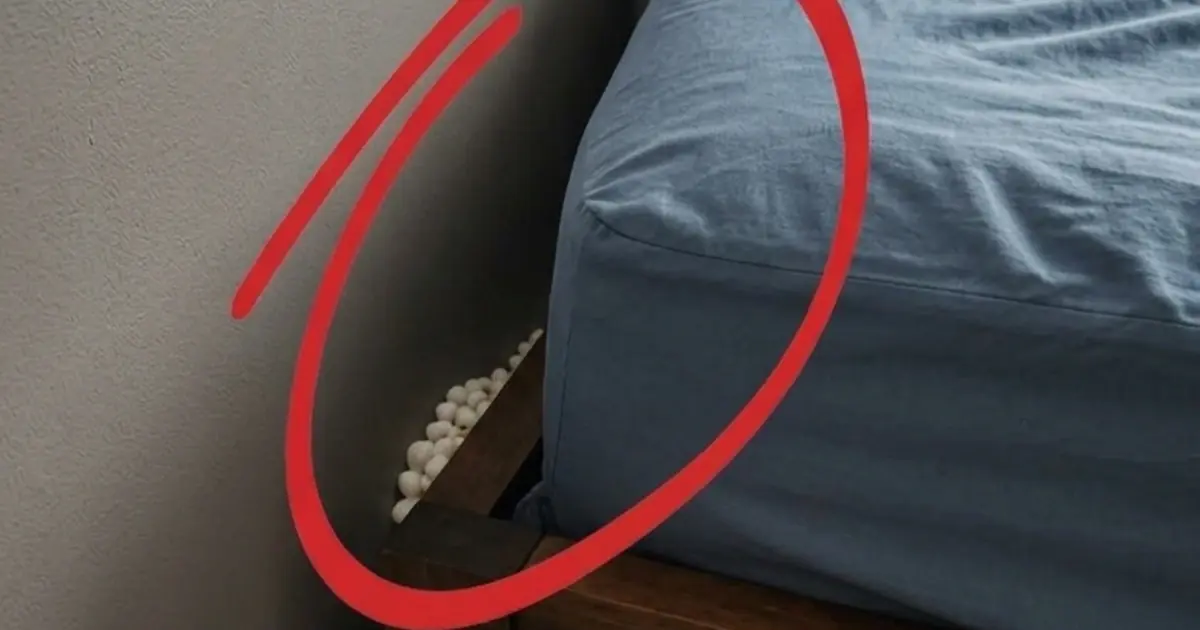
Something strange was waiting beside my bed after I came home from work… 😳 I honestly didn’t know whether I should get closer or run!

What Does Wearing a Short Skirt at 50 Really Mean?
I Found a Strange Little Object on My Floor - You Won’t Believe What It Was
What’s Living Inside Those Strange Little Cases on Your Walls?
That Tiny Hook on Your Car Door Has a Purpose - Do You Know What It Is?
99% of People Can’t Figure Out What This Mysterious Piece of Steel Is For
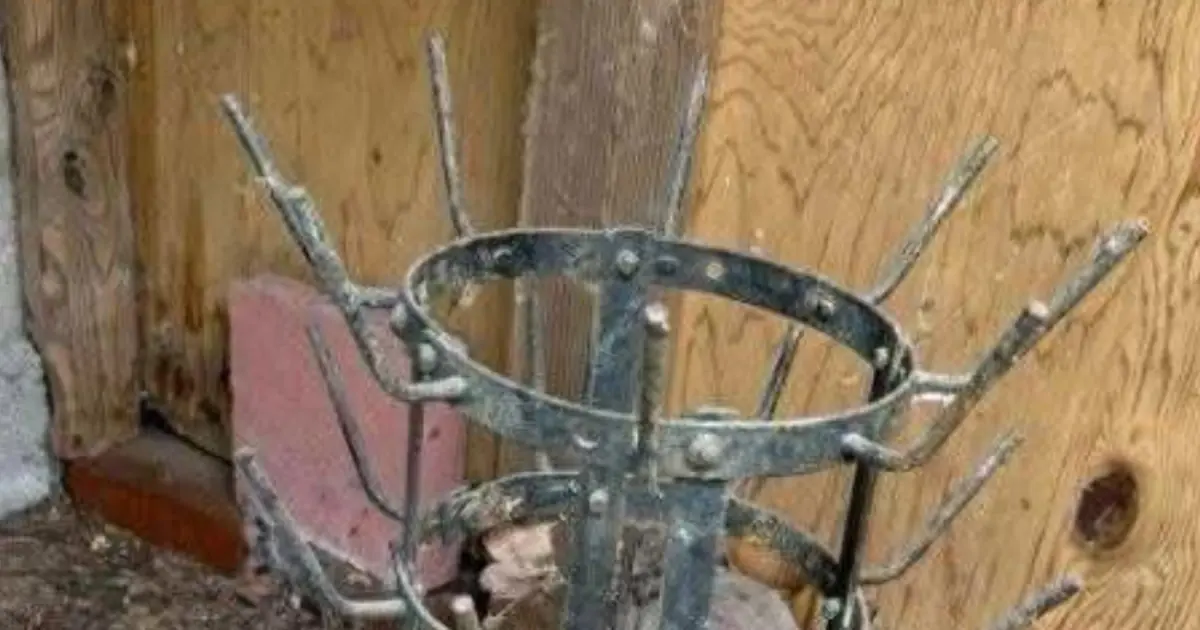
An Unusual Metal Object From 1907: What Was It Originally Used For?

Anyone Know What These Are? My Neighbor Gave Me a Bag Full




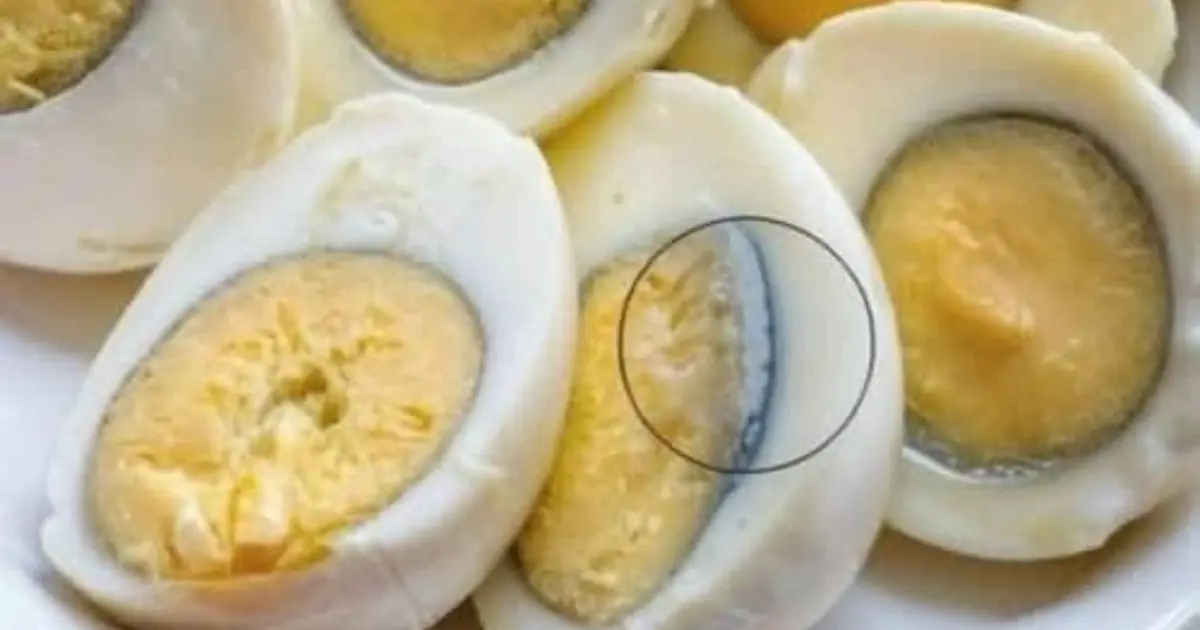
Most People Throw These Eggs Away—But They Don’t Need To
Persistent swelling in the feet may signal more than simple fatigue.
“I’ve Always Known This Fruit by Sight—But Never Its Name…” 👀 Can You Guess It? 👇
One childhood photo, one famous face, and a surprising identity.
Something strange was waiting beside my bed after I came home from work… 😳 I honestly didn’t know whether I should get closer or run!
I Was Shocked When My Daughter Came Home With a Pixie Cut Then Her Grandmother Told Me Why
She Thought Constipation Was Harmless—Until Her X-Ray Revealed a Serious Problem
It Starts Like Heartburn… But These 5 Symptoms Could Signal Something More Serious
3 Parts of a Fish You Should Think Twice Before Eating — One May Affect Your Kidneys
4 Unexpected Leg Symptoms That May Be Linked to Pancreatic Cancer
Eating Sweet Potatoes: What They May Do for Your Body
After Staying at My Friend’s Old Apartment, I Started Noticing These Weird Bumps
What Does Wearing a Short Skirt at 50 Really Mean?