Pancreatic Cancer: Important Symptoms to Watch for Early Detection

5
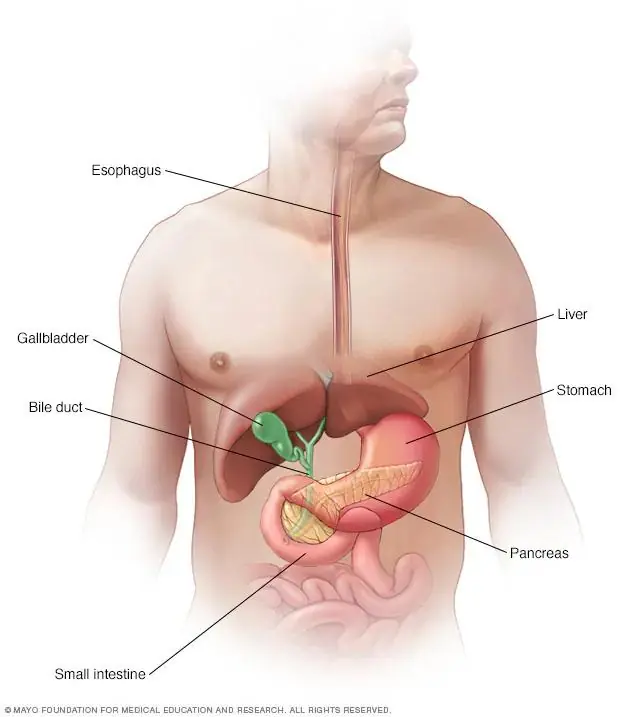
Pancreatic cancer is one of those conditions that rarely shows obvious symptoms early on. That’s why it’s often detected late. The challenge isn’t just the disease—it’s how quietly it develops.
But “silent” doesn’t mean completely invisible. The body does send signals—they’re just easy to miss or misinterpret.
Let’s break down the key signs in a clear, realistic way.
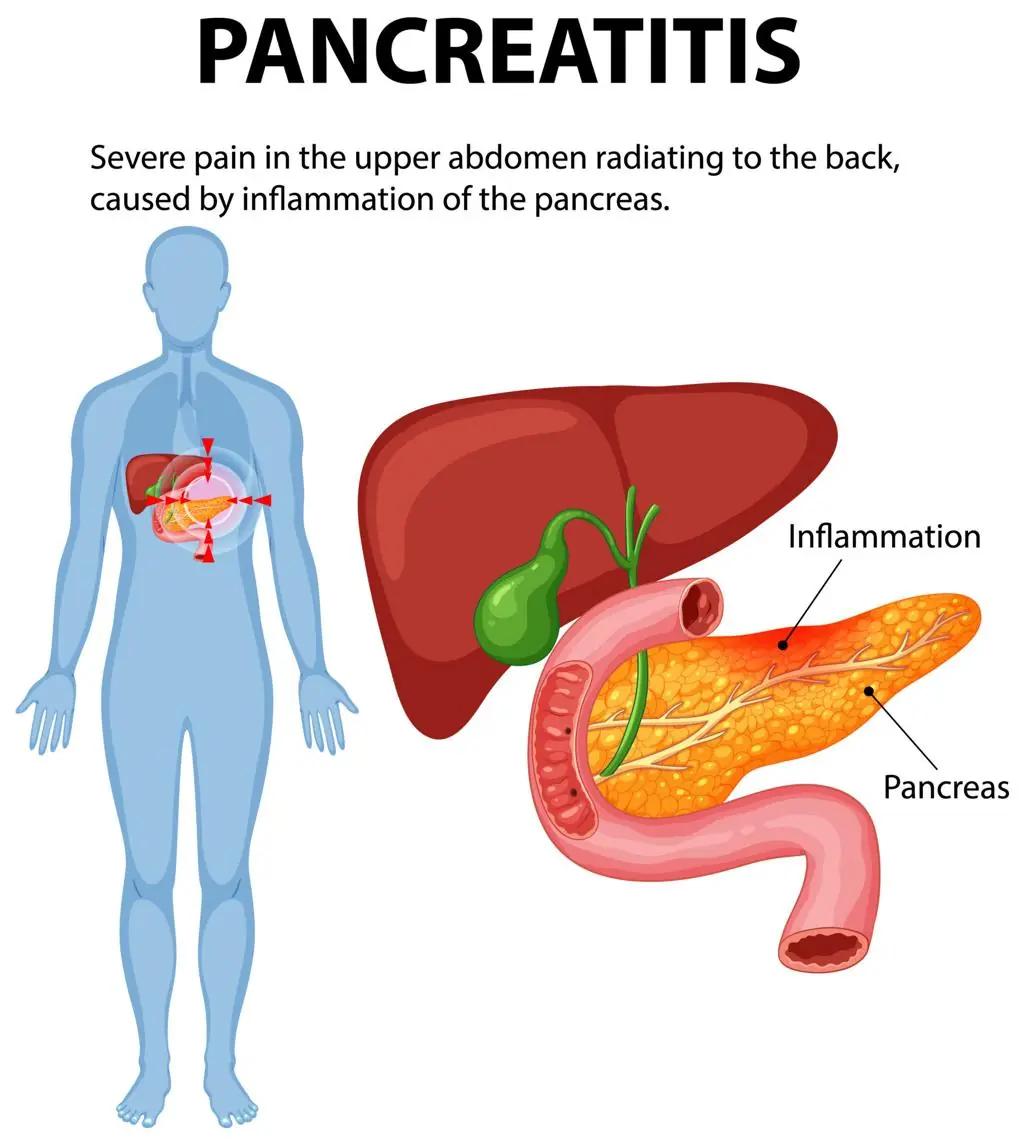
1. Persistent Upper Abdominal Pain (Often Spreads to the Back)
This is one of the most common early complaints.
The pain may:
- Start as a dull ache in the upper abdomen
- Radiate to the back
- Worsen after eating or when lying down
Because it can feel like regular digestive discomfort, many people ignore it at first.
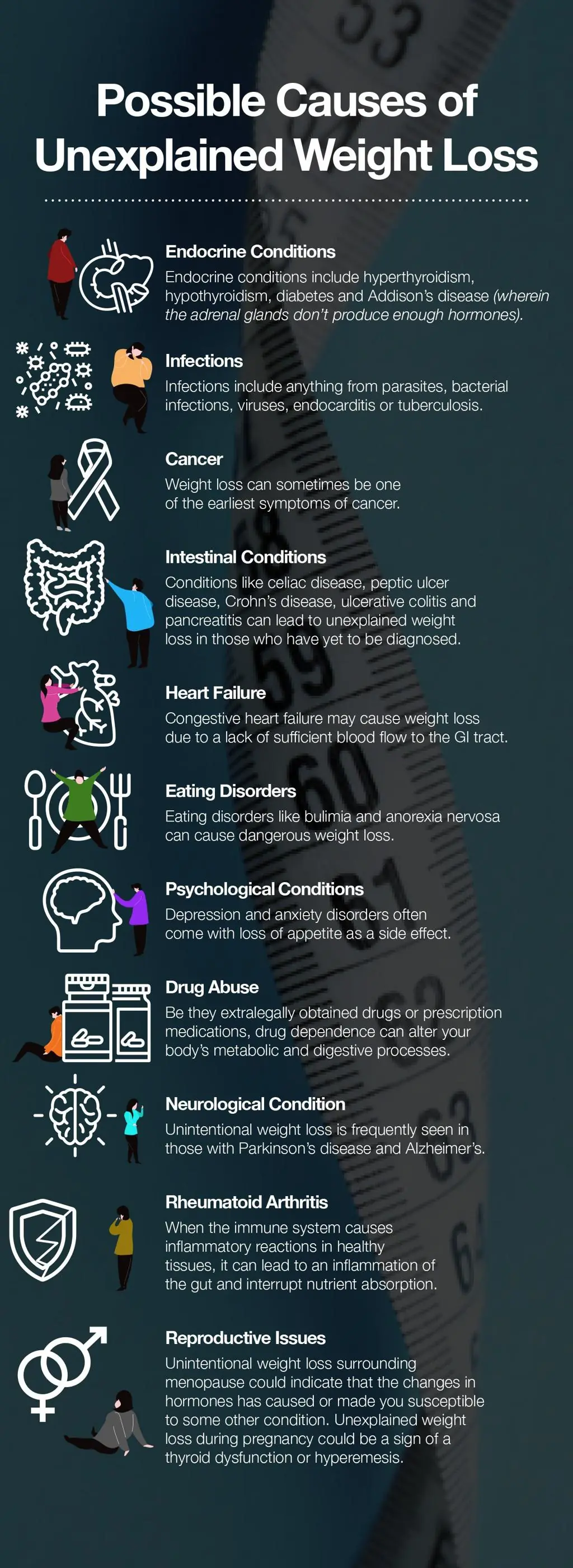
2. Unexplained Weight Loss


8
Losing weight without trying is always a red flag.
In this case, it may happen because:
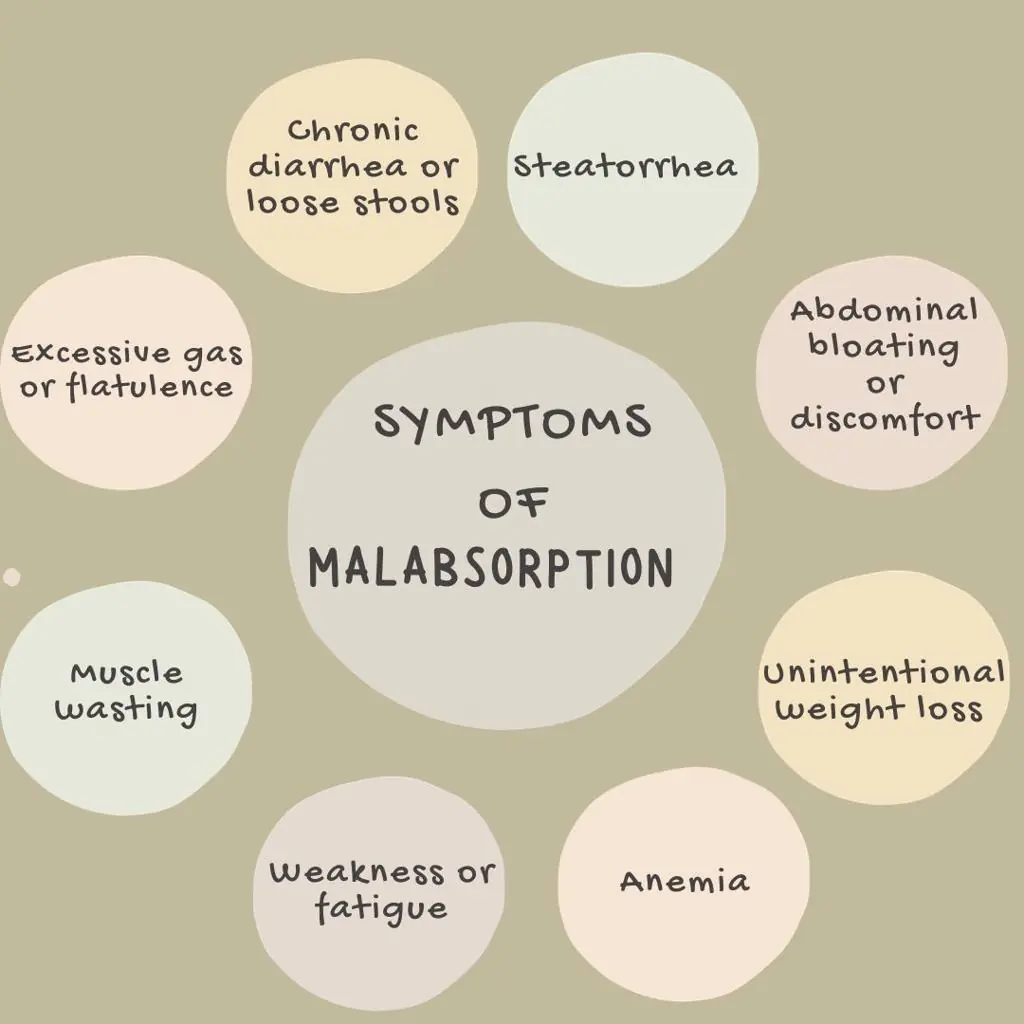
- The body isn’t absorbing nutrients properly
- Appetite decreases
- Metabolism changes due to illness
If weight drops without a clear reason, it needs attention.
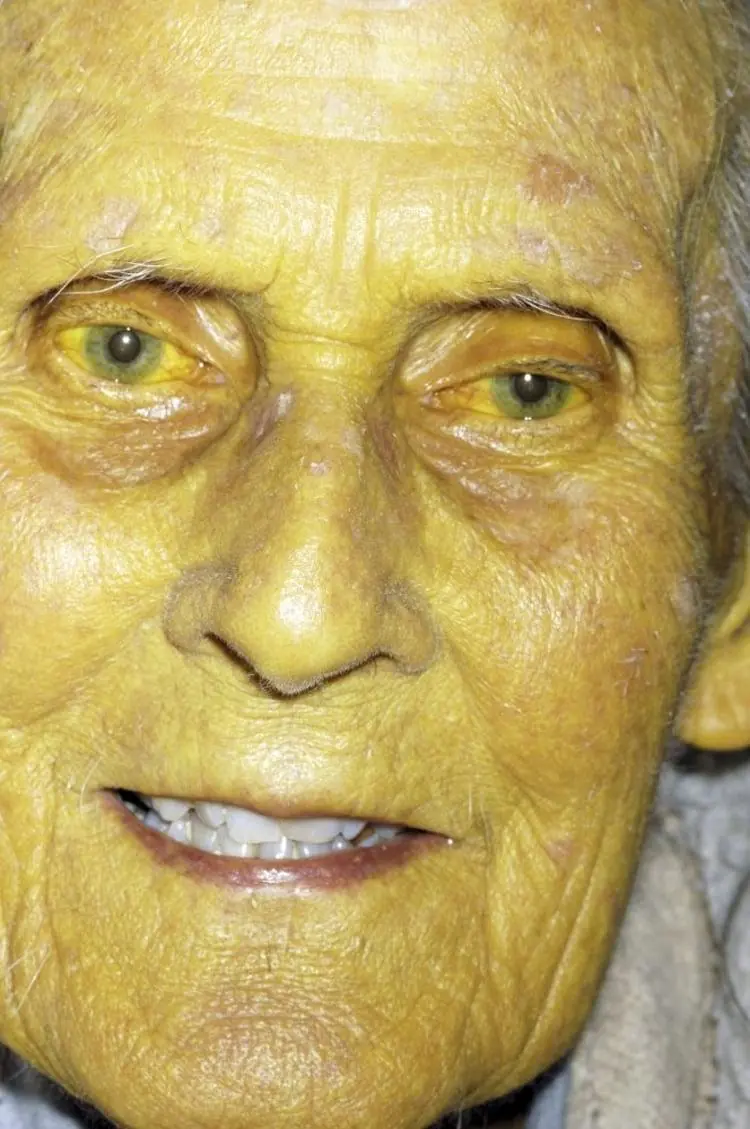
3. Jaundice (Yellowing of Skin and Eyes)

5
This is a more noticeable sign.
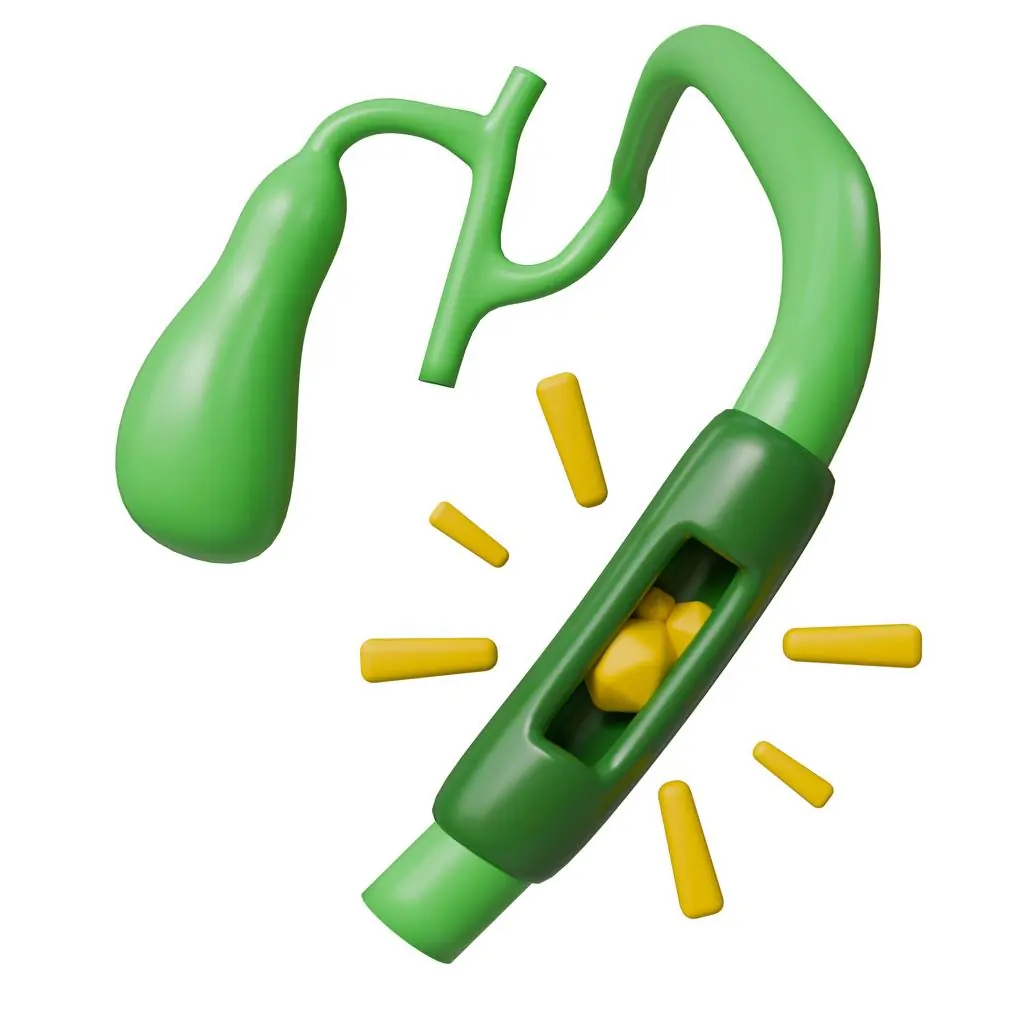
It happens when bile flow is blocked, often due to a tumor near the bile duct.
Look for:
- Yellowing of eyes or skin
- Dark urine
- Pale or clay-colored stools
- Itchy skin
This symptom usually appears when the condition is progressing—but it’s often what leads to diagnosis.
4. Changes in Digestion
6
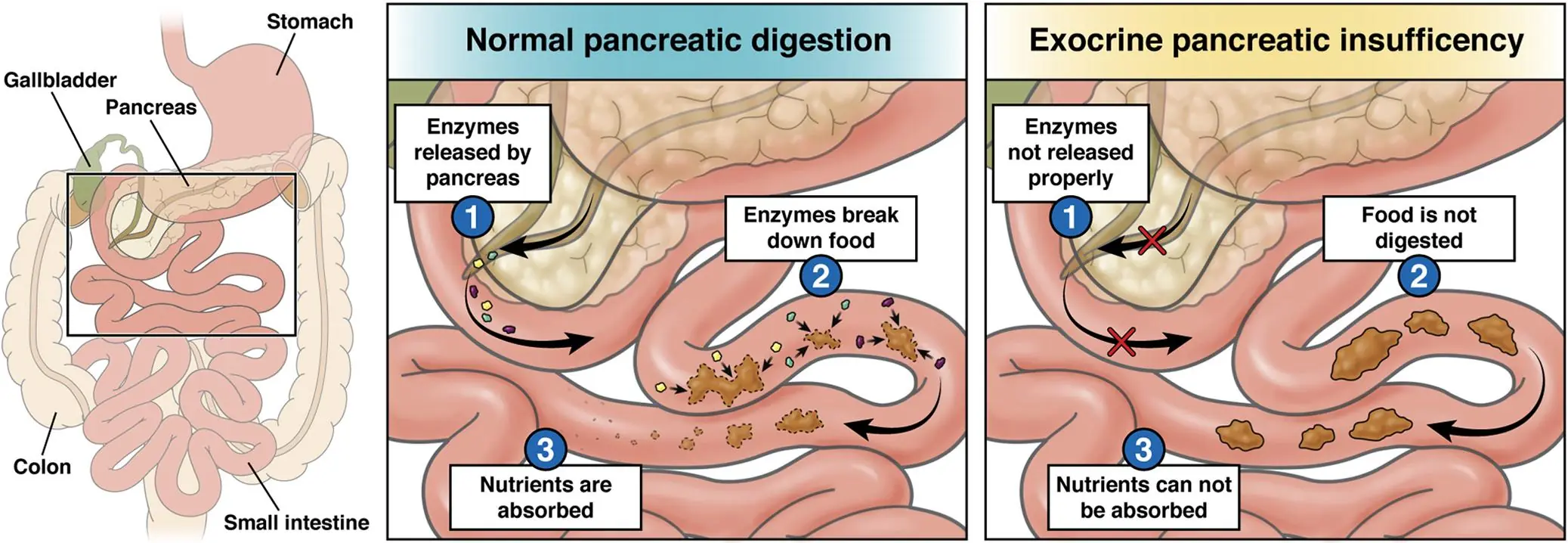
The pancreas helps break down food—especially fats.
When it’s not working properly, you may notice:
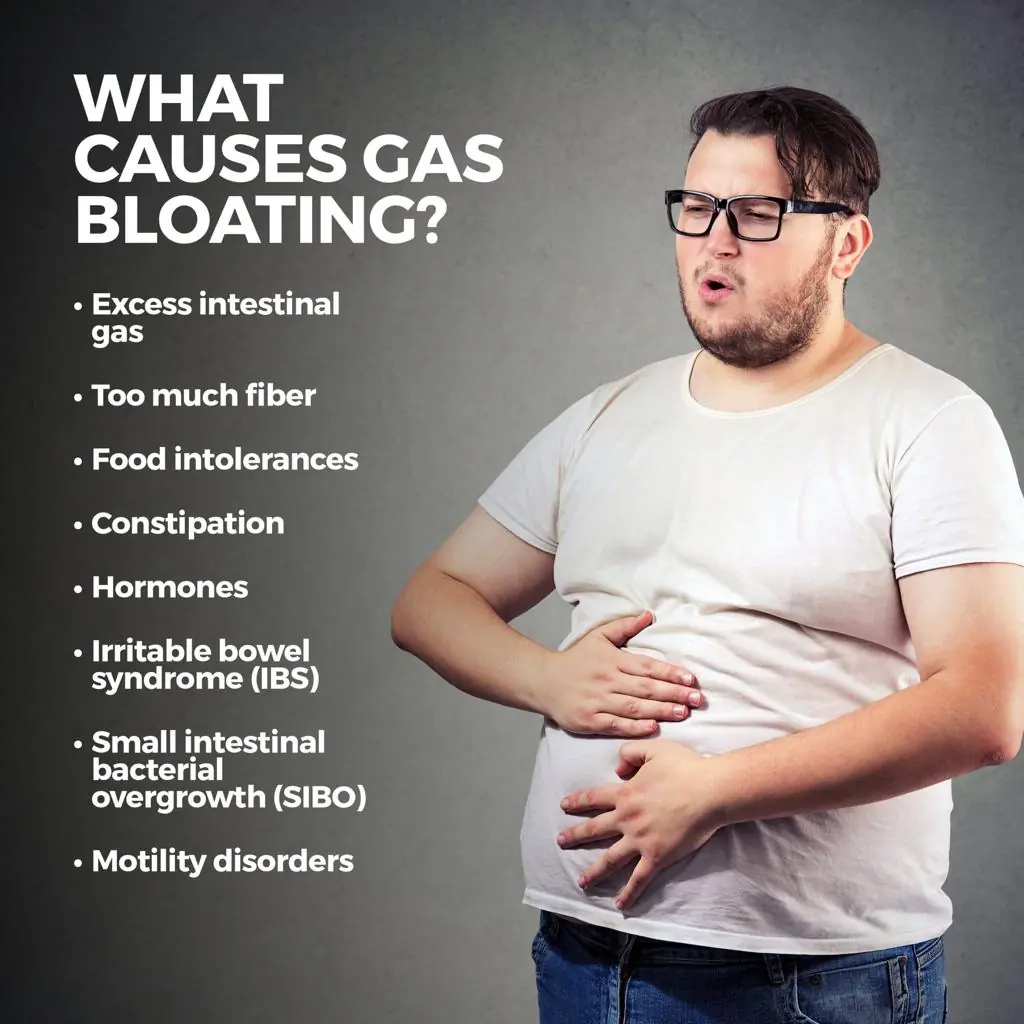
- Bloating
- Indigestion
- Greasy or floating stools
- Frequent discomfort after meals
These symptoms often get mistaken for common digestive issues.
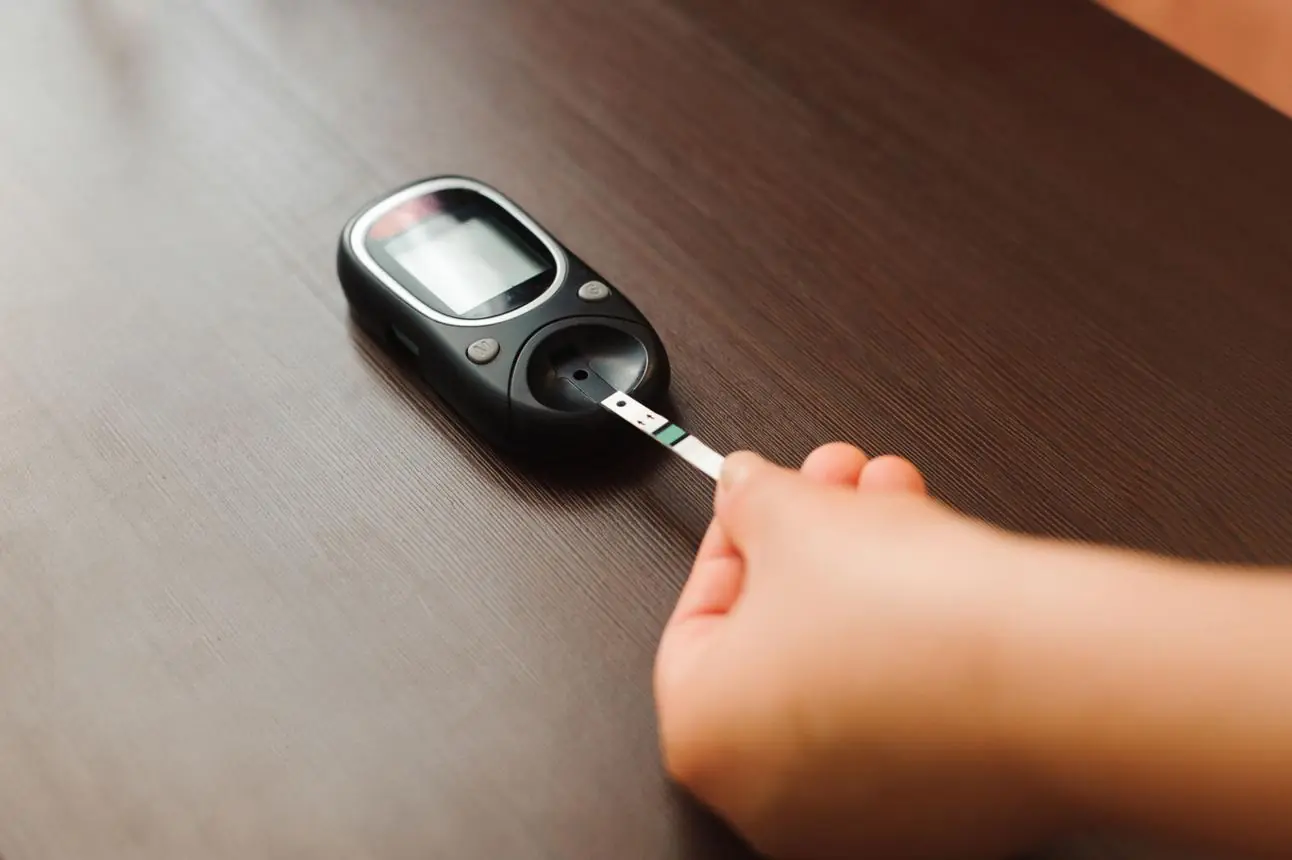
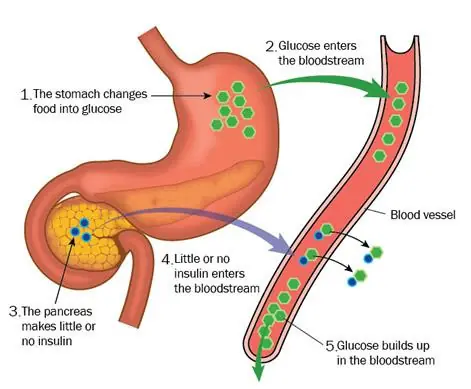
5. New-Onset Diabetes (Especially Without Clear Cause)

6
There’s a lesser-known link:
Some people develop diabetes suddenly before pancreatic cancer is diagnosed.
Watch for:
- Increased thirst
- Frequent urination
- Unexpected blood sugar changes
Especially if there’s no strong family history or lifestyle explanation.
6. Fatigue That Doesn’t Improve



7
This isn’t just being tired.
It’s:
- Persistent
- Unrelieved by rest
- Often combined with other symptoms
Fatigue is one of the most overlooked warning signs.
Important Reality Check
Let’s be clear:
- These symptoms are not specific only to pancreatic cancer
- Most are caused by far more common, less serious conditions
The key factor is:
Persistence + combination of symptoms
7. Loss of Appetite and Feeling Full Quickly
Another symptom that may develop in people with pancreatic cancer is a noticeable change in appetite.
You may find yourself eating less than usual, even when you have not intentionally changed your diet. Foods you once enjoyed may no longer seem appealing, and meals may leave you feeling uncomfortably full after only a few bites.
This can happen for several reasons.
The pancreas plays an important role in digestion. When a tumor affects its normal function, the digestive process may become less efficient. In addition, cancer-related inflammation, changes in metabolism, abdominal discomfort, and nausea can all reduce appetite.
Some people describe a general feeling that their stomach is never quite right. They may feel hungry but lose interest in food once they begin eating.
Over time, reduced food intake can contribute to:
-
Unintentional weight loss
-
Weakness and reduced muscle strength
-
Nutritional deficiencies
-
Dehydration
-
Increased fatigue
Of course, appetite changes are extremely common and usually have causes other than cancer. Stress, depression, infections, medication side effects, stomach disorders, and hormonal changes can all affect hunger.
However, a persistent loss of appetite becomes more concerning when it occurs alongside unexplained weight loss, abdominal pain, jaundice, or changes in bowel movements.
If you regularly feel full after eating very small amounts, especially when this is a new and unexplained change, discuss it with a healthcare professional.
8. Nausea and Vomiting That Keep Coming Back
Nausea is another symptom that can sometimes accompany pancreatic cancer.
The pancreas sits deep inside the abdomen, close to the stomach and the first part of the small intestine. A growing tumor may press on nearby structures or interfere with the normal movement of food through the digestive system.
In some cases, this can lead to persistent nausea, vomiting, or a sensation of pressure in the upper abdomen.
Symptoms may include:
-
Feeling sick after eating
-
Vomiting repeatedly
-
Discomfort after fatty or heavy meals
-
Reduced appetite
-
Feeling unusually bloated
-
Difficulty finishing normal portions of food
A tumor located near the duodenum, the first section of the small intestine, may sometimes narrow the passage through which food travels.
When this happens, food and stomach contents may have difficulty moving forward. This can produce early fullness, nausea, and vomiting.
However, nausea and vomiting are not specific signs of pancreatic cancer. They are much more commonly associated with food poisoning, viral infections, acid reflux, medication reactions, gallbladder disease, and many other digestive conditions.
The important question is whether the symptoms are persistent, worsening, or accompanied by other unexplained changes.
Repeated vomiting, inability to keep fluids down, severe abdominal pain, or signs of dehydration require prompt medical attention.
9. Changes in Stool Color, Texture, and Frequency
Your bowel movements can sometimes provide clues about how well your digestive system is functioning.
Because the pancreas produces enzymes that help digest fats, a problem affecting pancreatic function may change the appearance of stool.
One possible symptom is steatorrhea, a condition in which excessive fat remains in the stool.
Instead of looking normal, bowel movements may become:
-
Pale or unusually light-colored
-
Greasy or oily
-
Difficult to flush
-
Floating on the surface of the toilet water
-
Particularly foul-smelling
-
More frequent or unusually loose
This happens because pancreatic enzymes, especially lipase, help break dietary fats into smaller components that the body can absorb.
If the pancreas does not release enough digestive enzymes into the small intestine, fat digestion may become impaired.
The result can be fatty stools and, over time, deficiencies in fat-soluble vitamins such as vitamins A, D, E, and K.
Changes in stool color may also occur when a tumor blocks the bile duct.
Normally, bile travels from the liver and gallbladder into the intestine. Bile pigments help give stool its typical brown color.
If bile cannot reach the intestine because of an obstruction, stools may become pale, grayish, or clay-colored.