Wearing socks to bed is a simple habit that divides opinions. Some people find it comforting, while others feel it is unnecessary or uncomfortable. Often seen as a matter of personal preference, this bedtime choice is rarely given much thought. However, doctors and sleep experts say that wearing socks while sleeping can have surprising effects on the body—some beneficial, others less so—depending on the person and the situation.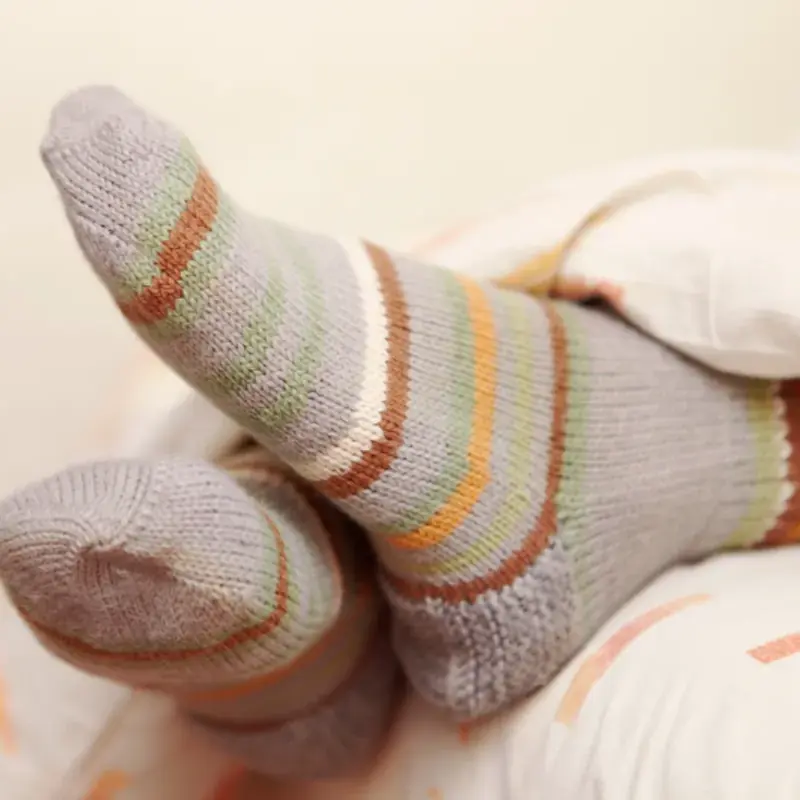
How Wearing Socks Affects Body Temperature
One of the main reasons socks influence sleep is body temperature regulation. The body naturally lowers its core temperature at night to signal that it is time to sleep. When feet are cold, blood vessels constrict, making it harder for the body to release heat efficiently.
Wearing socks helps warm the feet, causing blood vessels to dilate. This process sends a signal to the brain that it is time to rest, which may help some people fall asleep faster. Sleep specialists note that people who often struggle with cold feet or poor circulation may benefit the most from this effect.
Improved Sleep Onset for Some People
Studies have shown that warming the feet before bedtime can shorten the time it takes to fall asleep. For individuals who frequently toss and turn because their feet feel cold, socks can provide comfort and stability.
This is especially helpful during colder months or in air-conditioned environments. Older adults and people with circulation issues often report better sleep quality when wearing socks at night.
Potential Downsides to Wearing Socks Overnight
Despite the benefits, doctors caution that wearing socks to bed is not ideal for everyone. Socks that are too tight or made from non-breathable materials can trap heat and moisture. This may create an environment that encourages skin irritation or fungal growth, particularly for people prone to sweaty feet.
Additionally, overheating the feet may cause discomfort and interrupt sleep for those who naturally sleep warm. Experts recommend choosing loose-fitting socks made from breathable materials such as cotton or wool.

Hygiene and Skin Health Considerations
Hygiene plays an important role when wearing socks to bed. Wearing the same socks all day and then sleeping in them can expose the skin to bacteria and sweat buildup. Doctors advise changing into clean socks before bed if you plan to sleep with them on.
People with foot conditions such as athlete’s foot or sensitive skin should be especially cautious. In these cases, allowing the feet to breathe overnight may be healthier than covering them.
Circulation and Health Benefits
For individuals with poor circulation, Raynaud’s phenomenon, or consistently cold extremities, socks can provide real relief. By maintaining warmth, socks help improve blood flow to the feet, reducing nighttime discomfort and numbness.
Some doctors also note that better circulation at night may reduce nighttime cramps and discomfort, contributing to more restful sleep overall.
Does Wearing Socks Affect Sleep Quality?
Sleep quality depends on many factors, including temperature, comfort, and personal habits. Wearing socks can improve sleep for people who feel cold at night, but it can have the opposite effect for those who tend to overheat.
Sleep experts emphasize that the key is balance. If socks help you feel comfortable without causing overheating, they may support better sleep. If they make you feel restless or too warm, it may be better to skip them.
Tips for Wearing Socks to Bed Safely
Doctors recommend a few simple guidelines for those who choose to wear socks while sleeping:
-
Use clean socks reserved only for bedtime
-
Choose loose-fitting, breathable materials
-
Avoid tight elastic bands that restrict circulation
-
Remove socks if you feel too warm during the night
These small adjustments can help maximize benefits while minimizing potential risks.