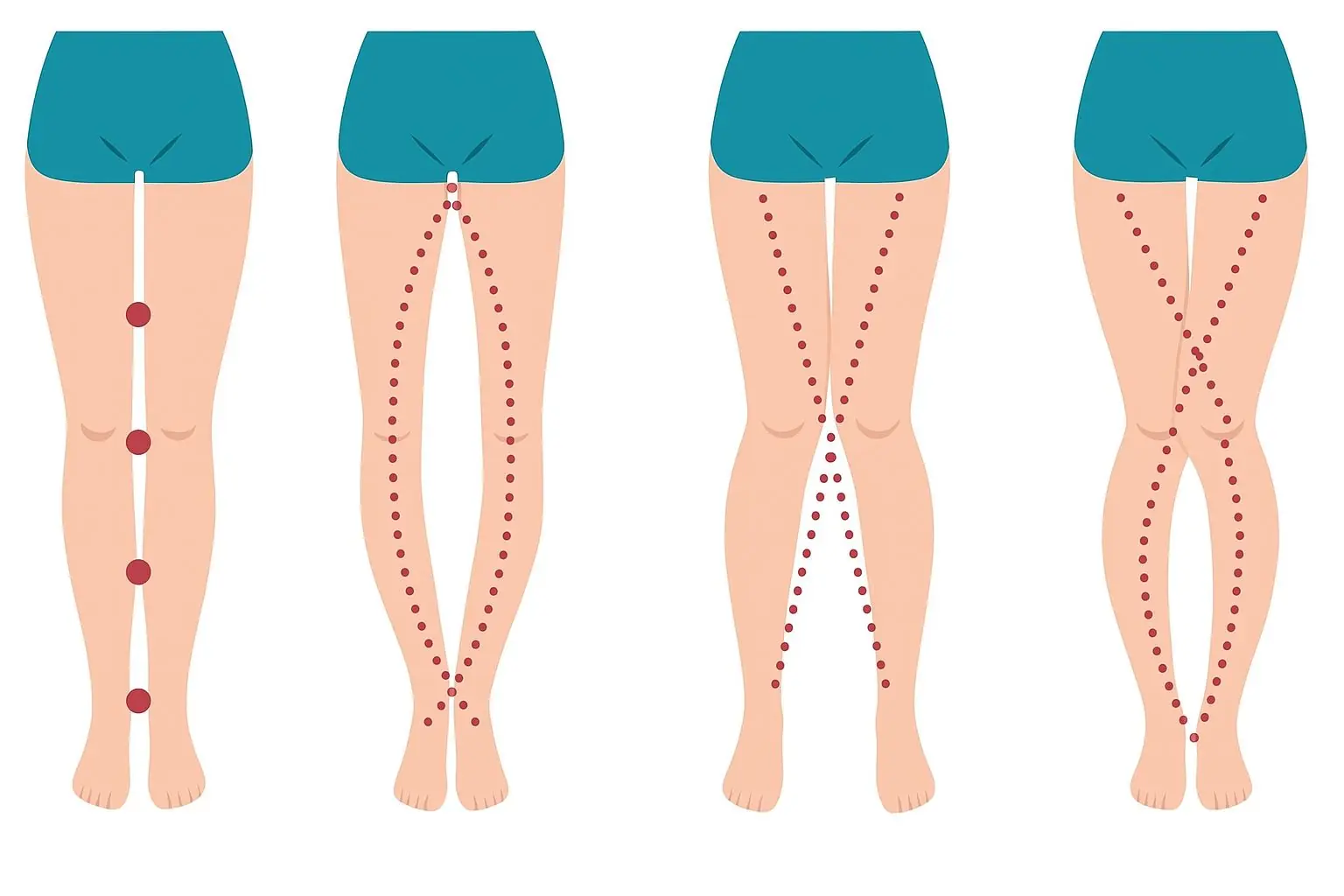
When it comes to understanding the female body, few areas are as misunderstood-and as mystified-as the vagina. Often mislabeled, oversimplified, or completely ignored in everyday conversations, this essential part of the female anatomy plays a powerful role in reproduction, pleasure, hormonal balance, and even aging. And yes, while the alignment of your legs can say something about your body structure, it's your vagina that tells the deepest stories about your health.
Let's dive into the fascinating world of the vagina: what it is, what it isn't, how it works, how it changes, and why it deserves more attention and respect.
Let's Get the Terminology Right: Vulva vs. Vagina
One of the most common misconceptions is the interchangeable use of "vagina" to describe the entire genital area. In truth:
The vulva is the external part of the genitals. This includes the labia (inner and outer), clitoris, urethral opening, and the entrance to the vagina.
The vagina is the internal muscular canal that connects the vulva to the cervix.
Getting this distinction right is not just a matter of semantics-it's about understanding your body, how it functions, and how to care for it.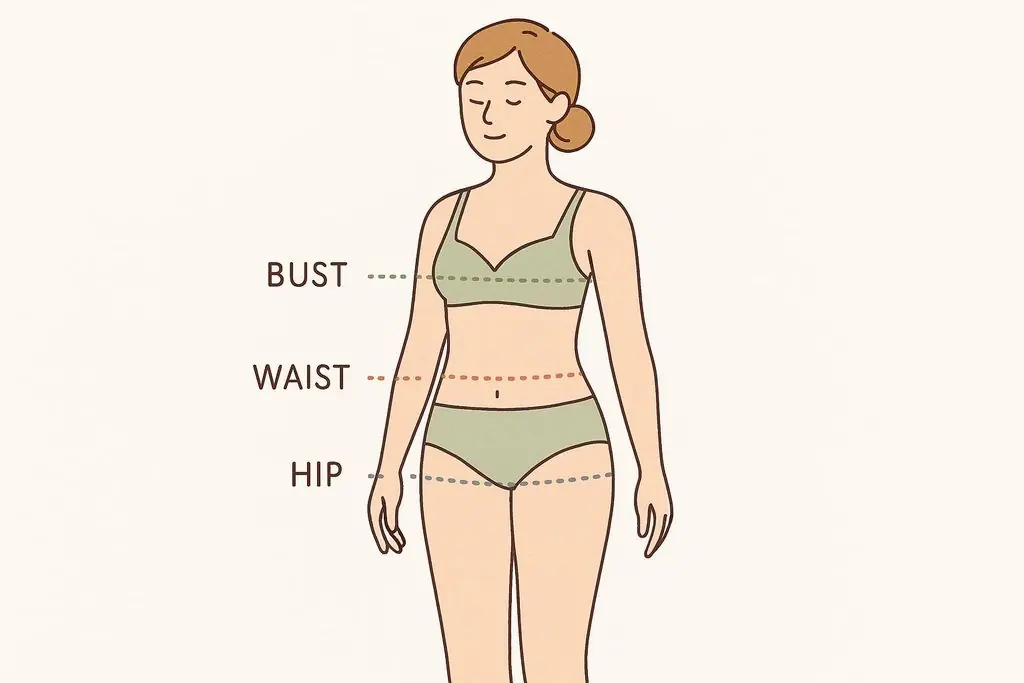
What Is the Vagina?
The vagina is a flexible muscular canal, typically 7-12 cm long, that serves as a passage connecting the cervix (the entrance to the uterus) with the outside world. It plays key roles in:
he vagina receives sperm during intercourse and is the birth canal during delivery.
Menstruation: It's the pathway through which menstrual blood exits the body.
Health Management: Hormonal creams, contraceptive rings, and medications can be inserted into the vagina for localized or systemic effect.
The vagina is designed to adapt and support a wide range of physiological functions-from holding a tampon to stretching enough to deliver a baby.
Anatomy: More Than Just a "Tube"
Though often referred to as a "tube", the vagina is anything but simple:
The walls are collapsible: In a relaxed state, vaginal walls lie against each other like an accordion. This prevents things like tampons from falling out.
Rugae (folds): These allow expansion during intercourse and childbirth.
Mucosal lining: Like the tissue inside your mouth, the vagina's lining helps keep it moist and protected.
Muscle & elasticity: Beneath the surface are layers of muscle and elastic fibers that support flexibility and strength.
How the Vagina Changes Over Time
Like every other part of your body, your vagina ages. From puberty through pregnancy and menopause, its structure and function adapt in response to hormonal changes.
During menstruating years: High estrogen levels keep the vaginal lining thick and elastic.
During pregnancy: Blood flow increases, tissues relax, and the vagina prepares to deliver a baby.
After childbirth: The vagina stretches significantly, but typically regains its form within 6-12 weeks postpartum.
After menopause: Estrogen drops, leading to thinner walls, dryness, and decreased natural lubrication. This can cause discomfort during sex and increase risk of irritation or infection.
Despite these changes, the vagina remains a strong, self-maintaining organ, capable of healing and adapting across a woman's lifespan.
The Menstrual Cycle & Vaginal Changes
Your vagina doesn't stay the same day-to-day-it changes throughout your cycle:

Estrogen peaks, the cervix rises, becomes softer, and the vaginal walls thicken.
The cervix opens to allow sperm entry, and vaginal discharge becomes clear and stretchy to facilitate fertility.
The cervix lowers, closes, and becomes firmer. Discharge may become cloudy or sticky.
These changes are completely normal and a good sign that your reproductive system is working in sync with your hormones.
Myths vs. Facts
Let's clear up some common misunderstandings:
Myth: The vagina is always open.
- Fact: The vaginal walls are normally closed and only open when needed (e.g. during penetration or childbirth).
Myth: All vaginas look and feel the same.
- Fact: Just like faces, no two vaginas are identical. Size, shape, and elasticity vary widely.
Myth: The vagina is a sign of too much sex.
- Fact: Vaginal tightness is more related to pelvic floor muscle tone than sexual activity.
Why Understanding the Vagina Matters
Knowing your anatomy isn't just about science-it's about empowerment. When you understand how your vagina works and how it changes, you're better equipped to:
Advocate for your health
Notice signs of imbalance or illness
Understand your fertility
Enjoy intimacy without shame or misinformation
Final Thoughts: The Vagina Is Powerful
From menstruation to motherhood, the vagina plays an irreplaceable role in a woman's body. It is resilient, adaptive, and intricately linked to overall health and well-being. Learning about your anatomy isn't just interesting-it's essential for self-care.
Whether you're in your teens or postmenopausal, it's never too late to learn about and celebrate your body. So, let's ditch the myths, embrace the facts, and talk about vaginas-loudly and proudly.
If you'd like a visual guide or infographics on vaginal health, or even tips for keeping your vulva and vagina healthy at every life stage, let me know-I'd love to help create it for you!