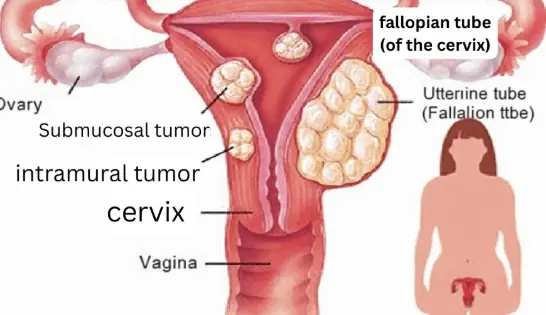
5 early warning signs of cervical cancer
Cervical cancer is the fourth most common cancer affecting women globally, according to the World Health Organization (WHO).
Health 02/07/2026 10:46
Have you ever wondered why some mornings leave you feeling energized while others start with bloating, sluggishness, or an upset stomach? The answer may have more to do with your first meal of the day than you realize.
After several hours of sleep, your body wakes up ready to replenish its energy stores. Your digestive system, metabolism, and blood sugar all respond to the first foods you eat. Choosing nutrient-rich foods can help support healthy digestion, provide lasting energy, and keep you feeling satisfied throughout the morning.
Here's what you should know about making your first meal work for your health.
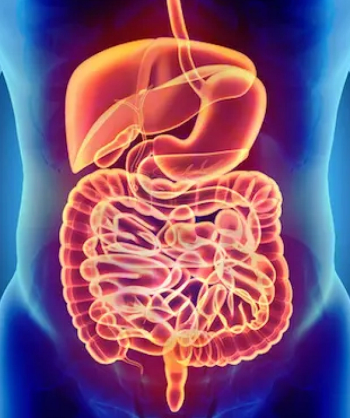
During the night, your body continues to use energy even though you're asleep. By morning, your stomach has been empty for several hours, and your body is ready to absorb nutrients.
A balanced breakfast may help:
While breakfast isn't essential for everyone, the quality of your first meal—whether it's at 7 a.m. or 11 a.m.—can make a meaningful difference.

Before eating, consider drinking a glass of water.
Hydration helps replace fluids lost overnight and supports normal digestive function. Some people enjoy warm water or water with a slice of lemon, although plain water works just as well.
Fiber is one of the best nutrients for digestive health. It feeds beneficial gut bacteria and helps keep bowel movements regular.
Good sources of fiber include:
Increasing fiber gradually and drinking enough water can help prevent digestive discomfort.
Protein helps you stay full longer and supports muscle maintenance.
Healthy breakfast protein options include:
Combining protein with fiber creates a satisfying meal that may help reduce mid-morning cravings.
Healthy fats are another important part of a balanced breakfast.
Consider adding:
These foods provide nutrients that support overall health while helping you feel satisfied.
Fresh fruit supplies vitamins, minerals, antioxidants, and water.
Excellent breakfast choices include:
Eating whole fruit is generally a better choice than drinking fruit juice because whole fruit contains more fiber.
Foods containing live cultures may help maintain a healthy balance of gut bacteria.
Examples include:
If you choose yogurt, look for varieties with little or no added sugar.
Some foods may leave certain people feeling uncomfortable when eaten on an empty stomach.
These include:
:max_bytes(150000):strip_icc()/__opt__aboutcom__coeus__resources__content_migration__serious_eats__seriouseats.com__images__2016__07__20160729-sweet-breakfast-recipes-roundup-07-84f8d9fa70c942c08061cbe17e84a009.jpg)
Pastries, sugary cereals, and sweetened drinks can cause a rapid rise in blood sugar followed by a quick drop, leaving you hungry again.
Breakfast foods high in refined carbohydrates and saturated fat often provide calories without many beneficial nutrients.
Coffee is perfectly fine for many people. However, drinking several cups on an empty stomach may trigger acid reflux or stomach irritation in some individuals.
If coffee bothers your stomach, try having it after eating or pairing it with a balanced breakfast.
A nutritious breakfast doesn't need to be complicated.
Here are a few ideas:
Option 1
Option 2
Option 3
Option 4
Option 5
There is no single "perfect" breakfast for everyone.
Some people feel their best eating soon after waking up, while others naturally prefer eating later in the morning. The key is choosing foods that leave you feeling energized instead of sluggish.
If you have digestive conditions such as irritable bowel syndrome (IBS), acid reflux, or food allergies, your ideal breakfast may differ from someone else's. Consulting a healthcare professional or registered dietitian can help you find the best approach.
Your morning routine can also support digestion.
Try to:
Small daily habits often have a bigger impact than occasional healthy meals.
The first food you eat each day can help set the tone for your digestive health and overall well-being. Choosing a breakfast that includes fiber, protein, healthy fats, and plenty of whole foods may support steady energy, healthy digestion, and long-lasting fullness.
Rather than searching for a single "superfood," focus on building balanced meals and paying attention to how your body responds. Over time, these simple choices can become part of a sustainable routine that supports both your gut and your overall health.
Disclaimer: This article is for educational purposes only and should not replace professional medical advice. If you experience ongoing digestive symptoms or have concerns about your diet, consult a qualified healthcare provider.
Cervical cancer is the fourth most common cancer affecting women globally, according to the World Health Organization (WHO).

The heartbreaking story of a 5-year-old child losing the battle against late-stage cancer has shaken many parents and health professionals.

At 55, Her Uterus Tests as Healthy as a 20-Year-Old’s — Doctors Reveal the 3 Foods That Helped Balance Her Hormones

Doctors Say These 9 Itching Symptoms Should Never Be Ignored
Integrative Frontiers: Emerging Insights in Nutrition, Systemic Health, and Biophysics


What Happens to Your Body When You Eat Dates Regularly?

These 4 Vegetables and 2 Fruits Are Great Choices for Liver Health

A Common Wild Vegetable Was Found to Destroy Over 90% of Cancer Cells Within 48 Hours in Lab Studies

🥚 Why More Nutrition Experts Recommend Eggs for Breakfast


👀 Preparing for a Colonoscopy? Here's What Many Patients Wish They Had Known

🥗 Doctors Recommend Limiting These 2 Common Foods for Better Overall Health

😲 The Hidden Side of Peanuts That Deserves More Attention

🎃 Doctors Say Pumpkin Is Healthy—But There's a Catch

Healthy lifestyle isn't always enough

Not every wrist lump is dangerous—but knowing the difference matters.

Here's what research actually says.
The heartbreaking story of a 5-year-old child losing the battle against late-stage cancer has shaken many parents and health professionals.
At 55, Her Uterus Tests as Healthy as a 20-Year-Old’s — Doctors Reveal the 3 Foods That Helped Balance Her Hormones
Doctors Say These 9 Itching Symptoms Should Never Be Ignored
Integrative Frontiers: Emerging Insights in Nutrition, Systemic Health, and Biophysics
What Happens to Your Body When You Eat Dates Regularly?
These 4 Vegetables and 2 Fruits Are Great Choices for Liver Health
A Common Wild Vegetable Was Found to Destroy Over 90% of Cancer Cells Within 48 Hours in Lab Studies
🥚 Why More Nutrition Experts Recommend Eggs for Breakfast
👀 Preparing for a Colonoscopy? Here's What Many Patients Wish They Had Known
🥗 Doctors Recommend Limiting These 2 Common Foods for Better Overall Health
😲 The Hidden Side of Peanuts That Deserves More Attention
🎃 Doctors Say Pumpkin Is Healthy—But There's a Catch
Healthy lifestyle isn't always enough
Not every wrist lump is dangerous—but knowing the difference matters.
Here's what research actually says.

One Small Design Choice Has Survived for Centuries—Here's Why