High-fat meals can slow stomach emptying, which may contribute to a feeling of fullness or discomfort in some individuals.
A lighter breakfast may be more comfortable for someone with a sensitive stomach.
Others may prefer a substantial breakfast and have no problem digesting it.
Again, there is no universal formula.
The right breakfast is partly the one your body tolerates well.
Consider How Quickly You Eat
The food itself isn't always the problem.
Sometimes the way you eat matters.
Eating very quickly can make it easier to consume more food than you intended and may contribute to discomfort or bloating.
Taking a little more time to eat allows you to pay attention to hunger and fullness signals.
Try putting down your utensils occasionally, chewing thoroughly, and avoiding the habit of rushing through breakfast while distracted.
This may seem insignificant, but eating is not simply about what goes into your body.
How you eat can also influence how the meal feels afterward.
A Simple Breakfast Formula
You do not need an expensive supplement or complicated recipe to create a balanced breakfast.
A simple formula is:
Fiber-rich carbohydrate + protein + healthy fat + fluid
For example:
Option 1:
Oatmeal + berries + walnuts + plain yogurt
Option 2:
Whole-grain toast + eggs + avocado + fruit
Option 3:
Greek yogurt + berries + chia seeds + nuts
Option 4:
Whole-grain cereal + milk + banana + a handful of nuts
Option 5:
A vegetable omelet + whole-grain toast + fruit
These are examples rather than strict prescriptions.
Your dietary needs, allergies, cultural food preferences, medical conditions, and appetite should all be considered.
Don't Forget Fermented Foods
Some fermented foods contain live microorganisms that may support the gut microbiome, depending on the food and product.
Examples include:
-
Yogurt with live cultures
-
Kefir
-
Some fermented vegetables
However, fermented foods are not magical treatments for digestive problems.
The microbiome is complex, and the effects of specific foods vary among individuals.
If you tolerate fermented foods well, they can be one component of a varied diet.
What If Breakfast Makes You Bloat?
Bloating after breakfast is relatively common, but the cause can vary.
Possible contributors include:
-
Eating too quickly
-
Large portions
-
Carbonated drinks
-
Certain high-fiber foods
-
Sugar alcohols
-
Lactose intolerance
-
Certain fermentable carbohydrates
-
Constipation
-
Food intolerances
-
Underlying gastrointestinal conditions
Rather than eliminating dozens of foods at once, try looking for patterns.
Write down what you eat and note your symptoms afterward.
Over several days or weeks, you may notice that a particular food or combination repeatedly triggers discomfort.
If bloating is persistent, severe, or accompanied by other concerning symptoms, talk with a healthcare professional rather than assuming it is simply a food sensitivity.
Your Morning Routine Matters Beyond Breakfast
Digestive health isn't determined by breakfast alone.
Other habits can have a significant influence.
Stay physically active
Regular movement supports overall health and may help maintain normal bowel function.
Even a short walk after eating can be a practical addition to your routine.
Get enough fiber throughout the day
Don't try to consume all your fiber at breakfast.
Spread fiber-rich foods across meals.
Drink enough fluids
Hydration should continue throughout the day.
Get adequate sleep
Sleep affects many aspects of health, and maintaining a consistent sleep schedule can support overall well-being.
Manage stress
The brain and digestive system communicate continuously through the gut-brain axis.
Stress can affect bowel habits and digestive symptoms in some people.
When Morning Digestive Symptoms Shouldn't Be Ignored
Occasional bloating, gas, or changes in bowel movements are common.
But persistent or significant symptoms deserve attention.
Speak with a healthcare professional if you regularly experience:
-
Persistent abdominal pain
-
Ongoing diarrhea
-
Chronic constipation
-
Repeated vomiting
-
Unexplained weight loss
-
Blood in the stool
-
Black or tarry stools
-
Difficulty swallowing
-
Persistent or worsening heartburn
-
Significant changes in bowel habits
These symptoms can have many possible causes, and diet alone may not be enough to address them.
Seek urgent medical attention for severe abdominal pain, significant gastrointestinal bleeding, persistent vomiting, fainting, or other severe or rapidly worsening symptoms.
The Bigger Picture: Don't Let One Breakfast Become a Health Obsession
There is a growing tendency to treat breakfast as though one particular food can completely transform digestive health.
That's not how the digestive system works.
Eating a bowl of oatmeal will not automatically repair your gut.
Drinking lemon water does not “detox” your digestive tract.
Eating fruit in the morning does not magically cleanse your intestines.
And having an occasional pastry does not destroy your digestive health.
Your body responds to patterns over time.
A varied diet rich in fruits, vegetables, whole grains, legumes, appropriate sources of protein, healthy fats, and adequate fluids is generally more meaningful than obsessing over a single ingredient.
The Best First Food May Be the One That Works for Your Body
There is no universally perfect food that everyone should eat immediately after waking.
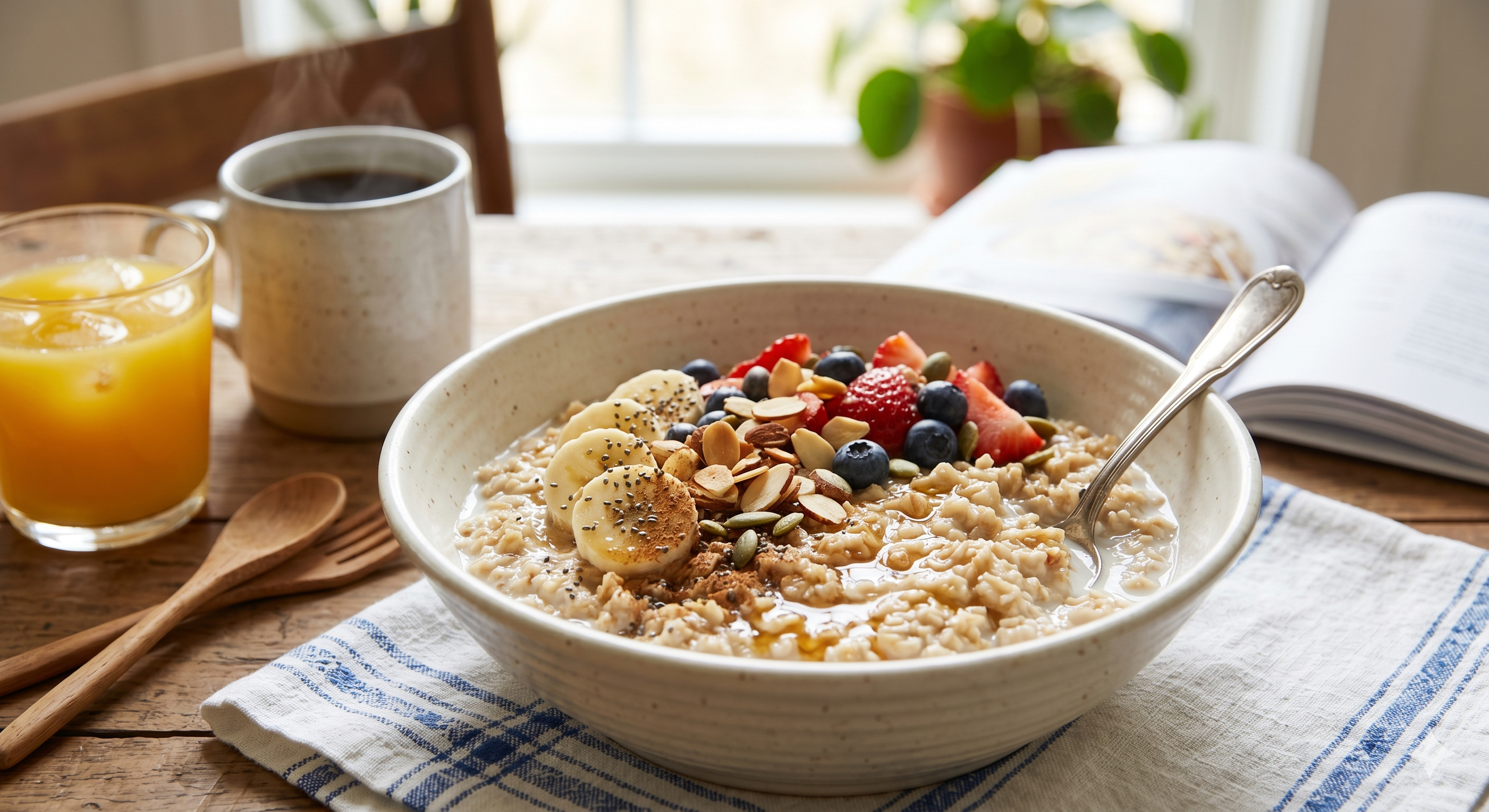
For one person, oatmeal and berries may be an excellent choice.
For another, eggs and whole-grain toast may feel better.
Someone else may prefer yogurt and fruit.
And some people may not feel hungry first thing in the morning and may choose to eat later.
The important question isn't simply:
“What is the healthiest breakfast?”
A better question is:
“What breakfast provides useful nutrition and leaves my digestive system feeling comfortable?”
Pay attention to how your body responds. Choose foods that provide fiber and nutrients, include adequate protein, stay hydrated, and avoid consistently eating in a rushed or uncomfortable way.
Most importantly, don't assume persistent digestive symptoms are simply the result of eating the “wrong” breakfast.
Your first meal of the day can certainly influence how you feel, but your digestive health is shaped by the bigger picture—your overall diet, hydration, activity, sleep, stress, and individual health needs.
Sometimes, the simplest morning habits are the ones that make the biggest difference over time.